Second, on our roads you can come across cobblestones – paving made of natural stone. Often, it is true, asphalt was laid right over it. Sometimes, through holes in the asphalt, you can glimpse wonderful stones fitted snugly against one another – traces of a passing era.
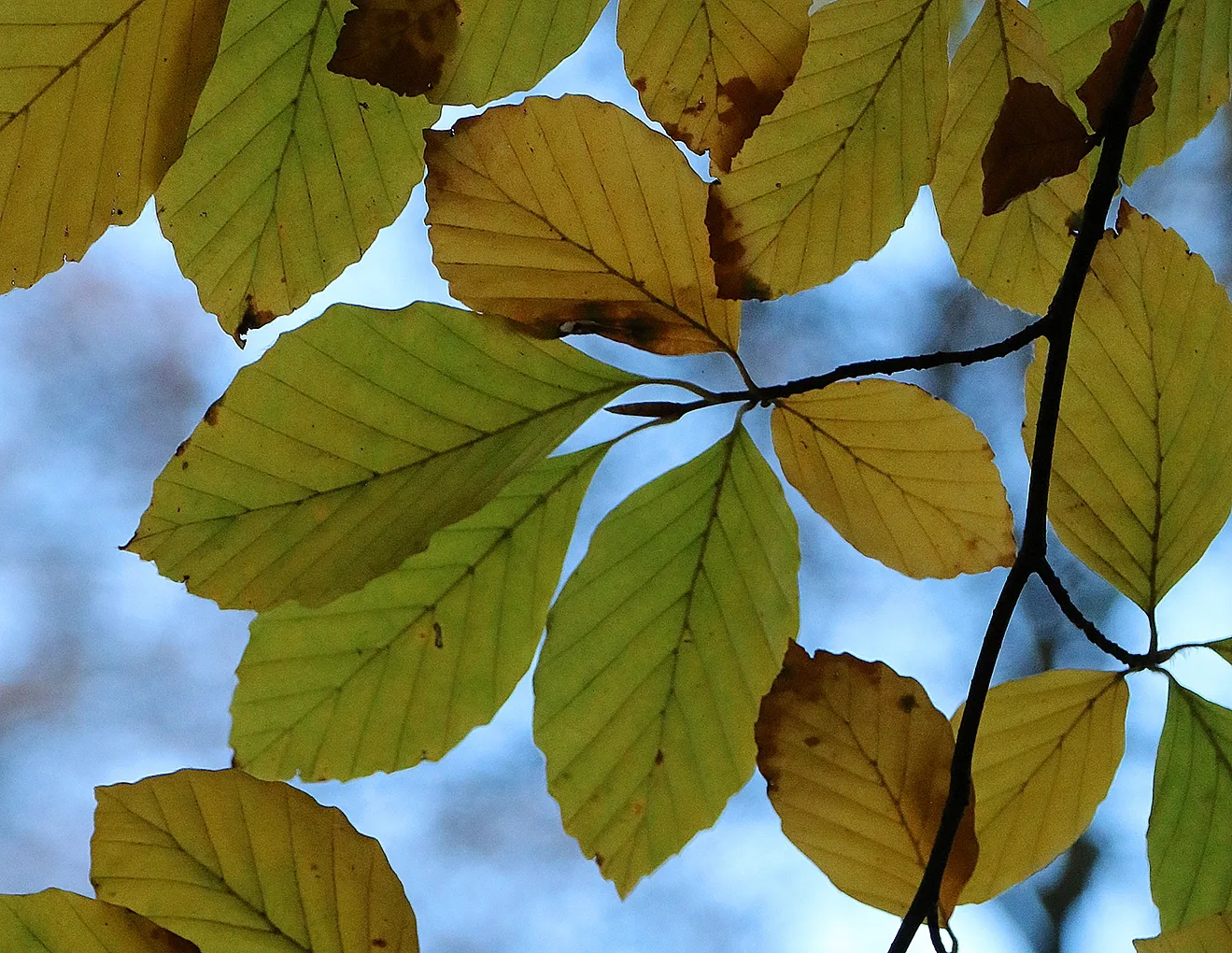
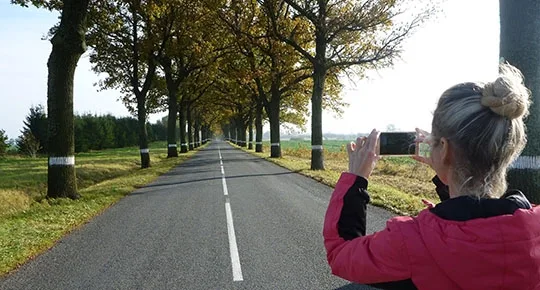
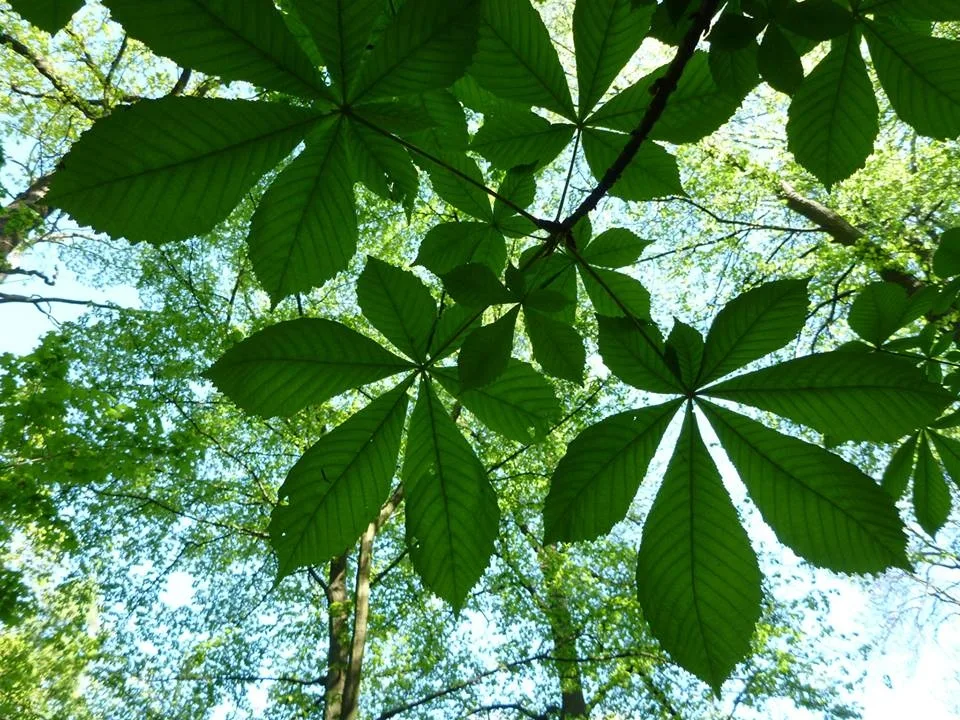
Another fine feature of our roads is that they are lined with trees that form alleys. Limes, ashes, maples, oaks and chestnuts flank them on both sides. Willows, birches, hornbeams, elms and Swedish whitebeams are also found in the roadside alleys of the region…
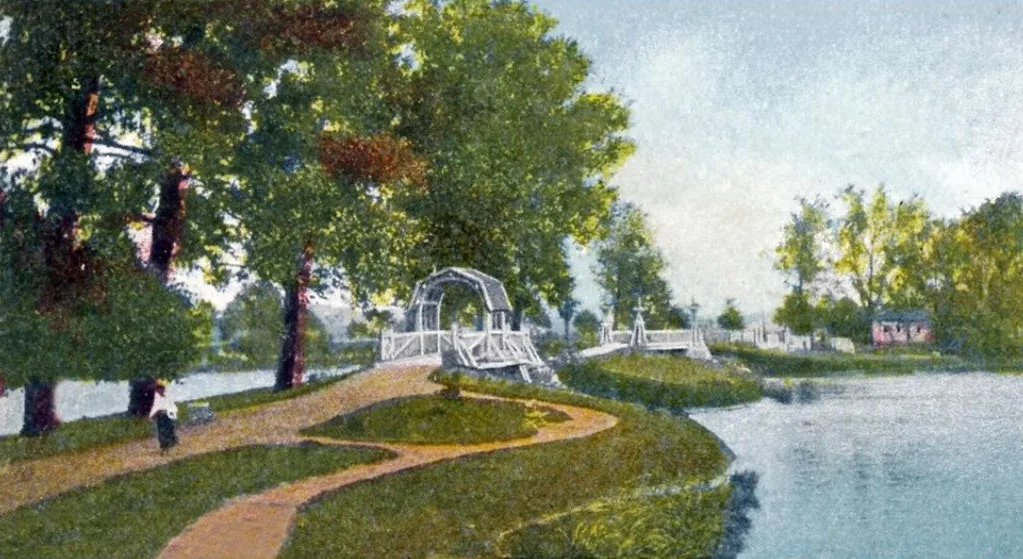
Of course, the first alleys appeared very long ago, back in Egypt and the Middle East. They became especially widespread in Renaissance Italy. Alleys adorned gardens and parks; approach avenues led to the main entrance of the owner's house – the castle.
Later, trees began to be planted along all the roads that connected settlements with the mill, the church and other places important to the inhabitants.
There are different views on why alleys came about, including here, in the lands of East Prussia. Some researchers believe that the planted trees helped travellers find their way, especially in bad weather and after dark. At road forks, mighty specimens, often oaks, were planted for the same purpose.
It is also said that the rows of trees helped people shelter from the scorching sun, from rain and snow and from gusts of wind, making a long journey more comfortable.
Others point to the economic value of the roadside trees themselves: acorns, chestnuts and fruit were used by the local people. Interestingly, mulberries were also planted along the roads. By order of Frederick the Great, who wanted to free the country from dependence on imported silk, more than a million mulberry trees were planted.
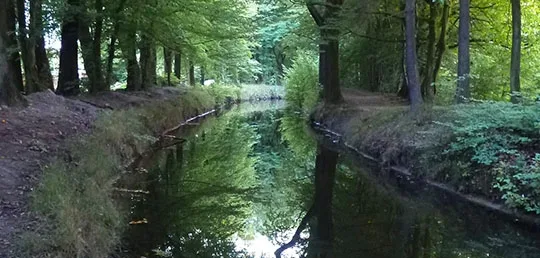
Much of our region is waterlogged and needs land drainage. And a drainage system was created many years ago. A complex one, including open canals and closed drains, it extended even to areas below sea level – the remarkable polder lands. Along the roads, the drainage function was also performed by plantings of specially selected tree species. The common ash is called a living pump – so much water does this huge tree with its raised crown "drink".
The mass planting of roadside trees in East Prussia was linked to royal decrees, including those of 1731 and 1797. The decrees not only ordered trees to be planted (above all willows and limes) but also required existing ones to be preserved. Damaging green plantings was punishable by forced labour. Frederick William I is considered the first Prussian ruler to concern himself with roads and the planting along them. But it was under Frederick the Great that the creation and protection of roadside alleys became a true priority.
Today you often hear alleys called green corridors or even green tunnels, so closely do the branches of the trees meet.
Perhaps such alleys ought to be on the list of must-see sights for visitors to the region, along with the coast, the spits and the castles. This distinctive beauty is the calling card of the Kaliningrad Region.
On old maps or modern satellite images the alleys can also be made out – like green beads strung on threads running through the land.
Cycling along the green corridors of the alleys in the summer heat is a special pleasure. This is no accident, for a tree works as a natural air conditioner, evaporating moisture and lowering the temperature around it. We also know that roadside trees help clean the air of pollutants and enrich it with oxygen. Alleys are known to be home to a large number of species – birds nesting in tree hollows, bats, insects, including rare ones such as the hermit beetle. Their natural ecological role is beyond dispute. But it is also important to understand the historical and cultural significance of the roadside alleys of the Kaliningrad Region. They are our heritage, part of a unique cultural landscape, our – I will not shy away from a lofty expression – treasure.
Translated from Russian with the help of AI (Claude, Anthropic), October 2026.