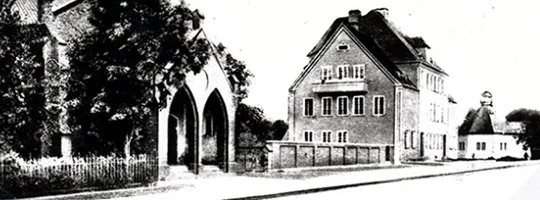
Gumbinnen was formerly called Bisserkeim. In 1545, on the orders of Duke Albrecht, a half-timbered church was built in the village of Bisserkeim. In 1642 the village consisted of only a few farmsteads of the Lithuanian type.
In 1710 many settlers came to Gumbinnen from Reformed Switzerland, and in 1712 from Nassau and Magdeburg. According to Adolf Boetticher, Gumbinnen was declared a town on 6 April 1722 and received its town charter on 25 May 1724. According to other sources, it was declared a town in 1727. In 1732 settlers from Protestant Salzburg arrived in the town.
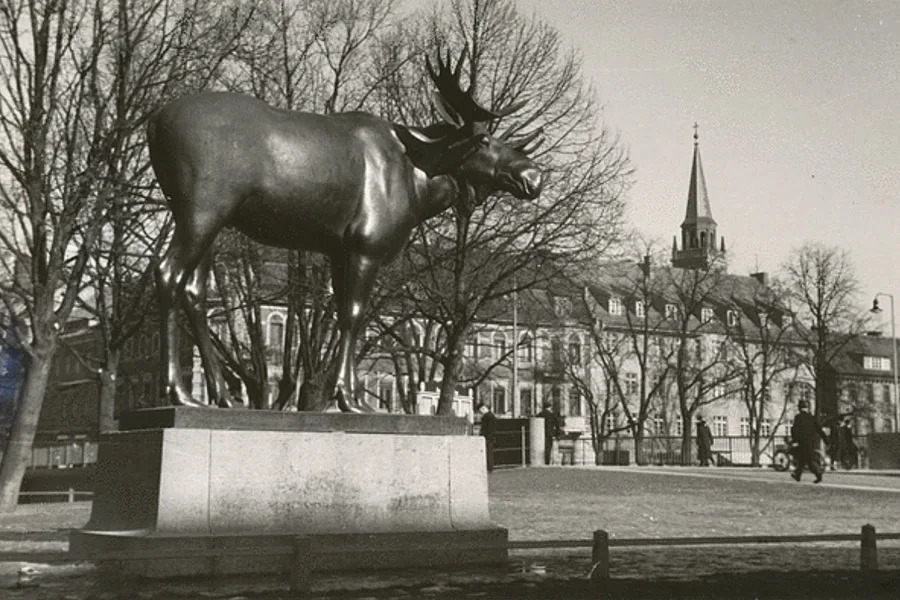
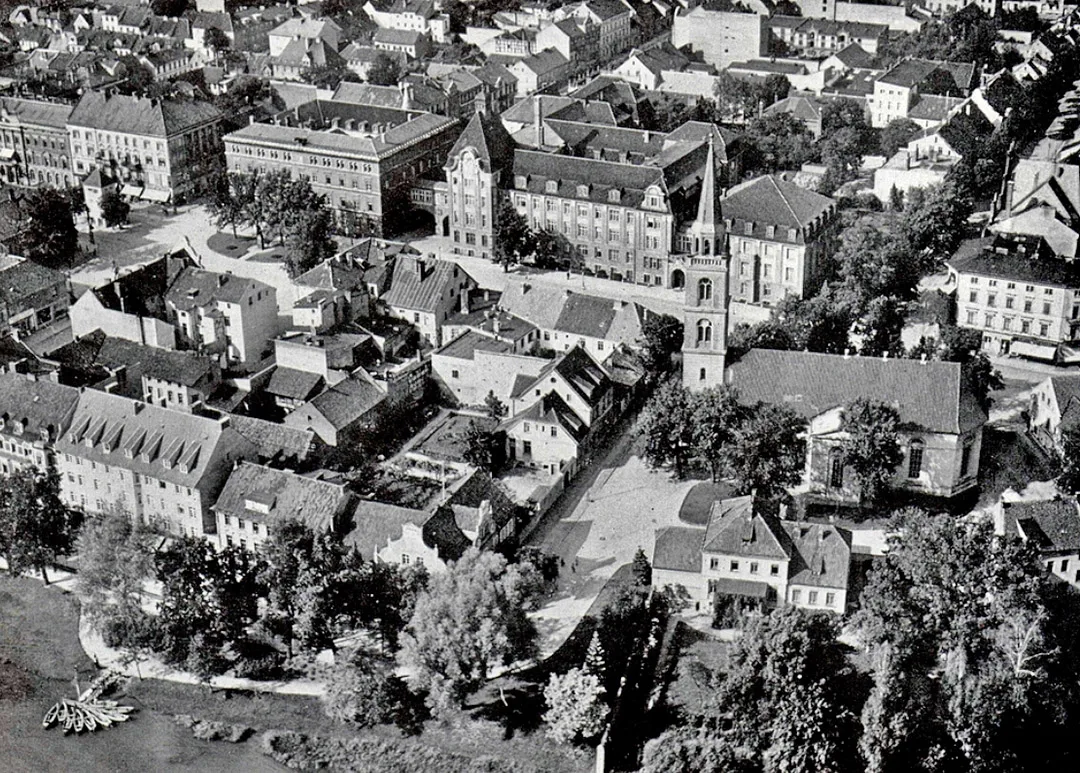
The Altstadt Church was built in 1720 on the orders of Frederick William I. In 1810–11 it was skilfully raised and enlarged by two aisles. It was executed in the Classical style and given one of its two gables and porches on the sides.
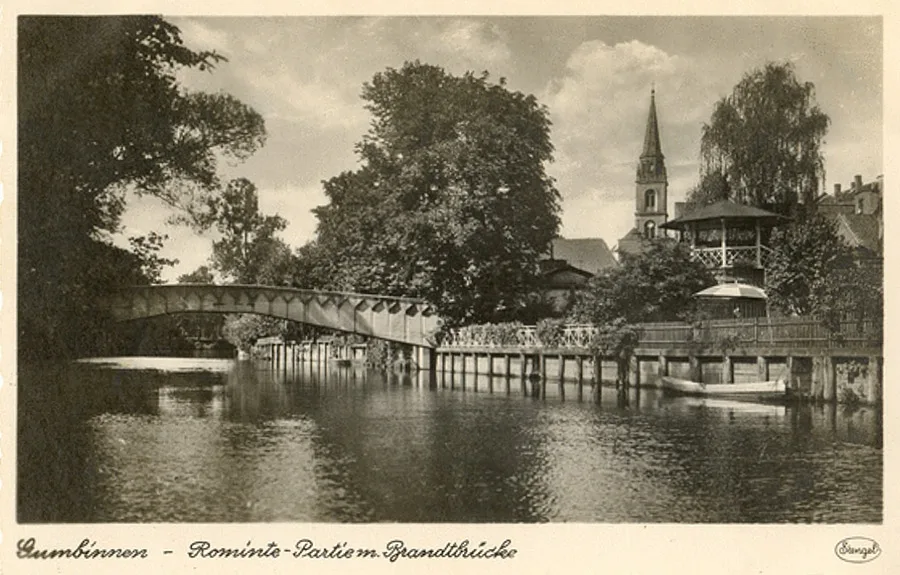
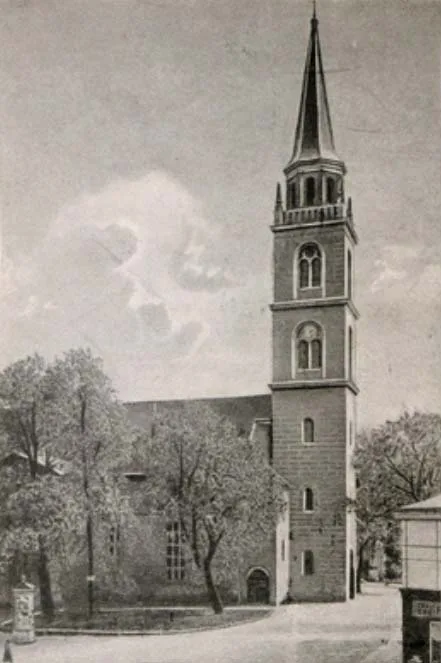

The church was built of brick and rendered. The tower was built in 1875–77, with round-arched windows; its upper storey was octagonal. The church windows were round-arched, and wooden columns divided the interior into three aisles of five bays each. The vaults were groin vaults. The side aisles originally had flat ceilings. The external dimensions, including the tower, were 43 x 15.8 m. The altar and pulpit were combined. The church had an organ and two bells dated 1749 and 1788.
According to a local historian, the Altstadt Church was destroyed in October 1944 during an air raid; after 1945 its ruins were demolished.
Photos: Bildarchiv Ostpreußen, bildarchiv-ostpreussen.de.
Translated from Russian with the help of AI (Claude, Anthropic), October 2026.