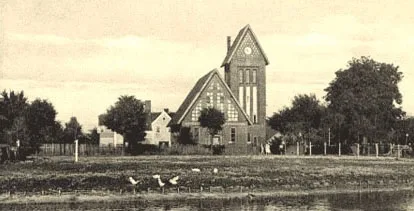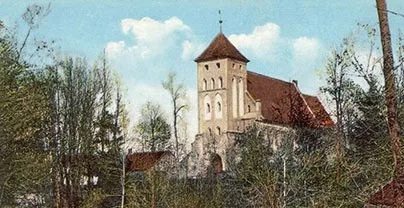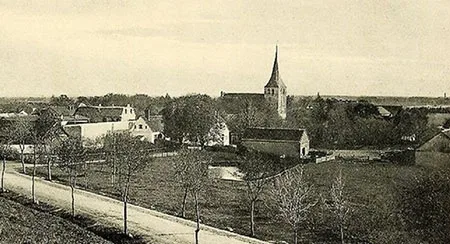
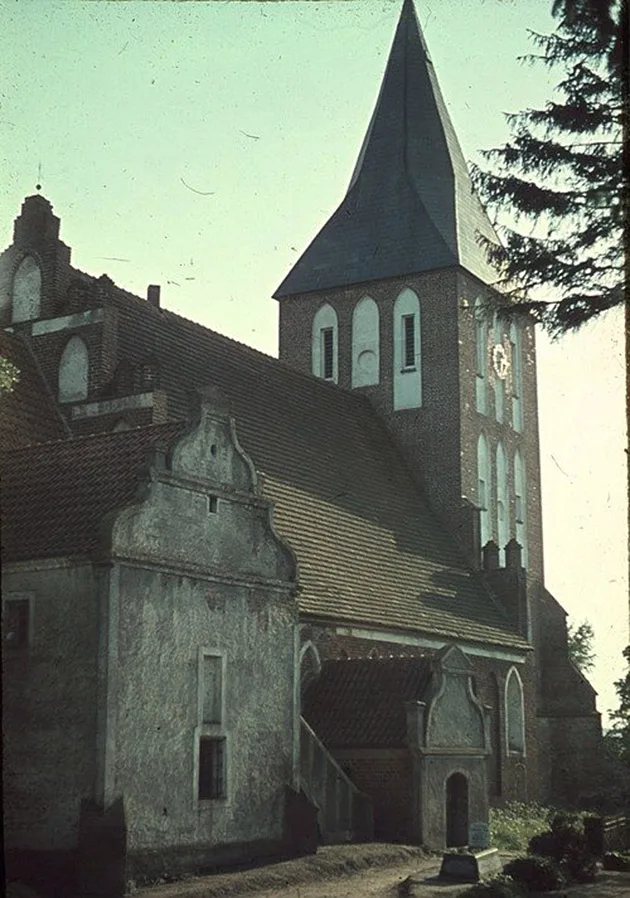
Thanks to the distinctive architecture of its chancel and its expressive decoration, this brick building, with an elongated chancel ending in a semicircle and a tower on the west side, is a significant monument of medieval architecture in the region.
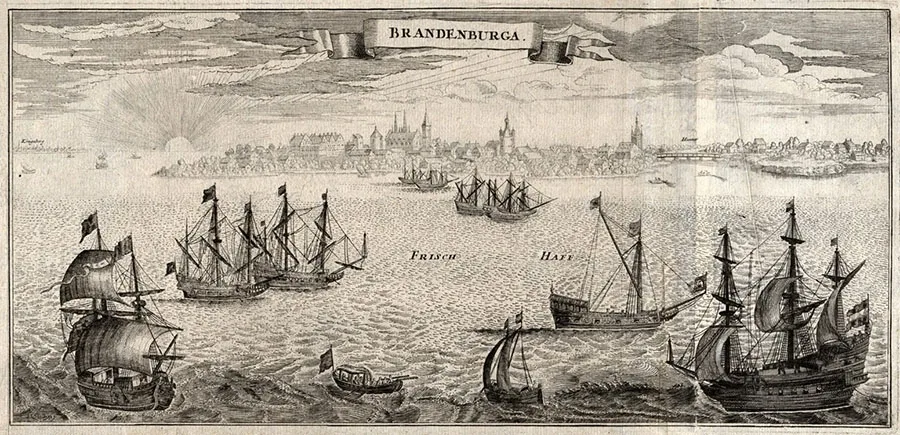
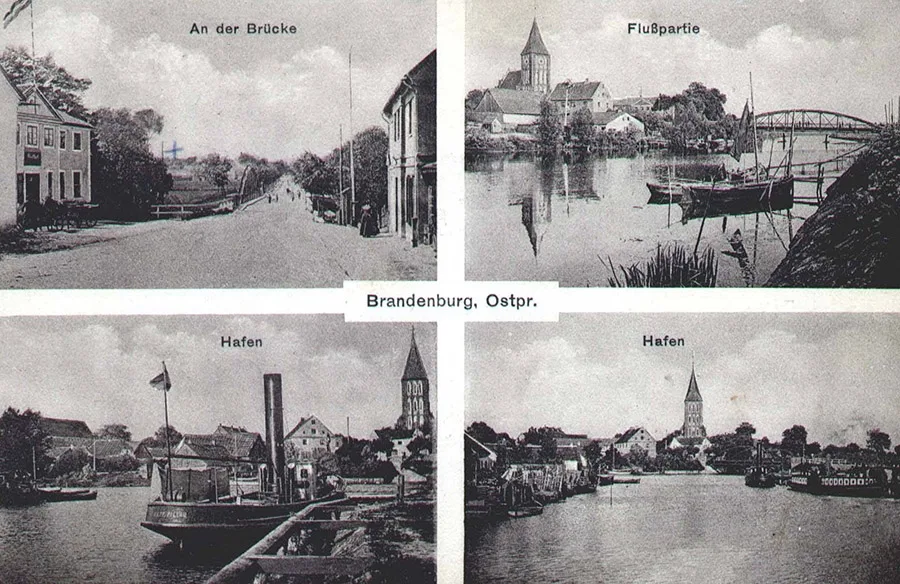
The oldest part of the chancel (1320–1340) stands on a high boulder plinth with a niche. The nave was built in 1340–1370. On the west side, a mighty tower of 1648. Above the entrance to the tower, a slab with an inscription. Inside it is very simple. Altar of 1680. Organ from the early 18th century. Two bells.
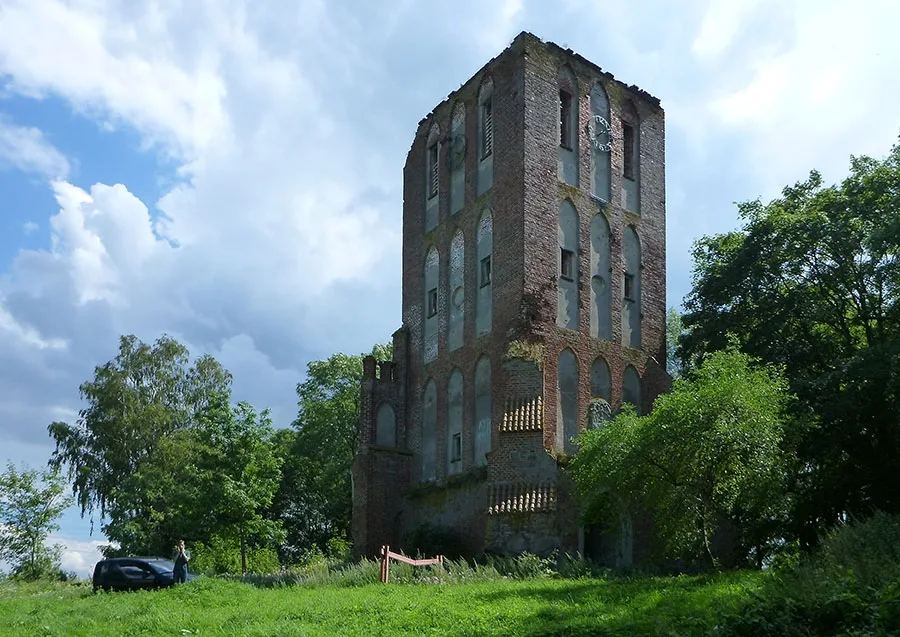
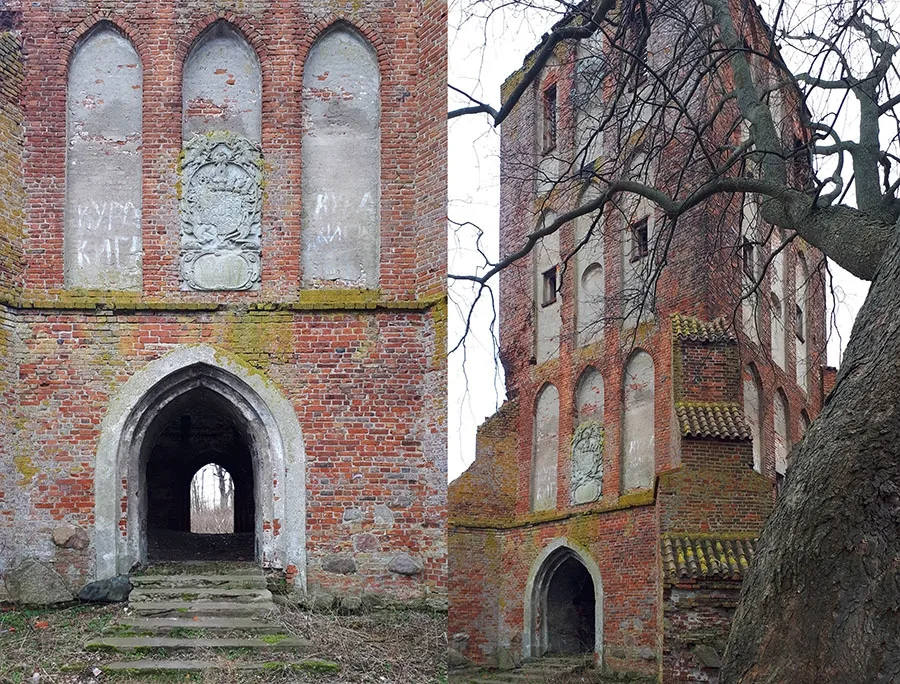
The church was damaged during the fighting. Today the south and north walls are practically gone. The eastern part of the chancel survives, with buttresses up to three metres high. The tower has no roof and two massive buttresses; above the beautiful pointed-arch entrance to the tower there is a slab with an intricate bas-relief of the Brandenburg coat of arms. The old cemetery has not survived. In 2003 archaeological excavations were carried out by the walls of the church, and in 2020 a volunteer clean-up day.
Translated from Russian with the help of AI (Claude, Anthropic), October 2026.