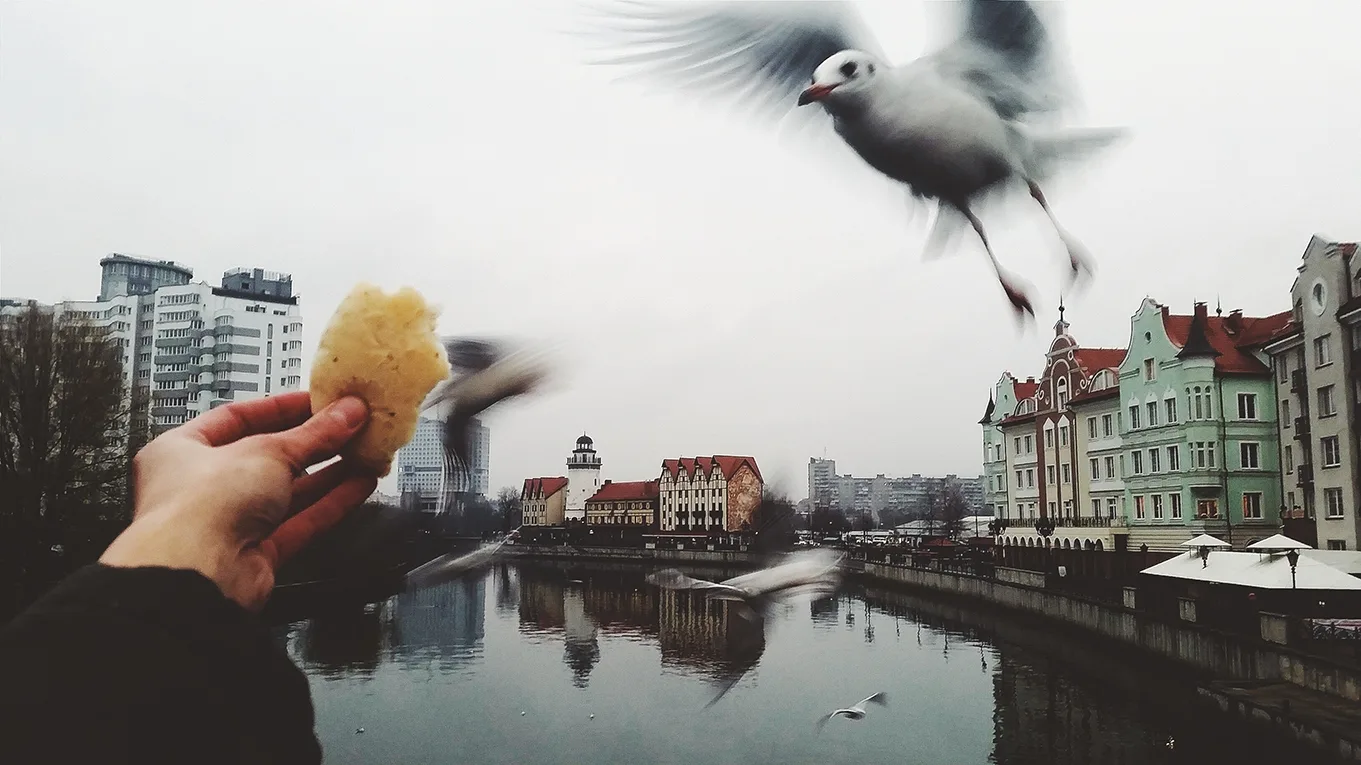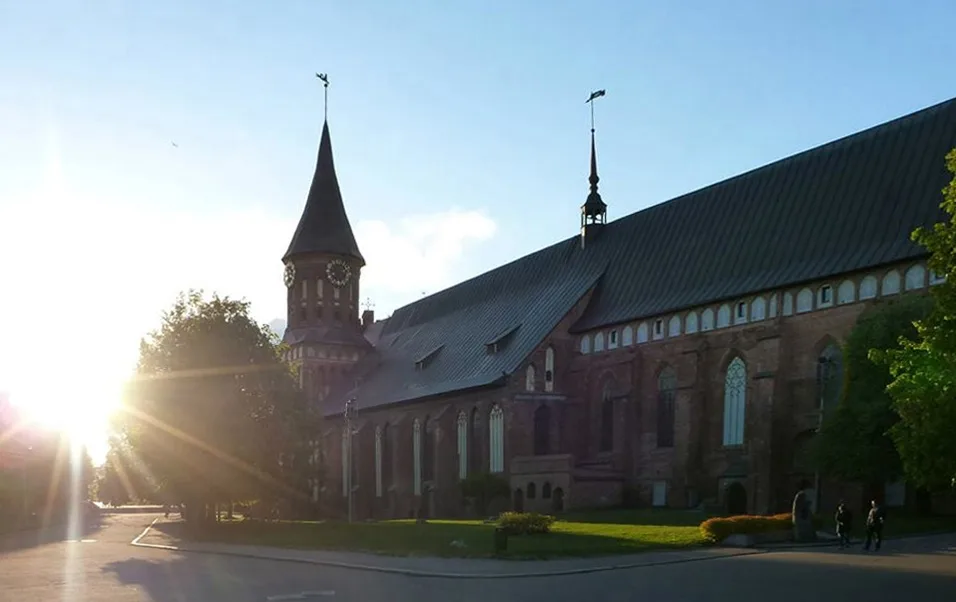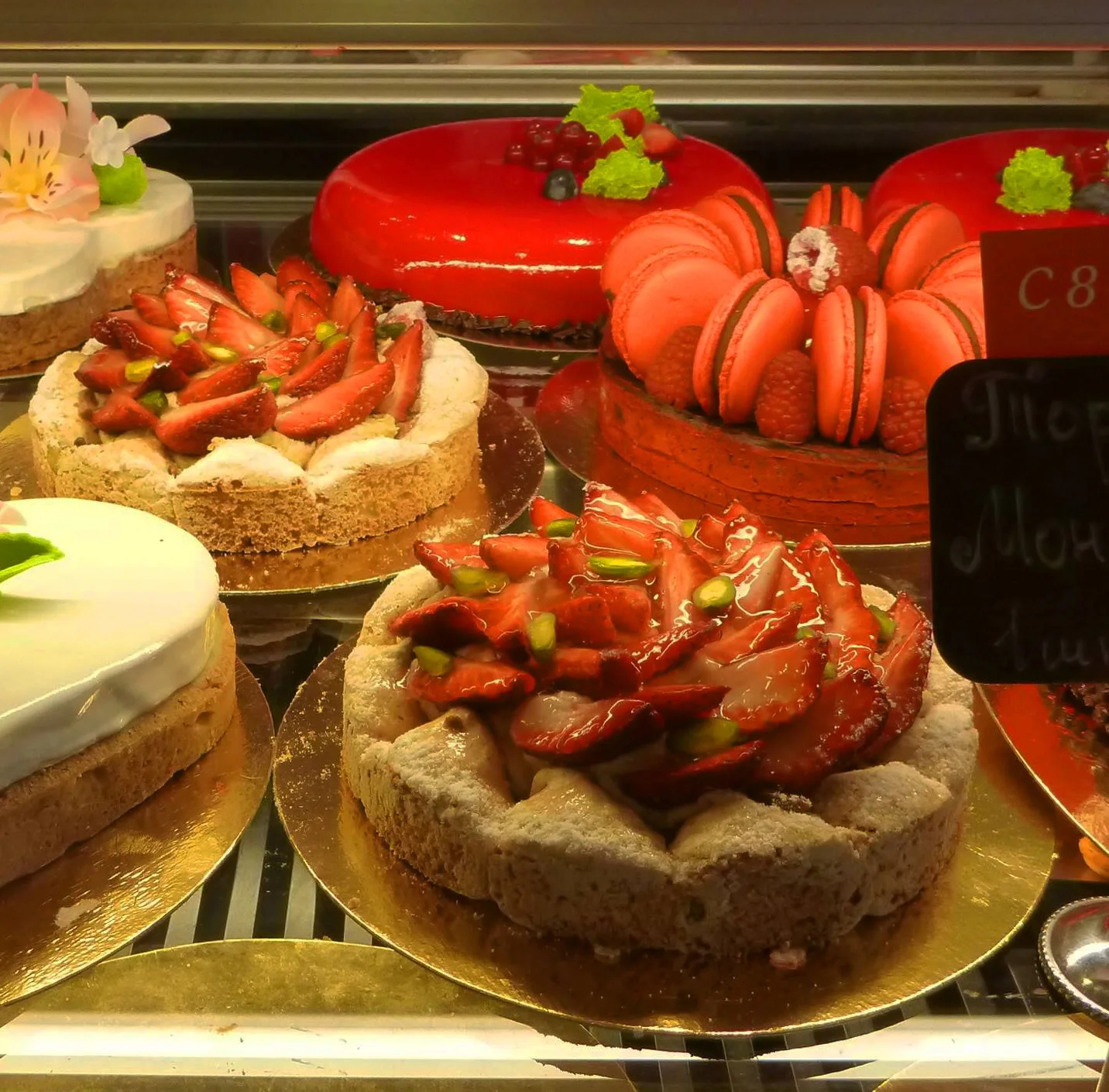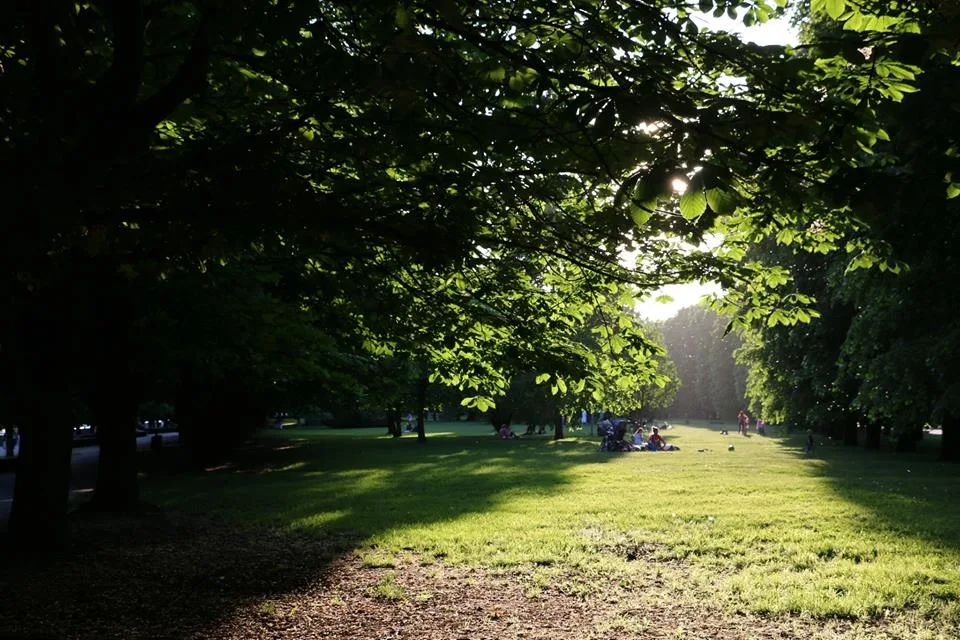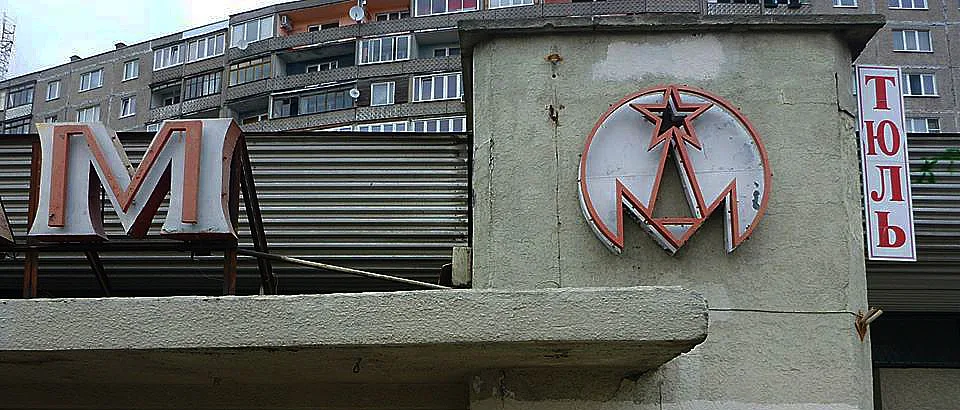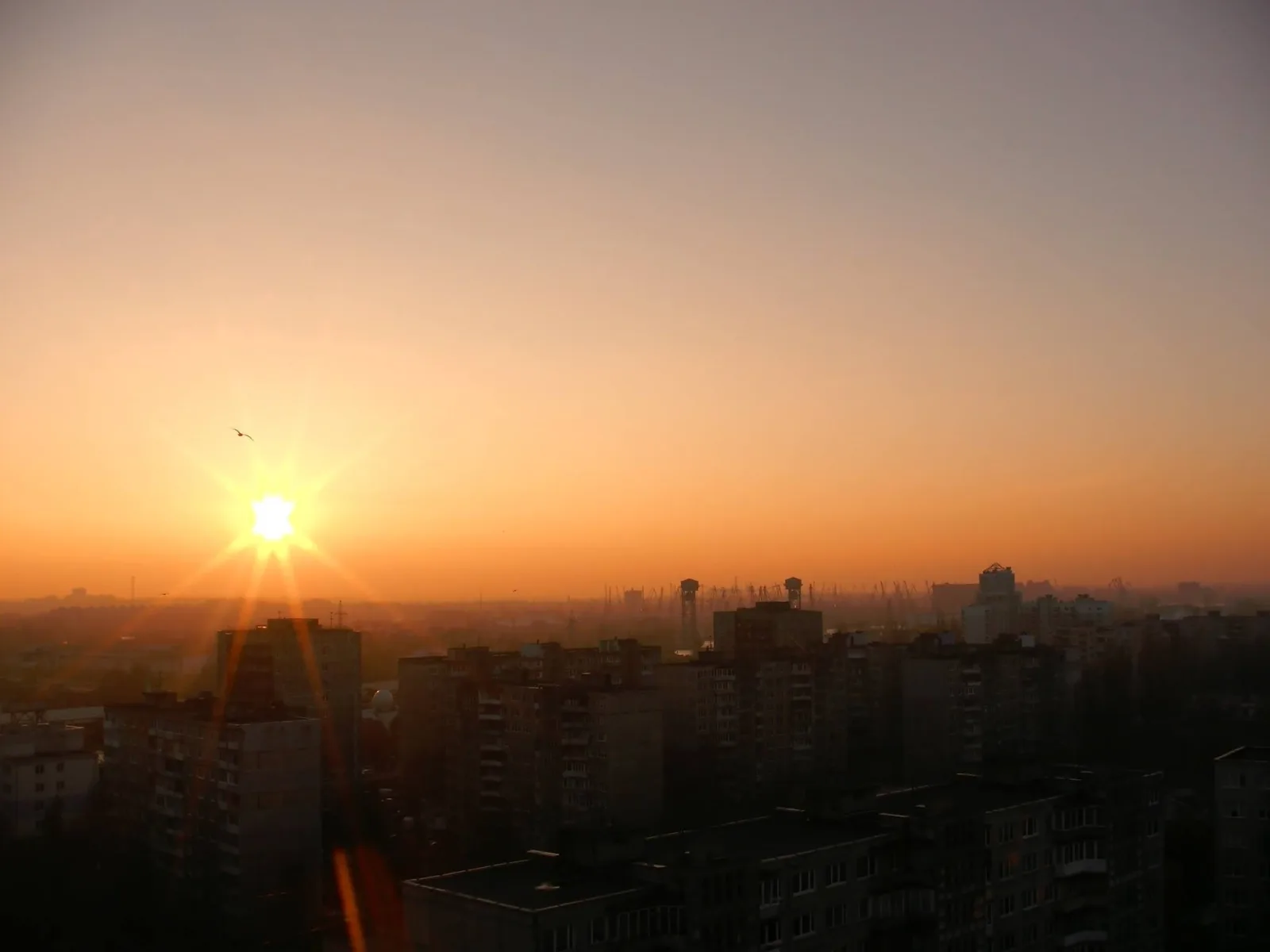
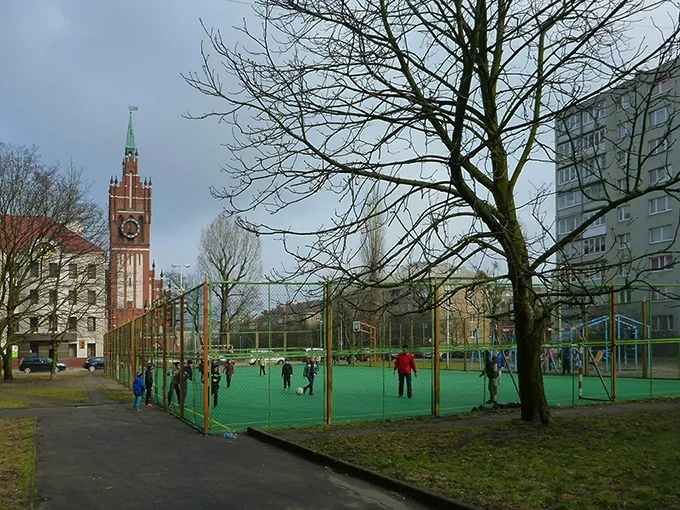
Some picture it as German down to the last cobblestone, while others are sure that nothing of the former splendour of long-forgotten Königsberg has survived. There are also those who think the city is still closed and that getting there is quite a problem not only for visitors from other countries but even for Russian citizens. And then there are those who firmly believe that being next door to Europe makes Kaliningrad not just a special city, squeezed on all sides by other countries, but one that lives by some laws of its own. When voicing their guesses, they like to add: "Haven't you broken away yet into the Republic of Kaliningradia?" And, tellingly, it is precisely those who have never set foot in Kaliningrad who most enjoy holding forth about "secession". Alas, for obvious reasons we did not dare publish passages of that kind. To find out what our beloved exclave looks like from the outside, we asked our interviewees a simple question: "How do you imagine Kaliningrad?" We also asked them not to peek at Wikipedia and not to be shy about writing (for the sake of a clean experiment!) whatever came into their heads.
Sokurov's "Faust" would suit Kaliningrad better
Aleksandr Akulinichev,
journalist (Volgograd, Russia)
My knowledge of this city basically comes down to two surnames: Kant and Euler. However, as a resident of Volgograd, a city not associated with a single name of even remotely comparable stature, I feel a healthy envy of Kaliningraders, who can visit the great philosopher's grave and walk roughly the same route as the great mathematician (even if they have to cross the same bridge twice – as far as I know, the oldest part of the city has on the whole remained as it was in the 18th century?) When any of my acquaintances talks about Kaliningrad, I imagine a city of beautiful but not overly ornate German architecture – a city that is battered, though, neglected and gloomy in places, rather like Vyborg. Kaliningrad, Vyborg and perhaps Ivangorod are the least Russian towns in Russia – those are my associations. In Kaliningrad you could probably shoot some historical film with suitable period settings if you wanted to – the way "Seventeen Moments of Spring" and "Sherlock Holmes" were filmed in Riga – only, again, in my mind Sokurov's "Faust" would suit Kaliningrad better. History in this city, contrary to the metaphor, is not frozen or set in stone but alive and tormented – and perhaps all the more attractive for it. There is a fear that over time less and less of that history remains and Kaliningrad is becoming more and more like hundreds of other Russian cities – which means it is worth visiting before everything not yet lost is lost. I have also heard about the Curonian Spit – they say it is exceptionally beautiful – and about the abundance of amber goods, but these attractions will not, I think, overshadow the invisible traces of the two great townsmen.
I think you could even go to this city on holiday
Anastasiya Gilmor,
photographer (Perm, Russia)
I imagine Kaliningrad as cosy and sunny, with loads of interesting sights. Surely you can find a lovely place there for quiet walks. I think the city holds many historical riddles and secrets. I think you could even go there on holiday, since I know it is far away from our harsh Urals. Joking aside, it is close to Europe, and most likely you can already sense its unique spirit there.
Kaliningrad arouses far more interest than many other Russian cities
Aleksandr Meleshenko,
journalist (Moscow, Russia)
I have never been to Kaliningrad, but I still have more of an idea about it than about, say, Bryansk or Arkhangelsk. Those I could probably only find on a map. Whereas Kaliningrad is, first and foremost, an enclave (exclave – ed.). Hence two overlapping judgements. On the one hand, it is a city with a German history and the architecture to match. It ought to be beautiful, even majestic and cosy. On the other hand, the harsh Soviet and Russian reality could not fail to leave its mark, so the surviving architectural monuments no doubt stand side by side with dreary five-storey prefab blocks, roads full of potholes in places and poor upkeep. The same, by the way, comes to mind about the whole Kaliningrad Region. Another association is closeness to Europe. Kaliningraders probably visit the Baltic states and Poland far more often than their compatriots from other regions. That's about it, I suppose. The words "Kant" and "Curonian Spit" also come to mind, but I could only connect them with the city without risking embarrassment with the help of Wikipedia. Incidentally, I personally would like to visit Kaliningrad; it arouses far more interest than many other Russian cities.
Socialist realism doesn't really suit anyone
Oleg Vladimirov,
journalist (Minsk, Belarus)
Kaliningrad was once the Prussian hillfort of Twangste (I think that's right), then the Teutonic Knights came and it became Königsberg. Kirche, Küche, Kant. Then came the war, the old city was razed to the ground (almost) and Kaliningrad appeared. Socialist realism doesn't really suit anyone, but the remnants of former splendour plus the desire to become real Europe work wonders. Now, I think, Kaliningrad is at the very least interesting. And Grishkovets lives there too.
Maybe there are still many foreigners in Kaliningrad to this day
Venera Gimadieva,
soloist of the Bolshoi Theatre opera company (Moscow, Russia)
I know very little about Kaliningrad. Practically nothing, you could say. I know that it used to be Königsberg (my grandmother's sister, who was sent to work there after the war, told me about it) and that Germans used to live there (maybe there are still many foreigners there to this day). That is why I imagine the city as a synthesis of the Russian and the European. I picture Kaliningrad with old German-style houses and cobblestones in quiet little streets. There is probably also architecture inspired by the Soviet era. The city seems to me very fresh and bright, with lots of parks and public gardens and probably with fairly developed industry.
I think the city resembles a fortress
Alyona Malinka,
translator, lecturer at St Petersburg State University (St Petersburg, Russia)
To be honest, to my shame I have heard and read very little about Kaliningrad, so I will write only my associations. I see Kaliningrad as a not very large city with paved streets and European architecture, but neglected in the Russian way, with crumbling plaster. I also imagine it full of big, green, spreading trees and half-wild parks. As for associations, for some reason the first thing that comes to mind is a colour. Red, the colour of brick. And grey, the colour of stone. And also the smell of stone and trees. In general I think the city looks more like a fortress – it had to protect itself somehow from its neighbours, good and bad. Then and now.
The hope that the city will one day be renamed
Leonid Klein,
philologist, teacher, columnist and radio presenter (Moscow, Russia)
Kant's grave. A Western, German city. Cut off from the mainland. A city that could have been prosperous if it hadn't been for Soviet rule. Fantasies about small, inexpensive, cosy hotels. An open, menacing, dark, real sea. The hope that the city will one day be renamed.
There is much in Kaliningrad that is fairy-tale-like and architecturally unfamiliar
Anna Bogdevich,
journalist (Surgut, Russia)
Of course, it is hard to imagine a city you know absolutely nothing about. For some reason it seems to me to resemble the Baltic states. That is, I am almost convinced that there is a great deal in it that is fairy-tale-like and architecturally unfamiliar to the eye of the ordinary Russian. Like in Riga, for example. In general, Russian cities tend to have an eclectic urban space, but it is one thing when, for example, the village of Surgut went through periods of standardised Soviet housing and then the financial prosperity of the 2000s. And it is quite another with Kaliningrad, which is hard to turn into a standard Russian city because it was once Königsberg. But the main difference between this city and all other Russian cities, I think, lies in its people. Kaliningraders, it seems to me, are more European than Russian. Even though, judging by the news from your region, they plunge headlong into Russian reality every day.
A city with a pronounced culture of good upbringing
Aleksey Fomin,
director of the Udmurt State Philharmonic (Izhevsk, Russia)
I know very little about Kaliningrad, so if I'm honest and don't look up information about the city on the Internet, I can come up with associations for just a few sentences. I think it is a city with a pronounced culture of good upbringing. A city with European architecture whose loftiness makes the little man tremble.
German neighbourhoods with pointed-roofed houses have survived
Vadim Demidov,
writer, poet, musician and journalist (Nizhny Novgorod, Russia)
I suppose everything I know about Kaliningrad comes from the blog of Yevgeny Grishkovets, which I used to read regularly three or four years ago. That you sometimes get hurricanes, that September is wonderfully warm, that swans fly about, that the city on the whole is bright and cheerful. Then there's the port – which means the sea, beaches. On my own account I imagine that you still have German neighbourhoods with little houses with pointed roofs, some of them even with spires. And that it's great to stroll there in the evenings.
Here you can meet slow and level-headed Balts, pedantic Germans and free-spirited, devil-may-care Russians
Svetlana Daruda,
environmental engineer (Khust, Ukraine)
I know about Kaliningrad only thanks to history and geography lessons at school. The city is the district centre of one of Russia's regions, which lies apart from all the country's other regions, surrounded on all sides by Lithuania and Poland. It is definitely an international city where you will meet slow and level-headed Balts (Lithuanians, Latvians, Estonians), pedantic Germans and free-spirited, devil-may-care Russians. And in terms of associations, Kaliningrad is large, industrial, maritime, historically interesting, rich, proud and independent.
They tore down the red curtains in the local church to sew skirts for themselves
Aleksandr Dyomchenko,
playwright, journalist (Kursk, Russia)
I imagine Kaliningrad as a European-type city. It is a beautiful city with unique architecture which seems foreign to me – it is Europe, after all. For some reason I also remembered the Great Patriotic War and a story by a woman veteran about how they tore down the red curtains or something like that in the local church to sew skirts for themselves afterwards.
The rounded towers of castles and the sharp angles of houses with "veins" of timber beams

Boris Yegorov,
producer of BalconyTV Kostroma (Kostroma, Russia)
If I try to imagine what Kaliningrad might look like, I would go by memories of cities I have and haven't been to. For me Kaliningrad most likely resembles any large city of the Baltic zone. I recall the colour "stereo slides" my father brought back from Riga as a souvenir in the early 80s (our family wasn't into photography, so we had no camera at home). From personal experience I have only a trip to Denmark in the late 90s, so Copenhagen's closeness to the water adds to the associations too. Wide streets, narrow streets. Cobblestones. Modern architecture in the new districts and "old Europe". The rounded towers of castles, the straight lines and sharp angles of houses with "veins" of timber beams. A colour palette of darkened red brick, yellowish whitewash and green avenues.
The photographs used in this publication come from the personal archives of the survey participants.
Translated from Russian with the help of AI (Claude, Anthropic), October 2026.