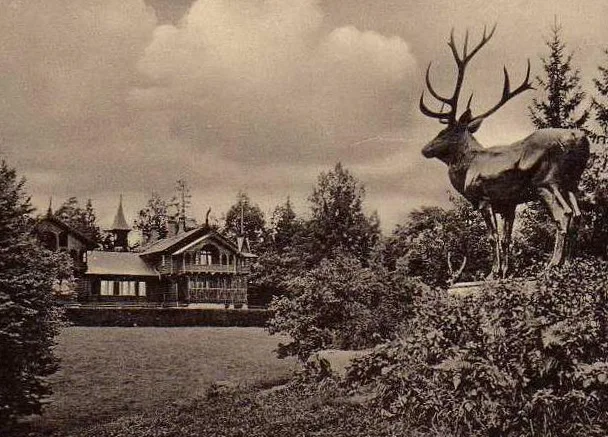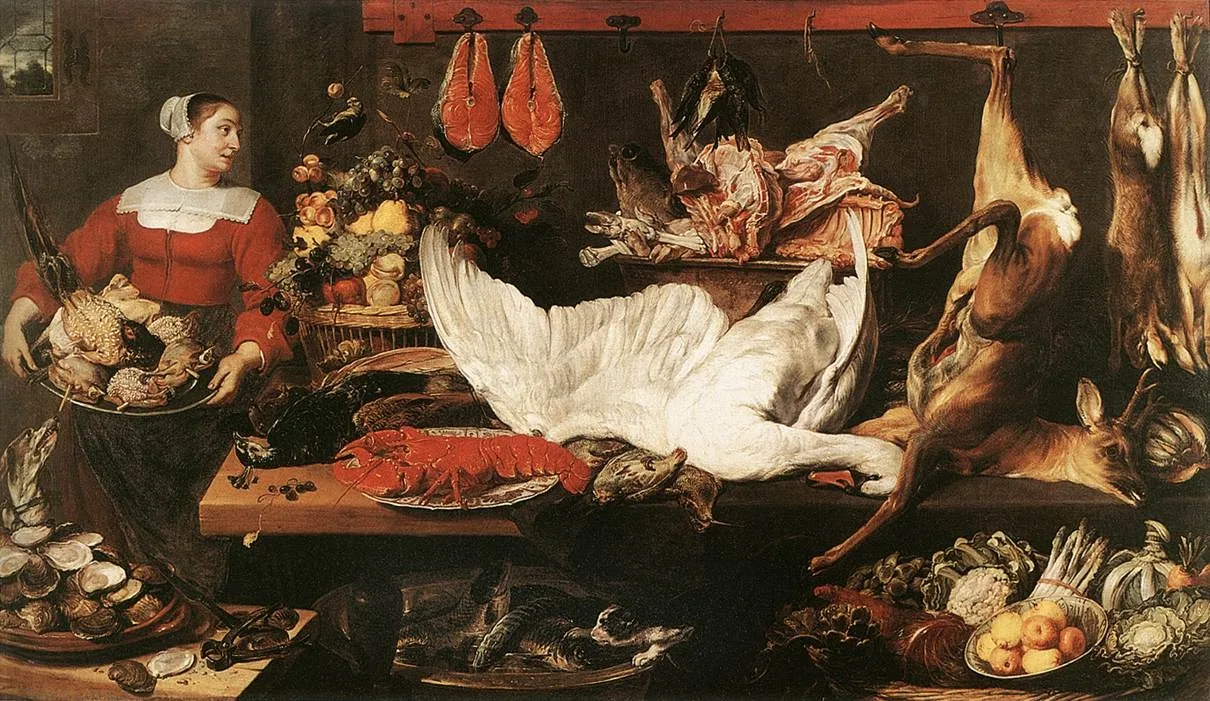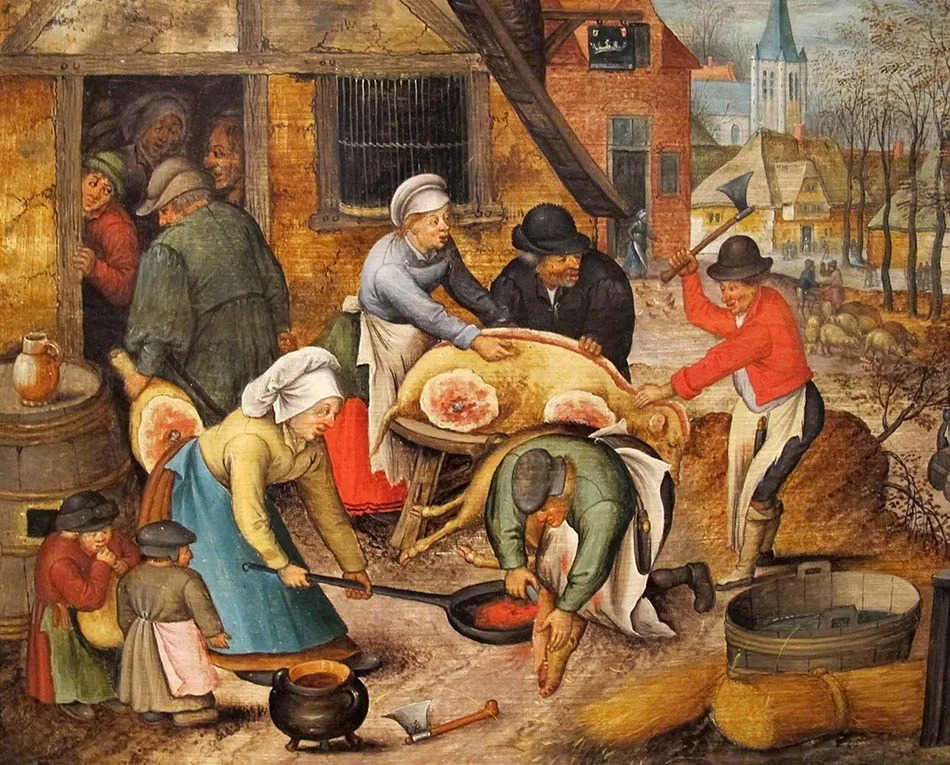

One historical fact, for instance, is well known: between 1612 and 1618 Elector John Sigismund alone bagged 128 elk, 4,935 deer, 4,008 wild boar, 52 bears and 15 European bison. Persons of high rank were distinguished by a hearty appetite. Ordinary people were far more modest in their wishes and their means. They did not kill animals for fun or for the thrill of it.
But natural riches are not boundless. Forests were felled, land was gradually settled, marshes were drained… Naturally, the animal world of East Prussia gradually lost some of its members as well. First the aurochs disappeared, at the end of the 15th century; then, in the mid-18th, the bison, which were ruthlessly exterminated and captured – who would have thought it – for the royal and imperial courts of England and Russia. These large and naive animals (which, incidentally, poachers "took" in winter right by the feeding racks) were used for hunts with hounds in Königsberg. And here is another fact: the last bison in East Prussia was killed by two peasants in 1756 near the present-day village of Talpaki (now very well known for its local chebureki café), for which they were sentenced to 10 years' confinement in a fortress. That was how the authorities dealt with poachers.
Brown bears held out a little beyond the 18th century. Nevertheless, the forests of East Prussia were still full of game, including feathered game. Even at the end of the 19th century people were busily hunting not only elk, red deer, fallow deer, roe deer, wild boar, hare, hazel grouse and grey partridge, but also wild rabbit, fox, badger, otter, marten, polecat, stoat, black grouse, pheasant, woodcock, snipe, geese, ducks, thrushes and herons.
The natural conditions and the abundance of game in the forests also shaped traditional East Prussian cuisine.
Handwritten family cookbooks have preserved recipes for dishes that can be prepared without much difficulty even today. Of course, they are unlikely to have that genuine East Prussian taste and aroma. The main thing (where possible, of course) is to avoid deep-frozen meat.
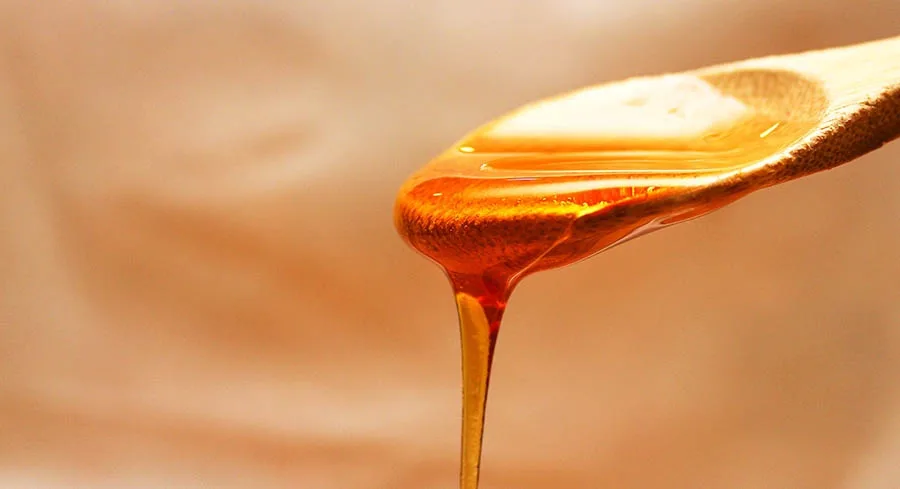
Roe Deer Chops in Honey Sauce
8 chops, 1 tbsp black peppercorns, 1 tsp juniper berries, 1 tsp grated lemon zest, 1 tsp grated orange zest, 1 onion, 250 g chanterelles, clarified butter (as needed), 100 g dark grapes, 3/8 l roe deer stock, 4 tbsp honey, 2 tbsp fruit vinegar, 40 ml raspberry spirit, salt and ground black pepper to taste, ½ bunch parsley, ½ bunch chives.
Wash and dry the roe deer chops. Crush the peppercorns and juniper berries and mix them with the grated lemon and orange zest. Rub the chops generously with this spice mixture and leave overnight.
Finely chop the onion. Clean the chanterelles, wash and chop finely. Melt the clarified butter in a frying pan and brown the chops on both sides (2 minutes per side). Then transfer them to a dish and keep warm.
Fry the onion in the fat left from the chops until translucent, add the chanterelles and grapes and let them steam briefly. Pour in the stock, seasoning it with honey, fruit vinegar, raspberry spirit, salt and pepper.
Before serving, pour the honey sauce over the chops and sprinkle with chopped parsley and chives.
Red Deer Ragout with Mushrooms
1 kg red deer meat, 200 g white button mushrooms, 40 g fat, 20 g butter, 1 tsp tomato paste, salt and ground white pepper to taste.
For the marinade: 200 g onions, 120 g carrots, 50 g celeriac, 1 l red wine, 8 black peppercorns, 6 juniper berries, 2 cloves, 2 sprigs thyme, 1–2 cloves garlic, 1 bay leaf.
Coarsely chop the carrots, celeriac and onion and put them in a pot with the marinade ingredients; add the meat, cut into pieces, mix thoroughly and refrigerate for 12 hours. Then take out the meat and strain the marinade. Do not pour it away!
Rolled Shoulder of Roe Deer with Porcini
(From Otto Düring's cookbook, 1906)
Bone the shoulders of roe deer, lay them inside up and rub with salt, pepper and ground juniper berries. Make a forcemeat from the remaining roe deer meat with the addition of fatty pork. Beat the shoulders well, spread a thin layer of forcemeat over them, and top with a few thin slices of bacon, pickled cucumber and a couple of slices of onion. Roll up the shoulders and tie them with string. In a sauté pan fry finely chopped carrot, celery, leek and onion, add the rolls and braise with pepper and salt until done.
For the side dish, slice the porcini thinly. Brown chopped onion and mix with the mushrooms. Salt and stew in their own juices. Then add flour browned in butter and sprinkle parsley on top.
Roe Deer in Sour Cream
1.5 kg roe deer (preferably the rump), 1 l buttermilk, 1 onion, 2 cloves, a small bay leaf, 5 allspice berries, juniper berries — to taste, 125 g fatty smoked bacon, 100 g butter, ¼ l sour cream, a little red wine, 1 tbsp starch, 1 tsp salt.
Cover the meat with a marinade of buttermilk, a teaspoon of salt, the onion, cloves and bay leaf. Put in a cool place. After 2–3 days take the meat out of the marinade, dry it, rub with salt and ground juniper berries, cover with slices of bacon and season with pepper. Melt 2 tbsp butter in a roasting tin, line it with thin slices of bacon, lay the rump on top, outer side down, and put into a hot oven for an hour and a half to two hours. Turn the meat from time to time and baste with melted butter, and 10 minutes before it is done, with sour cream. Switch off the oven, pour off the sauce and leave the meat in the switched-off oven for another 10 minutes.
Add starch mixed with cold water, red wine, sugar and salt to the sauce.
Elk in Cream with Assorted Fruit
Cut a rump of elk into portions, cover with buttermilk and soak for 3 days. Then lard with pork fat (or fatty bacon) and roast until a crust forms. After an hour — an hour and a half, take the rump out of the oven and keep warm. Make a thick sauce from the caramelised juices (liquid) left after roasting by adding whipped cream and wheat flour.
This dish was served with a garnish of warm fruit: cherries, apples or pears blanched in sweetened water.
Elk can also be served with vegetables.
Rominten Hunter's Game Bake
500 g cooked roast game, 3 onions, 750 g boiled potatoes, lard, salt and ground black pepper to taste, 125 g bacon or smoked streaky bacon (sliced), 500 g cooked sauerkraut, ¼ l sour cream, 60 g butter, 80 g grated cheese.
Finely chop the meat and onions. Slice the potatoes into rounds and fry them together with the onions in plenty of lard. Season with salt and pepper.
Line a baking dish with the bacon, then layer the potatoes and onions, the meat and the sauerkraut, finishing with another layer of potatoes and onions. Spread with sour cream and sprinkle with grated cheese and dots of butter. Bake for 30 minutes in an oven preheated to 180 degrees.
Rominten Hunter's Pâté
600 g roast roe deer, 250 g raw hare or roe deer meat, 250 g raw pork, 375 g fatty smoked bacon, 8 shallots, ⅛ l Madeira, 50 g truffles or button mushrooms, 4 tbsp butter, ground black pepper and thyme to taste, breadcrumbs.
Cut the roast roe deer into small pieces and pour the Madeira over them. Put the rest of the meat through the mincer together with the bacon. Lightly fry the finely chopped shallots in butter and add them to the forcemeat along with the finely chopped mushrooms. Mix the marinated pieces of roast meat with the forcemeat, season with salt to taste and add the spices. Grease a pudding mould, dust it with breadcrumbs and pack the forcemeat in tightly, laying strips of bacon on top. Close the mould and place it in a water bath for 60 - 70 minutes (the mould should be ¾ submerged). When the cooking time is up, pour off the fat, turn out the pâté and slice it.
Hot, the pâté was served with vegetables or boiled potatoes; cold — with toast and butter.
Roast Wild Boar
1 - 1.5 kg wild boar (preferably shoulder or rump), 1 l buttermilk (or a marinade of ¼ l wine vinegar, ¼ l water, ¼ l red wine, 1 tsp salt, 1 onion), ground black pepper, thyme, juniper berries — all to taste, , 100 g butter, 2 tbsp starch, a little red wine, ⅛ l cream, 35 g sugar, a pinch of cinnamon, ground allspice
Marinate the meat for 2–3 days in buttermilk or in the boiled and cooled marinade, turning it from time to time. When the meat is ready, dry it, rub with salt, pepper, thyme and ground juniper berries, transfer to a pan and roast for an hour and a half to two hours, basting occasionally with hot butter. 30 minutes before the end of roasting, cover the meat with a half-centimetre layer made of 250 g stale grated rye bread mixed with hot butter, 35 g sugar, a pinch of cinnamon, ground allspice and salt. Press down firmly, sprinkle with the fat produced during cooking and dust lightly with sugar.
Carve the meat just before serving. Dilute the remaining fat with stock to 0.5 l, bring to the boil, pour in starch mixed with water, the red wine and cream, and add sugar.
Roast Hare with Braised Sauerkraut
1 jointed hare, 125 g fatty smoked bacon, 150 g butter, ¼ l sour cream, 1 tbsp starch, 6 juniper berries, salt and pepper to taste.
Make a stock from the forelegs, neck and other unattractive pieces (trimmings). Brown both haunches (the upper part of the thigh) on all sides over high heat in butter, then keep them over low heat for another 15 minutes.
Then fry the hare's shoulders the same way. Put the pan with the haunches and shoulders into the oven, cover the meat with slices of bacon and roast for 50 minutes. When the butter in the pan turns brown, add a little stock, and 10 minutes before the meat is done, pour sour cream over it and add the seasoning.
Lay the meat on a serving platter, thin the sauce slightly with stock and bind with starch. Season with salt and pepper to taste. Serve the roast with braised sauerkraut.
Rabbit Ragout
1 jointed wild rabbit, 3 tbsp butter, 1 onion, 4 juniper berries, 1 portion of soup seasoning, 125 g button mushrooms, ground black pepper to taste, red wine, a pinch of sugar.
Marinate the whole rabbit for 2–3 days in vinegar or buttermilk. Then chop it into pieces, brush them lightly with mustard, put them in a sauté pan and brown in butter. After browning, add a little water or stock, the soup seasoning, onion and juniper berries. Season the meat with salt and pepper and braise. Shortly before it is done, add sliced button mushrooms or porcini. Then pour off the sauce, mix it with flour, add seasoning to taste, wine (port or Madeira) and sour cream, also to taste, and return it to the pan.
Wild Duck
1–2 ducks, 6 tbsp butter, 65 g fatty smoked bacon, ¼ l sour cream, 6 juniper berries, 1 tbsp starch, salt to taste.
Rub the duck inside and out with ground juniper berries and salt, lay it breast down on a buttered tray, brown and turn over. Cover the breast with strips of bacon and roast for 70 - 80 minutes. 10 minutes before the end of roasting, pour sour cream over the duck. Pour the juices off the tray and add the starch mixed with water. Place the duck on a warm serving platter, pour a little sauce over it and serve the rest in a sauceboat. This dish was usually served with braised sauerkraut.
The Prussian Queen Louise Auguste Wilhelmine Amalie was especially revered in East Prussia. In 1807 a dish whose recipe had been known since the 18th century was prepared specially in honour of the royal family:
Grey Partridge Soup
Take one mature partridge, a litre of meat stock (what kind of meat is not specified), a few juniper berries, 200 grams of lentils, a small head of cabbage and 500 grams of porcini.
Brown the plucked and washed partridge, then simmer it with the juniper berries in 1 l of salted meat stock. When the partridge is cooked, cut it in half and remove the bones.
Put the lentils, soaked beforehand (overnight), and the finely shredded white cabbage into the strained stock. Simmer the soup for 30 minutes over low heat. Then add the finely chopped mushrooms and cook until done. This dish was served with fried onion rings.
Dishes of feathered game were considered festive, ceremonial fare – and not only in East Prussia but also in Russia, where some thirty kinds of it were counted. The names of the dishes alone are beyond counting: stewed quails, hazel grouse fried in sour cream, partridges, roast black grouse, milk-fed hazel grouse…
Large forest game, on the other hand – bear, venison, elk and especially hare – was eaten in Russian cuisine much less often than feathered game and belonged mainly to the festive tables of the nobility. Russian national methods of cooking large forest game took shape only in the 19th century. Any game was garnished with soaked and salted fruit and wild berries, sour apples (most often Antonovka) fried in butter, lemons and, later, potatoes. Instead of the red wine customary in Western European cuisines, game in Russia was traditionally served with strong lingonberry or cranberry kvass.
Translated from Russian with the help of AI (Claude, Anthropic), October 2026.