If you want to see Europe in Kaliningrad, you will have to look for it. It is there, but the average tourist won't manage to really feel it in ten days. Too many things will throw you off: Khrushchev- and Brezhnev-era blocks will hide the handsome three-storey German houses from you, in search of cobblestones you will have to walk more than one kilometre of asphalt, and the House of Soviets and other buildings on the banks of the Pregolya that are, to put it mildly, far from architectural masterpieces may create a dissonance that spoils your whole impression of the city. And that, perhaps, is far from all. And yet, once you are back home (especially if you live in some town not spoilt by good weather or architectural refinement), you will remember Kaliningrad. Remember it so vividly that you will want to come back, to move here, or simply to tell us about your impressions of the westernmost territory of our vast Russia.
Kaliningrad takes you in its embrace and won't let go
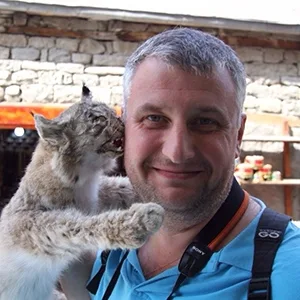
Roman Semishkur, deputy head of the automation production department, Gazprom Pererabotka LLC (Surgut)
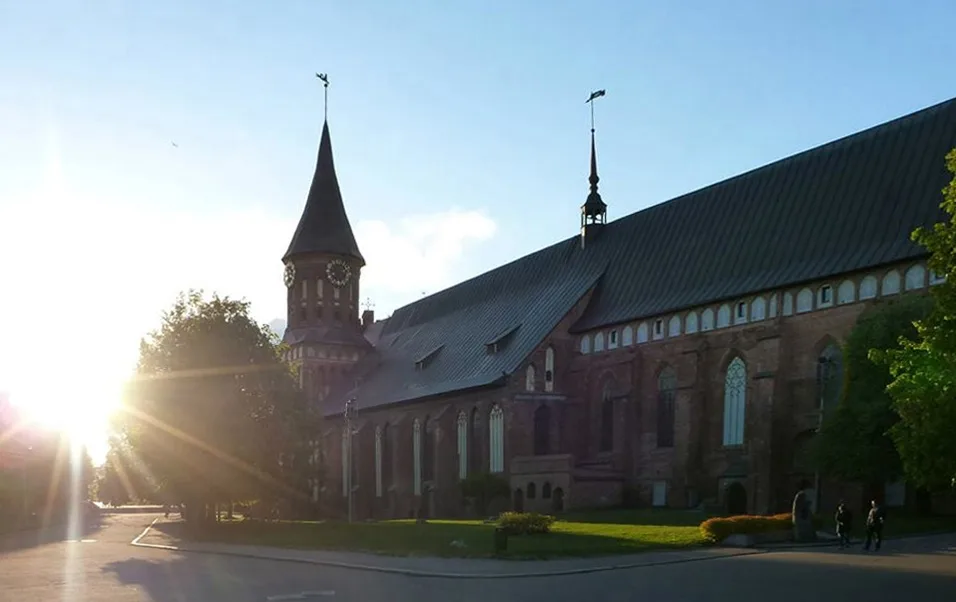
The 9 May parade. I'm about six. I'm sitting on my grandfather's knee, looking at his medals. Among a dozen awards one catches my eye — with the forbidding foreign name of a city and a ribbon of black and turquoise stripes: "For the Capture of Königsberg". And that is exactly what my first April visit to Königsberg was like — the forbidding cathedral, the bastions and the azure blue of the sea. I liked the city and its surroundings at once: their austerity, the calculated precision of the fortifications, the fairy-tale doll's houses of Svetlogorsk, the smell of the sea, the wind and the pines of the Curonian Spit, a spirit you could feel at your fingertips. Then came an autumn Kaliningrad, when in two weeks I drove across the whole region, through its middle and around its edges, and walked this beautiful city on foot. It is good, it is beautiful, it gently takes you in its embrace and won't let go. Until we meet again, Kaliningrad, until we meet again…
Kaliningrad has bilberries — that won me over completely!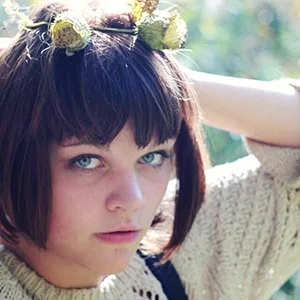
Nadezhda Kolodko, student at Volgograd State University (Volgograd)
I dreamed of a trip to Kaliningrad for a very long time, which is why I expected a lot from this beautiful city. I can't say my expectations were met 100 per cent. I missed the German architecture (I saw very little of it on the city's streets), but everything I did see was simply stunning. I liked Kaliningrad for its relaxed, uninhibited air and friendliness, its low prices and clean streets.
This is a city where you want to live and grow, to move forward. Probably a big part in my positive response was played by the fact that I happened to be in Kaliningrad on City Day. I was simply won over by the atmosphere of celebration and creativity, by the wonderfully colourful cafés and open-air fairs. As someone from the steppe, I am very drawn to Kaliningrad's forests and parks, and I took real aesthetic pleasure in trips around the Kaliningrad Region, and also in a visit to the city park on the Upper Pond.
I really liked that the city "breathes", that it is green and attractive! And even the cold couldn't scare me, a southerner used to sweltering summers. During my three days in Kaliningrad I also got to know some local performers, because I went to a charity concert held by the "I Believe in Miracles" foundation. I got loads of impressions and had a rest that was good for the soul and useful too. I should mention that what brought me to the city was volunteering at the "Baltic Artek" youth forum. I was very surprised by how developed youth policy is in the city and the region; it motivates me to come back to you and gain experience. On top of all that, I'm a big fan of bilberries, and the abundance of this berry won me over to Kaliningrad completely.
We were disheartened by the modern face of Kaliningrad
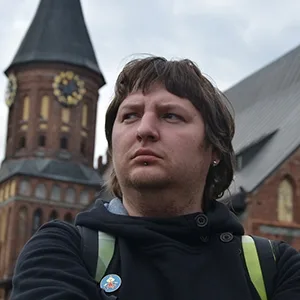
Yury Semenkov, designer, photographer (Surgut)
We visited Kaliningrad as part of an extensive Euro tour of various Western capitals and, of course, against their background the city did not particularly impress us. For example, we had been to the German cities of Dresden and Breslau (now Wrocław in Poland), destroyed in a similar way in 1945, and were somewhat disheartened by the modern face of Kaliningrad. Had we visited Nizhnevartovsk, Langepas and Pokachi in addition to it, our impressions would of course have been glowing. But next to Prague, Warsaw, Dresden and Copenhagen the city doesn't look too good. Nevertheless, Kaliningrad seemed very interesting to us, especially its suburbs and the district towns of the Kaliningrad Region. A special advantage for us was being able to call all our friends and relatives at cheap rates, to send all the junk we had bought home by Russian Post and, of course, to drink a drop of good Russian water...
The young people are active, sociable, even aggressive at times
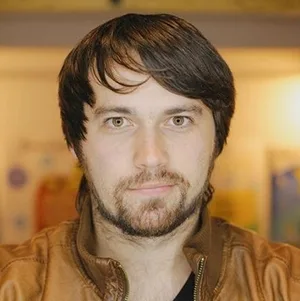
Sergey Stukalov, CEO of the SMM agency "Reaktiv Media" (Volgograd)
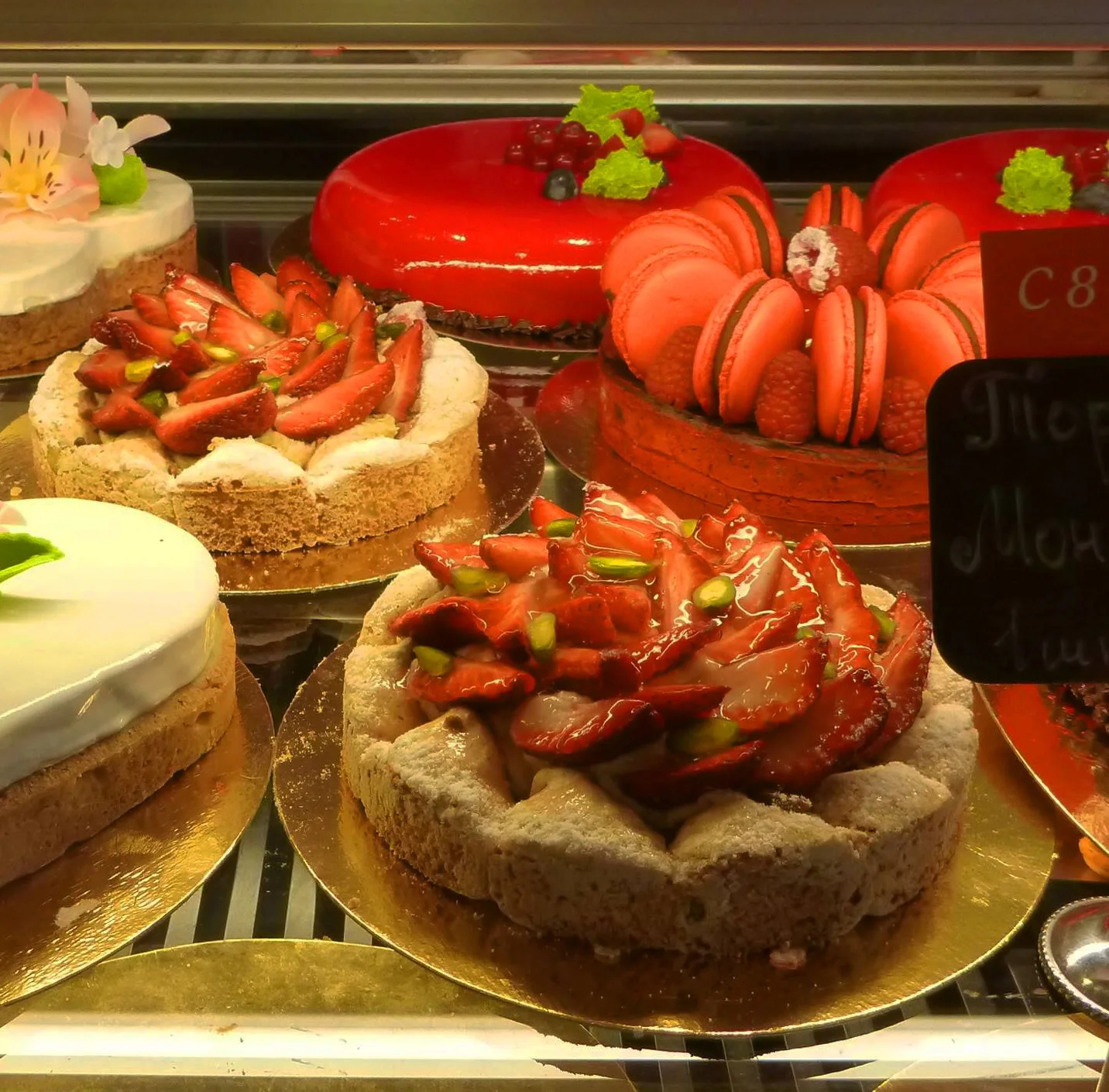
Kaliningrad is unique and distinctive. It really is a corner of Europe in Russia, but by now with a considerable layer of Russian culture. There are quite a lot of foreigners, who actively talk to the locals. The locals answer them without much interest. It's all routine. The older generation of locals doesn't differ much from people in the rest of Russia, but the young people are active, sociable, even aggressive at times. I would single out the unusual local cuisine, and especially the way it is served. I have never seen such inventiveness anywhere! What interested me most was not Kaliningrad itself, for which I had little time, but the region with its seaside districts. Zelenogradsk with the Curonian Spit, with the boundless sea and huge dunes. Baltiysk with the Vistula Spit, where the history of the last century has been preserved and the nature around is simply amazing!
I envy the people who live here

Aleksandra Petrova (Surgut)
I had a magical time in Kaliningrad. In a city where you have to pinch yourself every three hours to make sure you're not dreaming. After Surgut's concrete boxes, after the Siberian rains and the constant rushing about on errands, finding yourself somewhere you can stroll and admire the city is priceless. Here you can feed the ducks in the evenings, sitting on a bench by the lake and envying the people (they live here) hurriedly walking their dogs.
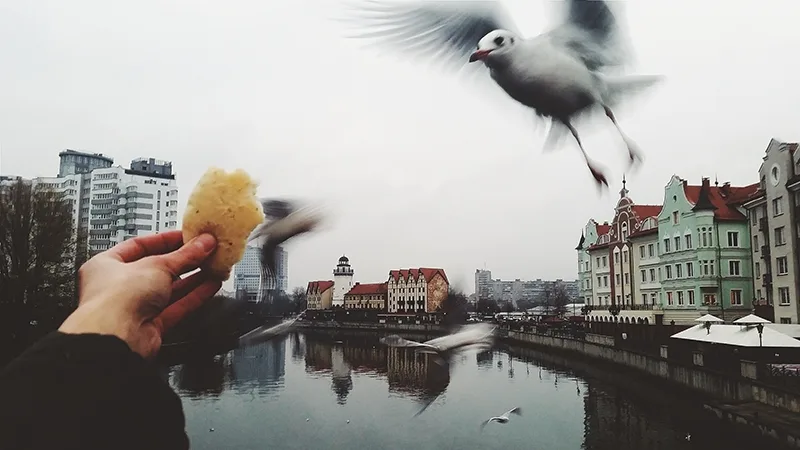
I went to the most distant little part of my homeland and realised that I would like to live here. Perhaps not for long, but for a while — definitely. But only here — on Verkhneozyornaya Street. Where there is beauty, quiet, walks, the soft morning sun peeping through the green October foliage. Where chestnuts fall at your feet, which I had never seen before. I usually bring back lots of photos from holidays but never look at them again. Yes, I show them to friends and colleagues, print them for my mum's family album. But I look through my photos from Kaliningrad every day. I want to go back. I think my wish will come true soon. It wasn't for nothing that I trudged to the lighthouse in the Fishing Village to see the almighty seagull.
A city where they still remember tracksuit bottoms worn with pointy shoes
Daryana Ioda, photographer (Volgograd)
For me Kaliningrad will always be Königsberg — a city in a borderline state, of second-hand cars, cobbled roads and tiled roofs. A city with storks' nests on water towers, with all kinds of greenery, chestnut avenues, peonies and forget-me-nots. Rapeseed fields and poppy meadows. Crumbling bridges, narrow streets, traffic jams. A city of stalls selling Polish goods, of Lithuanian beer in the shops, of grannies with their hair dyed every colour imaginable.
A city where they still remember tracksuit bottoms worn with pointy shoes. Where second-hand shops are called "Clothes from Europe" so as not to scare customers away straight off with clothes that aren't first-hand. A city half an hour's drive from the sea. With promenades, white sand and amber. A city I want to keep coming back to, but, alas, not because of the people.
I had already resigned myself to being bored while my wife went out with her friend
Aleksandr Zuykin, public relations specialist at the Interregional Public Organisation "Ekonadzor" (Surgut)
I have been to Kaliningrad only once. It was a trip I hadn't prepared for at all. Wheeling my suitcase out of the doors of Khrabrovo airport on a warm evening in July 2014, I had no idea what awaited me in the city. Where to go? What to see? My imagination pictured a typical Soviet city whose tourist value was limited to random patches of surviving pre-war German buildings, a trip to the Curonian Spit and souvenirs like amber and miniature busts of Kant.
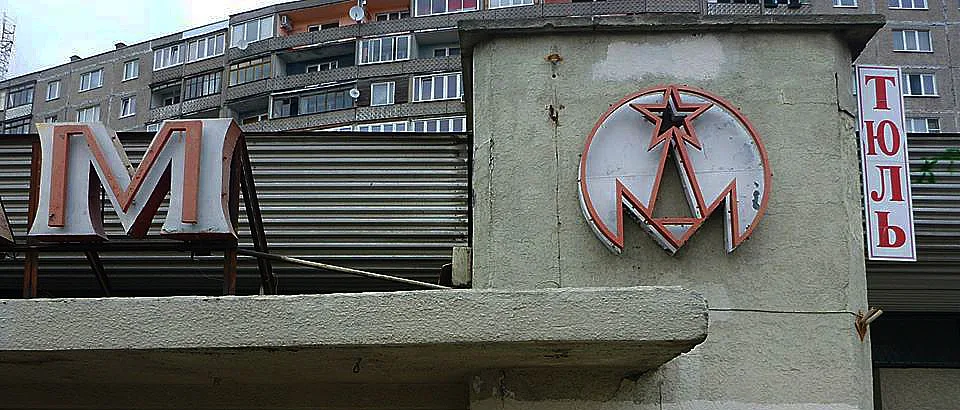
I had already resigned myself to being bored while my wife went out with her friend. In short, I was wrong. Yes, about the "model Soviet city" my imagination was, on the whole, not mistaken: the greyness of the standard housing in the centre makes it clear at once that you have actually come to Kaliningrad, not to some Königsberg. Yes, the holes in the broken paving, the overflowing bins, the half-collapsed old (probably historic) houses and other homegrown realities sort of remind you that although geographically you are already in Europe, culturally and administratively you are still in the Russian Federation. But that's not the main thing. The main thing is that, despite all this, Kaliningrad turned out to be a pleasant, well-kept city with a unique and positive atmosphere.
My impressions of it were strictly positive: lots of low-rise neighbourhoods, lots of quiet, cosy streets and places to walk, lots of greenery and public spaces and, of course, all of it close to the sea. Kaliningrad and the Kaliningrad Region also stuck in my memory for their European compactness and variety. You can, say, walk around the city looking for those very "patches of surviving German buildings" (in practice it's more interesting than it sounds), then get into a car and in half an hour find yourself in another world — at a seaside resort where people red from the sun in swimming trunks eat ice cream and rub on suntan lotion. Another hour's drive and you're on a completely wild beach, where a strong wind blows and there isn't a soul around. And another two or three hours' drive and you're already standing in the central square of another country's capital. It's very convenient, especially after Siberia, where getting from one city to another means half a day of slogging along a two-lane road through the remote taiga.
I fall for cities with the sea close by

Lyubov Yarlykova, actress at the Theatre on the South-West (Moscow)
I first flew to Kaliningrad on tour. And I can say straight away — the city enchanted me. We brought some very strong productions: "Love and Pigeons", "Cameras", "Granny Chanel", "Dogs" and "In Search of Treasure". We played on the stage of the Kaliningrad Regional Drama Theatre from 22 to 25 November 2014. Just four days, but how much they gave us, from the warm atmosphere of the Kaliningrad theatre — the audience received one show after another with shouts of "bravo!" and storms of applause — to an unforgettable trip to the Curonian Spit, lashed by every wind.
On my first day off I decided to see the whole city, or at least set myself the task of seeing everything I could — Kaliningrad has a striking contrast between pre-war buildings and modern architecture. And, of course, going home to Moscow without seeing the sea here — that I could never have forgiven myself. I'm especially won over by cities where it is very close; it seems to me such happiness to live by the sea, to breathe it. So my friend and I, having had our fill of walking the streets, seen Königsberg Cathedral and fed the gulls a sweet bun in the Fishing Village, got on a bus and went to Svetlogorsk. Just some 40 minutes, and there it is — the sea, roaring and luring you with its surf. And all around, pines and lovely little houses.
The city left me with the warmest impressions and, I won't hide it, I would very much like to come to this city again, to hear the organ in the cathedral, to stroll along the streets where the breath of a European city has survived, to visit the Baltic Sea once more. And, of course, to play our shows for Kaliningrad audiences again.
The aura of timelessness has remained in Kaliningrad
Rada Anchevskaya, singer, leader of the band "Rada i Ternovnik" (Moscow)
Kaliningrad, for me, is König, a mythical, strange, enchanted city. The first time we went there we played in a club with a local goth band, climbed onto the stage out of some kind of cellar and wandered around the local cemetery. That same time we bought dumbbells and took them home to Moscow, shocking the customs officers (I think we even told them, "Saw them open"). The second time we flew to König to play at a memorial festival dedicated to Oldi, the genius who created reggae on dirty snow. We drove along that very dirty snow from the airport, had dinner in a charming bar and played at the local House of Culture on good equipment. The city had become more European, nobody invited us to the cemetery any more, but that aura of timelessness had remained. König means Gothic, Kant, Oldi, sad and slightly lost girls, a pervasive island culture. The city is an island.
I still remember the crunch of shells underfoot
Yelena Tolmacheva, strategist at LAR (Saratov)
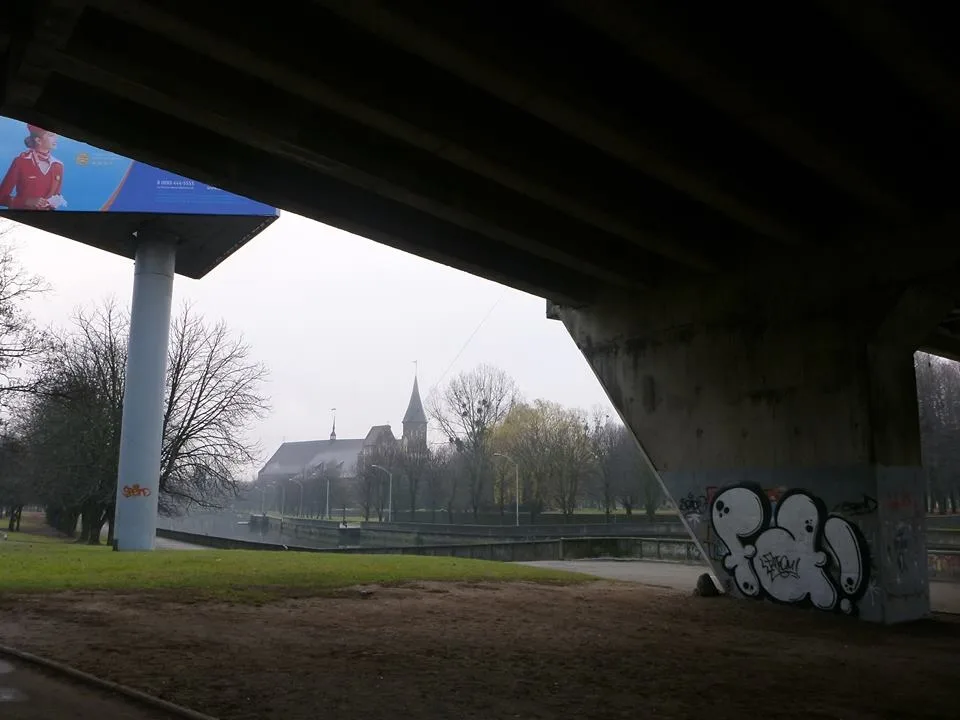
I was in the Kaliningrad Region a very long time ago. I remember the sea, the first sea I ever saw in my life. It was cold in summer, very few people swam, but there were lots of people strolling along the shore. I remember amber being sold everywhere — necklaces, bracelets, and they even bought me some. I remember beautiful nature; once we drove into some lagoon (or something like that) and everything there was covered in shells instead of sand. I can still hear them crunching underfoot. I also remember a lake with swans. Not tame ones, wild ones. I remember a big, huge red Gothic cathedral and a green lawn in front of it. That is probably what I remember most. I remember Jacques Cousteau's ship moored there, all white, and they gave tours on it. That's also one of the most interesting memories, because you had to climb down into the hold on a rope. I remember a big statue of a rocket or a ship, up on a height. Back then I didn't know what Europe was like, but now I realise that it was like Europe there: clean, nice, beautiful architecture. Plus fairly warm and dry even in autumn.
In Kaliningrad you don't feel the atmosphere of Königsberg at all
Anna Novikova, student (Yaroslavl)
I came to Kaliningrad for the international forum "Baltic Artek". I was going not only to the forum itself but also to the city. I had long dreamed of getting to Kaliningrad. But most of the time we were on the Artek grounds, and of the local sights (apart from the sea) there was only the old church. A couple of times we got out to Svetlogorsk. The first time was for the "Golosyashchiy KiViN" KVN festival. That time I fell in love with Svetlogorsk at first sight! We went back there a few days later. We walked along the promenade and the central streets and drank coffee at the local "Königsbäcker". Those were magical moments in a magical town!
We spent our last day and a half in Kaliningrad. And first of all we went to the places I had heard most about — the Fishing Village with its lighthouse and Kant's cathedral. The Fishing Village, by the way, reminded me very much of Krasnaya Polyana in Sochi. Very picturesque places! The next day — the Amber Museum, the airport and the flight home.
On the minus side — you don't feel the atmosphere of old Königsberg at all. It's more like a typical provincial Russian city with dormitory suburbs, where only here and there echoes of that grandeur remain. Maybe I just didn't find more. I'd like to come back again.
The photographs used in this publication come from the personal archives of the survey participants.
Translated from Russian with the help of AI (Claude, Anthropic), October 2026.