In today's world culture Kant's name is still significant, and his ideas have not lost their relevance. On 12 February, the anniversary of the death of Immanuel Kant (22.04.1724 – 12.02.1804), it is fitting to recall not so much his philosophy as the personality without which that philosophy would hardly have been possible. For the life of a person, be he a great thinker or an ordinary citizen, is filled with things for which there is usually no room in official biographies and memoirs — endearing, sometimes odd habits, everyday routine, a great many trifles that one has to brush aside in order to understand who is before us. Quite understandably, we try to see the essential behind a heap of details, but sometimes without those very details we lose something without which our hero turns into a mask. And that is not right.
The Private Life of Immanuel Kant. Part 2
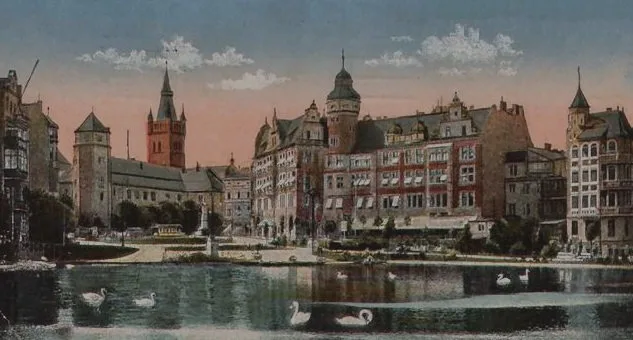
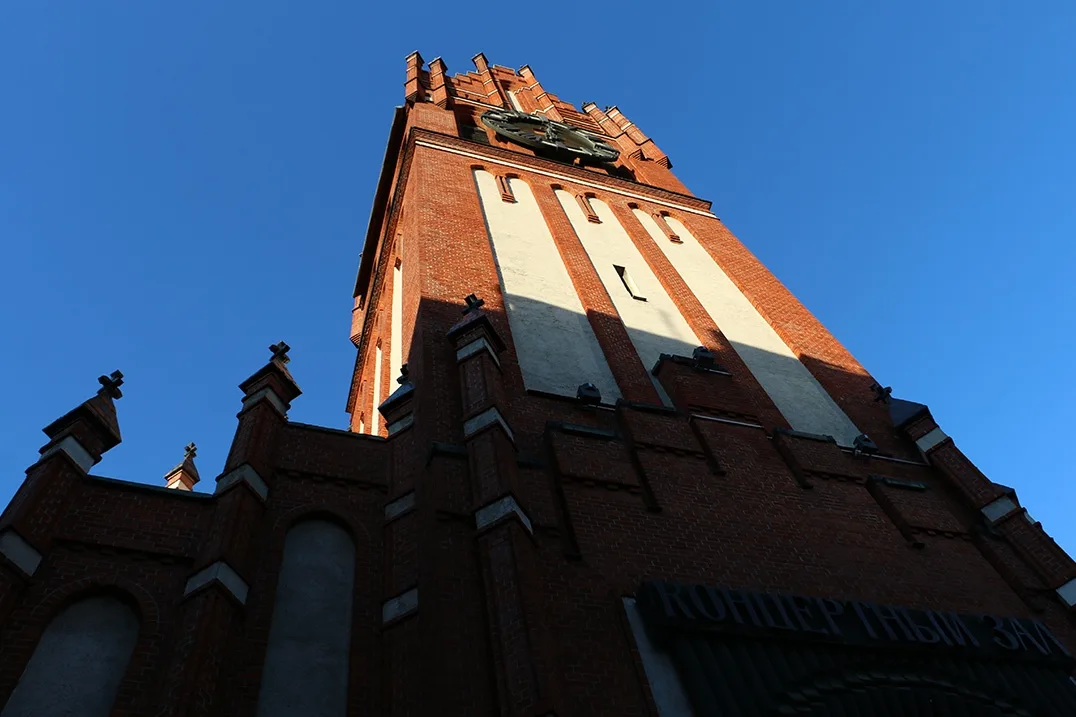
"Many famous people lived in Königsberg, among them those whom we call 'great'. Among the great scientists it is enough to recall the physicist and physiologist Hermann von Helmholtz (1821–1894) or the mathematician David Hilbert (1862–1943). However, only physicists or physiologists could call Königsberg (now Kaliningrad) the city of Helmholtz, and only mathematicians the city of Hilbert. 'The city of Kant' sounds equally acceptable to most people who know anything at all about the spiritual culture of mankind, and not only because the philosopher turned a culturally provincial town into one of the centres of European culture, but also because Kant, like none of the other great men of Königsberg, was bound to this land. Here he was born, lived his whole life, died and is buried (by the walls of the Cathedral). His philosophy made Königsberg famous as neither its rulers, nor the wars fought in these parts, nor the trade that flourished in this Hanseatic city at the crossroads of trade routes were able to do." (Kant-online.ru)
Translated from Russian with the help of AI (Claude, Anthropic), October 2026.