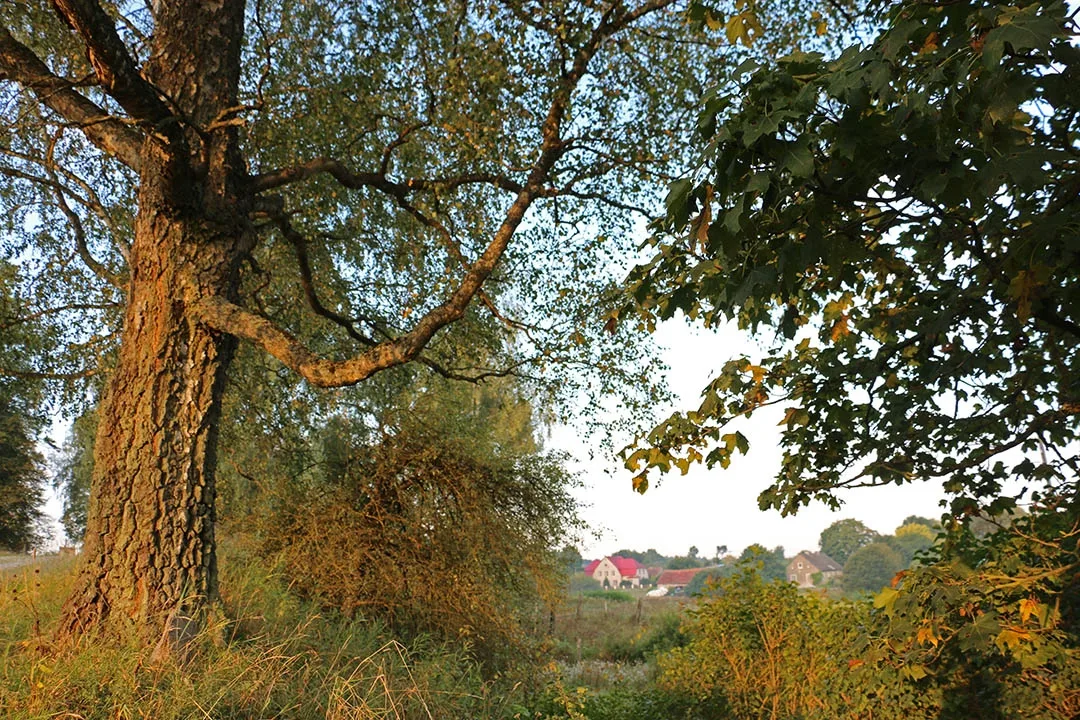
First mentioned in 1539, when the village already had 33 farmsteads. By 1542 their number had grown to 45. In 1656–57 the village suffered from a Tatar raid. In 1708–11 more than half of Rominten's inhabitants died of the plague.
In 1723–26 Protestants from the Palatinate, Switzerland and Nassau settled in Rominten, followed in 1732 by settlers from Salzburg.
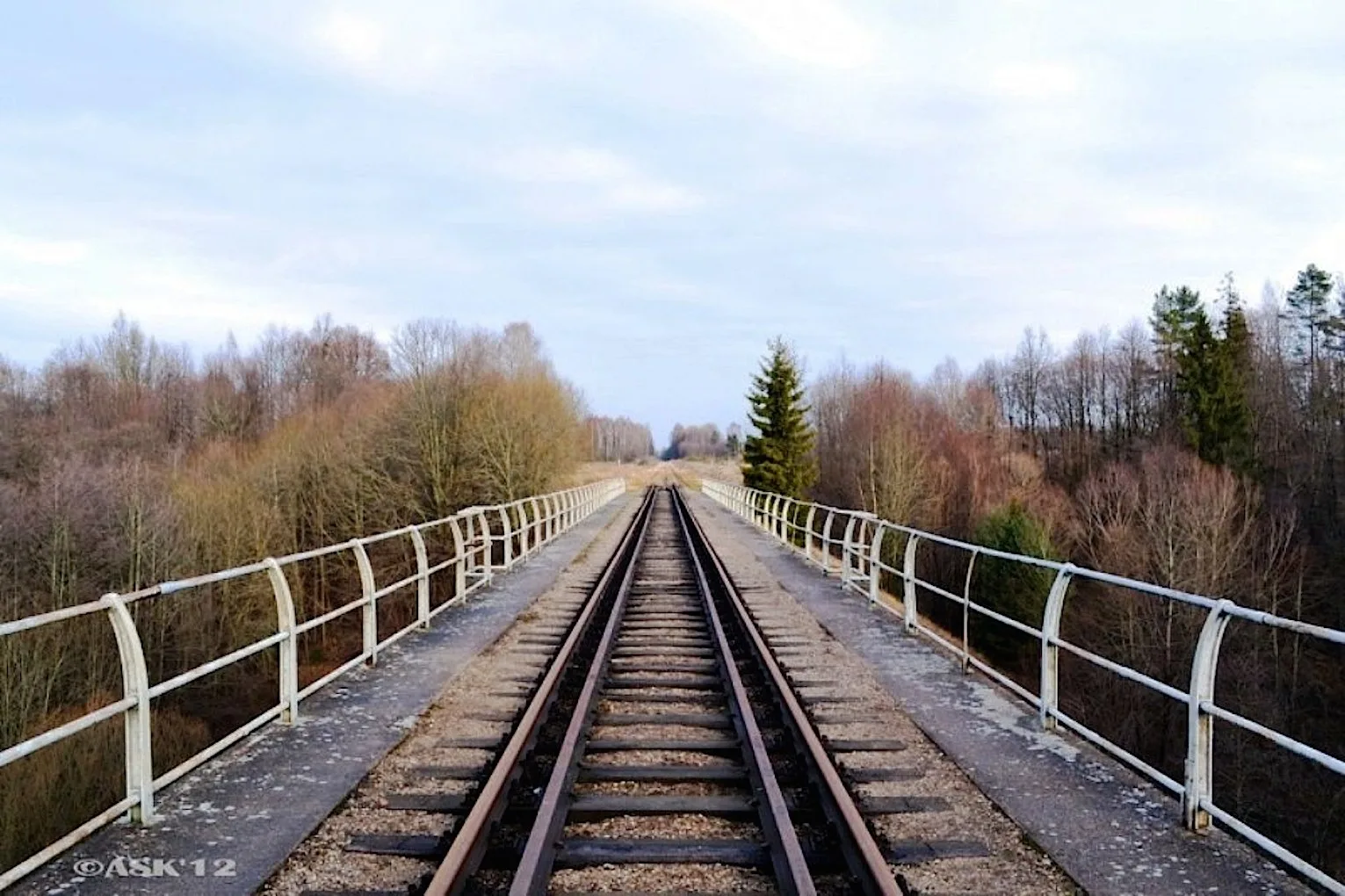
A school was opened in 1737. In 1740 the village had 24 farmsteads, and in 1885, 32. At that time Rominten belonged to the district of Insterburg, and from 1818 to the district of Goldap. In 1858 the Königsberg – Eydtkuhnen railway was built through Groß Rominten. In 1862–65 the Kiauten – Tollmingkehmen road was laid through the village. In 1863 Groß Rominten, together with the Prassberg estate, became a colonist settlement exempt from corvée labour. The colony counted 277 buildings, 95 horses, 55 head of cattle, 140 sheep, 131 pigs and 1 goat.
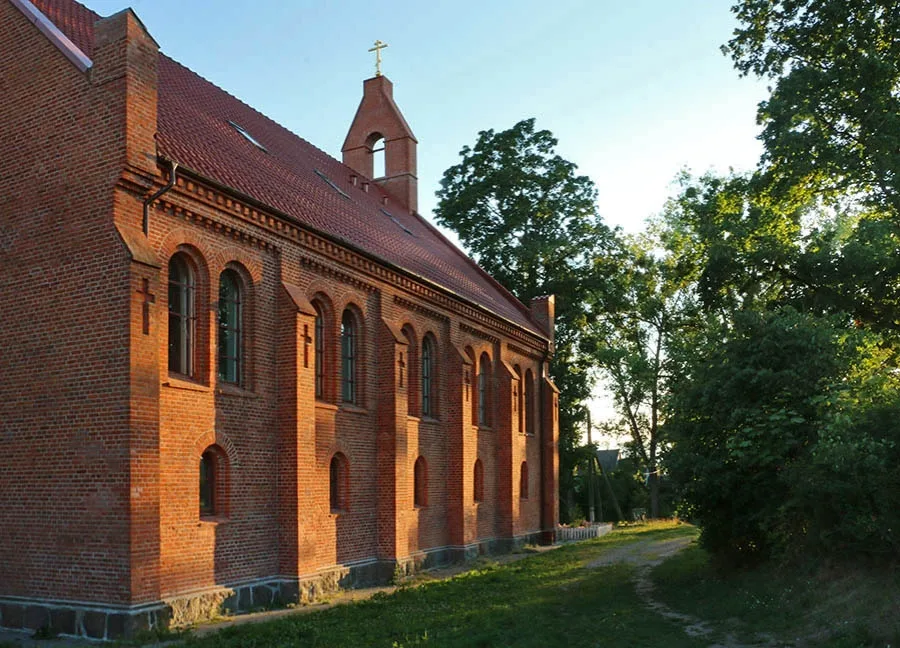
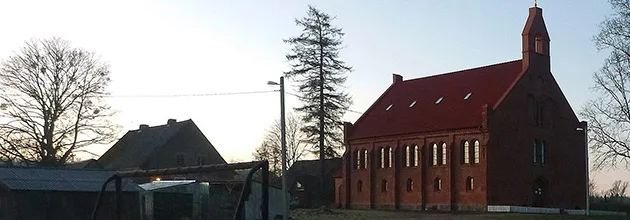
In 1868 a parish was established in Groß Rominten. By 1774 Rominten had 78 dwelling houses. In 1880 a church was built with the support of Wilhelm I.
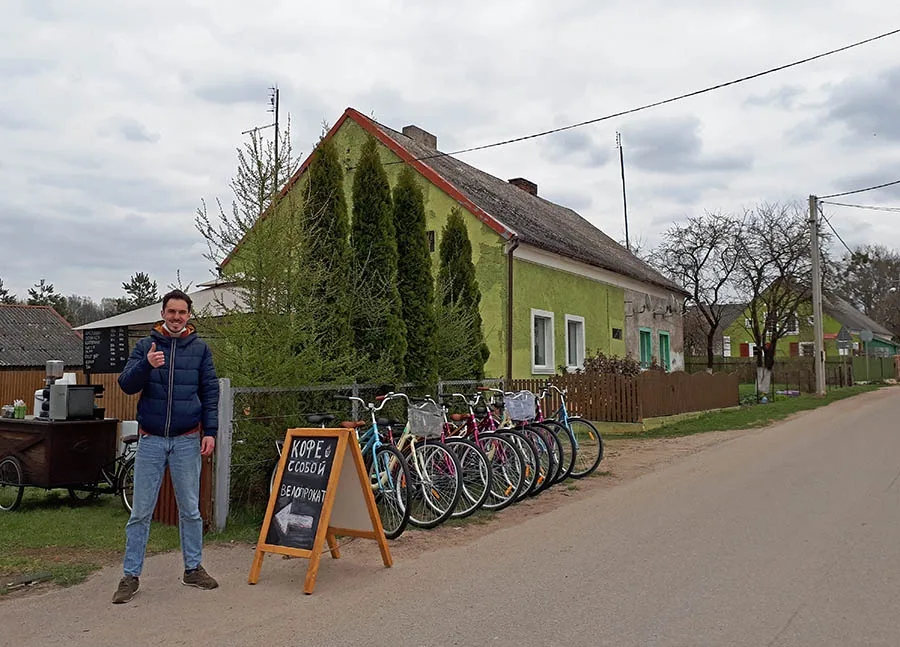 Bike rental and coffee-to-go on the village's main street.
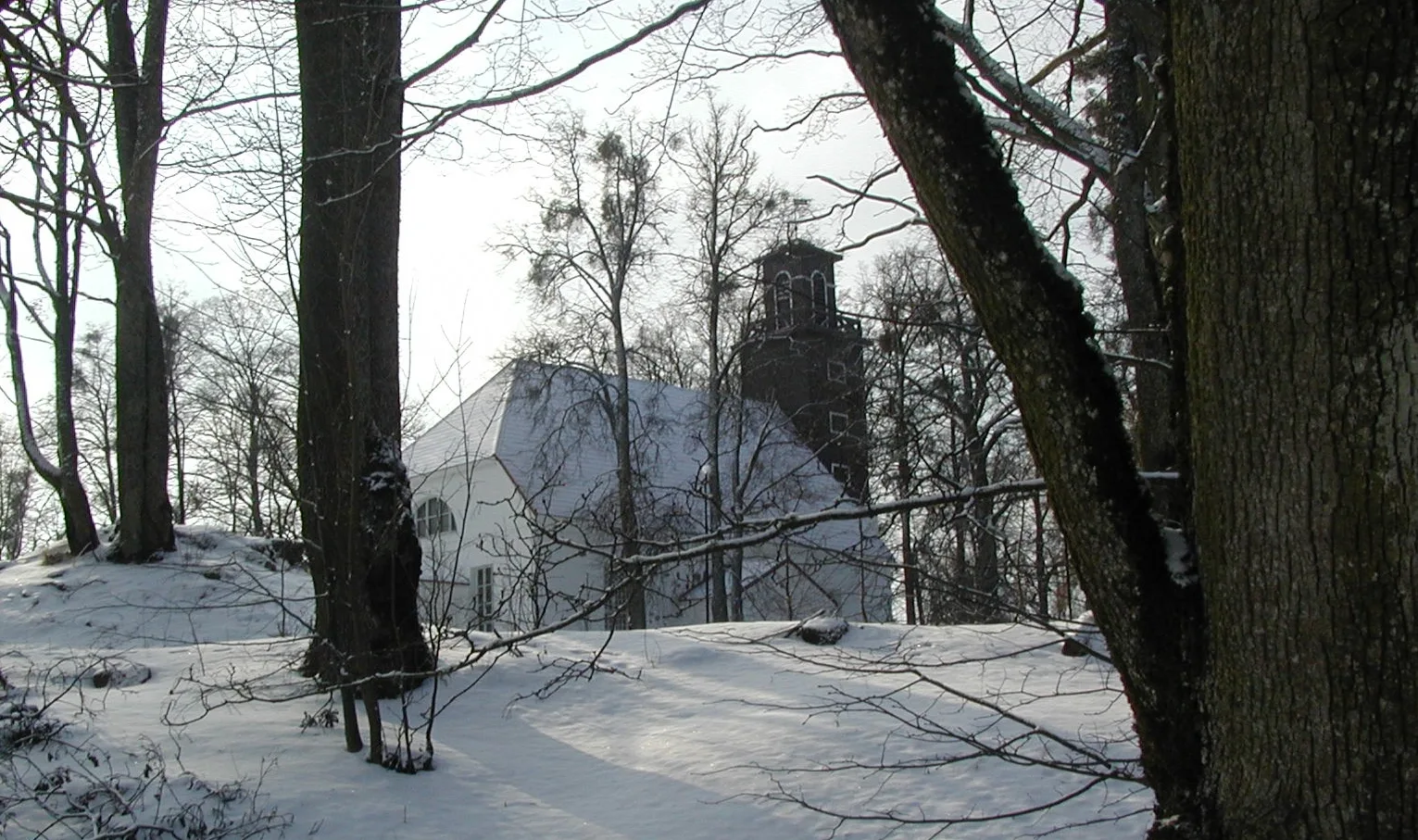
In 1890–91 a hunting lodge was built in the Rominten Heath by order of Wilhelm II, and in 1893 the Norwegian-style Hubertus Chapel was opened near the lodge. In 1898 Groß Rominten had 230 farm buildings and 145 dwelling houses.
On 20.08.1914 Groß Rominten was occupied by the Russian army under the command of Rennenkampf and, in retaliation for resistance, burned to the ground.
The village was rebuilt in 1915; at the same time it was electrified, a water supply was installed and a telephone exchange with 28 lines was opened. In 1928 the villages of Prassberg and Klein Rominten were incorporated into the municipality of Groß Rominten. In 1930 Groß Rominten had 152 dwelling houses and 246 farm buildings. In 1934 Groß Rominten was renamed Hardteck.
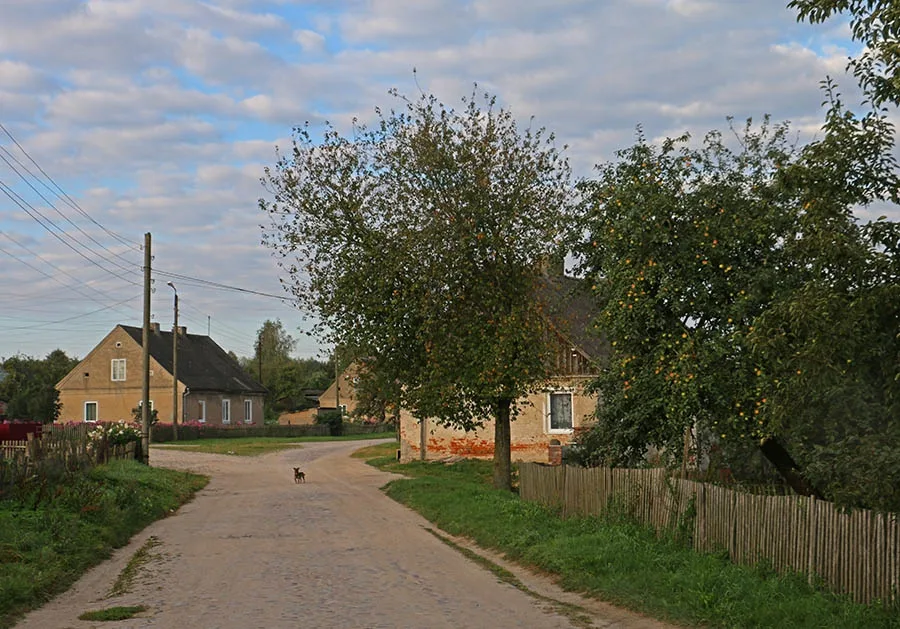
On 21–22.10.1944 the village was taken by troops of the 18th Guards Rifle Division of the 36th Guards Rifle Corps, 11th Guards Army. In 1945 it was renamed Krasnolesye.
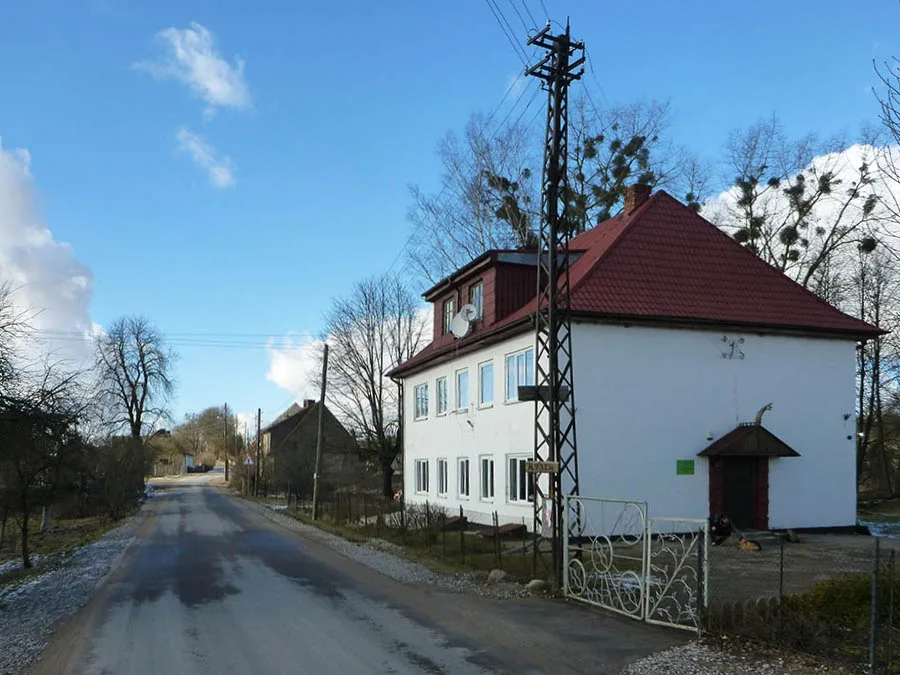
Vishtynets Ecological and Historical Museum.
A school was opened in 1946. In 1953 a machine and land-reclamation station was set up to prepare the soil for tree planting, and the restoration of the forest began. In 1954 the office of the Nesterov forestry enterprise was moved to Krasnolesye. In 2006 the Krasnolesye school was reorganised into a combined primary school and kindergarten. In 2011 the Vishtynets Ecological and Historical Museum opened in the former school building.
Coordinates of the village: 54°23'40'' N 22°22'33'' E
Sights: protected landscape, Vishtynets Ecological and Historical Museum, church, grave of Soviet soldiers, memorial to the villagers who died during the First World War.
Population over time: 1745 – 170, 1785 – 240, 1868 – 533, 1874 – 772, 1898 – 1,088, 1910 – 1,127, 1925 – 1,021, 1939 – 1,191, 1944 – 1,300, 1992 – 440, 2002 – 454 inhabitants.
Photos by Mikhail Ogorodnikov.
Translated from Russian with the help of AI (Claude, Anthropic), October 2026.