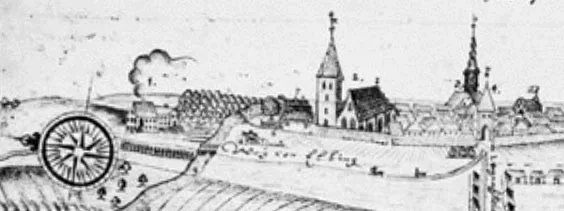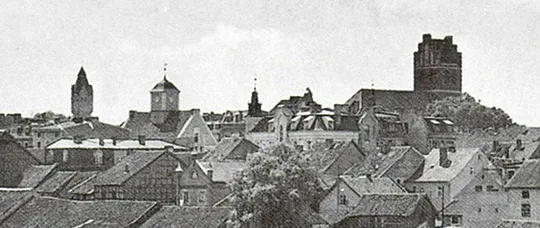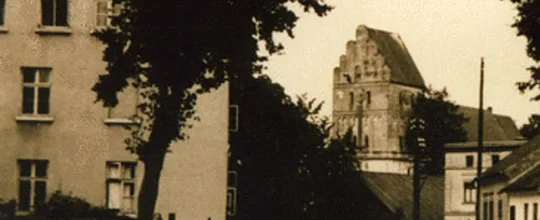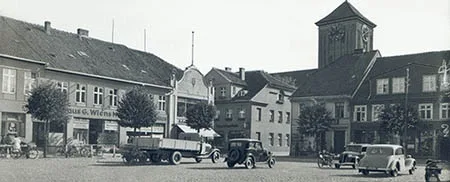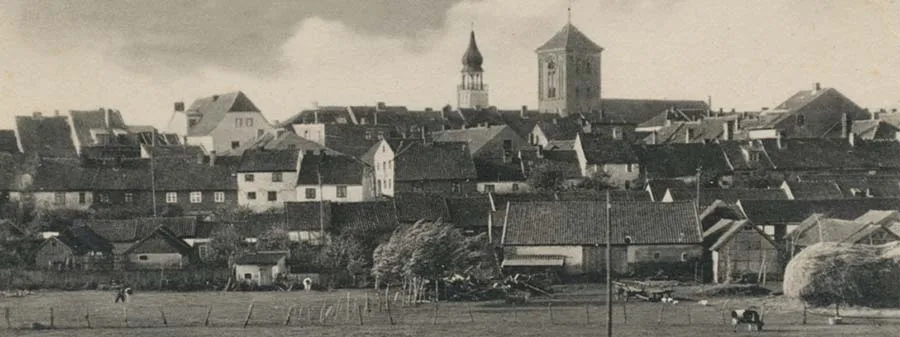
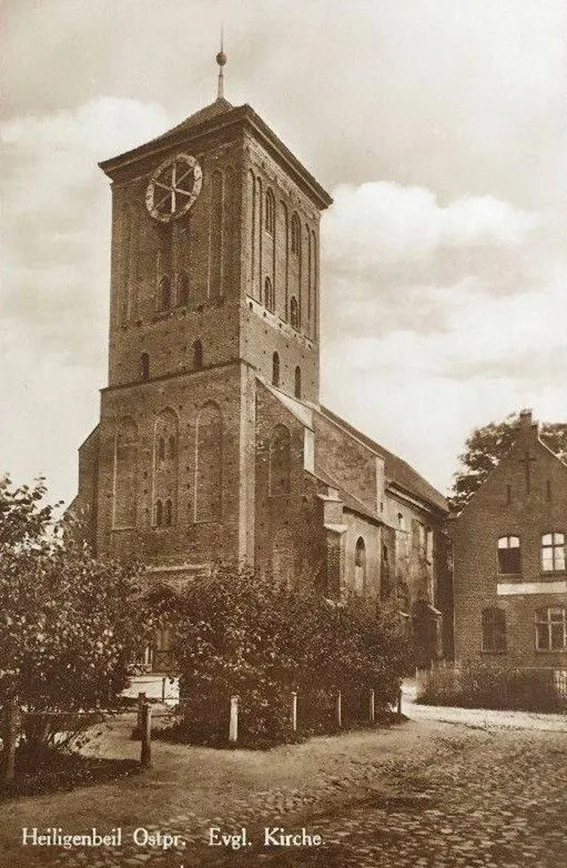
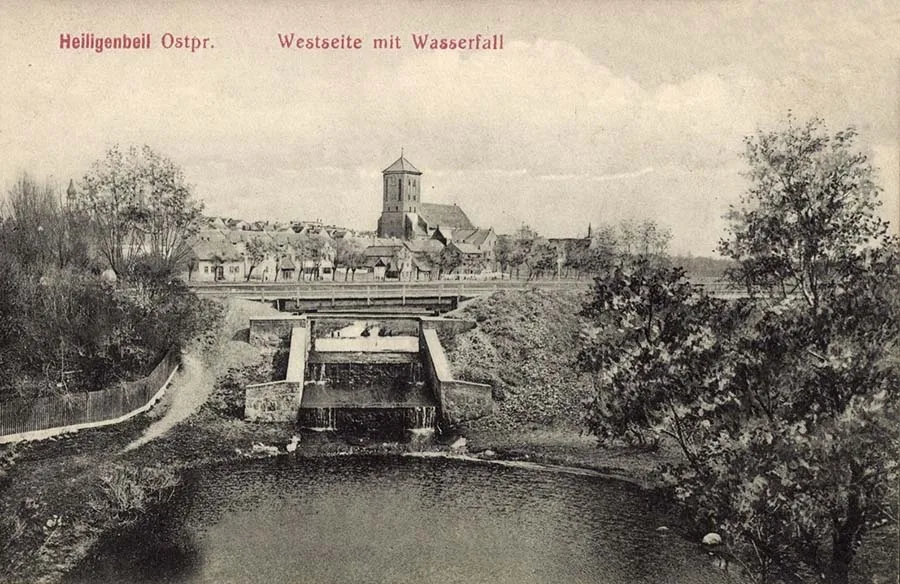
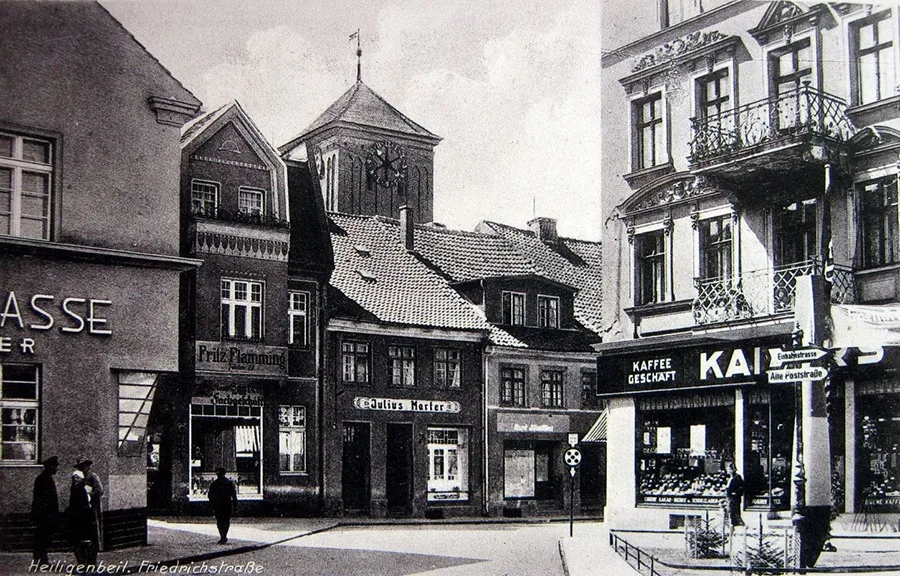
In its original form it was a three-aisled brick church measuring 40 x 17 m, of five bays, with diagonal rectangular buttresses. The star vaults collapsed in the fire of 1677. After the fire of 1788 the arches, piers and half-columns were removed during the rebuilding of 1789–96. The pulpit and altar date from 1799. The organ, built in 1796 by Jacob Preuss, was repaired in 1825. Three bells.
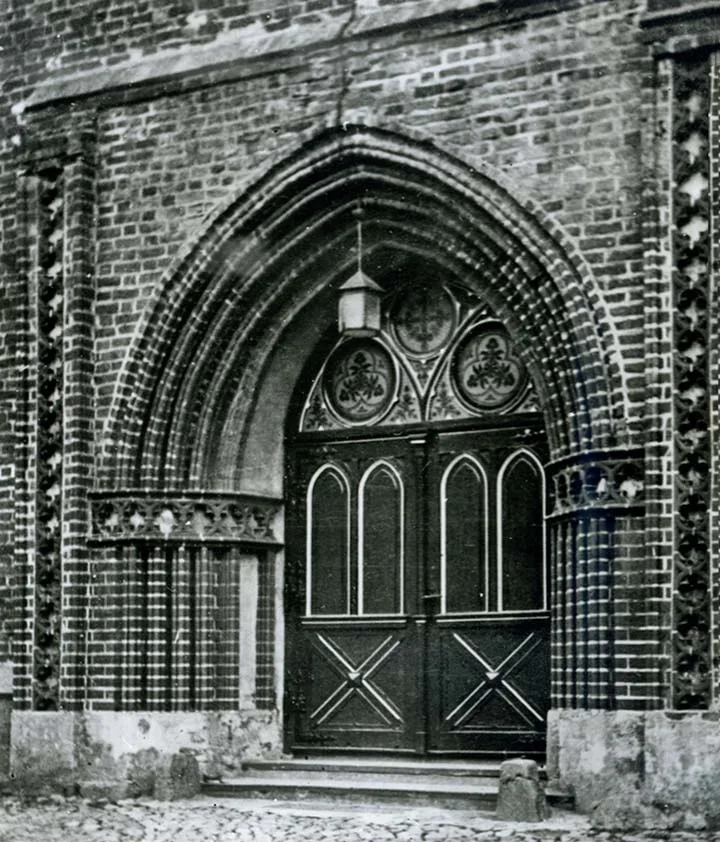
Particularly remarkable is the western portal (entrance) of 1320–1330 in a rectangular projection, reminiscent of the portal of Balga church.
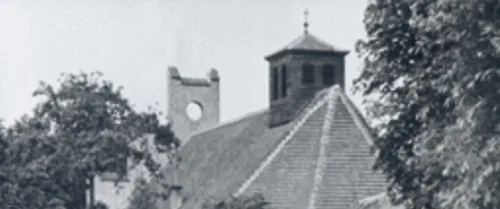
During the Second World War, when the Heiligenbeil Pocket was being destroyed, the town suffered badly from Soviet air raids. The old part of the town lay in ruins, and the church was destroyed as well. But its tower and walls survived and stood until the 1970s. Then the church was demolished. By chance a fragment of the north-western wall with two buttresses survived, with a small room built onto it. In the area of the demolished old town, where the church stood, there is now a recreational park.
During the storming of the town on 25 March 1945 the church was damaged and burned, but the tower and the structure itself survived to about 65–70% (in the photo below).
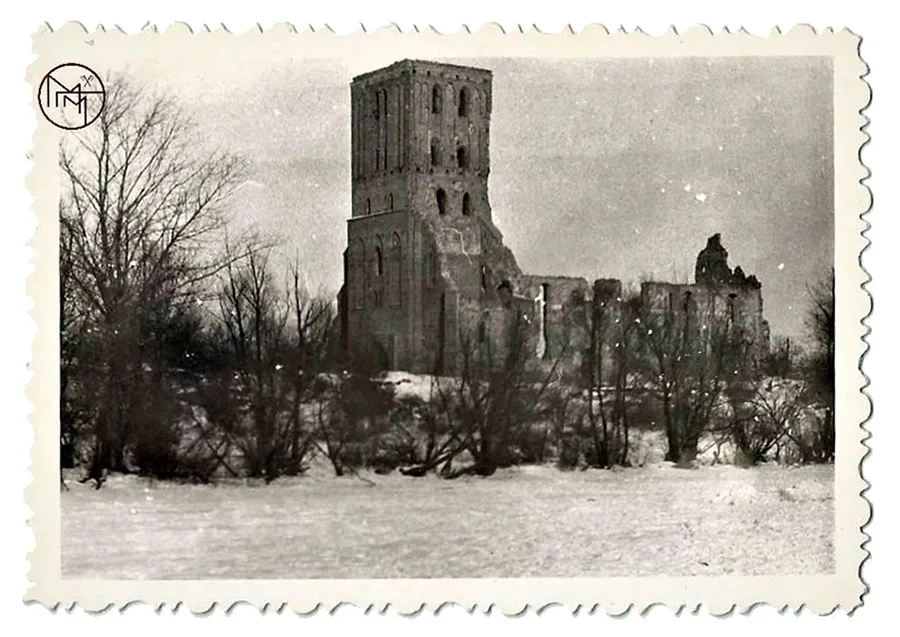
In the post-war years the nave was taken apart for its bricks. According to local residents' recollections (there is no documentary confirmation), the remains of the structure were blown up several times — the first blast possibly took place in 1975. The tower was the last to give in: it was blown up in April 1982 with 8 charges of 400 kg of TNT each (according to the recollections of the blaster himself, a resident of Yoshkar-Ola).
In 2019–20 the Mamonovo Town Museum carried out work to preserve the remains of the ruins and to landscape the surrounding area.
The editors of VisitPrussia.com thank Dmitry Shilov and Konstantin Kosenkov, staff members of the Mamonovo Town Museum, for their help in preparing this article.
Translated from Russian with the help of AI (Claude, Anthropic), October 2026.