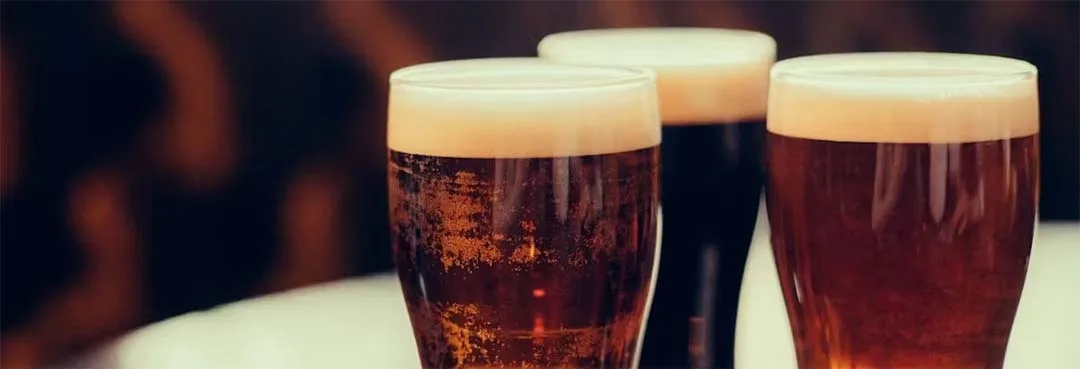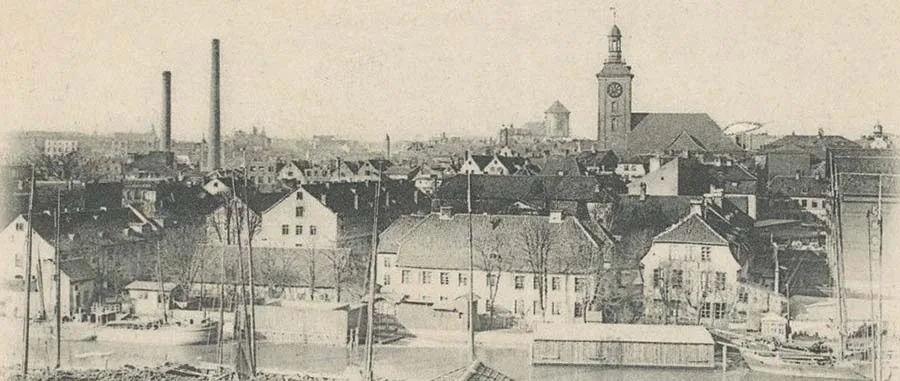
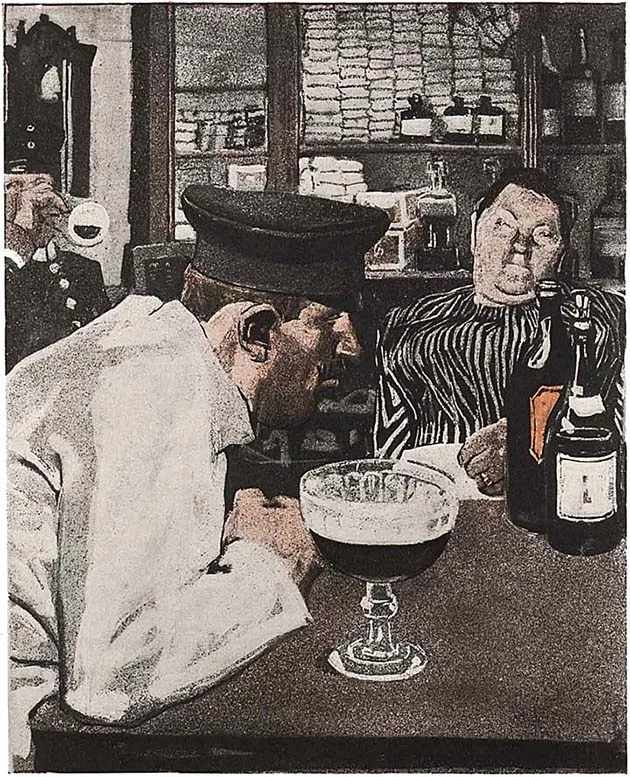
East Prussian men were by no means saints (especially in the villages) and turned to homemade wine quite often, to relieve the stress and fatigue of a hard working day. Fruit liqueurs were made from whatever berries the farmstead yielded. Besides their own wine, almost every household kept a bottle of Jamaica rum, arrack and, of course, Korn, the local grain spirit, in reserve. All of these went into stronger drinks. People also distilled moonshine from grain and potatoes. Recipes for homemade "cocktails" were closely guarded secrets, handed down from generation to generation. Anecdotes about drinking were passed from mouth to mouth as well:
– What are you drinking, my friend? — a Berliner asks a man from Memel.
– Grog.
– In this heat? Then what will you drink in winter?
– More grog.
Grog is very simple to make: mix rum with hot boiled water in equal parts and put a lump of sugar in the glass. Arrack can be added to taste. True, in East Prussia they joked that the recipe could be simplified by leaving out the water and even the sugar. Yes indeed, strong East Prussian lads often helped themselves to pure rum, "the drink of rough sailors and refined maidens", and to grain spirit too... How different were they, really, from the Russians, for whom, as the Germans used to say during the war, 40 km is no distance, 40 degrees below is no frost, and 40 degrees proof is no alcohol?
One can only envy the sense of humour of the creators of the local "cocktails". The names alone are worth it! "Landlubber Rat", "Bloody Ulcer" (add cherry liqueur and brandy to it and you get "Warehouse Rat"), "Icebreaker", "Pregel Stench", "Bear Hunt" (or "Bear Trap"). And some names are not only impossible to translate into any language, they can't even be explained in their own. Kopskiekelwein, for instance. All that is known is that after drinking too much of it, at best you could only crawl as far as the door of the room where it happened.
Cossack Coffee
No less treacherous is the so-called "Cossack Coffee", a traditional Masurian coffee liqueur. A curious story connected with it was told by Dr. Kittel of Memel. One of his patients, a postal official, was a great opponent of alcohol and considered himself forever immune to spirits of any kind. One day in 1874 he asked his superiors in Gumbinnen for permission to go on an inspection to Eydtkuhnen.
– But you'll get drunk there! — objected the senior official.
– But… if I may…
– I'll bet you!
A telegram announcing the forthcoming inspection was sent after the official, with a laconic demand: "Get him drunk!"
The inspector did indeed prove a tough nut to crack and flatly refused even a light wine. But the locals did not give up; they took him by cunning. In a hard frost the guest was invited for a sleigh ride to a nature reserve to see the elk, and there, chilled to the bone, he graciously agreed to a cup of coffee in a peasant's house. In the warm cottage the gentlemen were served a hot, very sweet drink with cream. After the very first cup his blood was stirred, his spirits rose, and life looked brighter. They had another. Then another, and another…
The next day a telegram arrived in Gumbinnen: "Done!" And the inspector never got the joke. How was he to know that his hospitable host had not made the coffee with water (add 50 g of rum and 50 g of port to a cup of sweet coffee and top the resulting drink with a generous helping of cream).
Bärenfang (Bärenfang)
Every bit as treacherous as the Cossack variety is the honey liqueur, the famous Bärenfang, which means "Bear Hunt". (Note: in Russian it should be "Berenfang" with an "э", not with an "е", as it is sometimes spelled here.)
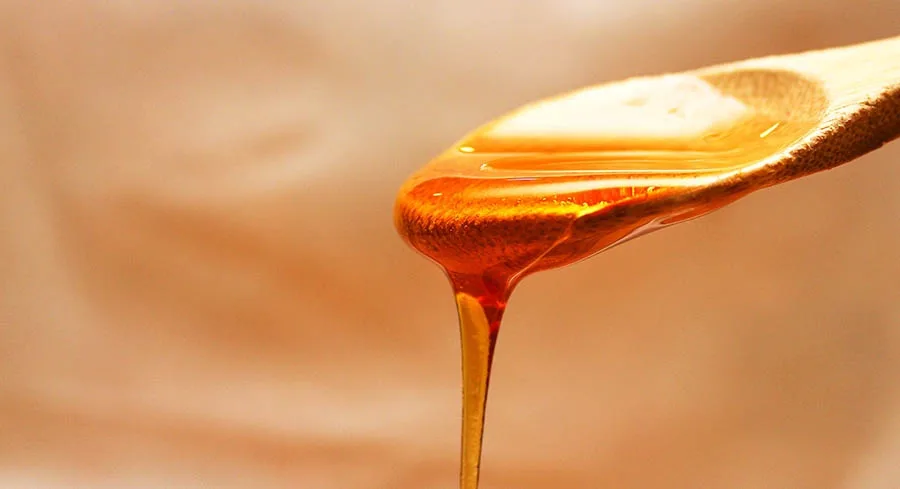
To make it you will need 500 g of honey (blossom, heather or lime honey), 500 ml of vodka, 500 ml of 96% spirit, 2 cinnamon sticks, 1 vanilla pod, 2 whole lemons and a very thin spiral of lemon peel.
Melt the honey with a little of the vodka over a low heat, stirring constantly. When it has cooled slightly, mix it with the rest of the vodka and the spirit, add the cinnamon, vanilla and lemon zest and keep it over a low heat for another 20 minutes or so, stirring. Under no circumstances let it boil. Then pour the mixture into a tall narrow vessel, seal it tightly and leave it for at least 10 days in a dark but not too cold place indoors. When the time is up, remove the spices from the liqueur and pour it into a wide-necked decanter. The liqueur must not be stored in a cold place, as the honey may crystallise.
The main difficulty with this easy-to-make drink is not drinking it before it has had time to infuse.
Honey liqueur can also be made to another recipe: 500 g of honey, ½ l of pure spirit, ¼ l of Moselle wine or ¼ l of water. The proportions can be varied according to personal taste, but the method stays the same.
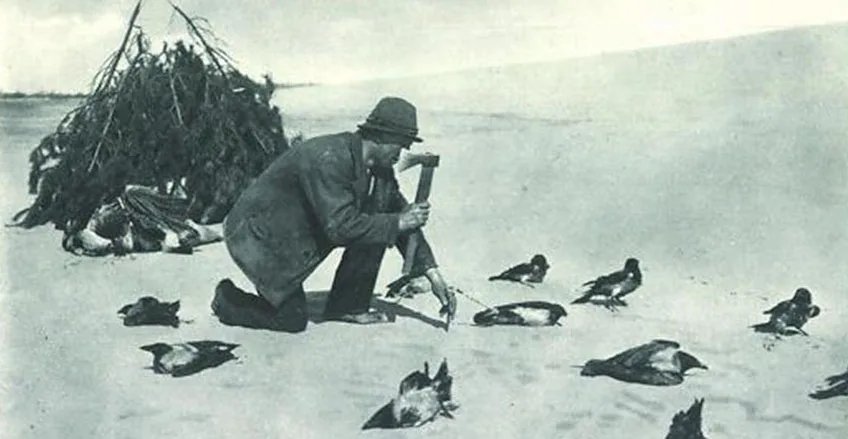
Bärenfang was one of the most popular national drinks in East Prussia. But in time it conquered other territories too... Its history goes back to time immemorial, when bears still roamed the local forests. To win a valuable trophy, local hunters would leave plates of honey laced with spirit in the forest. A drunk bear became easy prey. And the hunters themselves did not say no to what was left of the "bait".
Honey liqueur also has medicinal properties. The people of East Prussia drank it warm for colds and inflammations of the respiratory tract, as well as for insomnia and digestive ailments. In reasonable doses, naturally. A couple of glasses are quite enough for your legs to stop obeying you. That is why they joked that it gave you a bear's gait.
Also popular in East Prussia were the so-called bitters: alcoholic drinks based on spirit, rum or wine and infused with plant ingredients such as berries, herbs, pine needles, cones… As a rule they taste bitter. In the Middle Ages bitters were considered an apothecary's potion and were used by nuns to restore their strength after hard work and hours of prayer.
Russian Milk Punch
The name of this drink has nothing to do with Russia. It comes from the area around the Russ river near Memel. Like most punches, it is made with rum.
¾ l of rum, ½ l of arrack, 500 g of sugar, the zest of 1 large lemon, 1 vanilla pod, ¾ l of milk.
Bring the rum, arrack, sugar, thinly pared lemon peel and vanilla to the boil. Remove from the heat and slowly pour in the milk, stirring constantly, then whisk everything into a froth. Remove the lemon peel and vanilla before serving.
Russian milk liqueur was sometimes called water punch, because it goes down very easily.
"Icebreaker"
The name of this drink carries a great deal of meaning. Eisbrecher literally means "the first participant in a discussion who breaks the ice and helps improve the atmosphere". Knock back a couple of glasses and you are friends for life. Best of all, it takes no effort to make: heat 1 glass of red wine almost to boiling, pour in a good measure of arrack and add sugar to taste. That's all there is to it.
Tea Punch
In East Prussia people also liked to add a decent measure of rum or red wine to their tea. Tea punch was always a favourite.
1 heaped tsp of tea leaves, 150 g of sugar, ½ lemon or 1 orange, 1 (port) glass of arrack, 1 (port) glass of brandy, 2 cups of natural white wine, 1 l of water.
Brew a cup of very strong tea. Boil 1 litre of water with the sugar, pour in the cup of brewed tea, add the juice of half a lemon or orange, pour in the arrack and brandy, then the white wine. Heat this "explosive" mixture until it froths.
While drinking tea punch, it is advisable to keep a snack at hand, preferably a morsel of something savoury, otherwise you will feel as if you were wearing wooden clogs. Quite literally: you won't be able to walk.
Christmas Punch
Christmas punch is, of course, gentler. Its ingredients are: 1 bottle of Moselle, ½ bottle of rum, 1 bottle of water, 250 g of sugar, 1 lemon.
Boil the water with the sugar. Carefully heat the wine, but do not let it boil. Then pour in the rum and add the lemon zest to the punch.
"Koks"
And some will take a liking to the original "Koks". It hardly needs preparing at all. Simply chew 2 coffee beans and slowly wash them down with a glass of rum and a lump of sugar. The idea is that the coffee and sugar make the drink feel stronger.
"Landlubber Rat"
½ l of cream, 4 egg yolks, 2 liqueur glasses of arrack, 2 liqueur glasses of cherry liqueur, 2 tbsp of sugar.
Mix the egg yolks, cream and sugar thoroughly and place over a water bath, whisking all the while. Take the pan off the heat and, still whisking, add the alcohol. Serve hot.
"Pillkaller"
A slice of firm liver sausage, a little very hot mustard, 40 ml of juniper vodka of at least 38% ABV.
Put a little mustard on a slice of liver sausage, eat it and quickly wash it down with a shot of vodka.
There was another way of drinking it too: place a slice of liver sausage with mustard at the bottom of a glass, pour vodka over it and "consume" the lot in one gulp.
"Pillkaller is a way of life," they used to say in East Prussia. It got its name from the place where it was "invented". The men of Pillkallen had a reputation not only for never getting drunk ("A man drinks and a horse slurps, but in Pillkallen it's the other way round," goes the proverb) but also for being quarrelsome ("If you came back from Pillkallen without a beating, count yourself lucky," goes another).
"Sea Dog"
¾ bottle of natural white wine, 1 piece of lemon zest, a piece of cinnamon, 125–150 g of sugar.
Heat the wine with the lemon zest, cinnamon and sugar until bubbles appear (do not boil!). Remove the spices before serving. Serve hot.
This is a fairly mild drink that women will enjoy.
"Bloody Ulcer"
Add a little cherry liqueur to a glass of egg liqueur. This is one of the ladies' favourite cocktails.
Egg Grog
4 egg yolks, 2 heaped tbsp of sugar, ½ l of milk, ¼ l of rum or arrack (or 1/8 l of rum and 1/8 l of arrack, to taste).
Whisk the egg whites with the sugar, pour in the milk while stirring, and finally add the rum and/or arrack. Mix everything and bring almost to the boil. Pour into grog glasses.
This drink is good both for the sick and for those on the mend.
"Cold Duck" Punch
1–2 lemons, 2–3 tbsp of sugar syrup, 2 bottles of Moselle wine, 1 bottle of sparkling wine.
Peel the lemons (pare the zest thinly). Put the peel into the vessel you are using, mix the lemon juice with the sugar syrup in it, then pour in ½ bottle of wine and chill for 30 minutes. Then remove the peel and pour in the rest of the wine (also chilled).
Fruit Punch
100–150 g of sugar, ¼ l of water, 1 pineapple or 0.5 kg of other fruit, 1 bottle of Moselle, 1 bottle of Rhine wine and 1 bottle of champagne.
Put the chopped fruit into the sugar syrup, pour the wine over it and place in the refrigerator. Add the champagne just before serving. If you are using fresh fruit, it is best to sprinkle it lightly with sugar first. For a lighter punch, add seltzer water instead of champagne.
Egg Punch
1 bottle of white wine, 6–8 eggs, ½ vanilla pod, ½ sachet of vanilla sugar, the peel of one lemon, 6 tbsp of sugar, a pinch of starch, 1–2 tsp of arrack.
Whisk all the ingredients except the arrack thoroughly, put on the heat and keep whisking until bubbles appear on the surface. Cool the mixture quickly, pour in the arrack and garnish.
Warm Beer
1 bottle of dark beer, a piece of cinnamon or a vanilla pod, ¼ l of whipping cream, 3 egg yolks, ½ tsp of potato starch, sugar to taste.
Warm the beer with the spices and sugar, but do not let it boil. Warm the cream. Stir the egg yolks with the starch and a little cold water. Combine all the ingredients and heat, but very carefully, so that the yolks do not curdle.
Merry Christmas and a Happy New Year!
Translated from Russian with the help of AI (Claude, Anthropic), October 2026.