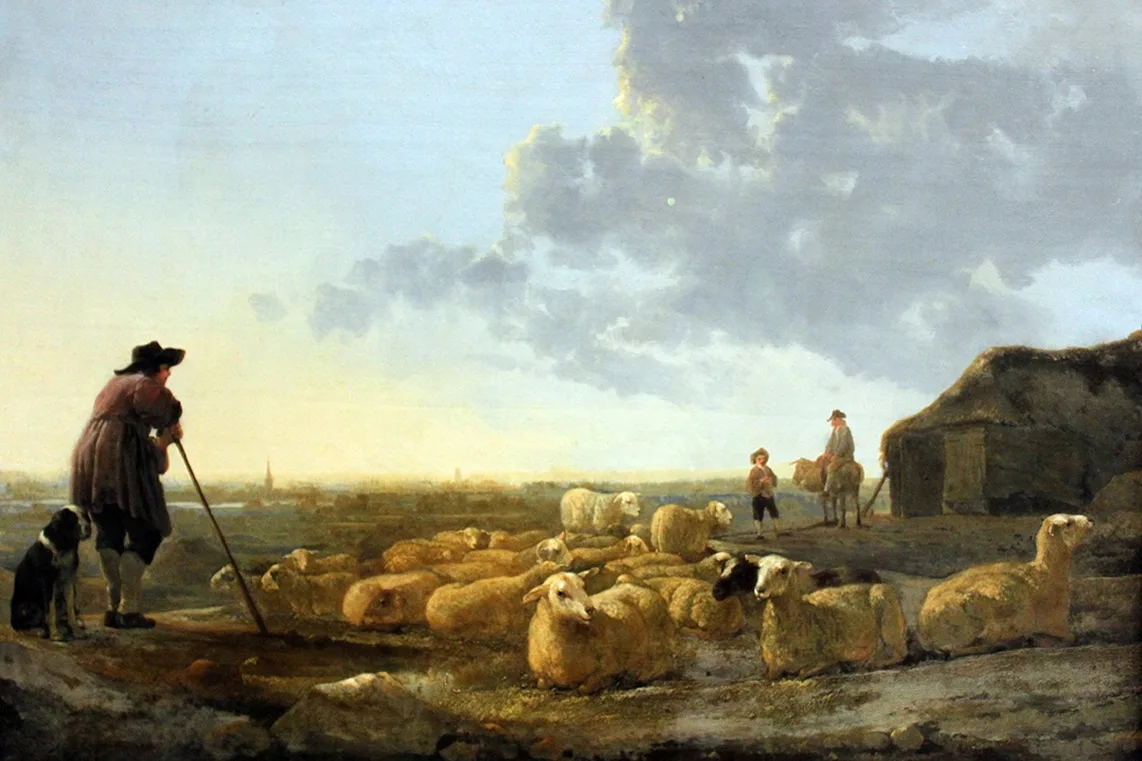
There were times in the history of this German province when sheep farming was almost the only profitable branch of agriculture. According to the statistics, in 1892 there were 7,725,447 pigs and 10,109,544 sheep (thirty years earlier there had been even more – almost 20 million). But because of strong competition and epidemics, sheep farming declined year after year, and by 1936 the number of sheep had fallen to half a million. Pork was steadily pushing mutton aside. Yet sheep continued to be kept on private smallholdings: the animals were simply too useful to the household. They provided both wool and meat. Lamb and mutton dishes appeared on the table at any time of year.
The meat eaten is mainly that of sheep aged from a few days to three years. Older animals can be eaten too, but their meat is usually tough and has a more pungent "aroma". People even joked about it: if the meat doesn't smell of mutton, it must be beef or pork. The greatest delicacy was – and still is – the tender meat of a milk-fed lamb (no more than 8 weeks old).
In the opinion of gourmets, the tastiest and most valuable meat comes from young castrated rams (up to a year and a half old) or ewes unsuitable for breeding, as well as from well-fattened sheep no older than 3 years.
Incidentally, compared with pork, mutton contains almost three times less fat and a third more iron. It contains all eight essential amino acids and is one of the best and safest sources of protein. Another very big plus is that sheep do not get tuberculosis and no parasites live in their meat.
In East Prussia mutton was valued for its dietary properties and its wealth of vitamins and trace elements: B1, B2, PP, B5, B6, B9, B12, E, D and K, salts of potassium, calcium, sodium, magnesium, phosphorus, fluorine, chromium, zinc, sulphur and chlorine, as well as cobalt, nickel, molybdenum and manganese. It is said that those who eat a lot of mutton are protected against atherosclerosis and diabetes, but may suffer from thyroid disorders because the meat contains little iodine.
Braised Leg of Lamb
In East Prussia this dish was usually prepared at Easter, when a large company gathered at the table. Braised lamb is as much a part of this religious feast as painted eggs.
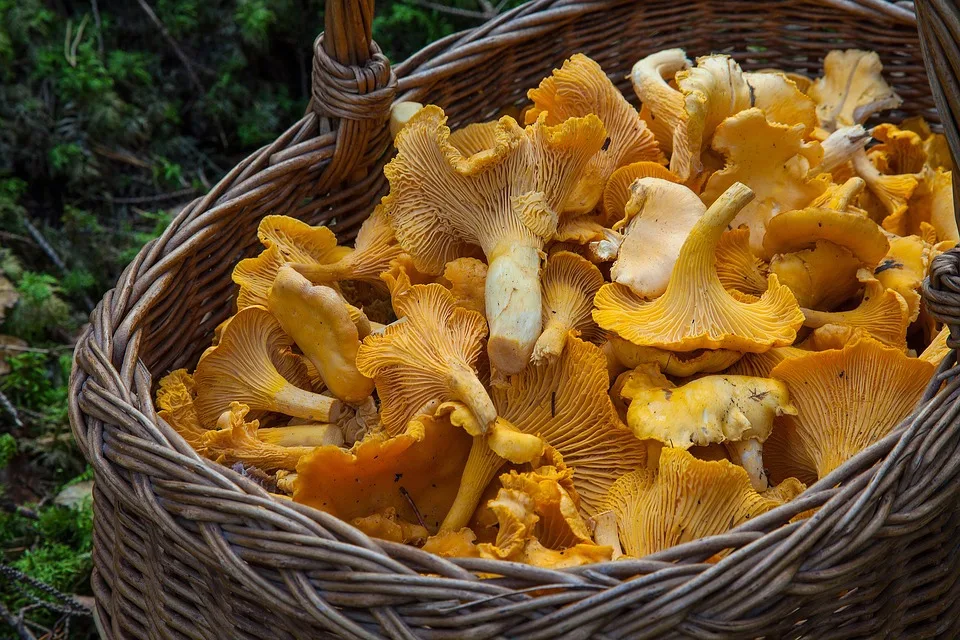
2.5 kg meat, 1 l buttermilk, 100 g smoked (pork) fatback, 2 tbsp butter, ½ l sour cream, 1 onion, salt to taste, 3–4 juniper berries, 1 bay leaf, 2 cloves, a handful of ceps (the recipe does not say what kind – most likely dried), 2 tbsp flour, salt to taste.
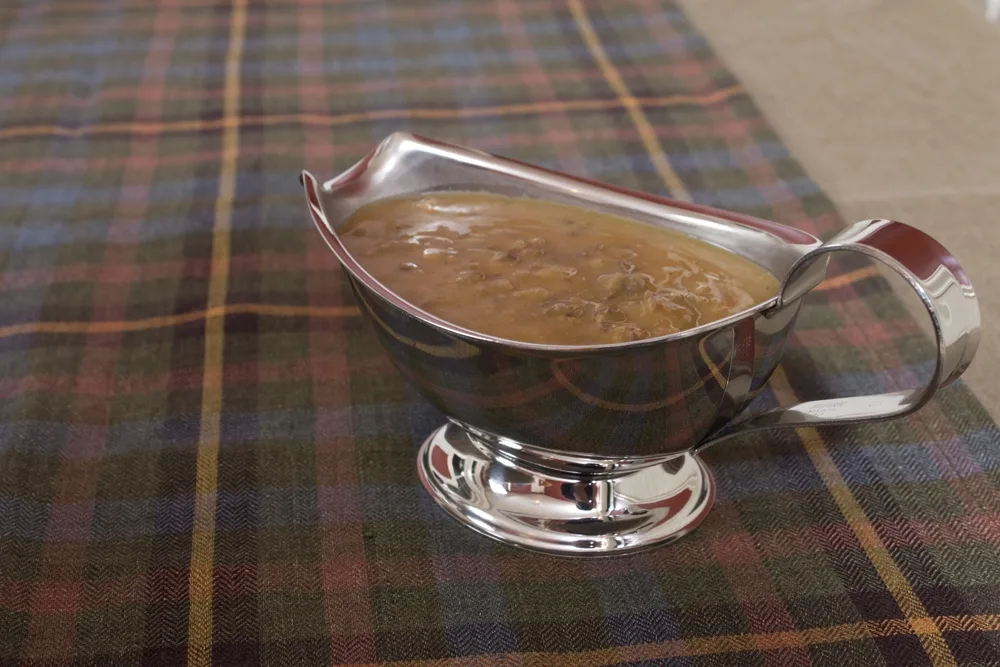
For this dish, the leg of lamb must be steeped in buttermilk for 3–4 days, then dried, trimmed of membrane and larded with thin strips of fatback. Melt the butter and the remaining fatback in a sauté pan and brown the meat on all sides. Then add a little sour cream to the pan and pour in enough hot water to just cover the meat. Add the onion, salt, juniper berries, bay leaf and cloves, and after 2 hours of braising, a handful of ceps, then braise until done. Then transfer the meat to another dish and add the remaining sour cream and the flour mixed with a little water to the stock left in the pan, and simmer over a low heat for 10 minutes. Then slice the meat and pour the sauce over it.
It was usually served with boiled vegetables, arranged attractively on a large platter around the meat, as well as boiled potatoes and redcurrant jelly.
Fried Lamb Klopse
500 g lean lamb, 30 g suet, 80 g breadcrumbs, 1 egg, 30 g butter, ¼ l water or milk, ½ tsp spices (to taste), 2 tsp salt, a grated onion, 50 g butter or fat for frying.
For coating:
Flour and breadcrumbs.
Put the suet and meat through a mincer. Mix the mince with the melted butter, warm water, spices, egg, grated onion, breadcrumbs and salt. Shape into 12 Klopse and flatten them slightly, coat them in the breadcrumbs mixed with flour and fry for at least 4 minutes on each side. The sauce was usually made from the fat left over from frying, mixed with a little hot water.
Lamb Chops with Onion Purée
10–12 chops (about 1 kg), salt to taste, 4–6 onions sliced into rings, 100 g diced smoked ham, 40 g fat for frying, 1/8 l sour cream, 30 g butter, 40 g flour, meat stock made from the chop trimmings.
For coating:
Breadcrumbs, flour, egg.
Season the prepared chops with salt and fry them in butter, coated or uncoated. Slice the onions into rings and fry them in butter until pale golden. Then dust them with flour, stir and fry a little longer. Add the sour cream and pour in enough stock to make a fairly thick mixture. Let it simmer over a low heat for another 10 minutes or so, then rub it through a sieve, warm it slightly, add the pieces of ham and season with salt. Finely chopped herbs can be added if you like. Spoon the sauce with the ham into the middle of a large platter and arrange the chops around it.
Lamb Pudding
357 g young lamb, 50 g pork fat, 1 tbsp chopped onion, 2 eggs, ¼ l warm water, 1/8 l cream, 1–2 soaked bread rolls, 2 tsp salt, a little grated lemon zest, 8–10 almonds (grated), 1–2 tbsp grated Parmesan, 100 g macaroni.
Put the meat through a mincer together with the fat, onion and soaked rolls, then add the eggs, water, cream, lemon zest, almonds and Parmesan. Mix all the ingredients thoroughly. Break the macaroni into small pieces, cook in salted water and drain in a colander. Layer the macaroni and the meat mixture in a pudding mould and cook in a water bath for an hour and a half.
Lamb with Caraway
This tasty dish is very quick and easy to make and suits any time of year.
500 g lamb (preferably loin), salt to taste, 2–3 onions, 1 stock cube, 1 tsp caraway seeds, 1 heaped tsp potato starch, ground black pepper, a pinch of sugar.
Rinse the meat and put it into boiling salted water (which should just cover the meat). Skim off the foam and add the chopped onion, stock cube and caraway. Cook for an hour and a half. When it is done, pour off the stock, mix it with the starch dissolved in water, return it to the pan with the meat and bring to the boil, adding the sugar and pepper.
Incidentally, stock cubes were widely used in East Prussia because they were cheap and convenient, although stock made from them is inferior to fresh. They were developed specifically for poor town dwellers by the Swiss entrepreneur Julius Maggi in 1882. The cubes were exported all over the world and were enormously popular.
However, as they say in the medieval farce "Maître Pierre Pathelin", "let us return to our sheep" – which our human ancestors domesticated 10,000 years ago, much earlier than the cow or the pig. They were kept not only for food but also for clothing. Today, too, sheep give us wool, skins, meat, milk and brynza cheese. And on the Muslim table mutton is considered the staple: it is the basis of the main ritual dishes.
The sheep, as it turns out, is not just meat but also a "lawnmower". Believe it or not, rumour has it that some Germans in Bonn have set up a profitable business renting out live sheep as lawnmowers. It costs less than buying machinery. Sheep can nibble even the tiniest blades of grass.
The New Zealanders have also distinguished themselves by finding an unusual use for mutton fat: they mix it with diesel fuel and use the mixture to fuel lorries.
But the Chinese proved even more "enterprising". In one province, while preparing for a motorcade of high officials to pass through, the local authorities dressed children in white sacks and stationed them on the hills. From a distance they were supposed to look like sheep and give the impression of a thriving district. It is strange that they resorted to such a "fake", since China has the largest number of sheep in the world – 144 million head. Australia comes second with 98 million.
As in the good (or not so good) old days, sheep farming remains one of the most profitable branches of agriculture in many countries around the world today.
Translated from Russian with the help of AI (Claude, Anthropic), October 2026.