Nesselbeck became known no later than 1539 as Nesselbegk. In 1542 it was mentioned as Nesselbeg, and after 1565 as Nesselbeck.
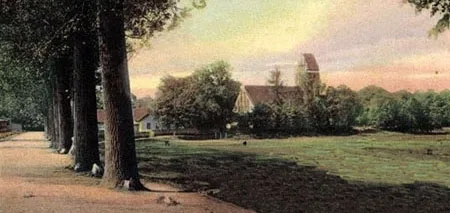
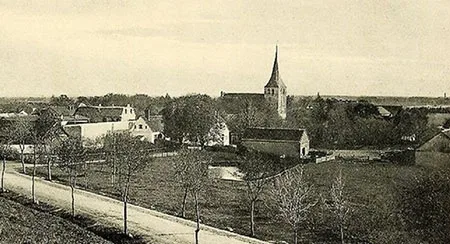
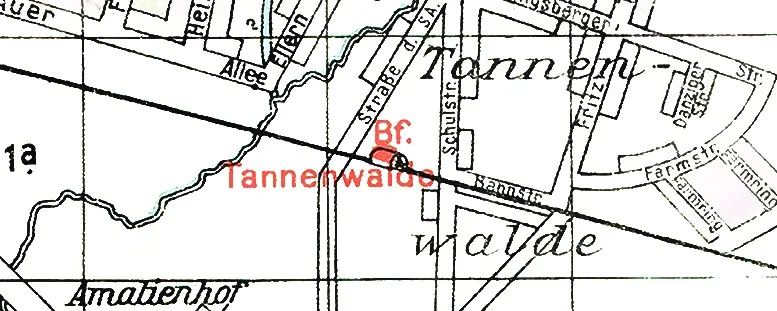
In the 19th century Nesselbeck was a manorial estate (Rittergut) which (from 26 October 1893) formed a Gutsbezirk in the Landkreis Königsberg (from 1939 the Kreis Samland). The estate belonged to the parish of Quednau (Kaliningrad, the Severnaya Gora settlement). Nesselbeck had a noble manor house with well-kept avenues and flower beds. There was a cattle yard and farm buildings. In 1874 the Nesselbeck estate was included in the newly established Amtsbezirk Trutenau (Medvedevka). In 1885 the Königsberg – Cranz (Zelenogradsk) railway opened, and a platform was built on it near the Nesselbeck estate. After the Gutsbezirk Nesselbeck was formed on 26 October 1893, it too belonged to the Amtsbezirk Trutenau (Medvedevka). Lobien, the owner of the Nesselbeck estate, held the post of head of the Amtsbezirk in 1923–26. Besides the estate itself, the Gutsbezirk Nesselbeck included the Nesselbeck halt (halt at 7 km) and the highway keeper's house (Chausseehaus; Orlovka, 54°47'45'' N 20°32'02'' E). On 30 September 1928 the Gutsbezirk Nesselbeck was abolished and incorporated into the rural community of Trutenau (Medvedevka). During the war Stalag 1F, 1E Sudau was located near Nesselbeck; about 54 thousand people died there.
On 29 January 1945 Nesselbeck was taken by troops of the 88th Guards Rifle Regiment of the 33rd Guards Rifle Division, 13th Guards Rifle Corps, 43rd Army.
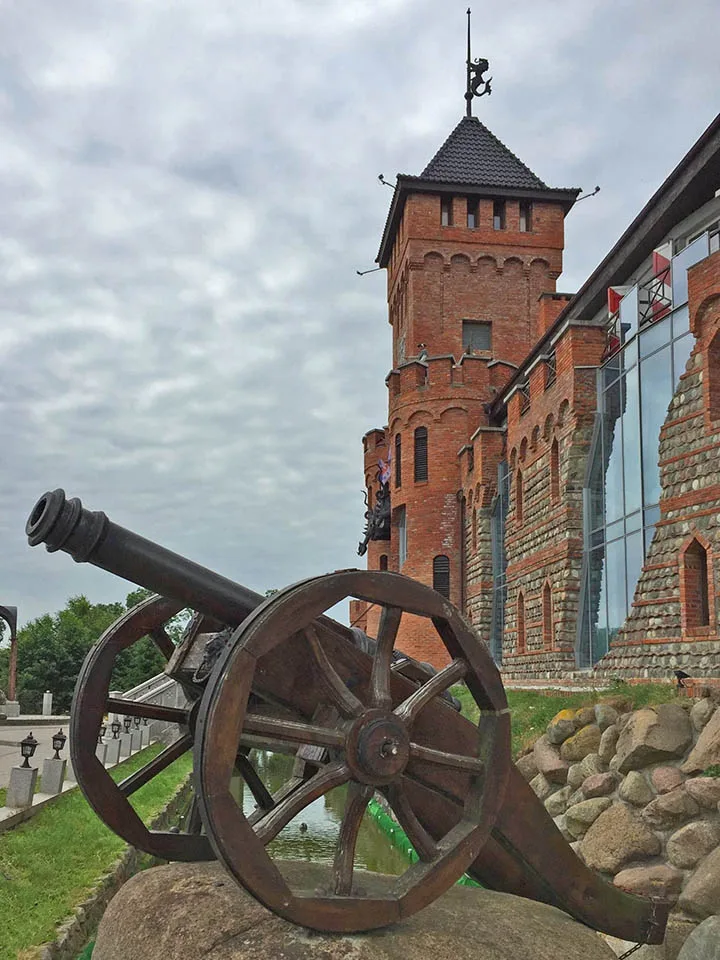
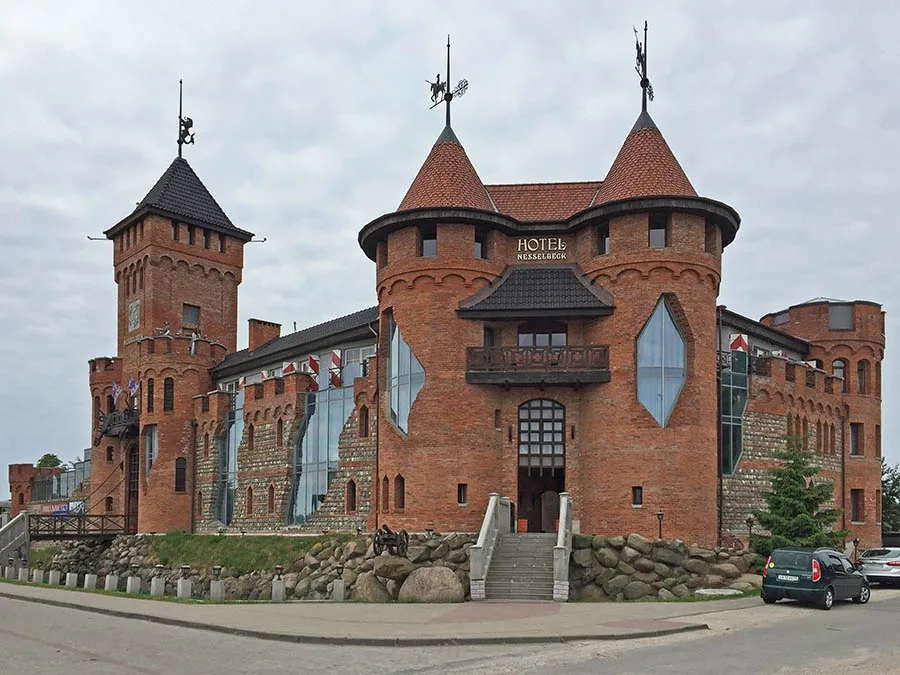
On 17 November 1947 Nesselbeck was renamed the settlement of Orlovka. Initially the settlement belonged to the Matrosovo Village Council, and from October 1950 to the Kutuzovo Village Council. In 1955 the settlement had eight houses, and in 1966 more than 10 houses. In the 1970s large-scale construction of private houses began here. In the 1990s a school was opened. In 2011 the Nesselbeck Castle entertainment complex opened.
Coordinates of the settlement: 54°47'46'' N 20°31'45'' E
Sights: a mass grave of Soviet soldiers (814 people, monument 1953), the manor house, the museum of torture and punishment in the Nesselbeck complex.
Population change: 1982 – 530, 2002 – 557, 2010 – 619 inhabitants.
As of 2011 the settlement had 182 households. Composition of the population: men – 306, women – 332, children – 146 (incl. 94 schoolchildren), pensioners – 109, disabled – 36 people.
Population change of the Nesselbeck Gutsbezirk: 1905 – 174, 1910 – 184 inhabitants.
Number of residents of the highway keeper's cottage: 1905 – 6 inhabitants.
Population of Nesselbeck station: 1905 – 7 inhabitants.
Photos by Mikhail Ogorodnikov.
Translated from Russian with the help of AI (Claude, Anthropic), October 2026.