As the result of a failed production experiment (entirely by accident!), the Berlin paint maker Johann Jacob Diesbach discovered a new blue pigment sometime between 1704 and 1706. According to the most widely told version, described in Kassia St Clair's book “The Secret Lives of Colour”, he was preparing a batch of carmine-red lake using his own signature, though very simple, recipe, which called for iron vitriol and potash (potassium carbonate). At the last moment, however, Diesbach realised that he had run out of potash, so he bought more from the alchemist Johann Conrad Dippel, in whose laboratory, by some accounts, he actually worked. Once the purchased potash was added, something went wrong. When Diesbach came into the workshop the next morning, he found a substance of a magnificent deep blue, although he had expected to get red. 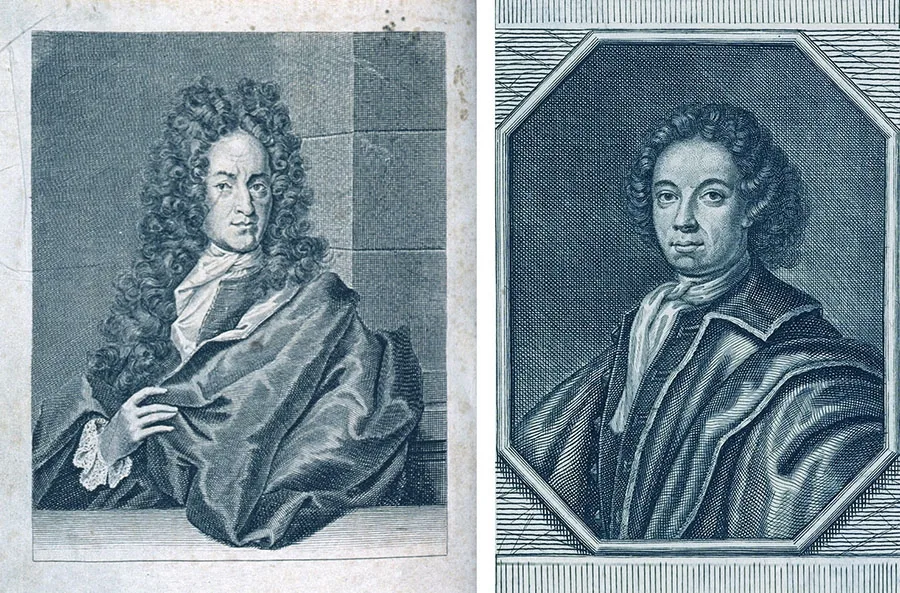 Chemist and alchemist: Georg Ernst Stahl (left) and Johann Conrad Dippel.
Diesbach rushed to Dippel for an explanation. It turned out that this unexpected reaction had been caused by the presence in the potash of animal oil, which the alchemist used to make his elixir of immortality.
The result was potassium ferrocyanide, known as yellow prussiate of potash. It was this compound that, combined with iron vitriol, produced potassium hexacyanoferrate — namely Diesbachblau, or Diesbach's blue, as the novelty was called at first.
It was not until August 1709 that the German physician Johann Leonhard Frisch, a member of the Berlin Academy of Sciences, gave Diesbach's blue the name “Prussian blue”. Frisch was also the author of the first publication on the new pigment.
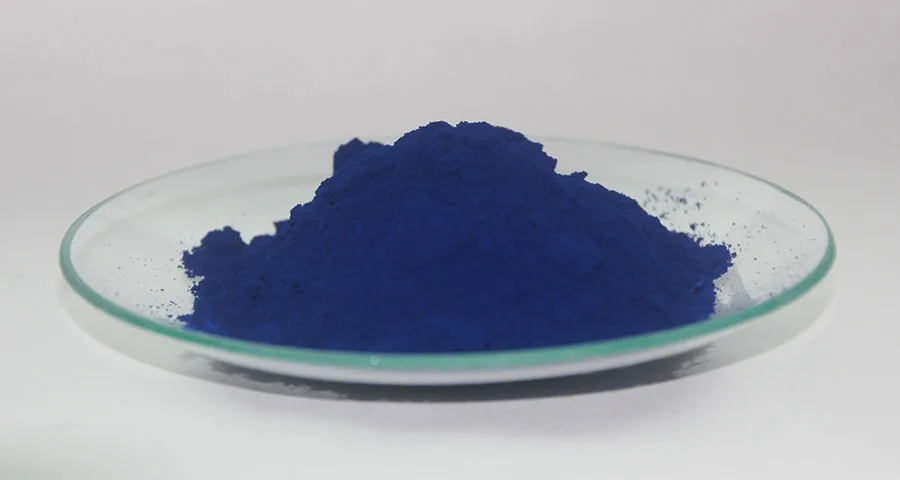
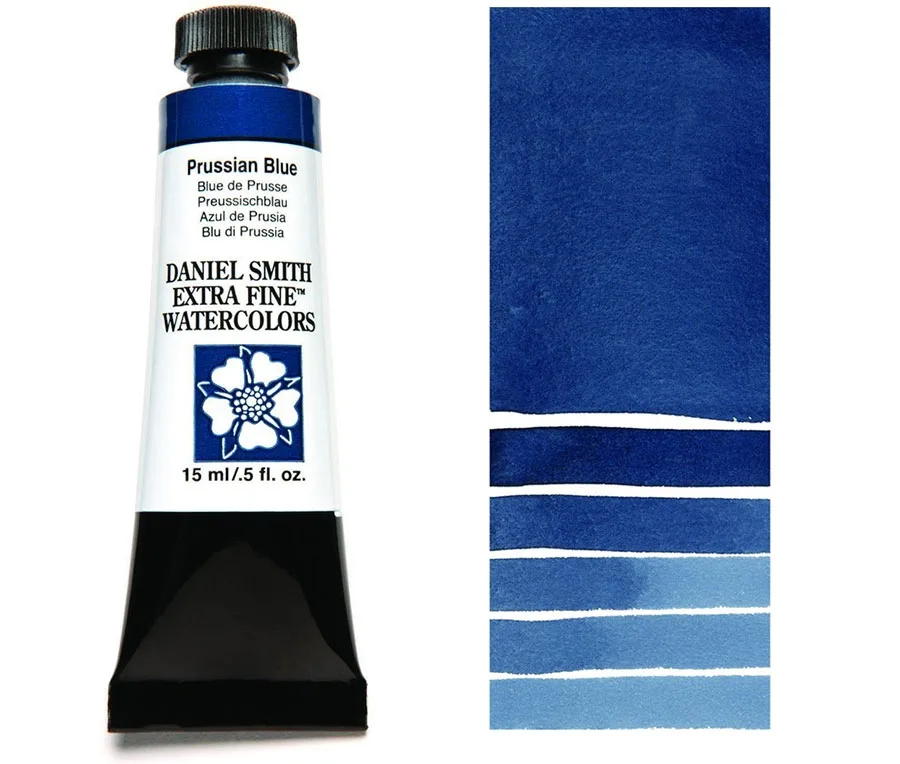
He was also involved in promoting Prussian blue on the market, at least until 1716. The German physician and chemist Georg Ernst Stahl also links Dippel's name with the invention. He began selling the paint in 1709 or 1710. Today it is hard to judge how reliable this information is, along with the related story of the pigment's accidental creation. For a long time the method of manufacture was kept secret — presumably until the Englishman John Woodward published it in 1724 in the Royal Society's journal Philosophical Transactions. In his 1835 encyclopaedia of pigments, the English physicist George Field described Prussian blue as “a very modern, deep, powerful, rich and fairly transparent colour”. 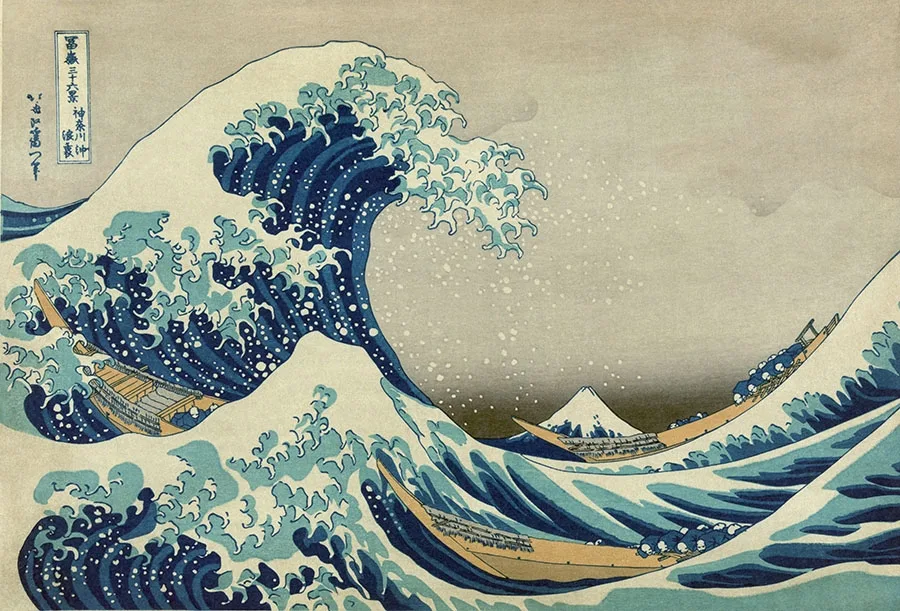 Katsushika Hokusai, “The Great Wave off Kanagawa” woodblock print from the series “Thirty-six Views of Mount Fuji” (1830).
Prussian blue was one of the first artificially produced pigments. By the mid-18th century it was being made under a variety of names — Turnbull's blue, Neublau, Milori blue, Berlin blue, Hamburg blue, Paris blue, Antwerp blue, iron blue, Chinese blue and Prussian blue proper — depending on the manufacturer and the production method.
Turnbull's blue, for example, was produced by the Scottish firm Arthur & Turnbull. For a time, a lighter version of the paint was sold under the name “Paris blue”. Other names could be found as well, but all of them were based on one and the same substance.
Among artists, the new blue (as it was also called — Neublau) caused a real sensation. It had unique covering power and a wealth of the subtlest shades. It was sold not only throughout Europe but even in Japan.
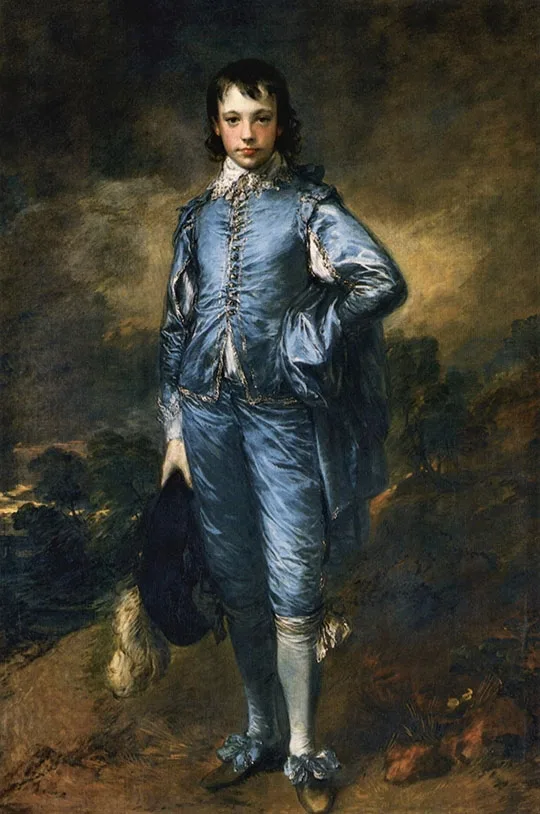
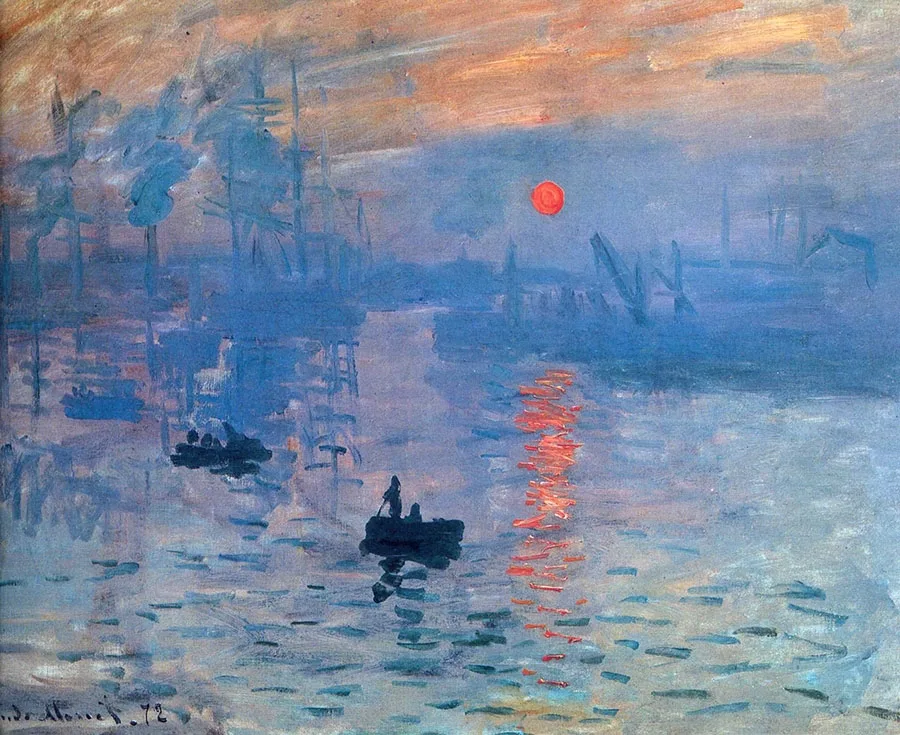
Prussian blue can be found in works by Thomas Gainsborough, John Constable, Van Gogh, Monet and Picasso. It was often used by Japanese painters and woodblock printmakers. Katsushika Hokusai used all of its shades in his series “Thirty-six Views of Mount Fuji”.
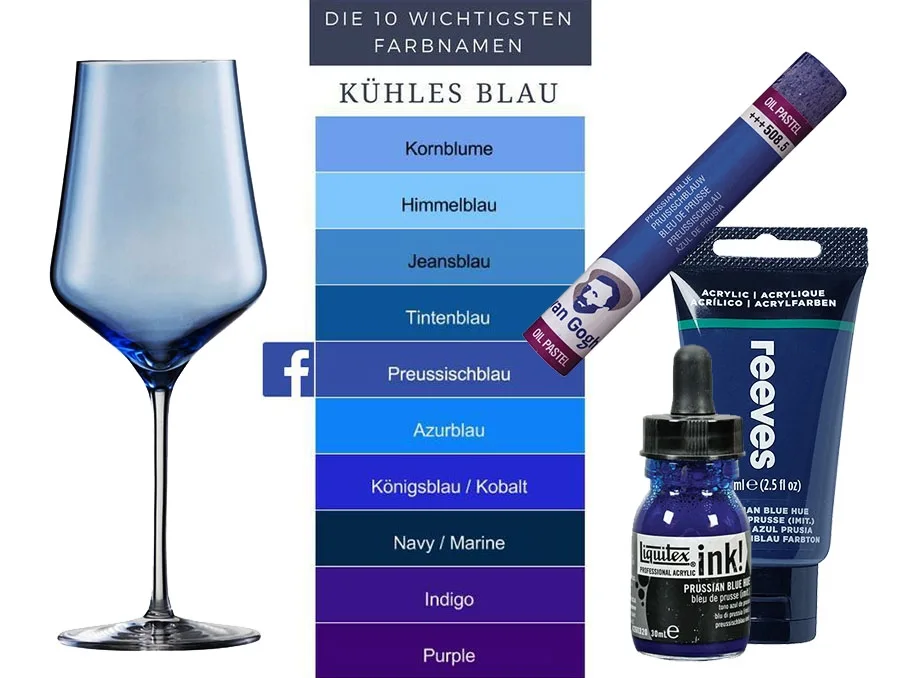
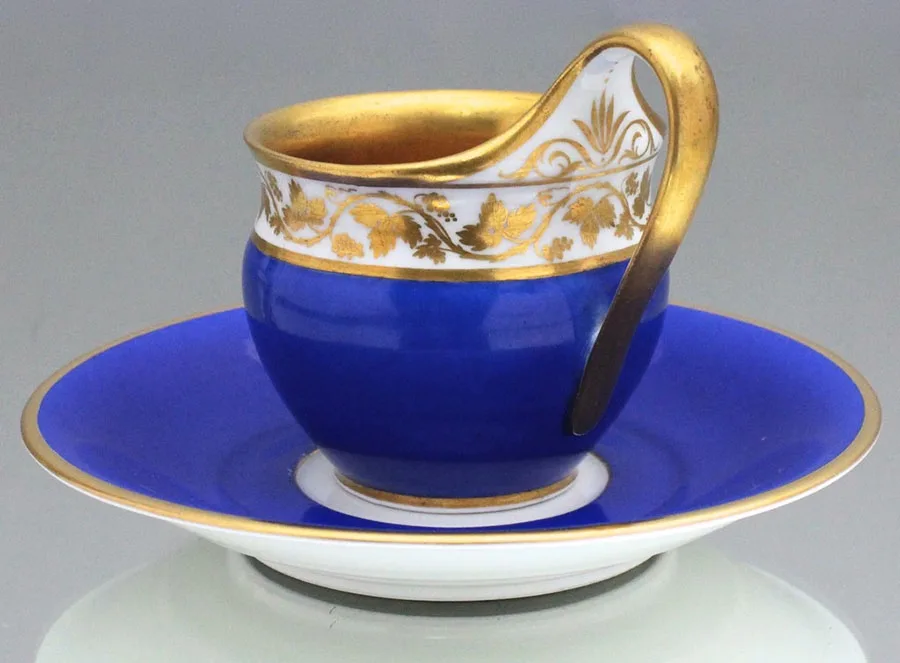
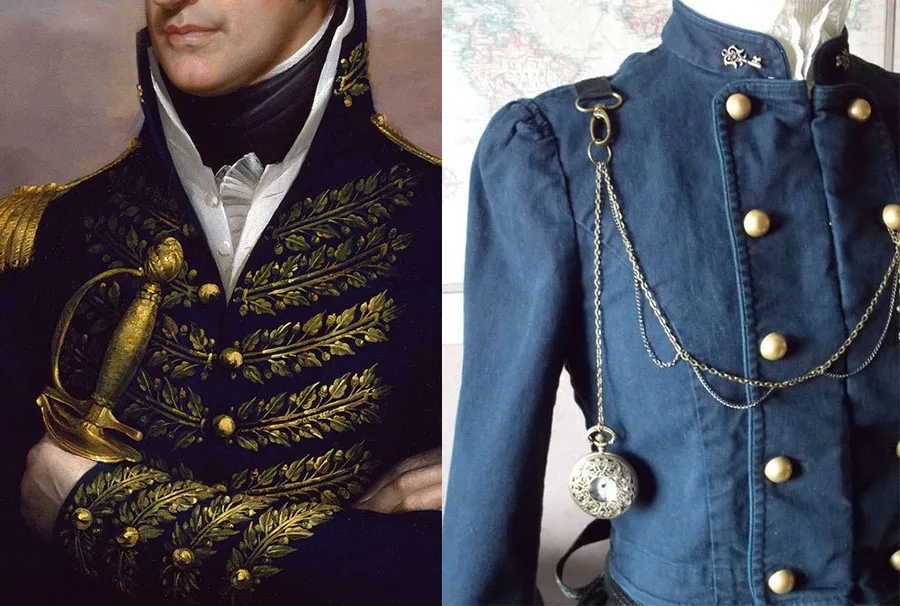
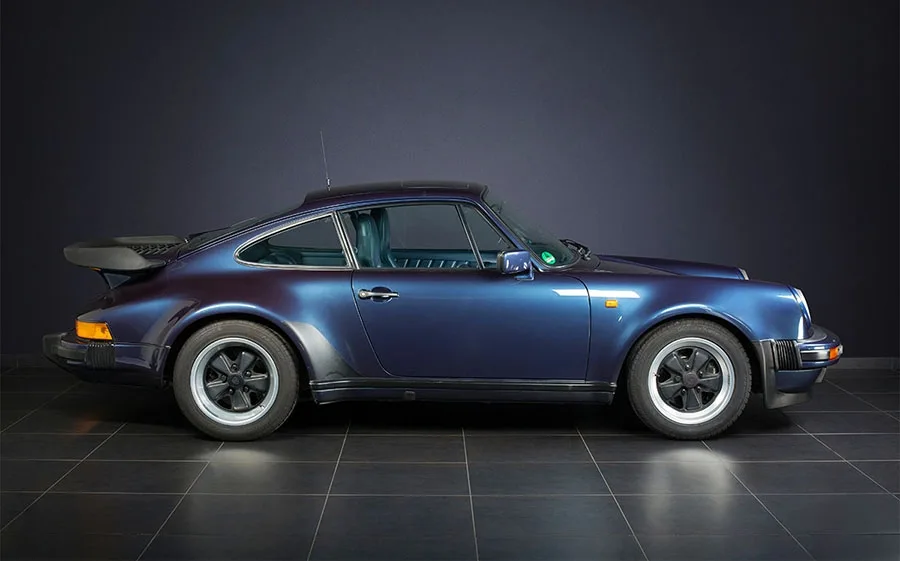
Over time, new horizons opened up for the accidentally obtained pigment: it was used not only in painting but also in heraldry, on postage stamps, in clothing, and in the production of wallpaper, building and textile paints, fabrics, tableware… In Europe the new blue pigment was sold under the original brand name Preußisch Blau.
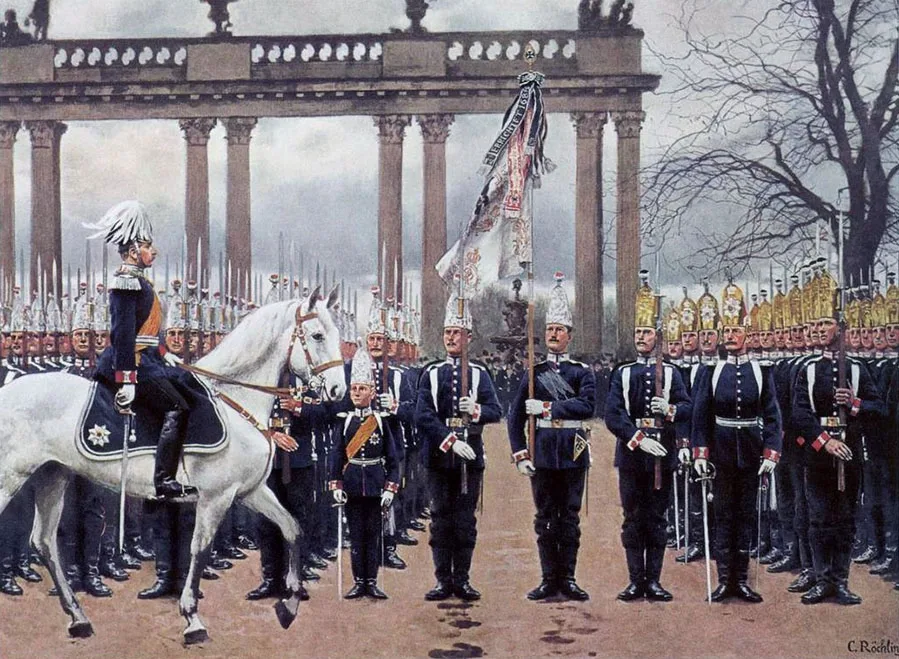
More than anyone, it was King Frederick William of Prussia who helped bring this name into everyday use, by dressing almost his entire army in blue uniforms. Ever since, the phrase Preußisch Blau has been synonymous with the Prussian army.
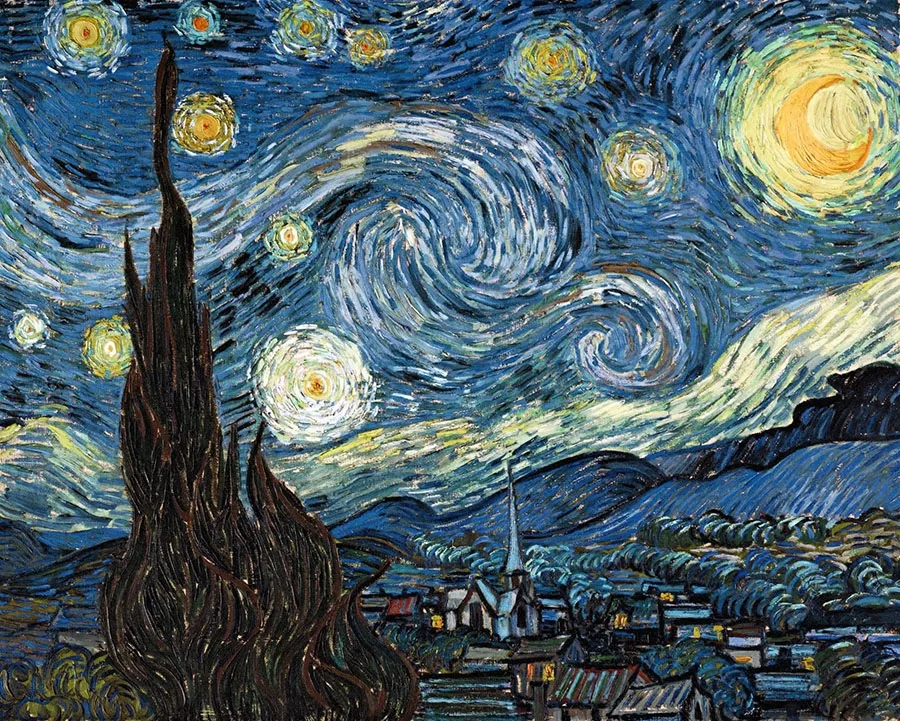
Vincent van Gogh, “The Starry Night” (1889).
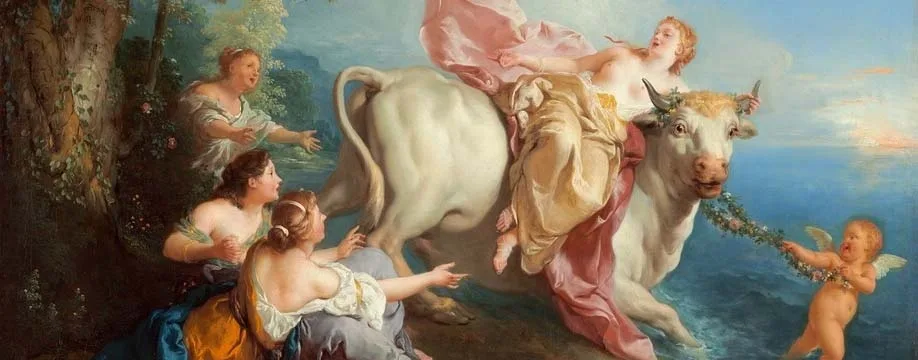
Illustration at the very top:
Thomas Gainsborough, “The Blue Boy”
Translated from Russian with the help of AI (Claude, Anthropic), October 2026.