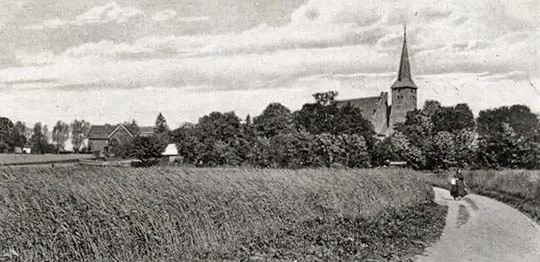
Groß Ratshof was founded back in the days of the Order under the name Propsthof. Later Propsthof belonged to the town of Altstadt, which in 1533 sold it to a member of the town council, Bernard Bertner. Under him the estate came to be called Ratshubenhof, and was then renamed Altstädtischer Ratshof to distinguish it from the Kneiphöfischer Ratshof, which lay near Rosenau (Kaliningrad, area of Chernigovskaya St.). At the turn of the 18th and 19th centuries Ratshof had six households and the Hammerkrug tavern, named after a mechanical hammer (Eisenhammer) located not far from it.
In 1806 Ratshof became the property of the bailiff Wendland Kaporn. In 1843–83 the estate belonged to one of the largest East Prussian landowning families — the von Batocki-Friebe family. In 1849 the same family acquired the Hammerkrug tavern, which was turned into a popular restaurant.
In the mid-19th century Groß Ratshof was an estate forming from 1867 the Gutsbezirk (estate district) of Ratshof in the Landkreis Königsberg (merged into the Landkreis Samland in 1939).
The estate belonged to the parish of Juditten (Mendeleyevo, Kaliningrad). The Gutsbezirk of Ratshof also included the farm (Vorwerk) of Klein Rathshof (Lomonosovo, Kaliningrad). In 1871 the Gutsbezirk of Ratshof had 13 dwelling houses, in which 34 families and two single men lived. Of these, the Groß Ratshof estate itself had 10 dwelling houses, and three more belonged to the farm of Klein Ratshof (Lomonosovo). In the course of the administrative reform of 1874 Klein Ratshof (Lomonosovo) was separated from the Gutsbezirk of Ratshof as an independent estate. The Gutsbezirk of Ratshof was at the same time renamed Groß Ratshof. On 30.04.1874 the Gutsbezirk of Groß Ratshof was included in the newly established Amtsbezirk of Juditten (Mendeleyevo). The first head of the Amtsbezirk, in 1874-80, was a member of the von Batocki-Friebe family of Groß Ratshof. Later, residents of Groß Ratshof held this post twice more: von Batocki-Friebe in 1881–84 and the estate owner Kessler in 1913–19.
On 22.12.1885 the first plots of land were ceded from the Gutsbezirk of Groß Ratshof to the city of Königsberg — the military authorities bought up areas adjacent to the fortifications.
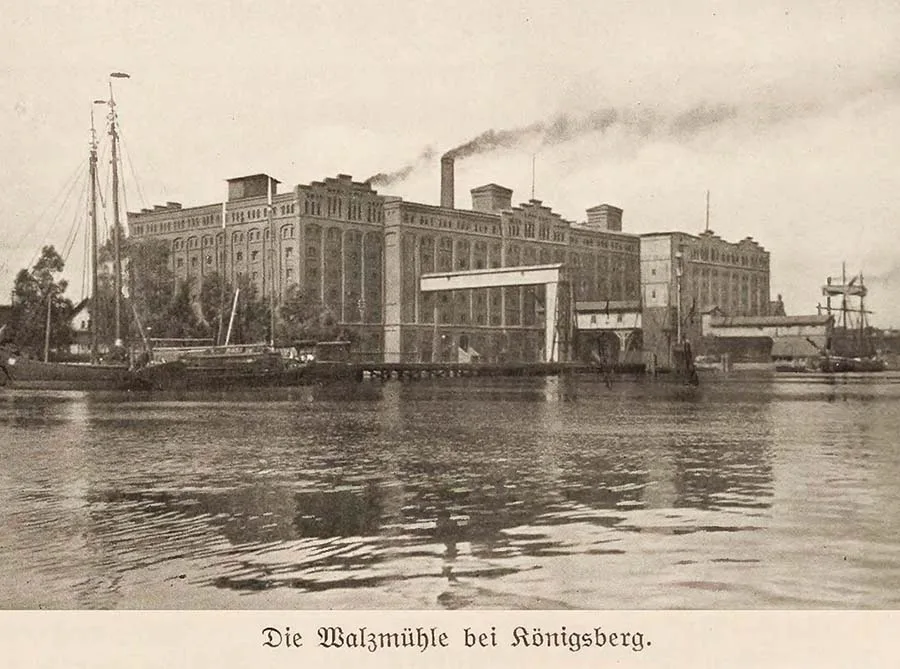
In 1890 a roller mill was built on the Holsteiner Damm embankment (Pravaya Embankment) (pictured above), and in 1897 the largest port grain elevator in Germany, holding about 60,000 tonnes of grain (see below).
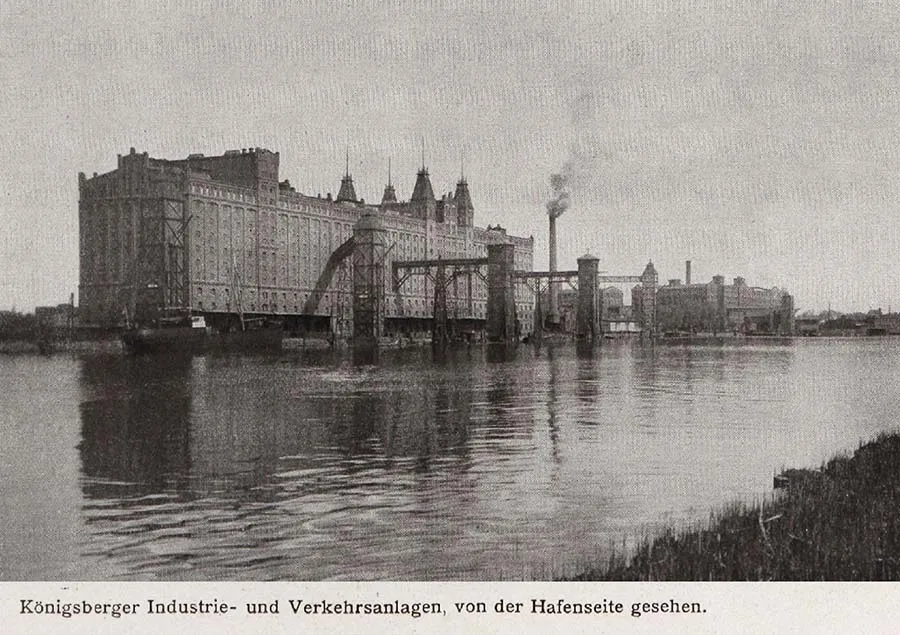 The port elevator, built downstream of the mill on the Pregel, was the largest in Germany.
At the end of the 19th century a fashion (or, as one would say today, a trend) spread for creating so-called "garden cities" / Garten-Stadt. The task of turning Ratshof into an area of this sort, with low-rise housing (mostly single-family houses), large gardens, parks and tree-lined avenues, was taken on by a private development company, the Allgemeine-Wohnungs-Bauverein. The land in Ratshof was bought up and divided into plots.
Unlike neighbouring Amalienau, the plots in Ratshof were not sold for individual building. The district was built up centrally according to a general plan drawn up by the architect Fritz Bleyer.
The plan provided for three types of houses: detached (single-family), semi-detached (two-family) and two- and three-storey apartment houses (for several families). All houses, regardless of the number and size of their flats, were equipped with a separate kitchen, a bathroom and a pantry. For the residents of multi-family houses, a shared garden with a playground and garden arbours was laid out on the grounds. In addition, families were allotted storage rooms in the basement, and every apartment house was equipped with a shared laundry and a drying room. At the same time the mandatory condition was observed that the new flats be affordable for broad sections of the population. The "garden city" of Ratshof was also to have administrative buildings, a post office, a school, a kindergarten, a police station and shops.
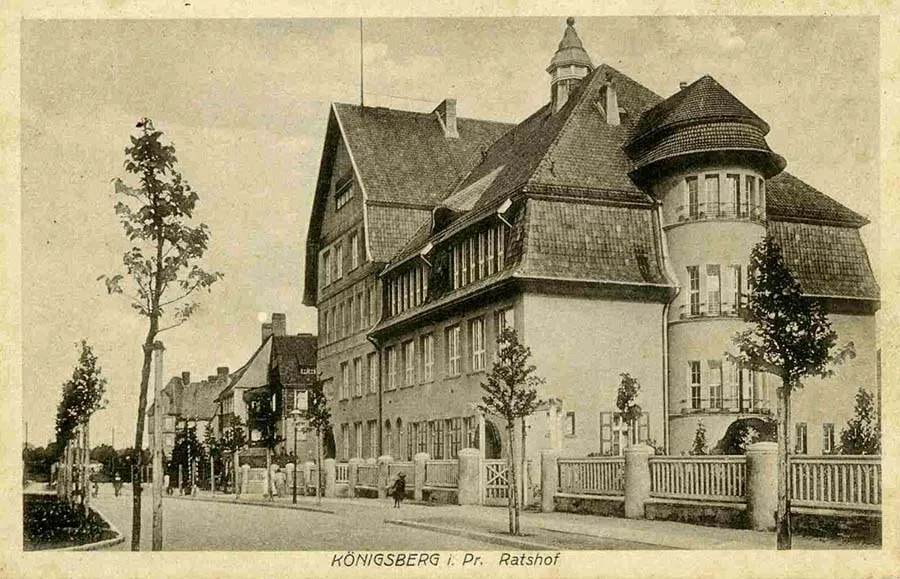
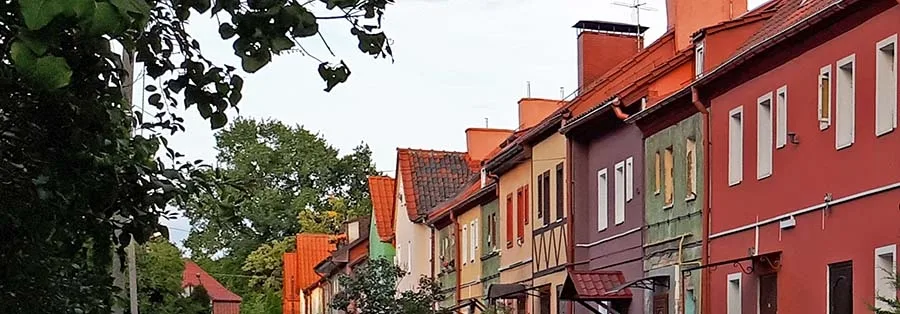
Between the district's wide main streets, narrow lanes 4–5 m wide were planned. According to the architect's idea, the distinctive feature of the district was to be the bright colouring of the building façades.
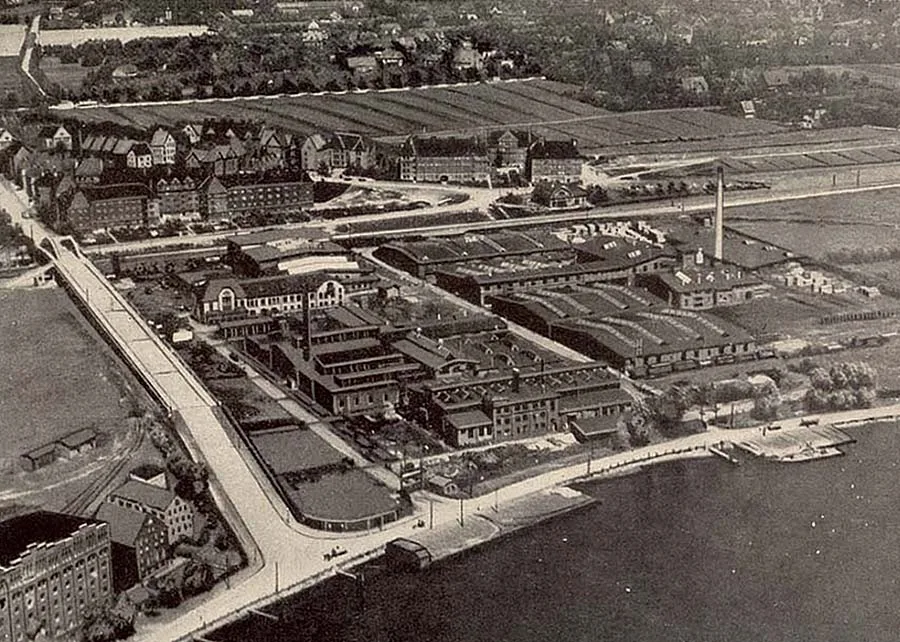 The grounds of the Steinfurt works on the bank of the Pregel.
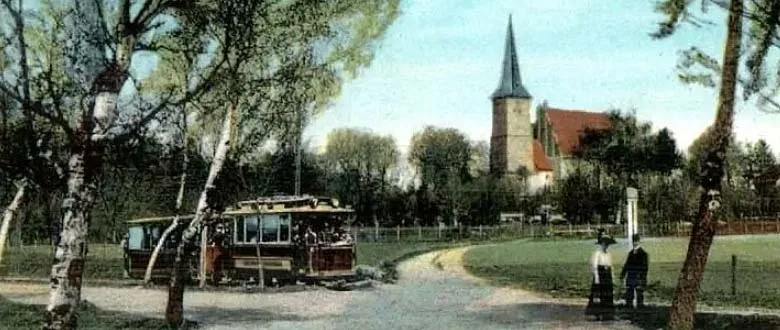
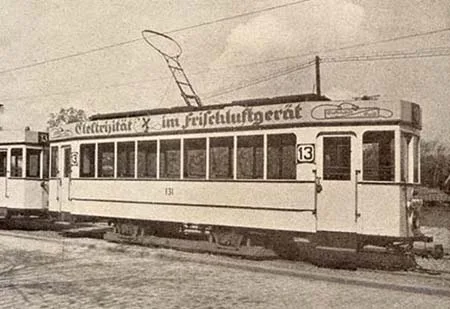
In 1903 Johann Friedrich Hubert Heumann (1835–1905), owner of the Steinfurt carriage-building company, bought a plot of land in Ratshof, on which the new buildings of his works were erected. Soon the works was moved entirely from the Weidendamm (Oktyabrskaya St.) into these new buildings. The works was known above all for producing tramcars (motor cars and trailers) of its own design for the Königsberg tramway. From 1906, as part of the building of the "garden city" in Ratshof, the construction of terraced houses for the workers of the Steinfurt works began.
On 19.10.1906 Groß Ratshof was renamed back to Ratshof. In 1910 the Scheffner School (School No. 14) was opened.
In September 1912 traffic was opened from Ratshof towards Arndtstraße (Vagonostroitelnaya St.) over a bridge across the railway tracks, built to a design by the city building councillor Schönwald.
In 1916 the Königsberg Academy of Arts moved to Ratshof from Neue Sorge (area of Frunze and 9 Aprelya streets).
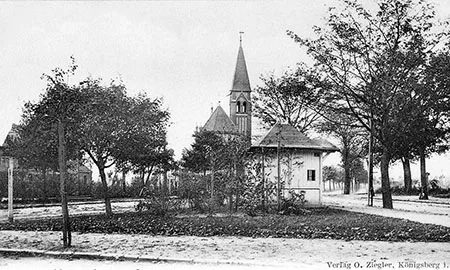
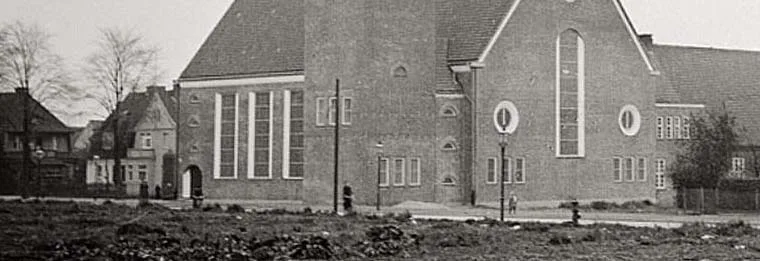
On 16.06.1927 the Gutsbezirk of Ratshof was abolished and its territory was incorporated into the municipality of Königsberg as the city district of Ratshof. Owing to the manifold increase in Ratshof's population, the question of building a church of its own arose. The church of Juditten had long been unable to hold all the worshippers, so in the first quarter of the 20th century services were held in various public buildings. Finally, in 1932, the design of the Church of Christ in Ratshof was approved; it was built in 1936–37 and consecrated on 31.10.1937. This church was the last religious building built in pre-war Königsberg.

In the 1930s Ratshof became very popular, and now wealthy Königsbergers too began building villas there. Before the war the "Apollo" cinema was opened in Ratshof.
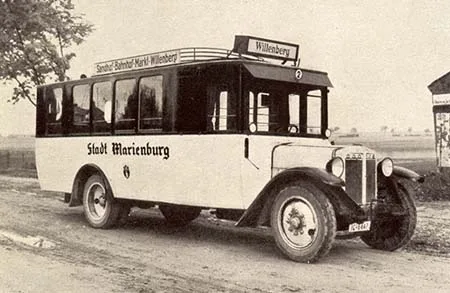
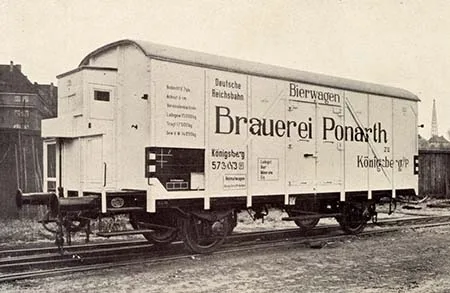
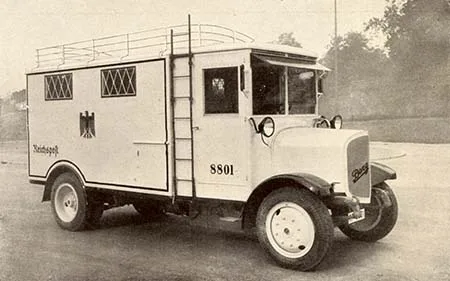
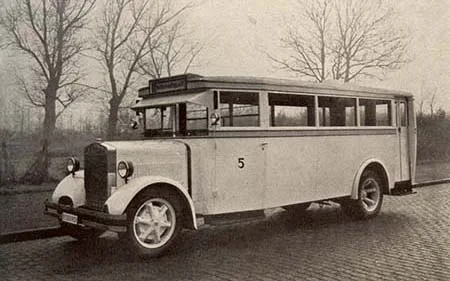
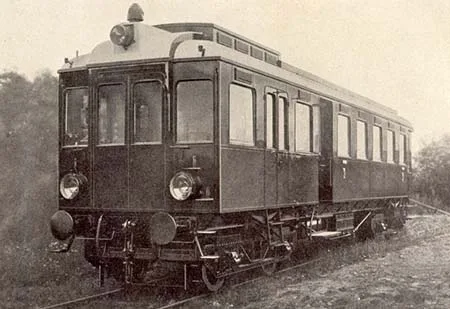
 All the Königsberg trams, and not only trams, were built at the Steinfurt works in Ratshof.
Transport links for the Ratshof district were provided by four tram routes. In Ratshof itself, on the Lawsker Allee (Pobedy Prospekt), was the terminal loop of tram No. 4, while route No. 7 went on to Juditten (Mendeleyevo). On the northern edge of Ratshof there were two tram loops: No. 3 (today's "Basseynaya" station) and No. 15 by the Hammerkrug restaurant (junction of Mira Prospekt and Karla Marksa St.).
During the fighting in the storming of the city on 6–9 April 1945, Ratshof lay in the direction of the Red Army's main thrust.
It was in Ratshof, near the "Apollo" cinema, that on 08.04.1945 the troops of the northern and southern groupings of the 3rd Belorussian Front linked up, closing the ring of encirclement around Königsberg.
The command of the Königsberg fortress garrison also planned a breakout westwards through Ratshof to link up with the Wehrmacht's Samland grouping, but the assembled forces of the garrison were unable to break through to Ratshof. In the fighting the buildings of Ratshof were seriously damaged, but the damage cannot be called fatal.
After the end of the war, in 1946, a railway carriage works was set up on the basis of the Steinfurt plant; it later became known as the Kaliningrad Carriage Works (KVZ). On 18.02.1946 the first specialists arrived at the former Steinfurt works to restore the workshops, and as early as April 1946 the plant turned out its first products. In October 1946 Kaliningrad's first cinema, "Pobeda", opened in Ratshof, in the building of the "Apollo" cinema. The habitable and restorable housing of Ratshof was occupied by the military and the first settlers. Many houses were restored in a greatly simplified form using the old foundations and the remains of the walls.
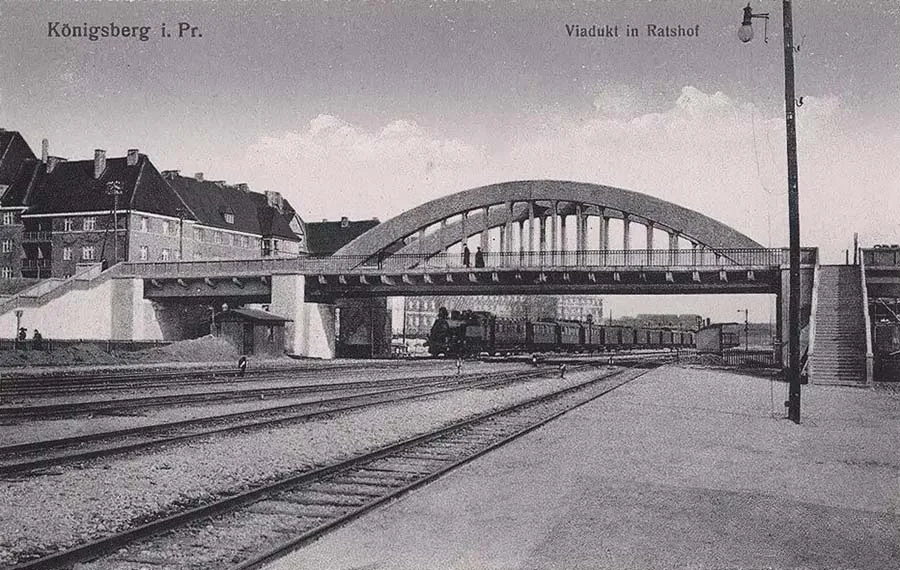 The Ratshof viaduct. This cityscape can still be seen today.
On 25.07.1948, by decision of the Kaliningrad city executive committee, Ratshof was renamed Vozdushny Gorodok ("Air Town").
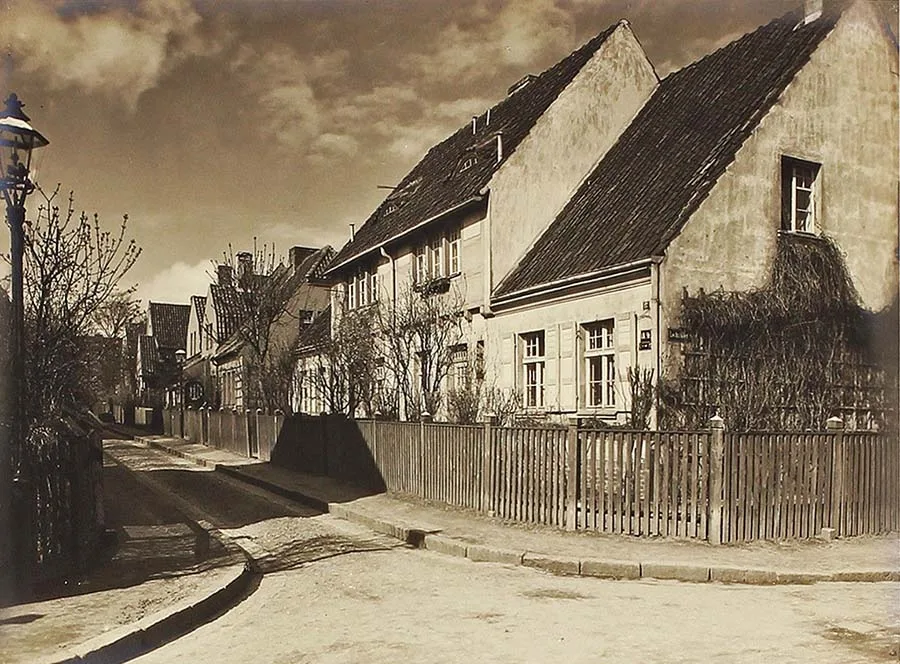 The narrowest streets of the city are still in Ratshof. Pictured: Alkstraße (now Ulyanovskaya St.).
The name "settlement of the 3rd Air Army" (after the personnel of units of that army stationed there) was also in use, but, as was to be expected, the name was simplified to "Vozdushny settlement", which was reflected in a new decision of the city executive committee of 18.08.1949. Since then the name of the Vozdushny settlement regularly appeared on city maps, featured in public transport routes and was fairly widely used by citizens in everyday speech. The boundaries of Vozdushny coincide exactly with those of the former Ratshof. In the north they ran along Leytenanta Katina St. and Mira Prospekt, in the south along Pravaya Embankment, in the west along Vozdushnaya St., and in the east along Engelsa St. Besides these, the settlement includes Pobedy Prospekt (part) and the streets Alekseya Brovkovicha, Basseynaya (part), Belinskogo (part), Vagonostroitelnaya, Yevgeniya Kolesnika, Kosogornaya, Lesoparkovaya, Liteynaya, Nakhimova (part), Neftyanaya, Poperechnaya, Radishcheva, Remontnaya, Ryleyeva, Saratovskaya (part), Stanochnaya, Ulyanovskaya, Kharkovskaya, Khudozhestvennaya, Yablonevaya Alley, and the lanes Kosogorny, Lesoparkovy, Radishcheva, Remontny and Stanochny.
In Soviet times the industry of Vozdushny was represented above all by the Kaliningrad Carriage Works. The plant produced dump cars, containers and electric loaders. After its restoration, the Kaliningrad flour mill opened in the building of the roller mill.
One of the buildings of the Academy of Arts (42 Basseynaya St.) was given over in 1947 to the regional drama theatre, until its main building on Mira Prospekt was restored in 1960. Then, in the 1960s–80s, it housed the studio of regional television, which later moved to the bank of the Lower Pond. The main building of the Academy of Arts (40 Basseynaya St.) became School No. 21 (first an eight-year school, then a secondary school). Another school (Secondary School No. 14) was opened in the building of the Scheffner School (21 Radishcheva St.). Ratshof Park, which never received a Soviet name of its own, was used by the citizens for recreation until the end of the 1970s. Unofficial bathing spots were set up on the Vozdushny Stream.
Tram links with Vozdushny were provided by the pre-war tram routes. By 1960 tram No. 1 ran along Pobedy Prospekt to the settlement of Mendeleyevo (the "TsBK-2" loop on Lesnaya Alley). Tram No. 6 went to the loop at "Basseynaya" station. By 1968 the route of tram No. 2 had also been extended to "Basseynaya" station. In the 1970s the loop of tram No. 4 in Vozdushny was on Pobedy Prospekt (opposite today's Nos. 101–105), where "Oktyabrskaya" station appeared
In 1966 the carriage works club, opened 20 years earlier, moved into the building of the local Church of Christ, after which it was called the "Carriage Works Palace of Culture". The ordinary factory club soon became a popular place of leisure for young people, acquiring the unofficial name "Vagonka".
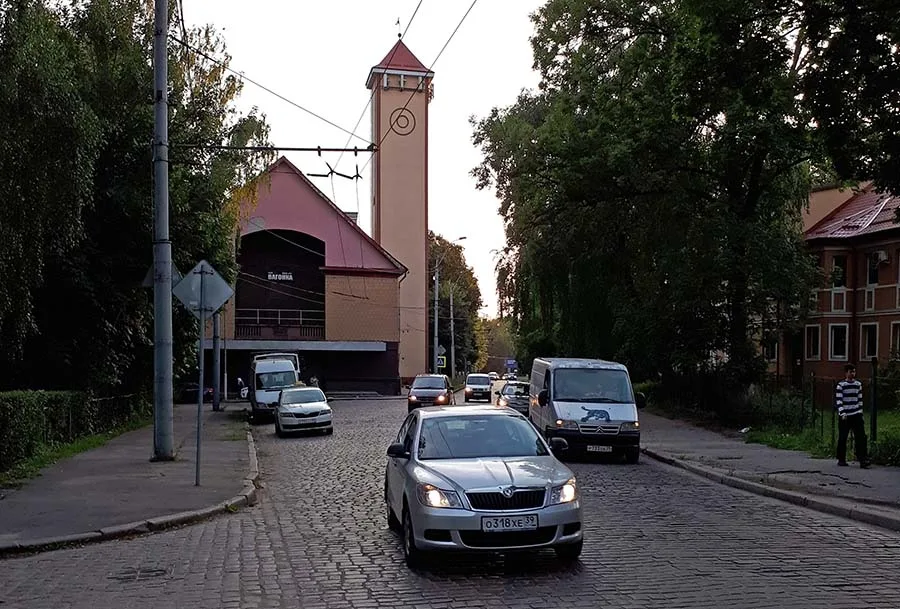 Radishcheva Street — "Vagonka" by day.
In the 1990s the club became an independent institution hosting discos and concerts. It still exists in this capacity today (2024).
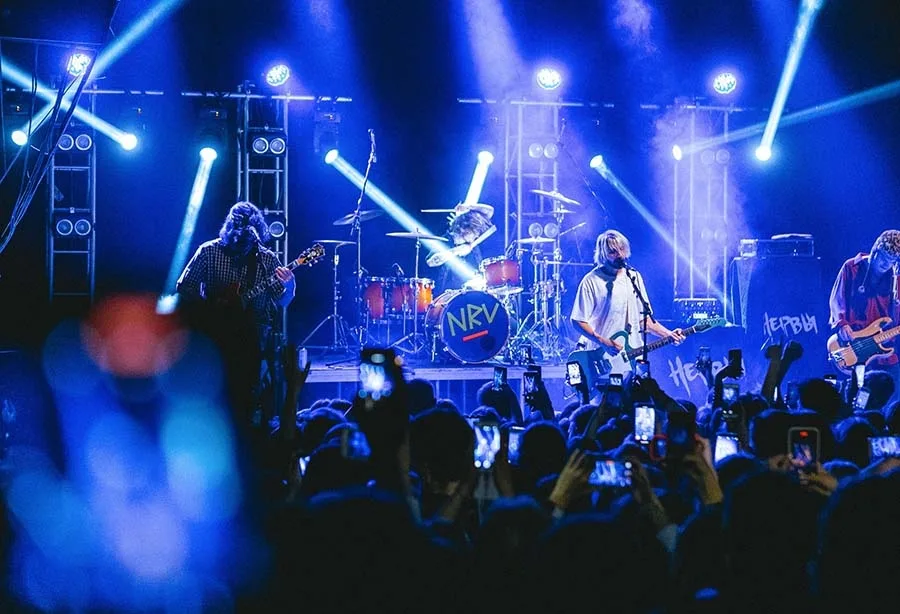 The band "Nervy" — "Vagonka" by night.
In 1991 the building of the sculpture classes (42 Basseynaya St.) was given to the Musical Theatre, which worked there until 2011.
In 2003 the last film was shown at the "Pobeda" cinema, after which it was closed. In 2011 it was converted into a shopping centre.
In 2004 tram route No. 1 to the "TsBK-2" loop was discontinued, and the loop of route No. 1 came to coincide with that of tram No. 4. In 2012 this loop too was removed, and tram traffic on Pobedy Prospekt was closed completely.
The carriage works on the whole survived the transition to the market economy, but after working under the new conditions for about 15 years it finally stopped production, becoming yet another "dead" Kaliningrad enterprise. At present (2024) there are various projects for non-industrial use of its site, but none of them has been realised. There is no talk at all of resuming production. The flour mill also ceased operating in the 2000s. The building is partly used as a warehouse but is mostly abandoned. Ratshof Park is currently (2023) neglected and littered, and the water in the stream does not meet any environmental standards.
Population of the Groß Ratshof estate: 1818 – 63, 1871 – 128, 1905 – 119 inhabitants.
Population of the Gutsbezirk of Ratshof: 1867 – 193, 1871 – 202, 1885 – 190, 1905 – 123, 1910 – 63 inhabitants.
Composition of the population of the Gutsbezirk of Ratshof in 1871: Protestant Christians – 193, Catholics – 1, other Christians – 8, children under 10 – 49, literate – 86 (of 146 surveyed, 59%), blind – 1, deaf-mute – 2.
Sights: the Roller Mill building (1890, 15 Pravaya Embankment), the Elevator building (1897, 21 Pravaya Embankment), the buildings of the Steinfurt works (1906, 49 Vagonostroitelnaya St.), the Scheffner School (1909-10, 81 Radishcheva St.), the Academy of Arts building (1916, 40 Basseynaya St.), the Church of Christ in Ratshof (1937, 10 Stanochnaya St.; the church currently houses the "Vagonka" club), the cascade fountain with Hermann Brachert's bas-relief "Hercules" (by the restaurant of the same name), the road bridge on Vagonostroitelnaya St. (1912), and pre-war buildings — surviving examples of Ratshof architecture: Vagonostroitelnaya 3-5, 7, 9; Liteynaya 1-3, 2-4, 5, 6-8, 7, 9; Neftyanaya 2, 3, 5, 7-9, 11, 13; Pobedy Prospekt 42, 67, 71; Radishcheva 83-85, 87-89, 91-93, 95-97, 104-106; Remontnaya 4; Ryleyeva 3; Stanochnaya 7-9, 10-12; Ulyanovskaya 11-17; Kharkovskaya 59-75. (Poperechnaya and Ulyanovskaya are the narrowest streets in Kaliningrad.)
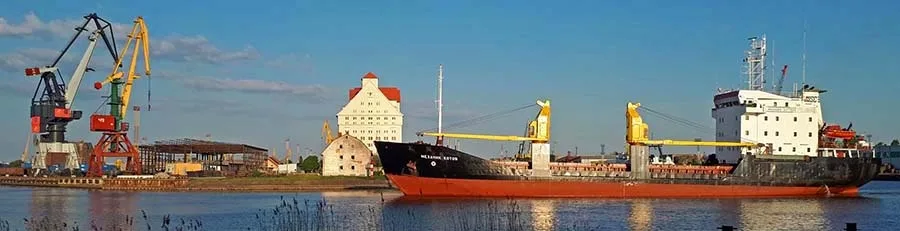
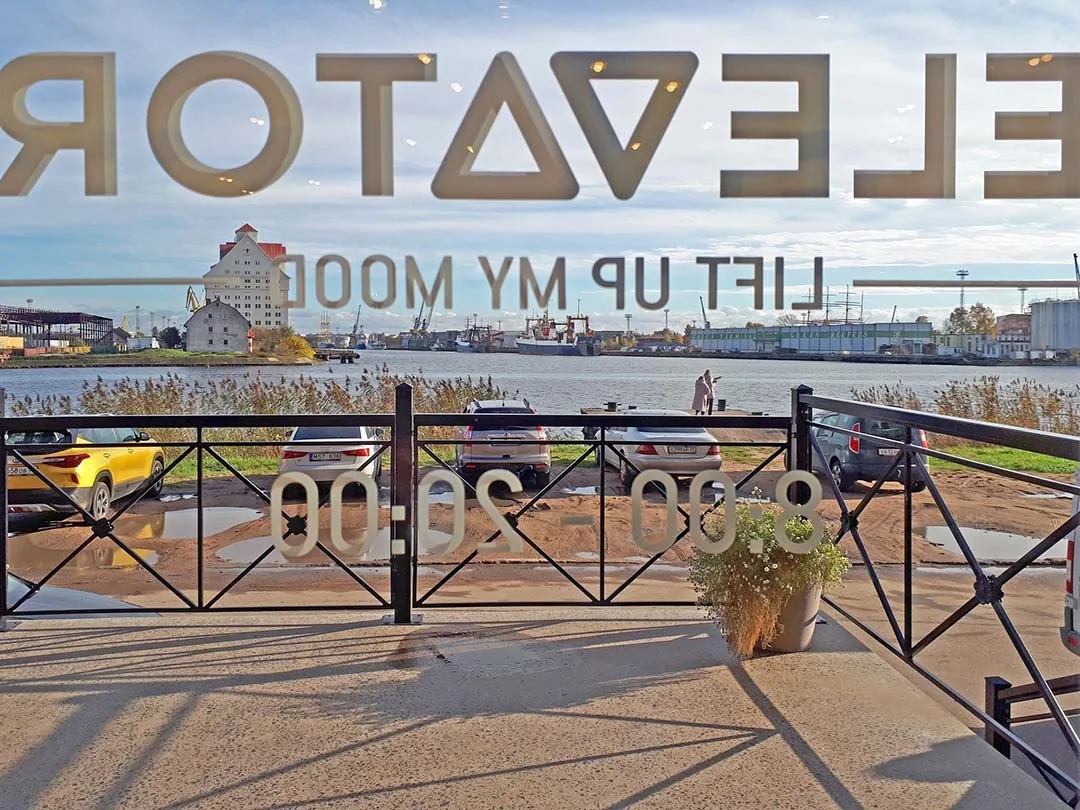
P.S. In recent years the most fashionable and popular spot in Ratshof has been the bank of the Pregolya with its view of the port by the "Elevator" coffee house, a mecca for lovers of good coffee, which opened in the building of the Königsberg grain elevator in 2021. There is no other place in this city where you can sit over a cup of exquisite coffee contemplating old German port cranes and the masts of the barques "Sedov" and "Kruzenshtern". On a quiet, warm summer evening, when the rays of the setting sun glide over the river, soothing even the eternally fussy gulls, and slowly passing yachts create a particularly meditative mood, one could come to believe in Kant.
Photos on this page: Bildarchiv Ostpreußen / bildarchiv-ostpreussen.de, the "Vagonka" club, Mikhail Ogorodnikov.
Translated from Russian with the help of AI (Claude, Anthropic), October 2026.