Rauschen is first mentioned in 1258 as Rusemoter in documents of Ermland. The settlement of Rusemoter probably arose where the southern shore of Lake Tikhoye lies today. In the time of the Teutonic Order the Katzbach stream was dammed to form a pond, the Mühlenteich; on its north-eastern shore a mill was built, which became the largest mill in Samland.
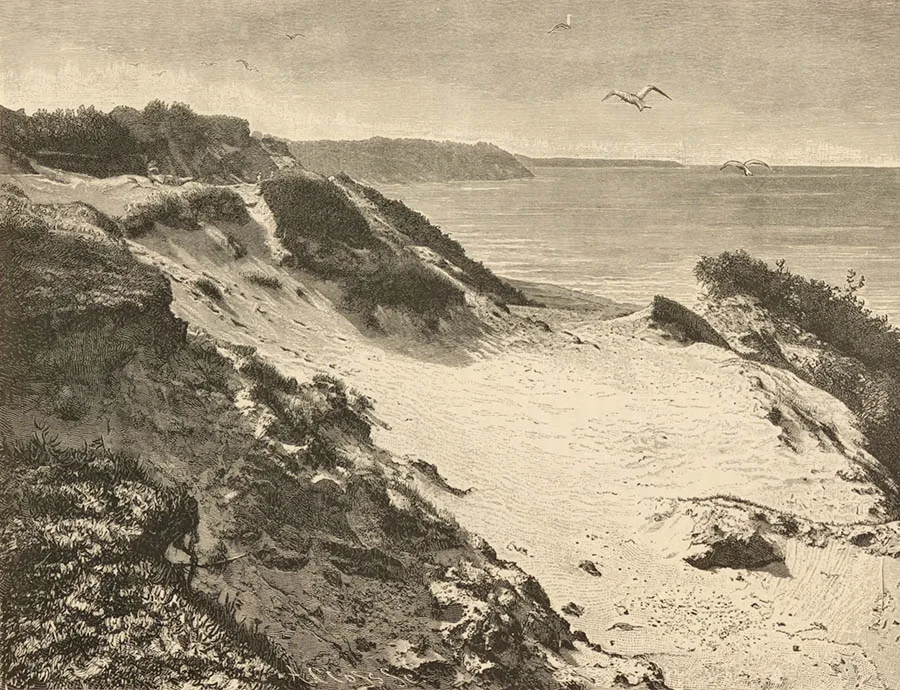
In the early 19th century, when outings into the countryside came into fashion, an inn with guest rooms was opened near the Rauschen mill, and travellers began to stay there. The beauty of the area made Rauschen a very popular holiday spot.
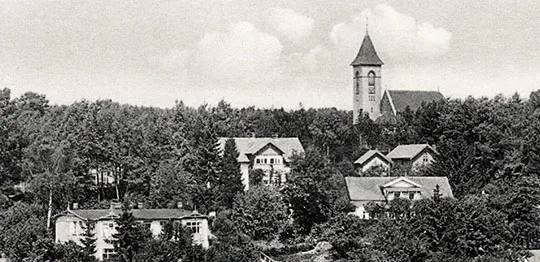
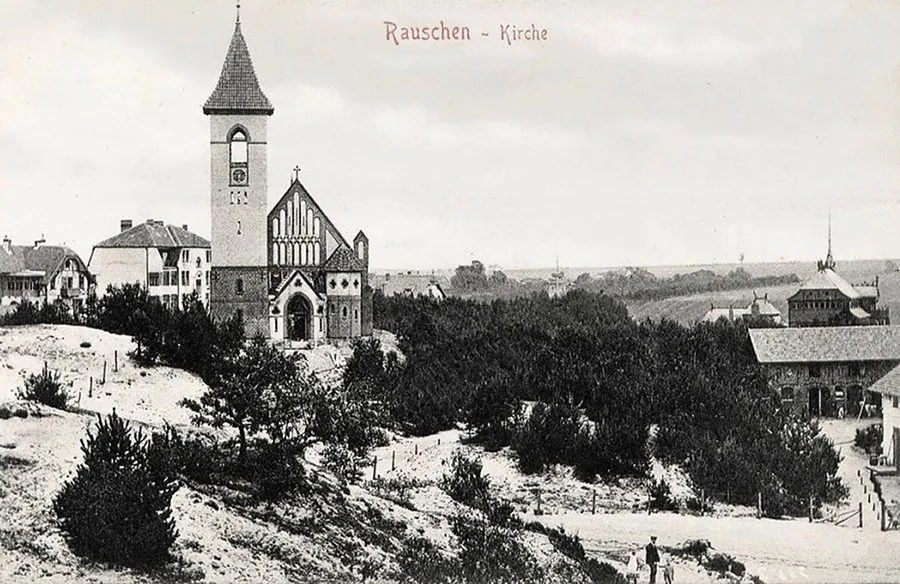 Rauschen was a village among dunes, whereas today's Svetlogorsk is a town in a forest.
On 24.06.1820 Rauschen officially became a resort. After the newly crowned Frederick William IV (1795–1861) visited Rauschen in 1840, the dunes began to be planted with greenery and paths down to the sea were laid out on his orders, which made Rauschen even more popular with lovers of country holidays. In the first half of the 19th century Rauschen was visited by the composer Carl Otto Ehrenfried Nicolai (1810–41) and the philosopher Friedrich Wilhelm Christian Carl Ferdinand von Humboldt (1767–1835).
In the 19th century the village of Rauschen formed a rural municipality in the Landkreis of Fischhausen (from 1939 Landkreis Samland). Until 1929 the village belonged to the parish of Sankt Lorenz (Salskoye).
In 1874 the municipality of Rauschen was incorporated into the newly established Amtsbezirk of Neukuhren (Pionersky). On 01.07.1901 the rural municipalities of Rauschen, Kobjeiten (Selsky) and Sassau (Zarechny) were merged into a new rural municipality of Rauschen. On 25.05.1910 the municipality of Rauschen was separated from the Amtsbezirk of Neukuhren (Pionersky) to form the new Amtsbezirk of Rauschen, in which it remained the only constituent until 1945. On 01.12.1928 the municipality of Kirtigehnen (54°55'42'' N 20°10'05'' E) became part of the municipality of Rauschen.
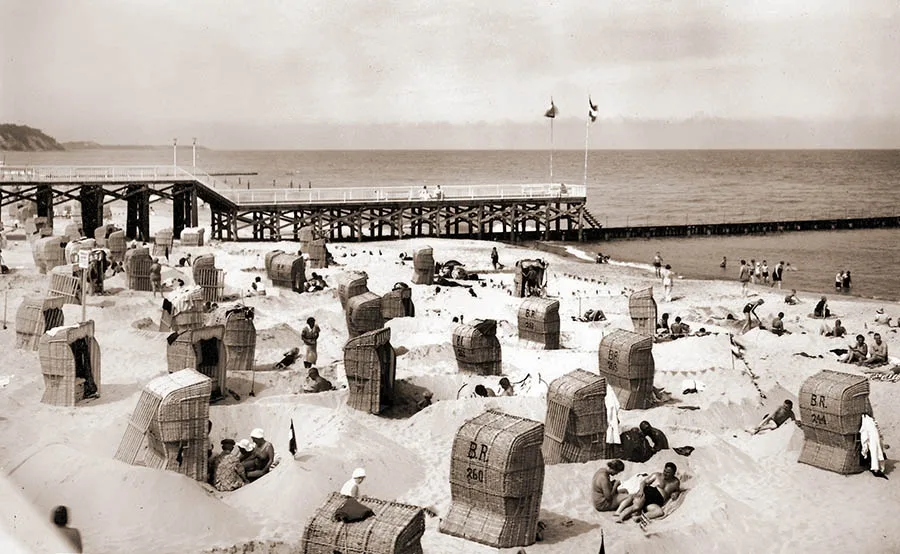
On 14.07.1900 traffic opened on the Samland Railway (Samlandbahn). From that moment Rauschen's rise as a resort began. In the same year a railway station was also built in Rauschen.
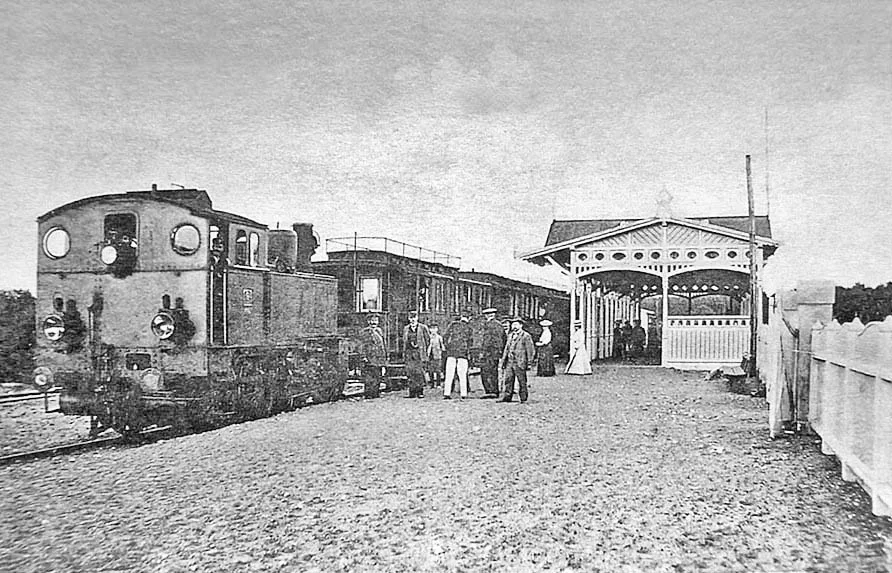 The station in old Rauschen looked like a beach and put one in a relaxed mood.
In 1906 the railway was extended to the locality of Rauschen-Düne (Svetlogorsk II). In 1907 the church in Rauschen, designed by the architects Kuckuck and Wichmann, was opened. In 1907–08 a water tower was built, and next to it the building of a hydrotherapy centre. In 1908 the first wooden promenade was laid out along the shore. In 1912 a funicular down to the beach was opened. After the First World War a power station and a sewerage system were built in the town. In the first half of the 20th century many well-known people visited Rauschen, including Käthe Kollwitz (1867–1945) and Thomas Mann / Paul Thomas Mann (1875–1955).
On 14.04.1945 Rauschen and its surroundings were occupied by troops of the Red Army.
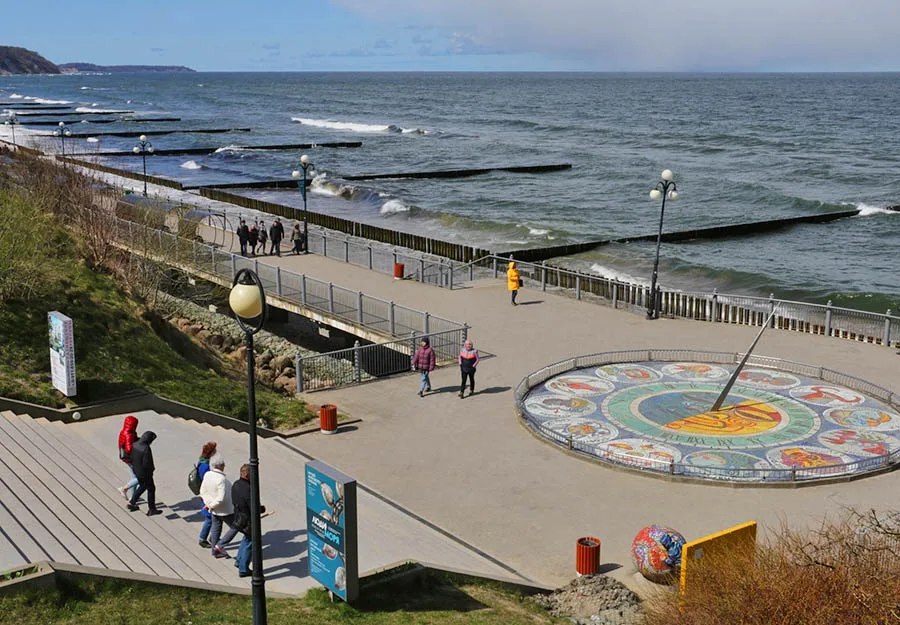
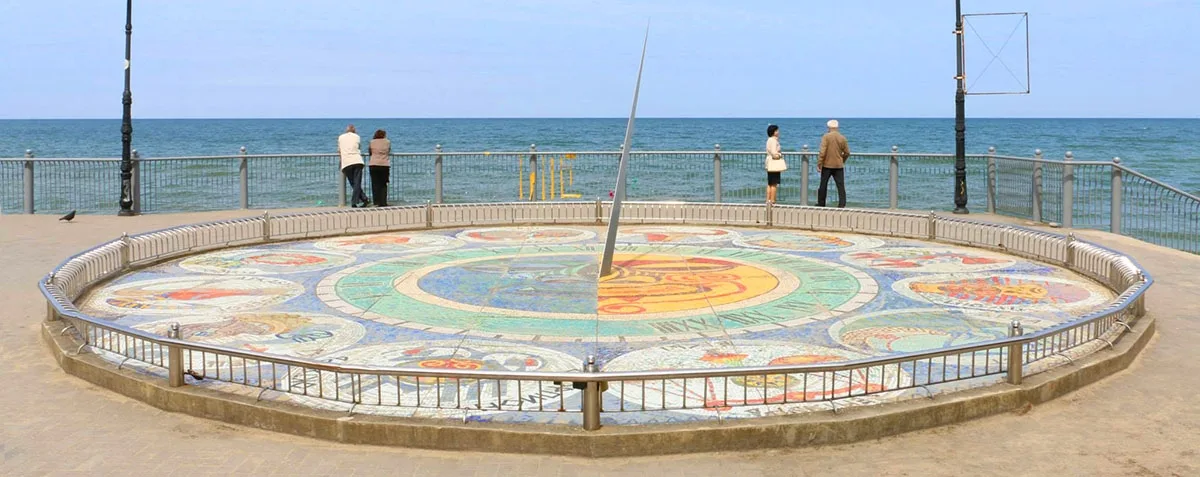
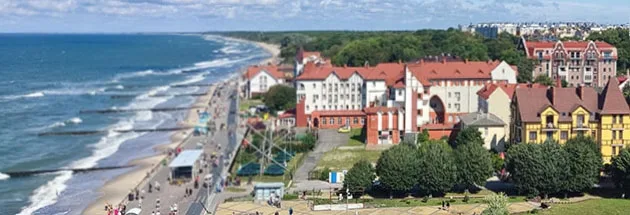
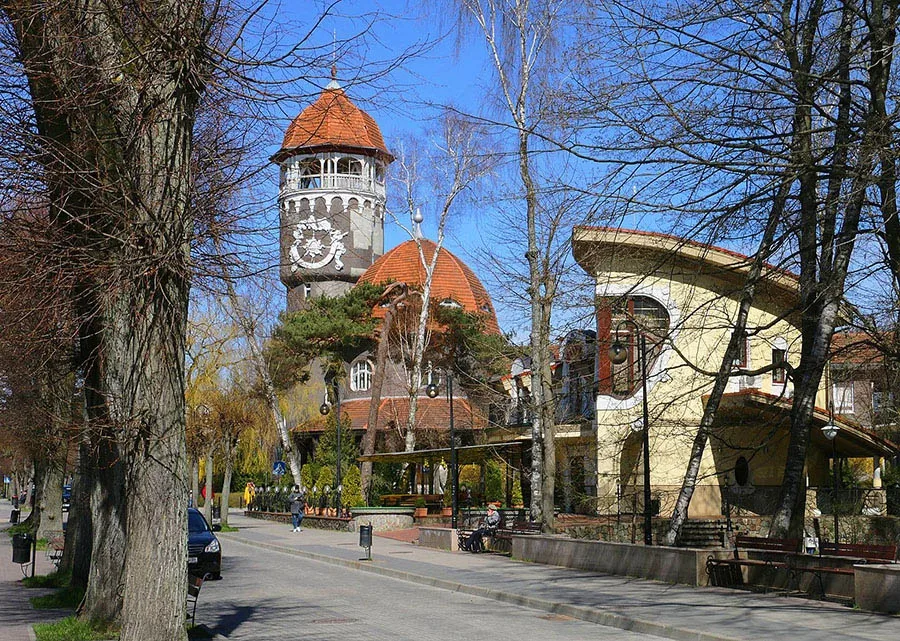 Sundials created by Nikolay Frolov adorn the promenade (above) and the water tower.
On 17.06.1947 Rauschen was renamed Svetlogorsk.
In 1971 the town was granted the status of a resort of republican importance.
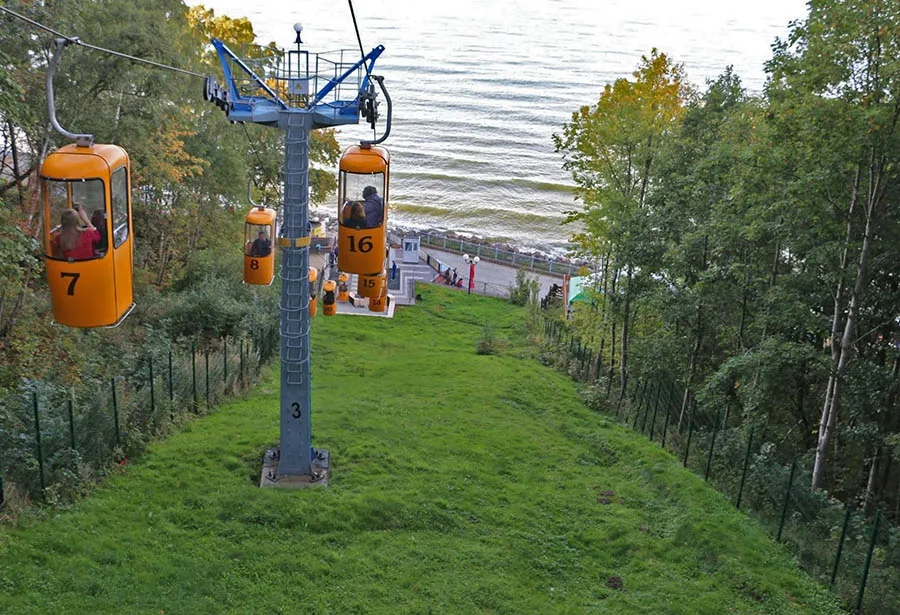
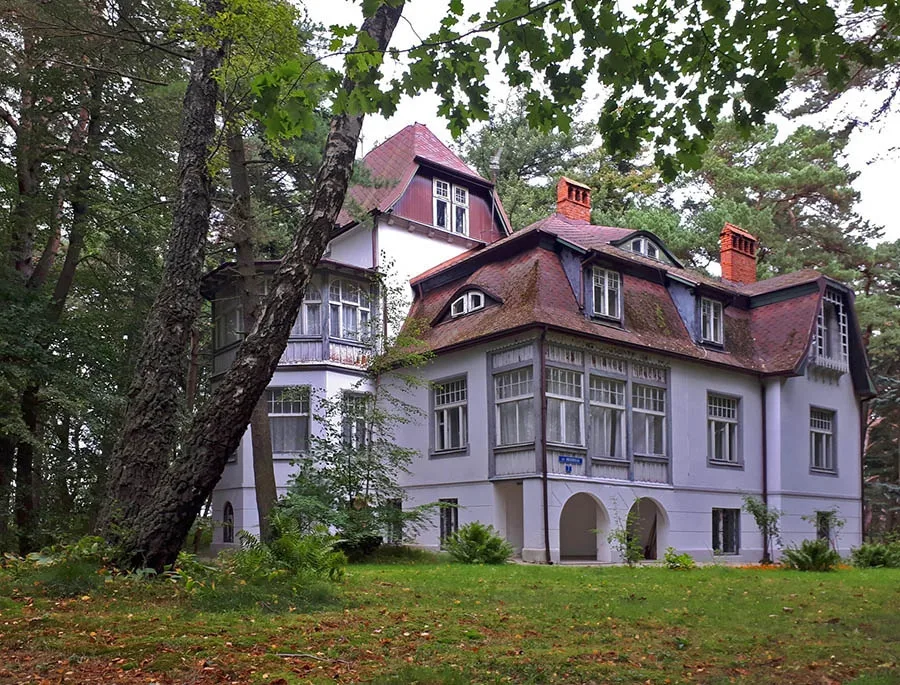 The cable car (above) leads up to the high shore, where luxurious villas lie hidden in the shade of the trees.
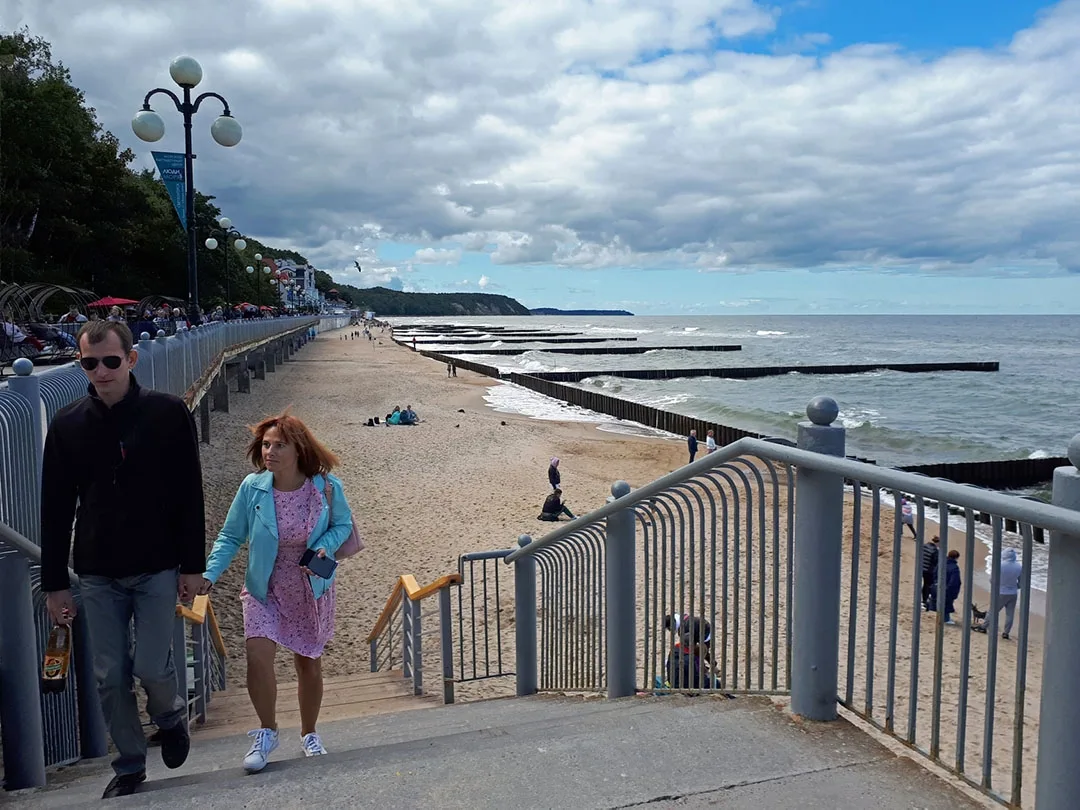
In 1978 a sundial designed by the local sculptor Nikolay Frolov was installed on the tower of the hydrotherapy building. In 1995 the organ hall opened. On 29.03.1999 Svetlogorsk became a resort of federal importance. In 2007 Svetlogorsk District was created, uniting seven settlements. On 06.06.2014 a new cable car to the sea was opened. In 2015 the Yantar Hall concert venue opened, and in the same year the annual festival "Golosyashchiy KiViN" moved there. In 2019 a new promenade was built.
Sights: the water tower and hydrotherapy building (1908), the Lutheran church (architects Otto Walter Kuckuck and Ernst Wichmann, 1907), the Catholic chapel, now an organ hall (1931); in Svetlogorsk proper (excluding the settlement of Otradnoye) about 40 pre-war villas survive (mostly from the early 20th century), buildings of pre-war resort architecture, the sundial on the promenade (1974), originals and copies of sculptures by Hermann Brachert: "Nymph" (1938), "Woman Carrying Water" (copy), the ruins of two memorials to those killed in the First World War, three centuries-old lime trees on the shore of the Mill Pond, a memorial on the mass grave of Soviet soldiers (1984, about 50 people), and numerous post-war sculptural compositions.
Population trends: 1933 – 2178, 1939 – 2544, 1959 – 6726, 1970 – 7797, 1979 – 9982, 1989 – 11,881, 1998 – 13,200, 2002 – 10,950, 2009 – 11,132, 2010 – 10,772, 2012 – 10,982, 2013 – 11,219, 2014 – 11,522, 2015 – 12,014, 2016 – 12,425 inhabitants.
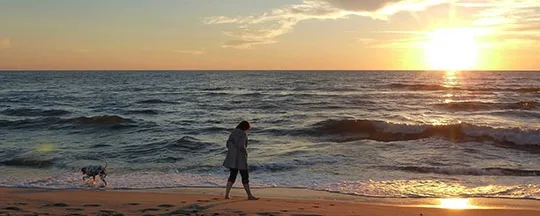
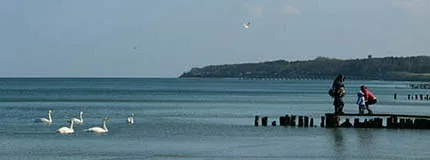
Present-day photos by Mikhail Ogorodnikov.
– – – – – – – – –
An excerpt from the chapter "The Shores of Samland"
from the book by local authors "Heimatkunde von Königsberg",
published at the end of the 19th century
In 2012–2014 "Pregola", the literary and artistic supplement to the "Baltic Almanac",
published a Russian translation of the book by the Königsberg authors Dr Richard Armstedt, professor at the Altstadt Gymnasium, and Dr Richard Fischer, senior teacher at the Kneiphof Gymnasium, "Heimatkunde von Königsberg" ("Heimatkunde von Königsberg i. Pr.", 1895, Kommissionsverlag von Wilhelm Koch, Königsberg), made by an unknown translator. The idea of publishing it belonged to Igor Vladimirovich Afonin. The text was adapted and annotated by Aleksey Borisovich Gubin and Igor Fyodorovich Avtukhov. That book had a separate chapter on the more distant surroundings of Königsberg, which contains literally one paragraph about Rauschen (Svetlogorsk). Lightly edited, we offer it to you as a supplement to the text by Aleksey Yevgenyevich Petrushin.
– – – – – – – – –
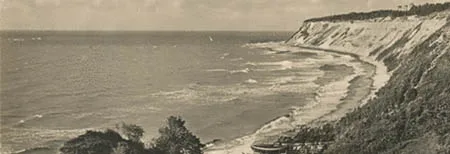
East of the Gausup ravine (the word "gausupp" is of Lithuanian origin and means "cow brook" – editor's note) the woodland along the sea coast thins out considerably. Only dunes, here and there overgrown with low shrubs, meet us on our way. The closer we get to Rauschen, the more often we come across young plantations, which are meant to protect the area from the destructive force of wind and waves.
The fishing village of Rauschen lies in exceptionally picturesque surroundings on the banks of an idyllic pond encircled by high dune hills. In summer many visitors come here. Some well-to-do residents of Königsberg have summer houses here. The little village is only a kilometre from the sea.
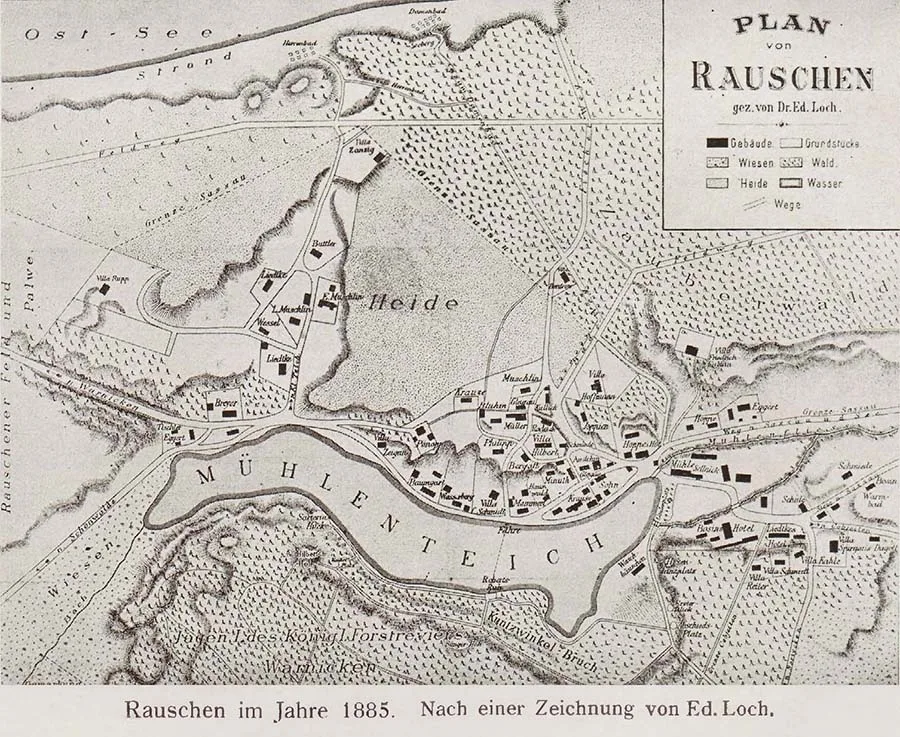
Forests once grew here, the property of the surrounding villages, but they fell victim to people's unwise actions: the peasants cut down trees whenever they needed them, without giving the slightest thought to replanting.
The result was not only the destruction of the coastal strip, but also the sanding-up of nearby settlements and the barrenness of the fields. Only later – too late, as so often happens – did people realise the grave consequences of their mistakes and finally come to the idea that the ruined ecosystem had to be restored. And so, quite recently, it was decided to plant greenery on the beautiful dunes between the village of Rauschen and the sea, which used to delight us so much with their whiteness. The shady pine forest south of the pond, for its part, was planted in the 1840s on the orders of King Frederick William IV, who visited these parts after the coronation festivities.
Translated from Russian with the help of AI (Claude, Anthropic), October 2026.