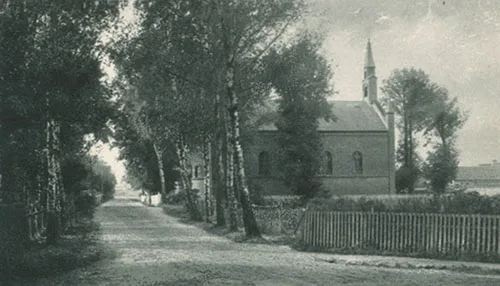
Rossitten was founded in 1372 as a timber-and-earth castle of the Order, subordinate to the Komturei of Königsberg. At the beginning of the 15th century it lost its military significance, and by the beginning of the 16th century it had presumably been abandoned. In 1605 Rossitten church is mentioned. In 1873 the church was rebuilt in brick to a design by the architect Tischler.
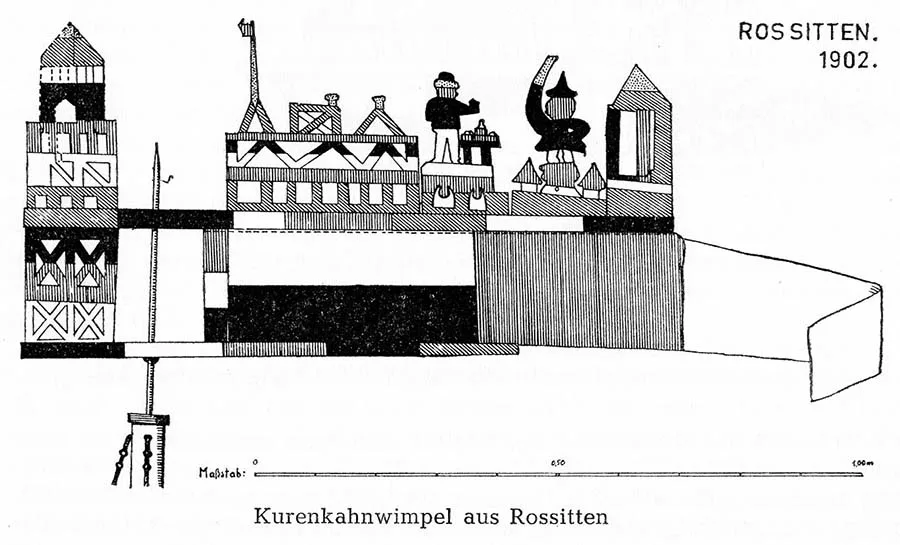
In the 19th century Rossitten was a village forming a rural community in the Landkreis Fischhausen (from 1939 the Landkreis Samland).
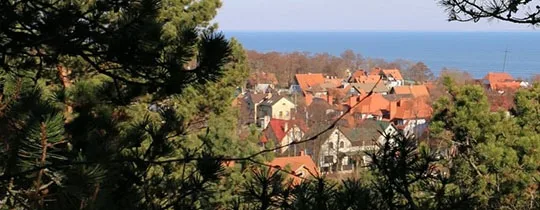
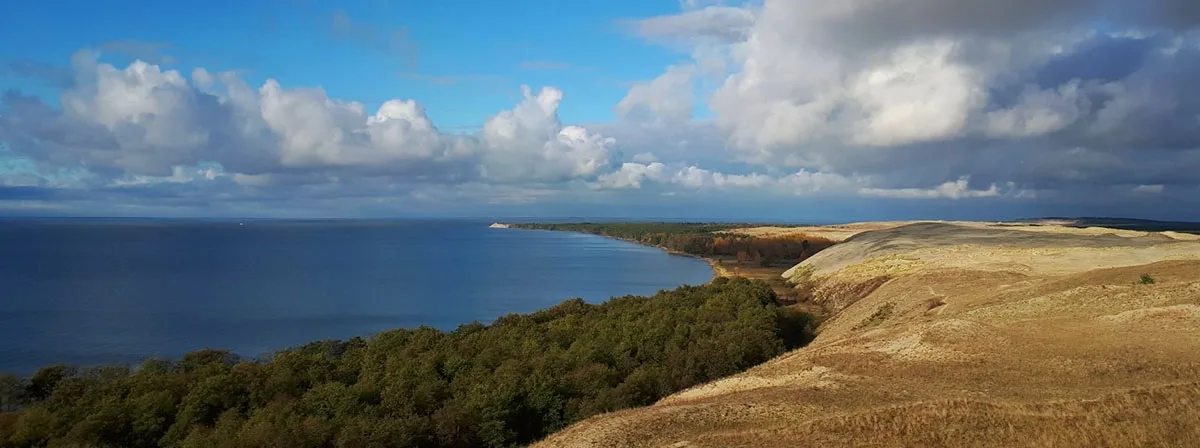
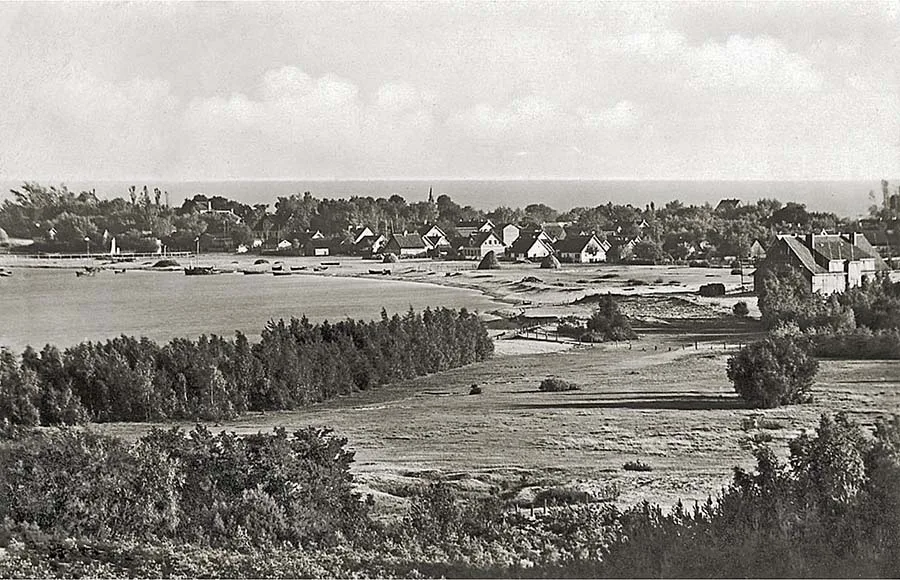 Panorama of Rossitten.
In 1874 Amtsbezirk No. 43 Rossitten was established in the Landkreis Fischhausen, comprising four rural communities: Kunzen (Krasnorechye), Pillkoppen, Rossitten (Rybachy) and Sarkau (Lesnoy), as well as the Gutsbezirk Kurische Nehrung (in 1906–29 Rossitten, Forst; part of Rybachy). The heads of the Amtsbezirk were always residents of Rossitten: in 1874–77 the senior fishing master Döppner, in 1877–1904 the dune inspector Epha, in 1904–10 the head forester Mortsfeld, in 1910–19 the head forester Schellig, in 1919–24 the fishing master Broderdörp, in 1924 the forestry secretary Eschment, in 1924–32 the archivist Schmidt, in 1932–48 the entrepreneur Deggim, and in 1943–45 the burgomaster Enseleit.
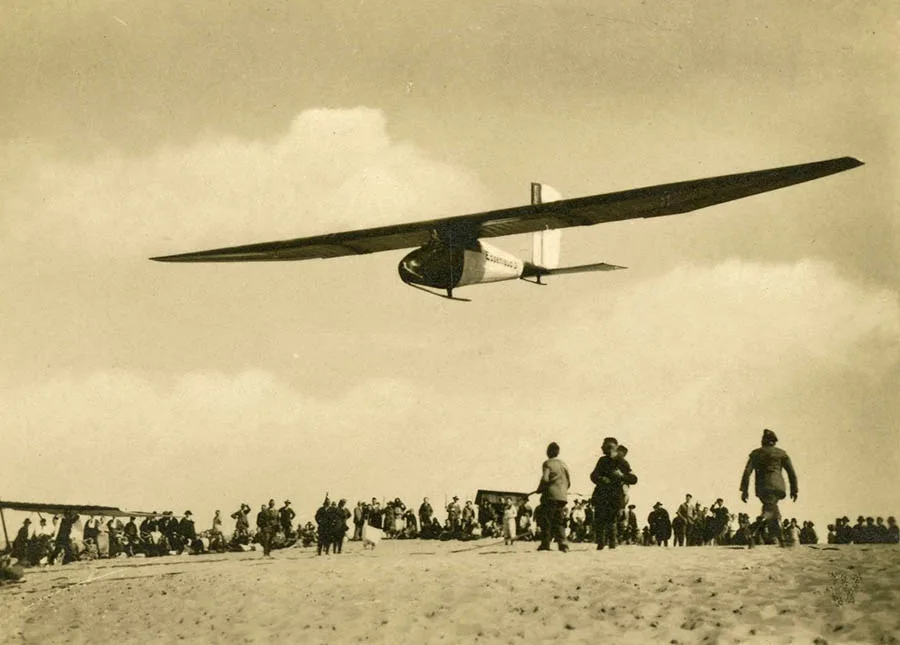 Gliding competition near Rossitten.
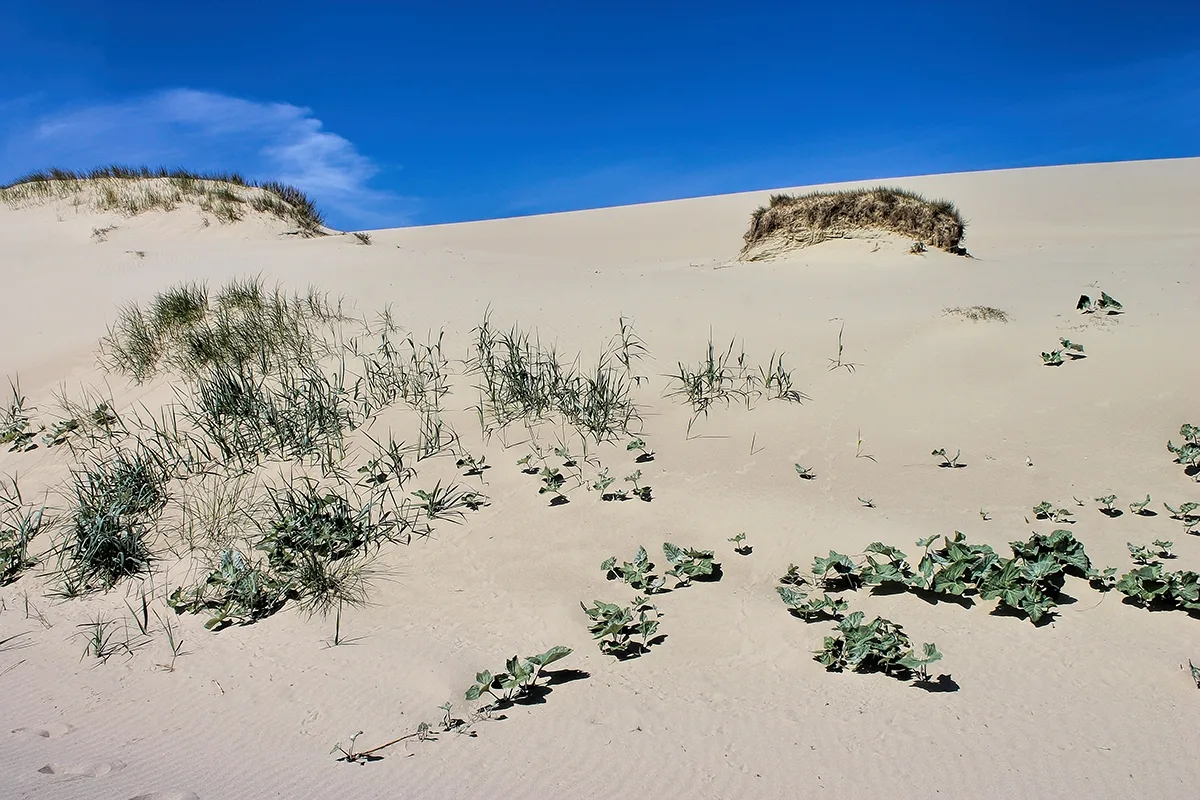
In 1877–82 work to stabilise the dunes and plant trees was carried out around Rossitten under the direction of the inspector Franz Epha and the head forester Ludwig Müller.
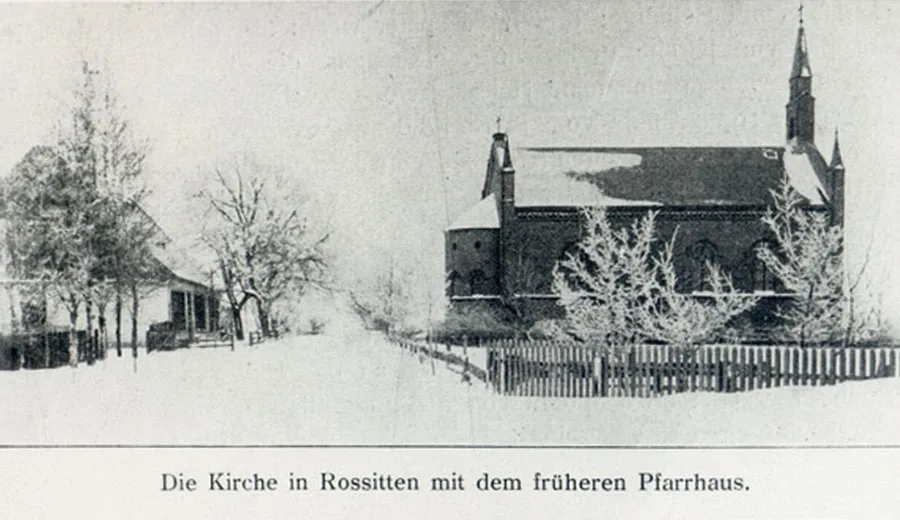 Rossitten church still stands in its place to this day.
On 25 September 1894 the Kunzen community (Krasnorechye) became part of the Rossitten community, and with it the locality of the Old Village of Kuntzen (Alte Dorfstelle Alt Kuntzen; 55°07'51'' N 20°47'32'' E). In 1901 Johannes Thienemann opened an ornithological station near Rossitten.
From 1922 to 1945 the famous gliding school operated near Rossitten.
On 30 September 1929 the Gutsbezirk Rossitten, Forst, whose lands had already been constantly "nibbled away" by the three communities of the Amtsbezirk Rossitten, was partly divided between the communities of Rossitten (Rybachy) and Pillkoppen (Morskoye). Rossitten received the Rossitten forester's lodge itself (Forsthaus Rossitten; part of Rybachy), the dune keeper's house (Dünenaufsehergehöft; part of Rybachy) and the lighthouse keeper's house (Leuchtfeuerwärtergehöft; part of Rybachy). The remaining part of the Gutsbezirk Rossitten was converted into the Gutsbezirk Kurische Nehrung, Forst, which on 1 September 1931 was incorporated into the new Amtsbezirk Kurische Nehrung.
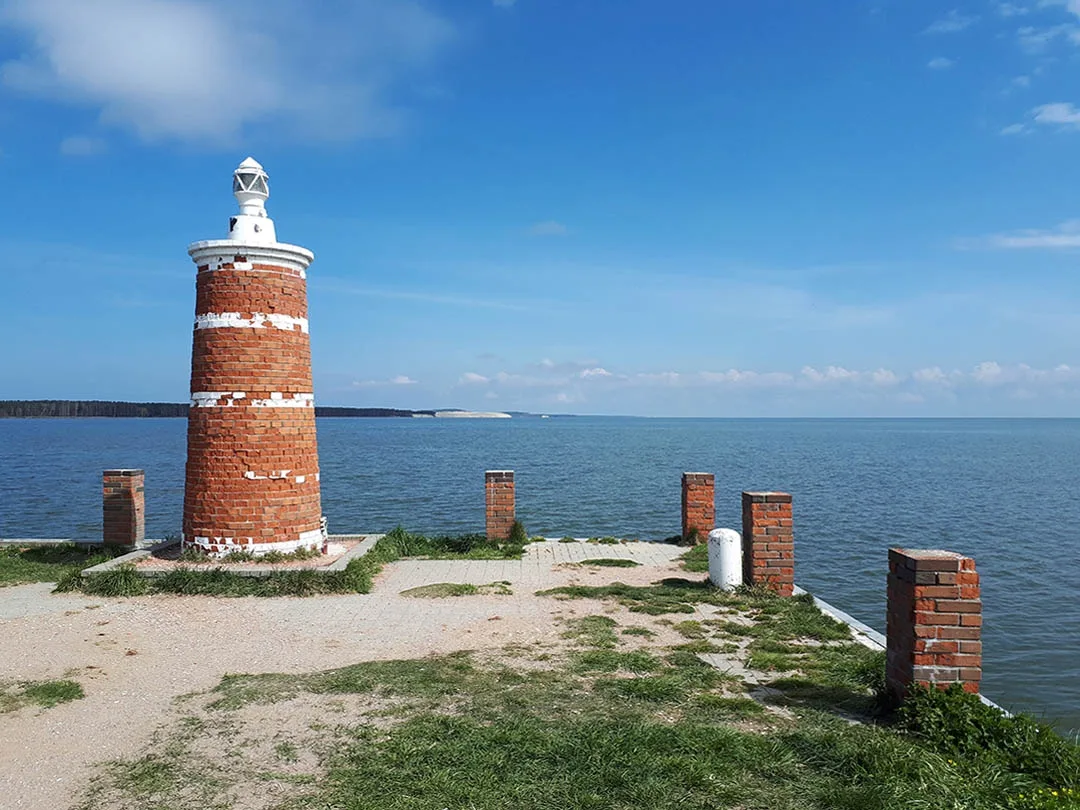
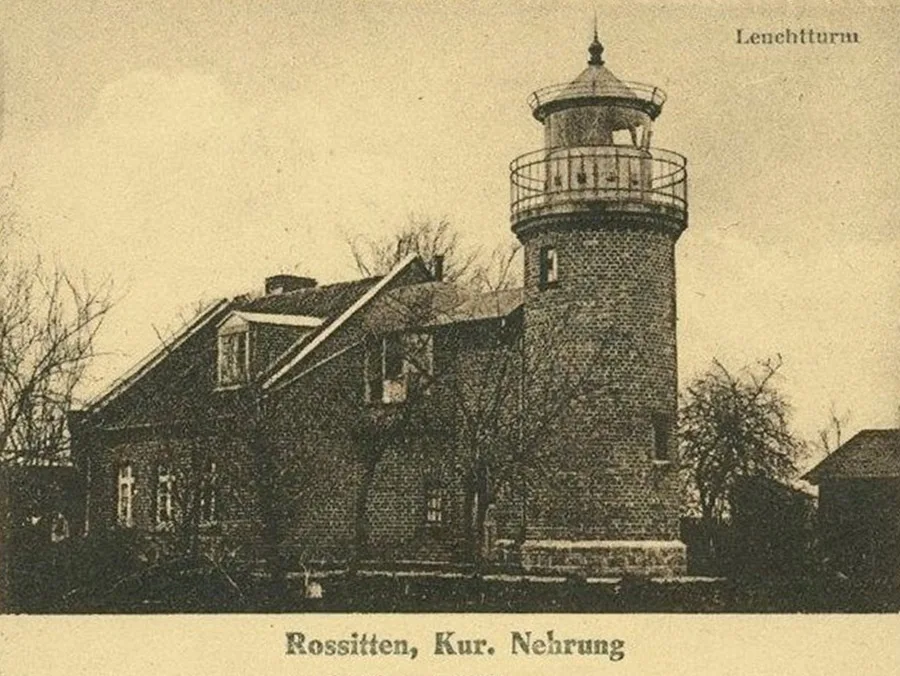 The Rossitten lighthouse, which has not survived.
The Amtsbezirk Rossitten now consisted of three rural communities: Rossitten (Rybachy), Pillkoppen (Morskoye) and Sarkau (Lesnoy). Its composition did not change again until 1945.
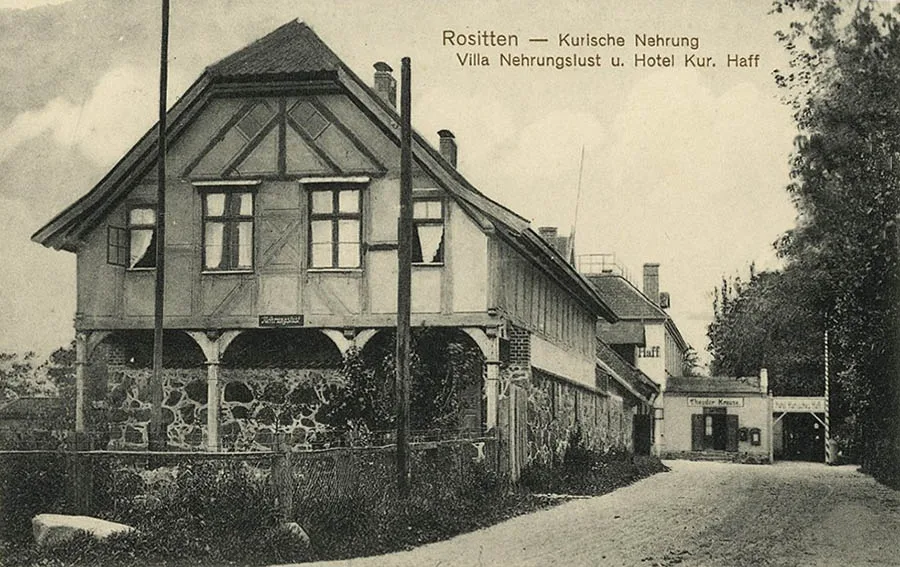
Until 30 September 1929 the Rossitten forester's lodge was the centre of the Gutsbezirk Kurische Nehrung (in 1906–29 Rossitten, Forst, in the Landkreis Fischhausen, from 1939 in the Landkreis Samland). The forester's lodge belonged to the parish of Rossitten (Rybachy). On 30 September 1929 the part of the Gutsbezirk Rossitten, Forst near the village of Rossitten, including the Rossitten forester's lodge, the dune keeper's house and the lighthouse keeper's house, became part of the rural community of Rossitten.
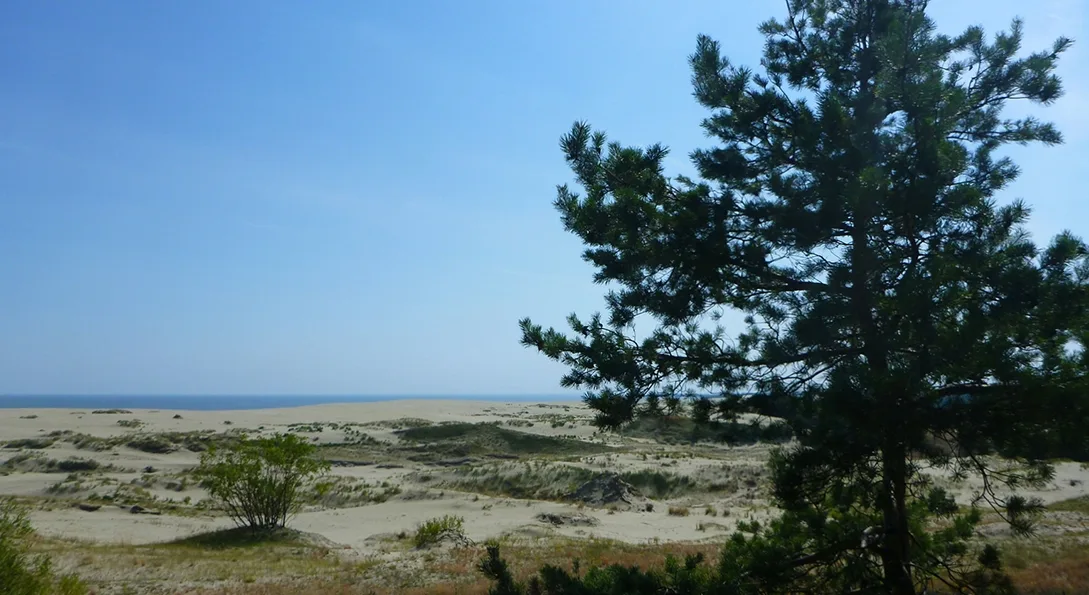
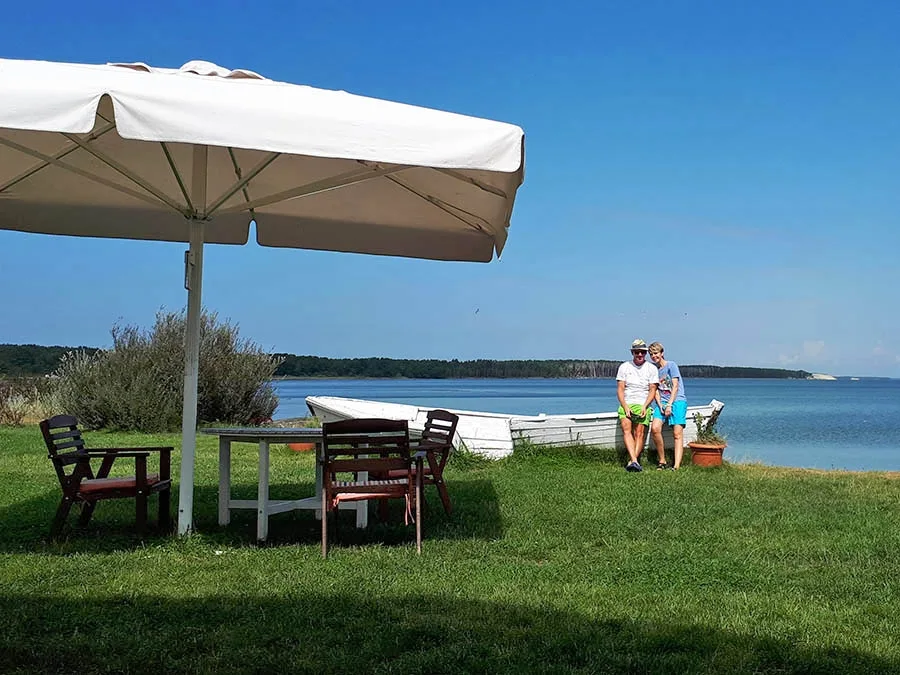 The terrace of the Altrimo restaurant in Rybachy offers a memorable view of the lagoon and the Epha Dune.
On 2 February 1945 Rossitten was taken by troops of the 4th Shock Army.
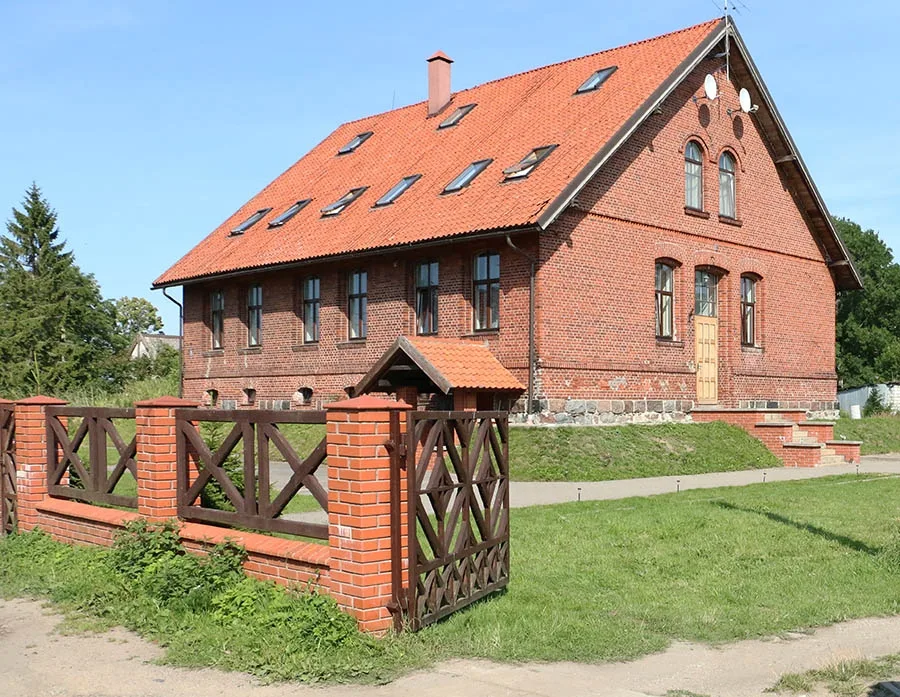 The Ostermaer guest house on Gagarin Street.
On 17 June 1947 Rossitten was renamed the settlement of Rybachy. The Rybachy Settlement Council was created at the same time, and Rybachy itself received the status of a rural-type settlement. In 1956 the Biological Station of the Zoological Institute of the Russian Academy of Sciences opened in Rybachy. In 1984 a school began operating in the settlement. Since 1987 Rybachy has been home to the administration of the Curonian Spit National Park. As of 2018 the settlement had a secondary school, a kindergarten, a House of Culture and a library.
Coordinates of the settlement: 55°09'11'' N 20°51'35'' E (Rossitten, centre), 55°09'10'' N 20°51'17'' E (Rossitten forester's lodge), 55°09'12'' N 20°51'36'' E (lighthouse keeper's house / Leuchtfeuerwärtergehöft), (55°09'23'' N 20°50'17'' E) dune keeper's house.
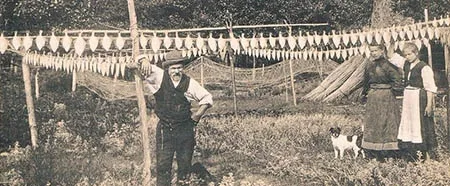
Sights: Rossitten church (1873), the old pier with a view of the Epha Dune, the "Dancing Forest", a memorial to Soviet soldiers (105 people), the graves of Wilhelm Franz Epha and Johannes Thienemann, a monument to the fisherman.
Population change: 1846 – 237, 1871 – 316, 1905 – 477, 1910 – 460, 1933 – 650, 1939 – 691, 1959 – 1128, 1970 – 751, 1979 – 779, 1984 – 800, 1989 – 806, 2002 – 960 inhabitants.
Population of the Rossitten forester's lodge: 1905 – 6 inhabitants.
Population of the lighthouse keeper's house: 1905 – 7 inhabitants.
Population of the dune keeper's house: 1905 – 6 inhabitants.
Modern photos by Mikhail Ogorodnikov.
Translated from Russian with the help of AI (Claude, Anthropic), October 2026.