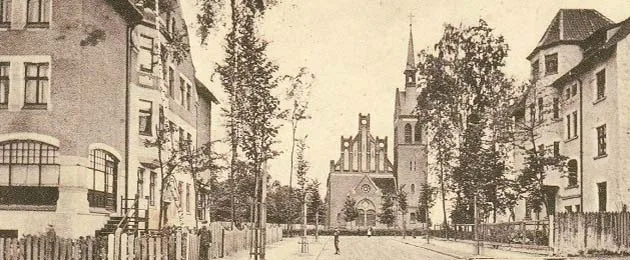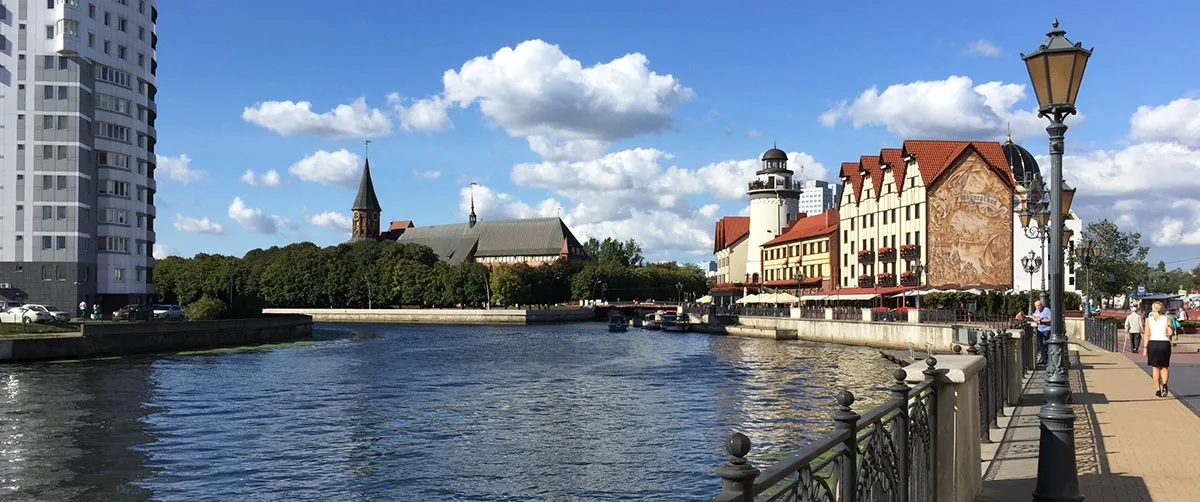
Spandienen (German: Spandienen) was founded in 1419 as Spandyno. In 1679 the Spandienen estate was owned by Duke Albrecht's chamberlain and burgomaster of the Kneiphof, Johann Schnürlein.
In 1785 Spandienen was classified as a noble estate (Adelich Gut) with six households. By 1818 the status of the estate had not changed, but the number of households had fallen to three.
In the mid-19th century Spandienen was a knight's estate (Rittergut), forming from 1867 a Gutsbezirk (estate district) in the Landkreis Königsberg. The estate belonged to the parish of Haffstrom (Shosseynoye, part). In 1871 Spandienen had four dwelling houses, in which 14 families and one single man lived. On 30.04.1874 the Gutsbezirk of Spandienen was included in the newly established Amtsbezirk of Kalgen (Chaykovskoye). Residents of Spandienen held the post of head of the Amtsbezirk in 1894–96 (the manufacturer Ewert), in 1896–1902 (the estate owner Gutzeit) and in 1909–15 (Inspector Böttcher).
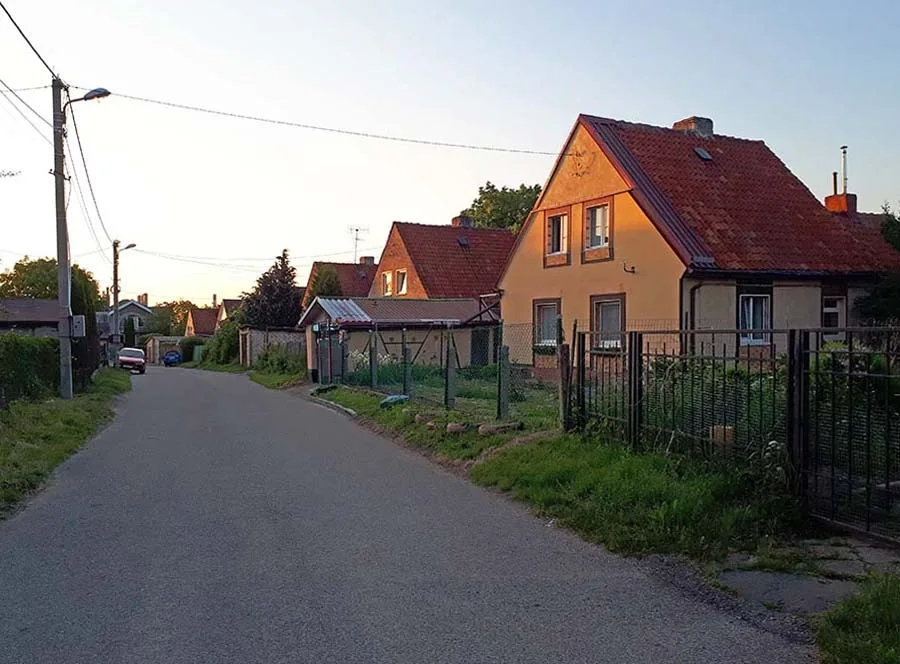 On closer inspection Spandienen turns out to be very charming.
In 1879 the Spandienen estate owned 242 ha of land, and its annual net profit amounted to 5,092 marks. In terms of income per hectare Spandienen was among the best estates of the Landkreis Königsberg (19th place out of 143).
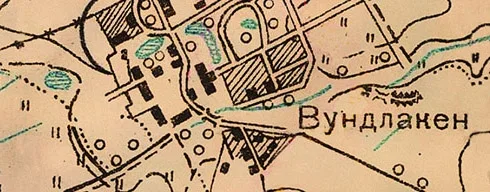
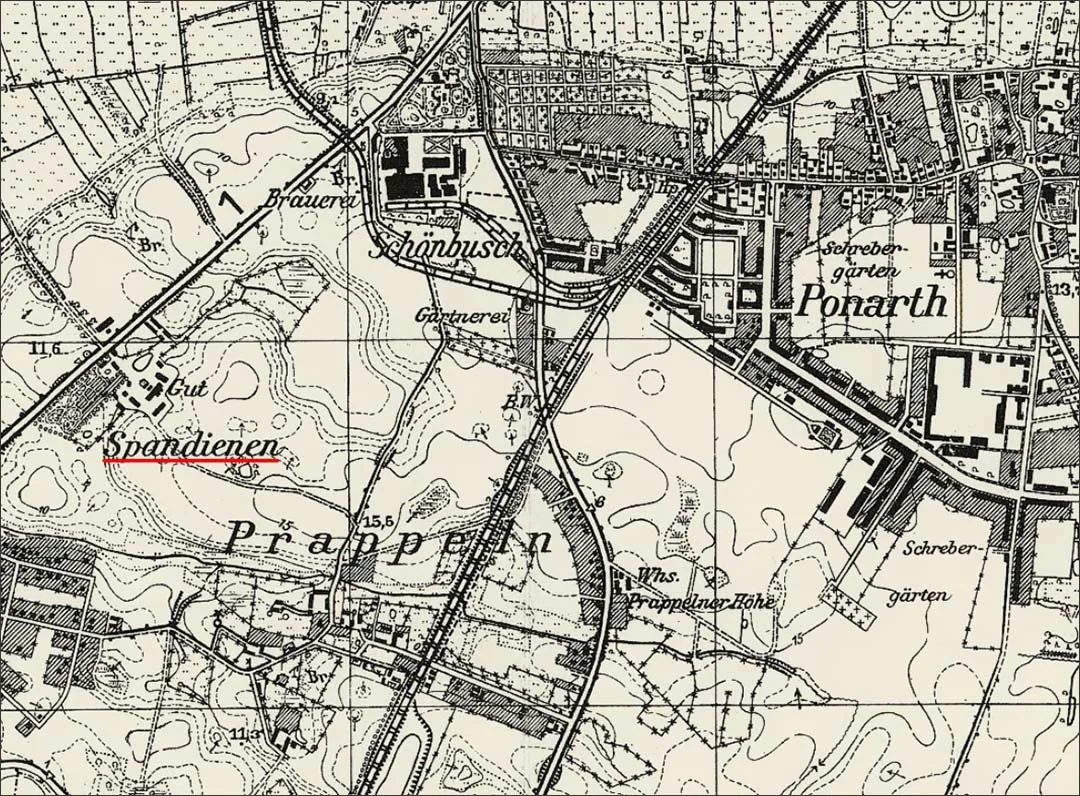
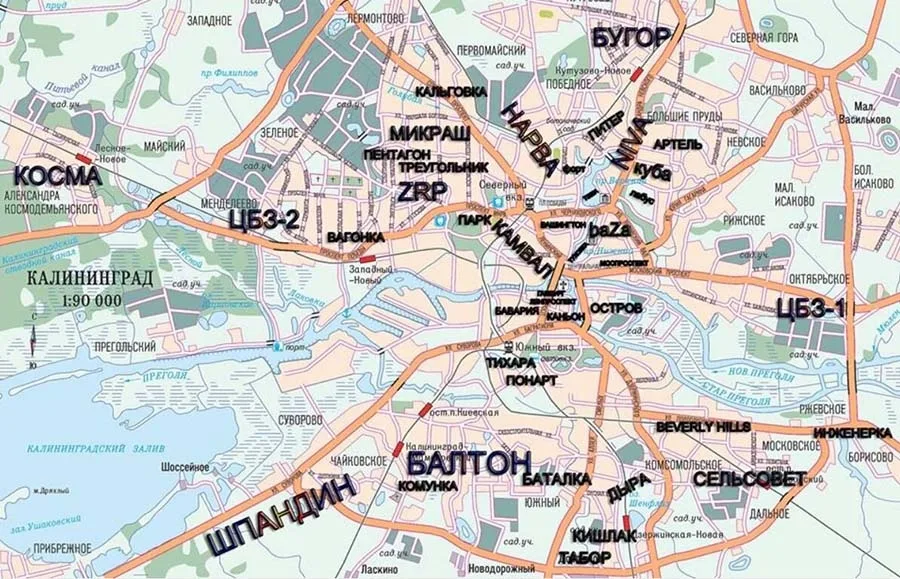 Shpandin (bottom left) on a map of Kaliningrad's folk place names.
On 01.04.1905 part of the estate's territory near Berliner Straße (Suvorova St.) passed to the municipality of Königsberg.
On 01.01.1929 the Gutsbezirk of Spandienen was abolished, and the Spandienen estate became part of the city of Königsberg. On the side of Berliner Straße (Suvorova St.) opposite the estate, two-storey houses with 4–6 flats were built at the end of the 1930s for workers of the Schichau shipyard. What set these houses apart from the surrounding housing was that each flat had a combined bathroom with a toilet and a short bath, whereas in the old housing stock of Spandienen the facilities were outdoors. Barrack-type houses were also built for single and low-skilled shipyard workers.
After the end of the war the Spandienen district received first a popular and then also an official name: Shpandin (Spandienen).
In the documents it was divided into Spandienen No. 1 (now the area of Kachalova and Babushkina streets and the main part of Mozhayskaya St.), Spandienen No. 2 (Nemirovicha-Danchenko and Baumana streets and houses 8-12 on Mozhayskaya St.) and Spandienen No. 3 (the beginning of Mozhayskaya St., houses 19-42 on Baumana St., Zavodskaya St. and Tbilissky Lane). By decision of the Kaliningrad city executive committee of 29.07.1948 these settlements received new names: Sadovy Gorodok, Lugovoy Gorodok and Suvorovsky Gorodok. By a new decision of 18.08.1949 Suvorovsky Gorodok was renamed the settlement of Suvorovo. As for Sadovy and Lugovoy Gorodok, no official records of their renaming could be found, but on a 1956 map the settlements of Sadovoye and Lugovoye (within the city of Kaliningrad) appear in their place. In addition, the area of Ladushkina Street and Ladushkina Lane is marked there as the settlement of Ladushkino. But soon all these settlements were united under the single name of Suvorovo.
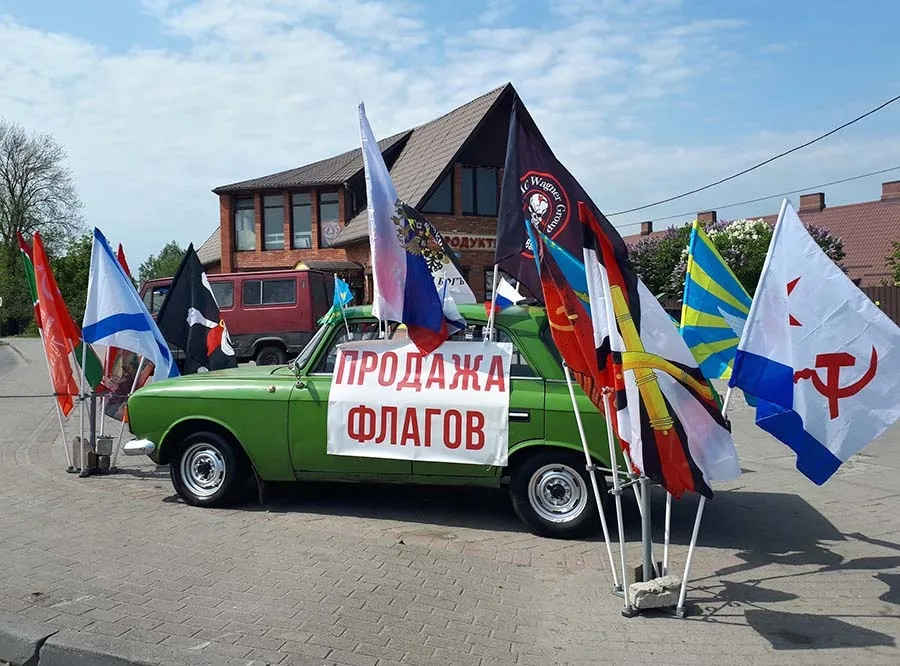 Selling flags on Suvorova Street (2023).
The official name of the settlement was still in use in the 1970s and, partly, in the 1980s, although among the city's residents the alternative, Shpandin, remained more popular.
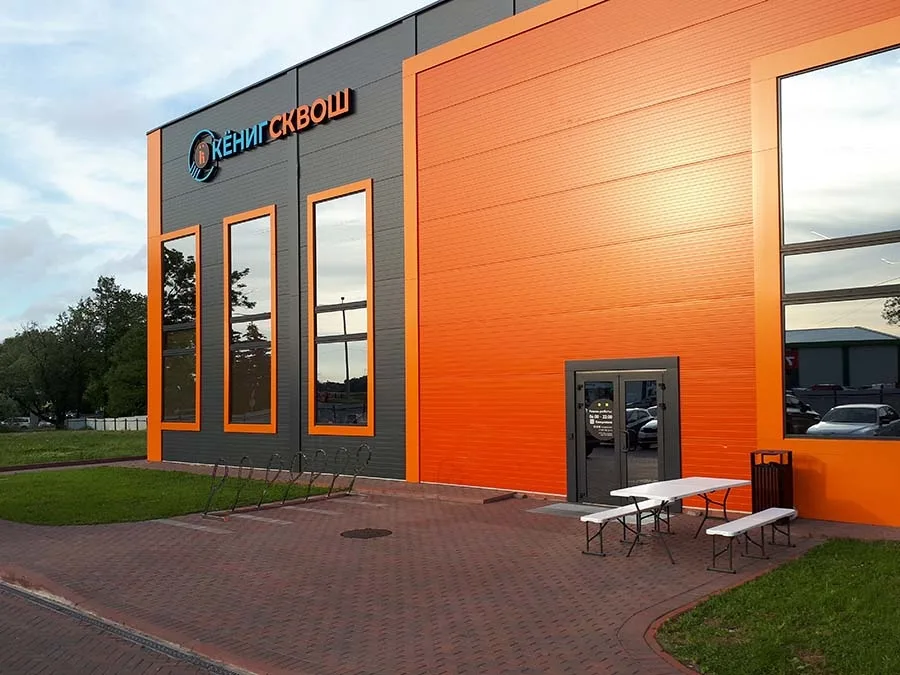 The "König Squash" squash club — a modern "Shpandin" landmark.
In 1951 a repair and engineering plant was opened here, its workshops located on the site of the Spandienen estate. The plant was originally intended for repairing the equipment of bakery and pasta factories.
As of 2023, the settlement of Suvorovo within its official boundaries comprises the streets Babushkina, Baumana, Dobraya, Zavodskaya, Kachalova, Ladushkina, Mozhayskaya, Nemirovicha-Danchenko, a section of Suvorova St. and Tbilisskaya, and the lanes Ladushkina, Mozhaysky and Tbilissky. In a broader sense it also includes Kerchenskaya and Gali Timofeyevoy streets, as well as Kerchensky Lane and the 1st and 2nd Gali Timofeyevoy Lanes. The settlement has a school, a bathhouse, a hardware shop and grocery shops. According to the security staff of the repair plant, the workshops are not working and are let out (2022). At the same time the plant's official website claims that the enterprise manufactures steel structures (above all fences) for the city's needs.
Population: 1818 – 35, 1867 – 98, 1871 – 84, 1885 – 161, 1905 – 167, 1910 – 142 inhabitants.
Composition of the population of Spandienen in 1871: all 84 Protestant Christians, children under 10 – 20, literate – 59 (92%).
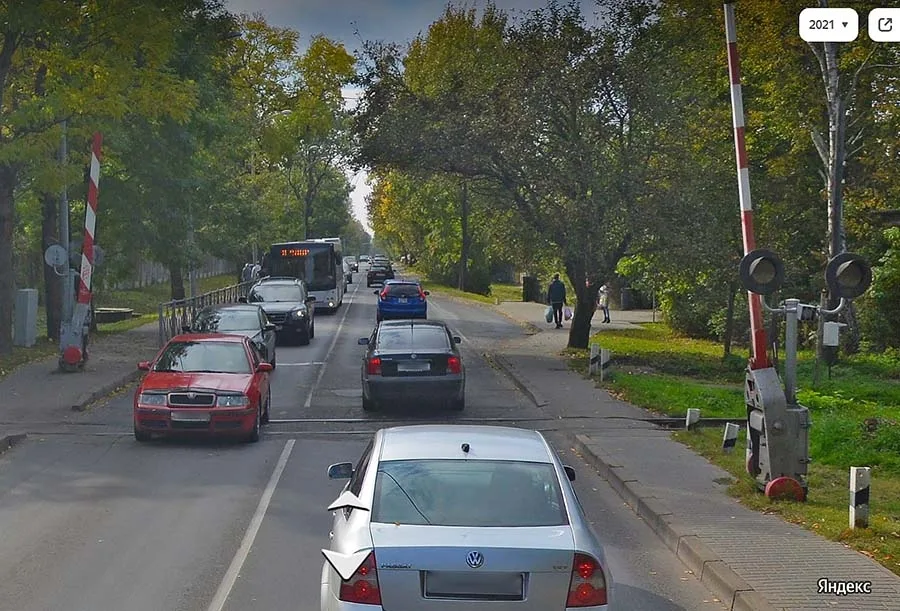
P.S. In the relatively recent past, locals at the border of Shpandin used to meet pedestrians at the first bus stop (Ladushkina Lane, pictured above), just past the railway crossing. By established tradition, if a person, before entering his home district — going home, so to speak — "wiped his feet" on the crossing as on a doormat, thereby letting the "guards" know he was one of their own, he was let through without a word. If the traveller did not "wipe his feet", he was stopped and politely asked about the purpose of his visit. Those who answered with dignity were let through, but all sorts of things happened...
Modern photos: Mikhail Ogorodnikov, Yandex.Panoramas.
Translated from Russian with the help of AI (Claude, Anthropic), October 2026.