“Know thyself” – with this motto Apollo addressed, from the walls of his temple, those who entered the Delphic oracle. The ancients divided people into those who try to follow this divine advice and those who do not. The former Aristotle called free people, the latter those who can only belong to another – that is, slaves.
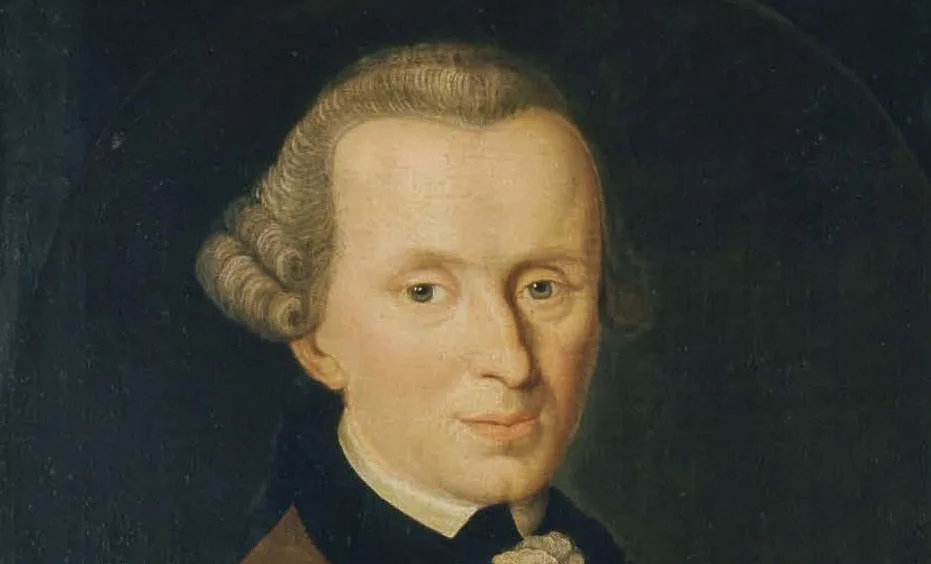
Immanuel Kant, who lived in the Age of Enlightenment, expressed himself more gently but asserted* something similar: people who do not use their own reason and do not direct it towards self-knowledge remain in a state of immaturity and need guardians, who themselves need guardians, and so on into tragicomic infinity.
In the 20th century Martin Heidegger wrote of the averaged-out human being, impersonally dissolved in the crowd and turned into a utensil, a thing. These different philosophers of different epochs arrive at one and the same dilemma: either a person, through conscious effort, forms himself into a personality, or he grows a passive self – a sediment of circumstances that others have to manage.
Man as a “political animal”, in asking “who am I?”, automatically also asks “who are we?”
To be a subject, a society, just like an individual, needs to reflect on its own way of life, on the ultimate meanings, values and goals of its existence. Like a person, a society without public discussion of these themes remains in a state of immaturity, dozing, in need of guardians. The goals, values and meanings of such a society’s existence remain vague and impoverished, and their visible fruits are often unsightly and embarrassing.
Understanding oneself and one’s place, applying the thoughts of great people and their standards to oneself, gaining one’s own dignity and weight in the eyes of others – these things are necessary and interconnected.
If our wonderful city lacks anything, it is a little more reflection. We take a lively interest in what is happening in the capital and sympathise with our neighbours, and it would be fitting to balance all this with an unhurried, thoughtful and free conversation among the townspeople about themselves. Here on this website, for example.
_____________
* Kant wrote about this state of immaturity in his essay “An Answer to the Question: What Is Enlightenment?”, published in 1784.
Translated from Russian with the help of AI (Claude, Anthropic), October 2026.