

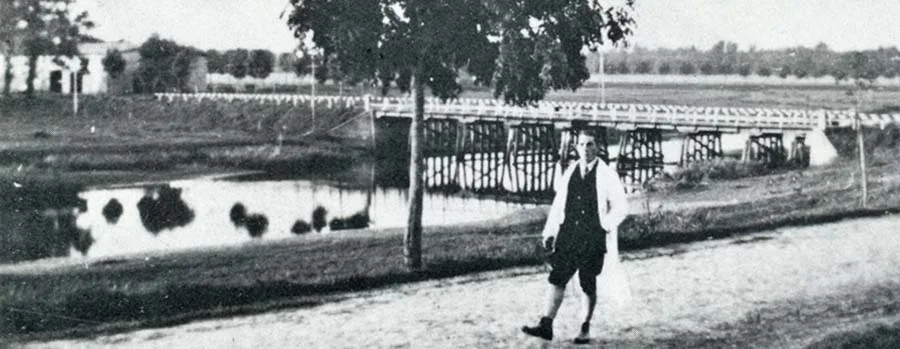
Zarechenskoye (Groß Sobrost)
The former Groß Sobrost estate and its hillfort, known as the “Swedish fortification”
Aleksey Petrushin
Kulikovo (Strobjehnen)
A village in the Zelenogradsk District. Railway station on the Zelenogradsk – Pionersky line
Aleksey Petrushin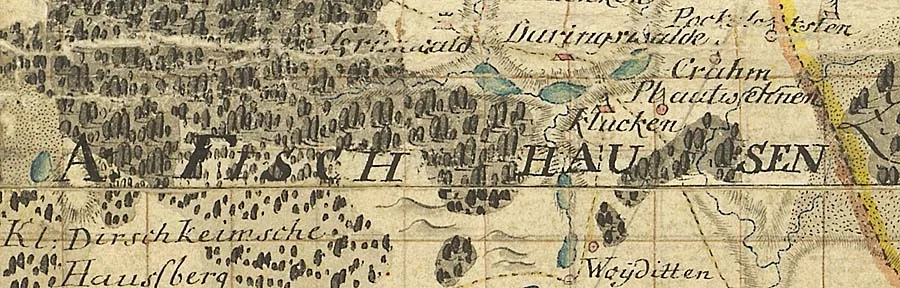
Klyukvennoye (Klycken)
A settlement in Zelenogradsk Urban District, west of Grachevka
Aleksey Petrushin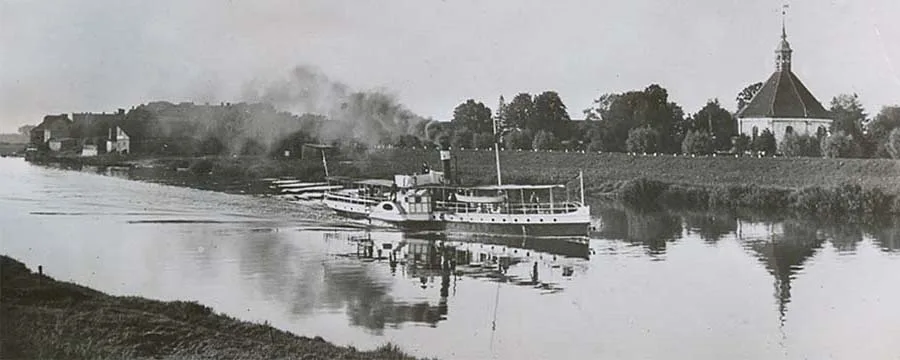
Bolshiye Berezhki (Alt Lappienen)
One of the key points on the map of the Elk Valley
Aleksey Petrushin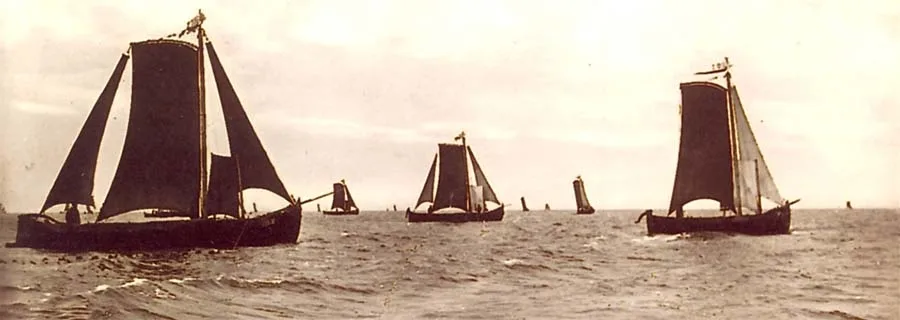
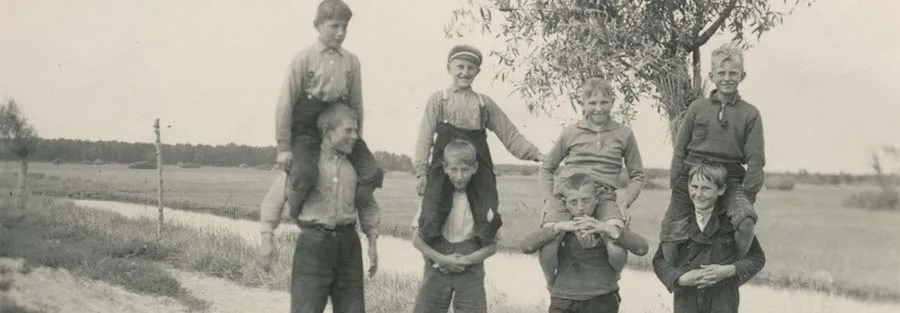
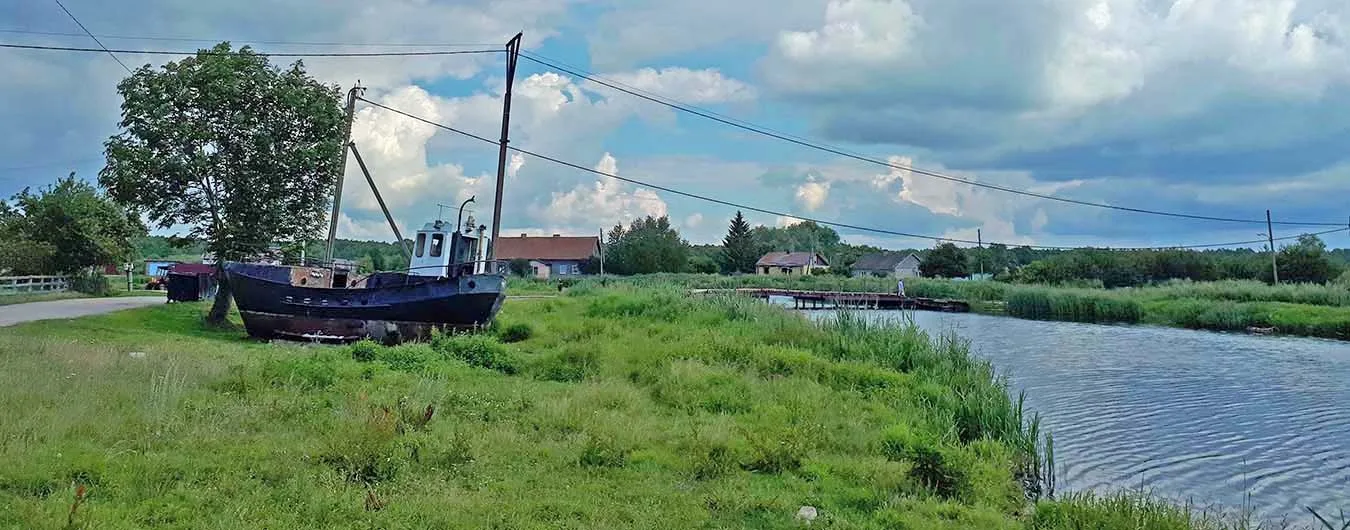
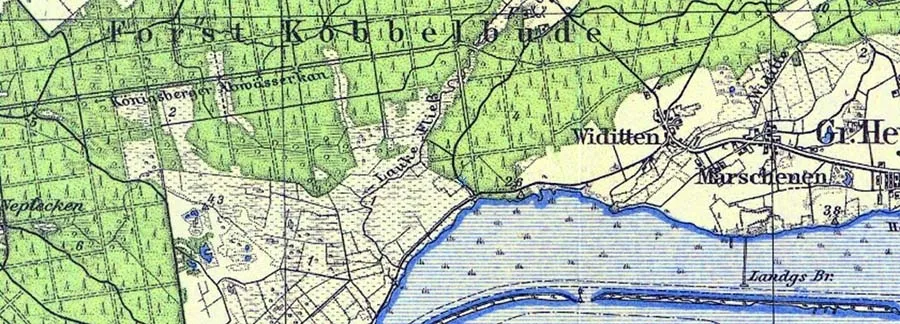
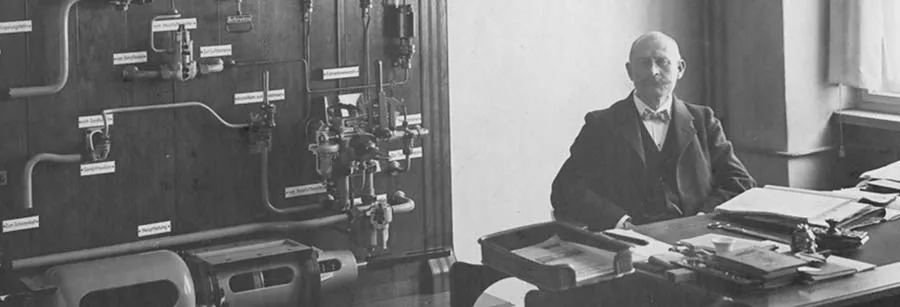
Svobodnoye (Gross Mischen)
In the early 20th century the estate was owned by the well-known inventor Georg Knorr
Aleksey Petrushin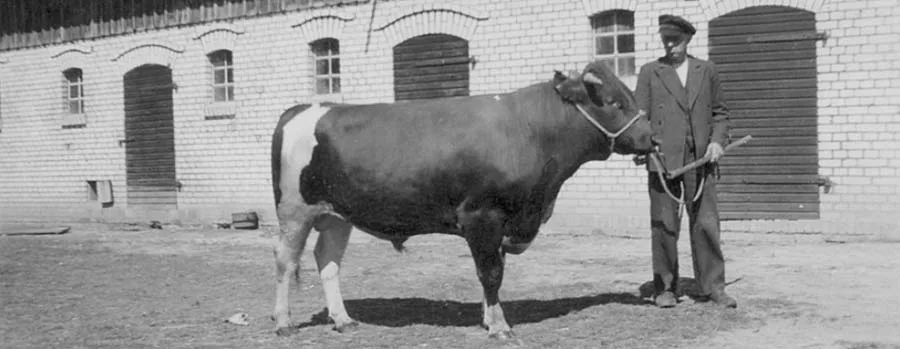
Gribki (Gross Allgawischken)
A village west of Kaukehmen (Yasnoye) that became famous thanks to a fairy tale about the local water spirit Schlompetters
Aleksey Petrushin
Petrovo (Zielkeim)
A settlement in the Zelenogradsk Urban District on the old road to Cranz
Aleksey Petrushin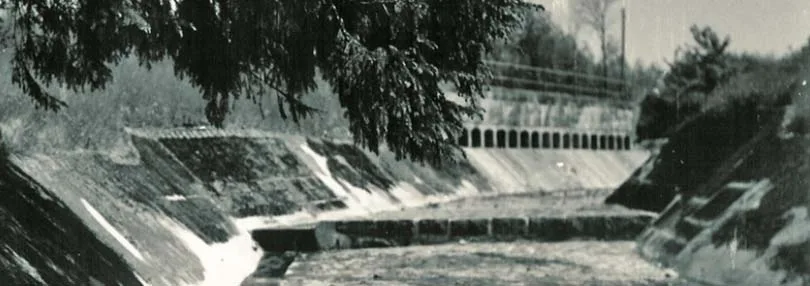
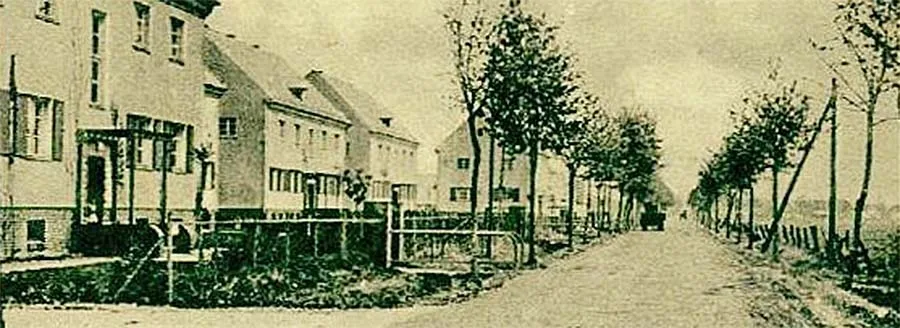
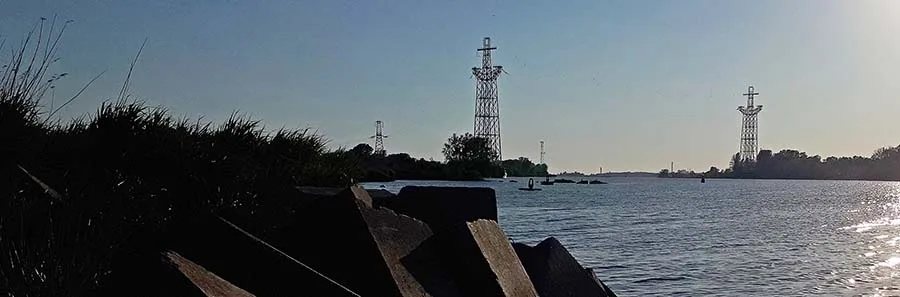
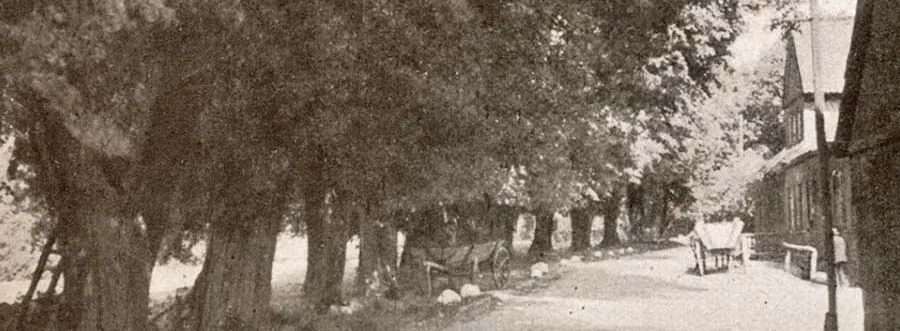
Vzmorye (Gross Heydekrug)
The first large locality after Kosma on the road from Kaliningrad to Baltiysk
Aleksey Petrushin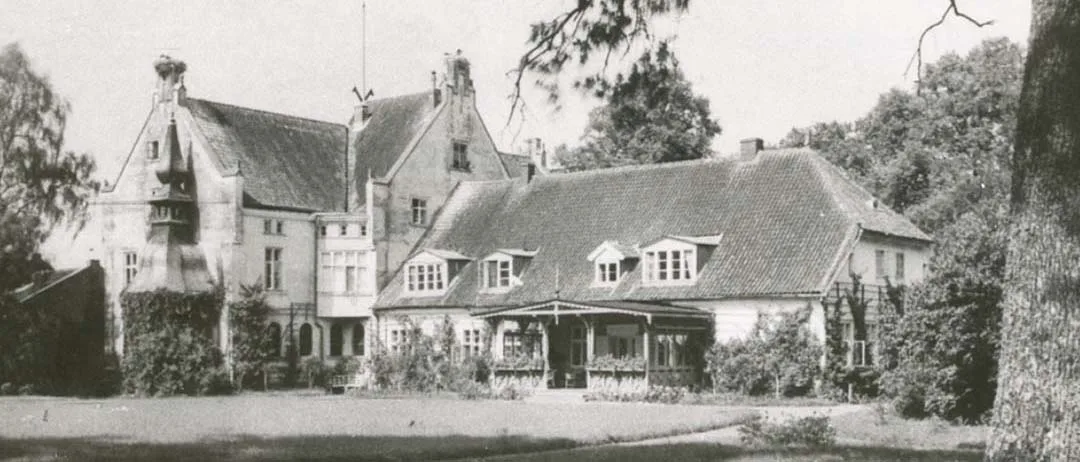
Strelnya (Schultitten)
A settlement near the legendary Prussian sanctuary of Romowe
Aleksey Petrushin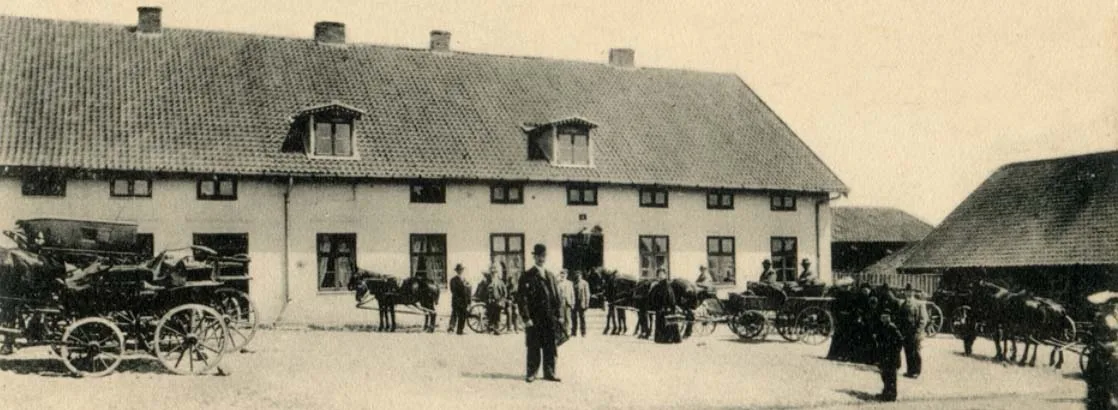
Krasnotorovka (Heiligenkreutz)
According to legend, the first cross in Samland was erected here
Aleksey Petrushin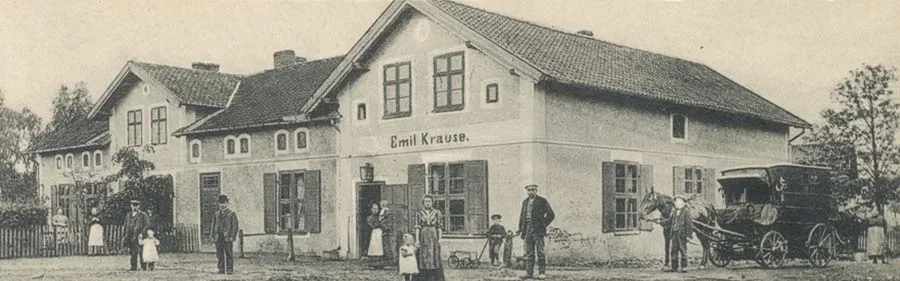
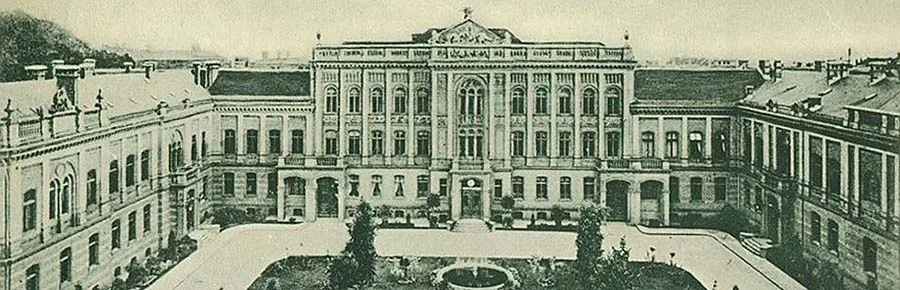
Territorial divisions and local self-government in Prussia
Old Prussian terminology needs decoding
Aleksey Petrushin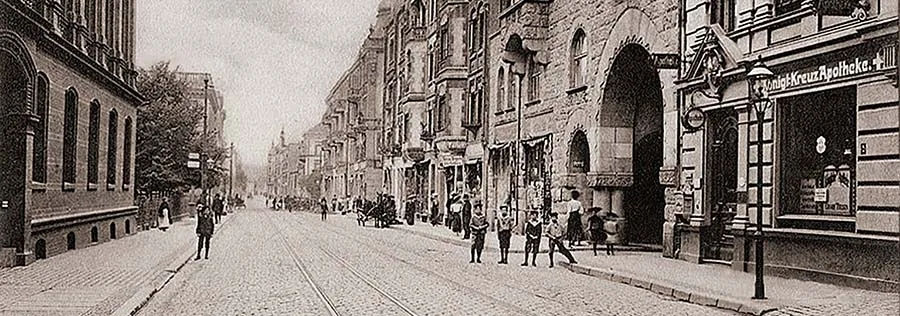
Neue Sorge and Herzogs-Acker
From Rossgarten to the Litauer Wall, north of King Street, home to the Kronprinz barracks and the Grolman bastion
Aleksey Petrushin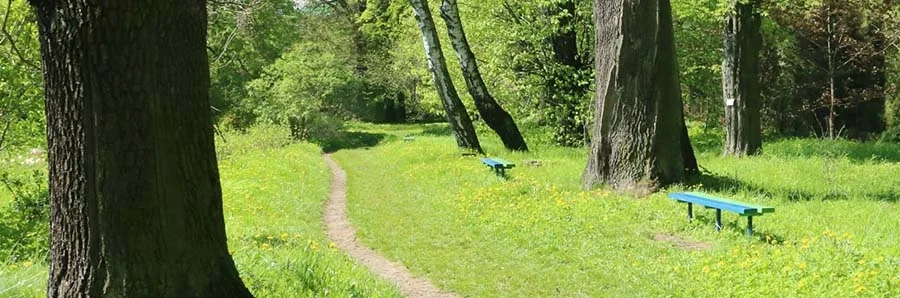
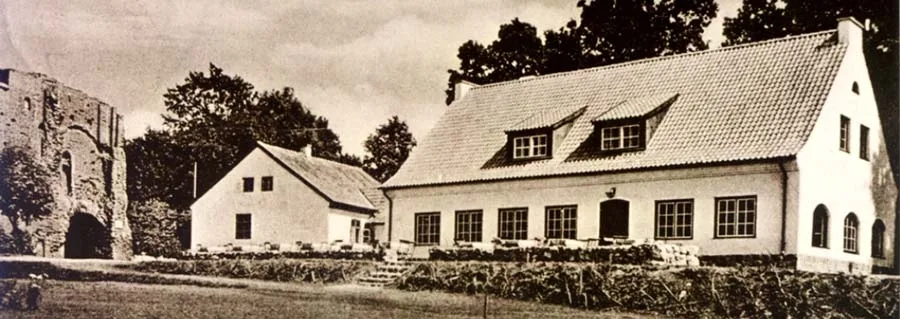
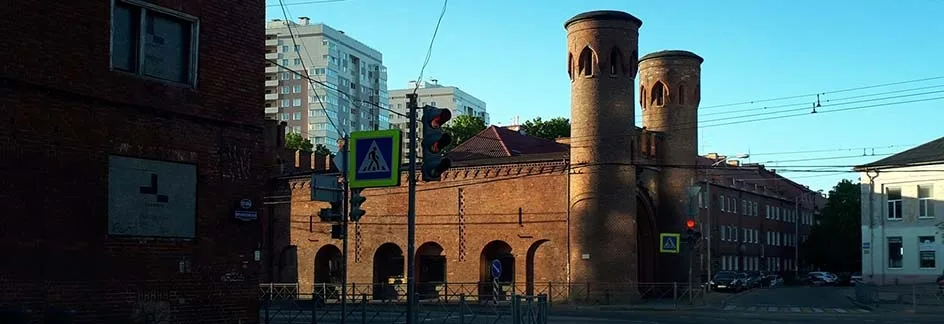
Sackheim
The easternmost district of the Innenstadt (inner city), where Königsberg's poor lived and multiplied
Aleksey Petrushin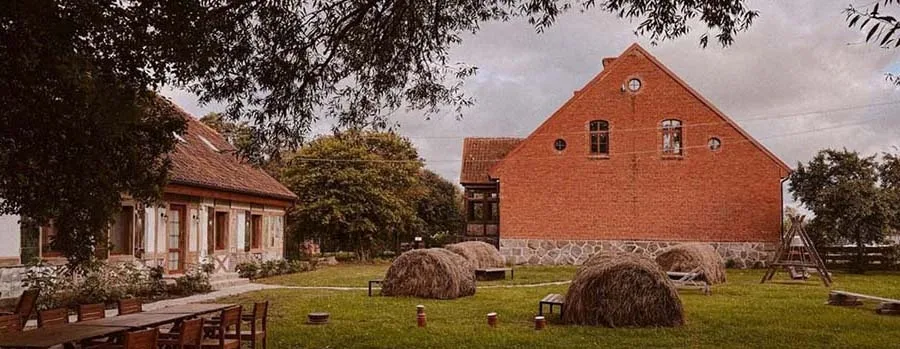
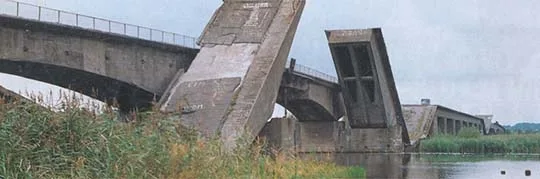
Pribrezhnoye (Palmburg)
A settlement in the eastern part of the city on the bank of the Pregolya
Aleksey Petrushin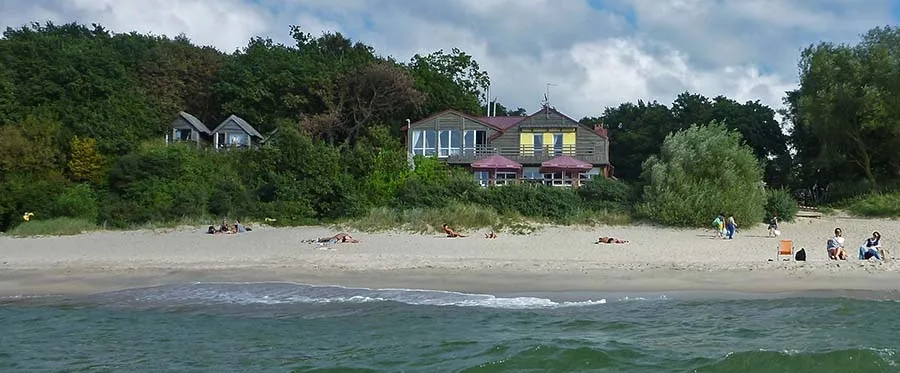
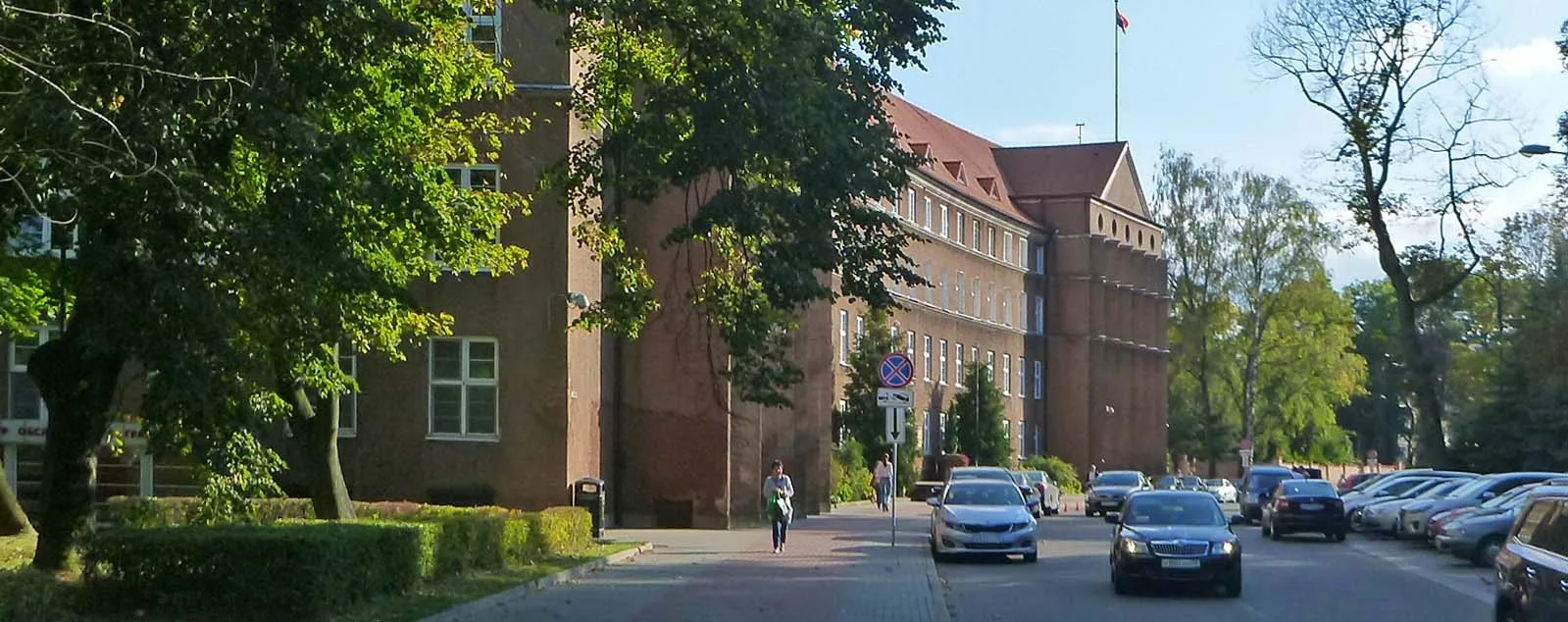
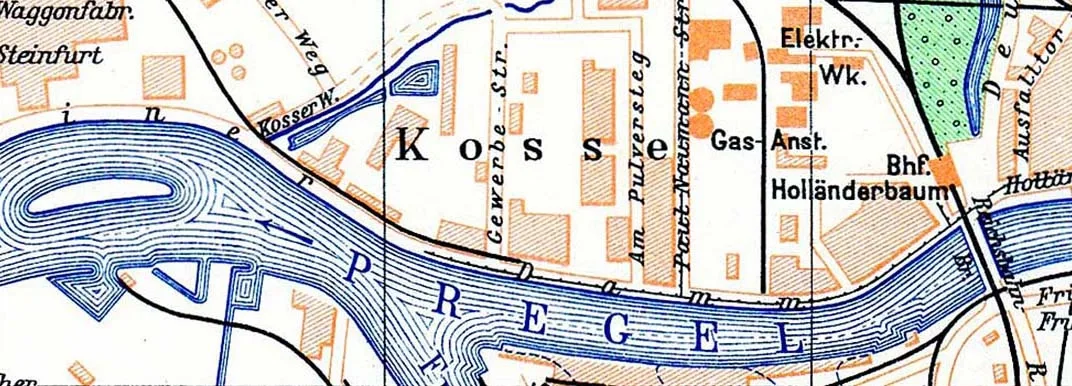
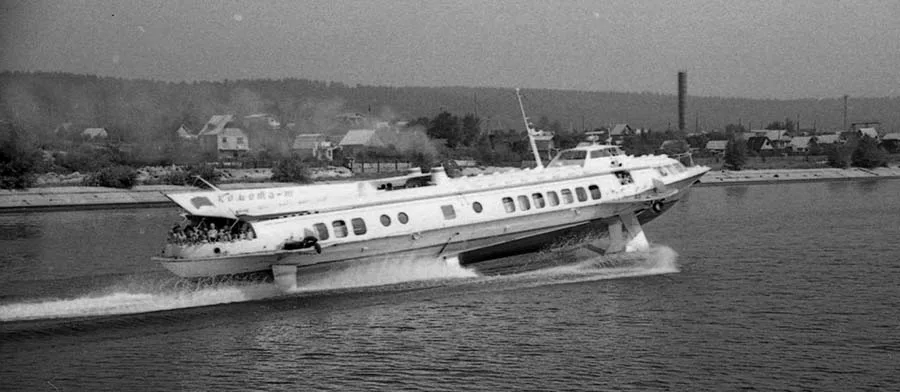
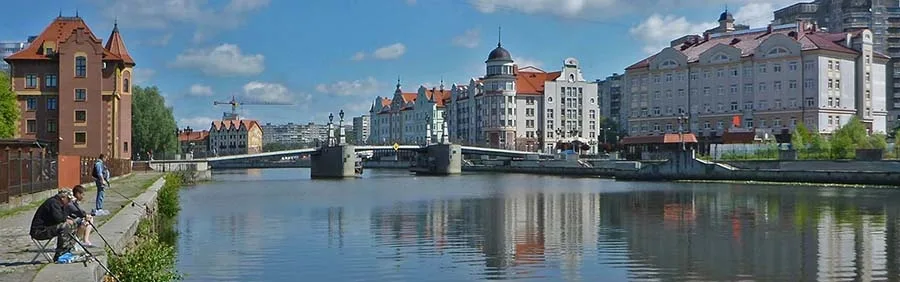
Oktyabrsky Island (Lomse)
Two in one: a special economic zone and a cultural cluster
Aleksey Petrushin
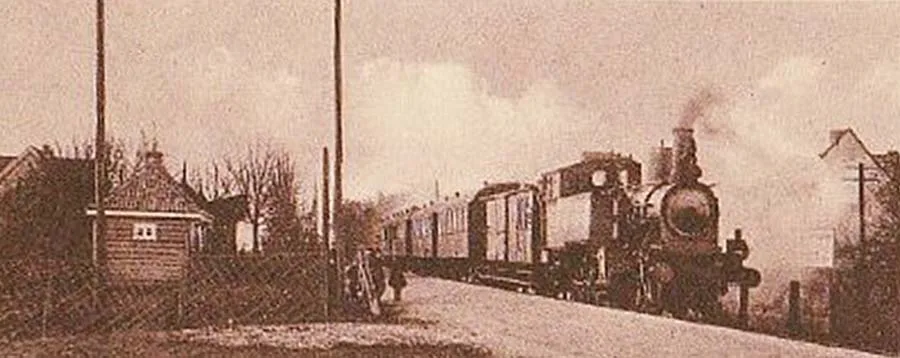
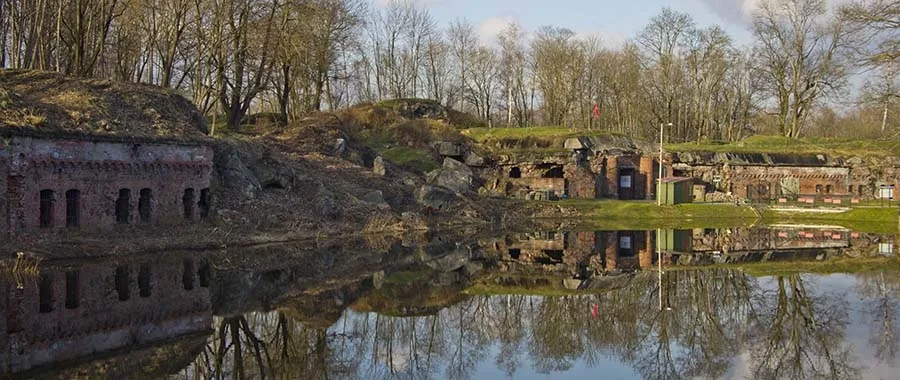
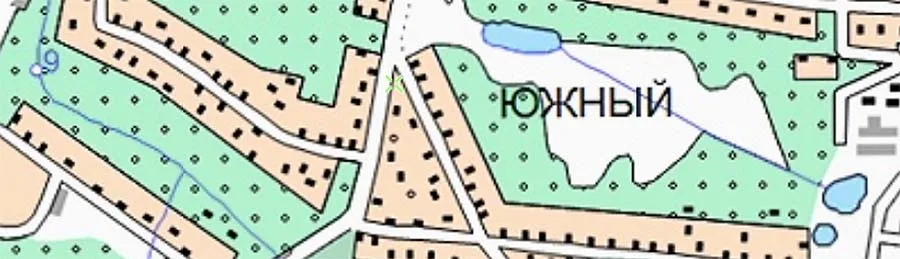
Yuzhny (Aweiden and Speichersdorf)
Alley of the Brave south of the bridge over the railway
Aleksey Petrushin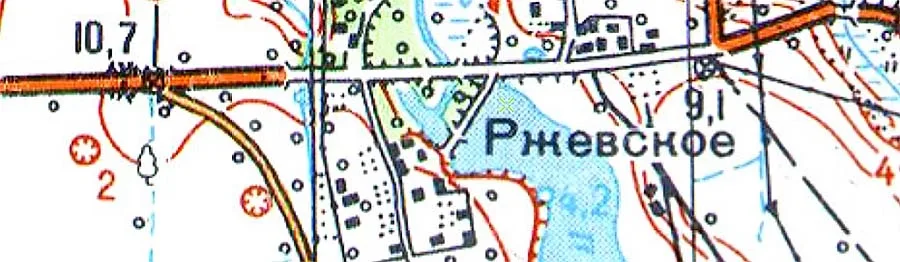
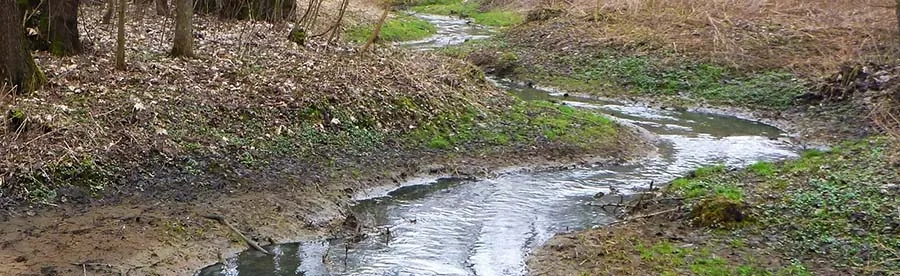
Komsomolskoye (Schönfließ)
Along a beautiful river in the southern part of the city
Aleksey Petrushin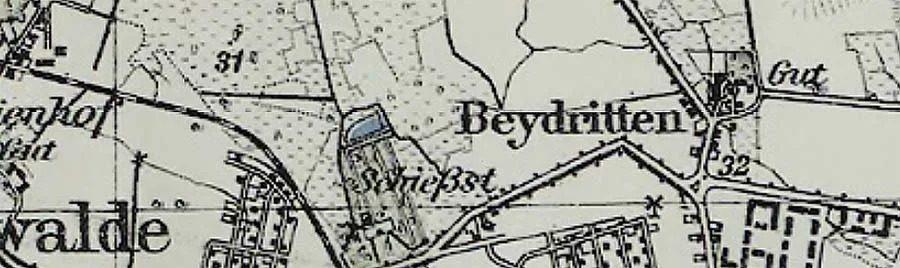
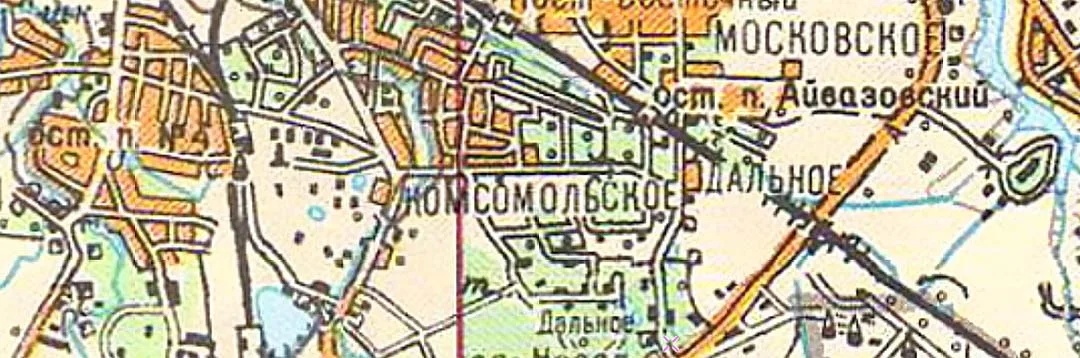
Dalnoye (Seligenfeld)
On the way out of the city along Podpolkovnika Yemelyanova Street, next to Fort No. 12 Eulenburg and Fort No. 11 Dönhoff
Aleksey Petrushin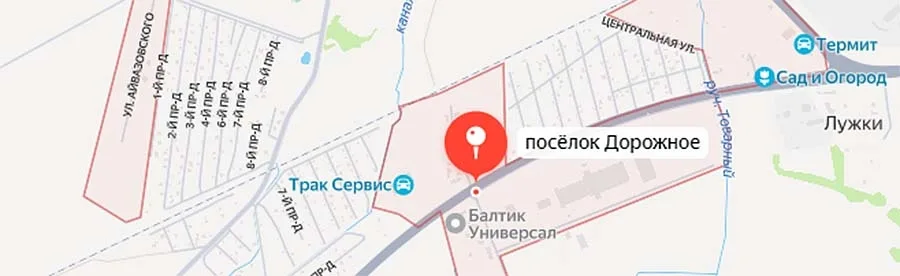
Dorozhnoye (Altenberg)
A settlement south of Kaliningrad that was once part of Königsberg
Aleksey Petrushin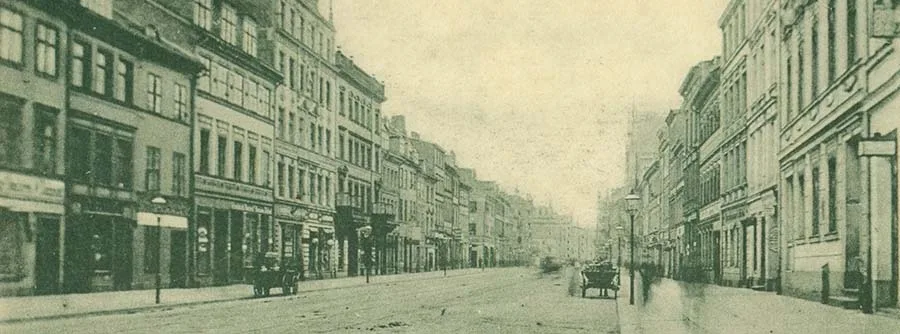
Vorstadt
The Kneiphof freedom on the southern bank of the Pregel, where the saddler Kant lived, who named his fourth child Emanuel
Aleksey Petrushin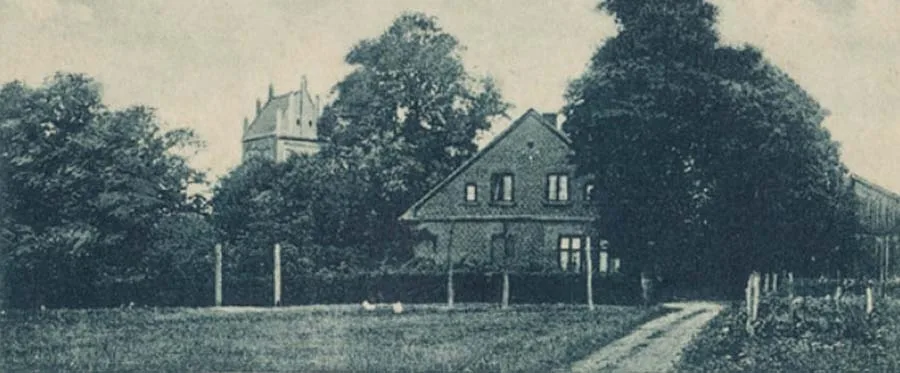
Dunayevka (Thierenberg)
A settlement in the most deserted part of the Sambian Peninsula
Aleksey Petrushin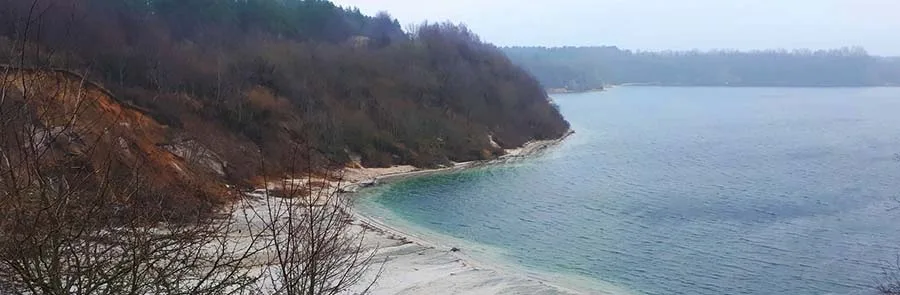
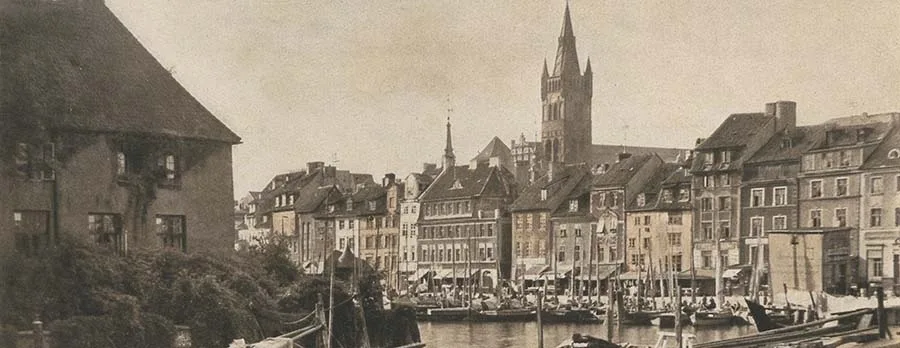
Altstadt (1286–1944)
The oldest town on the Pregel. The heart of Königsberg, which beat for 700 years between the castle and the river
Aleksey Petrushin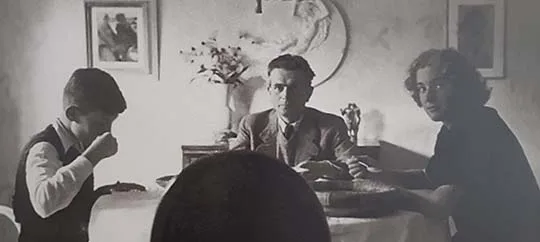
Otradnoye (Georgenswalde)
The western part of Svetlogorsk, where the famous Königsberg sculptor Hermann Brachert lived in the 1930s. Today there is a museum here
Aleksey Petrushin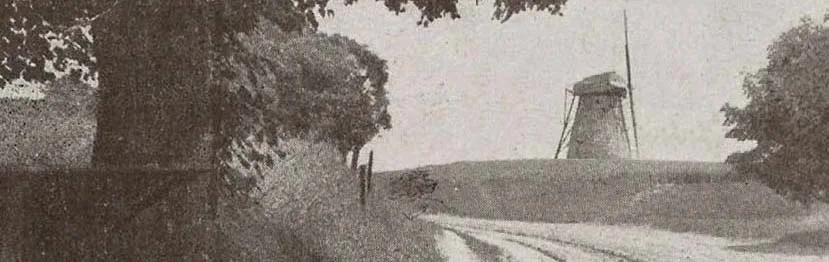
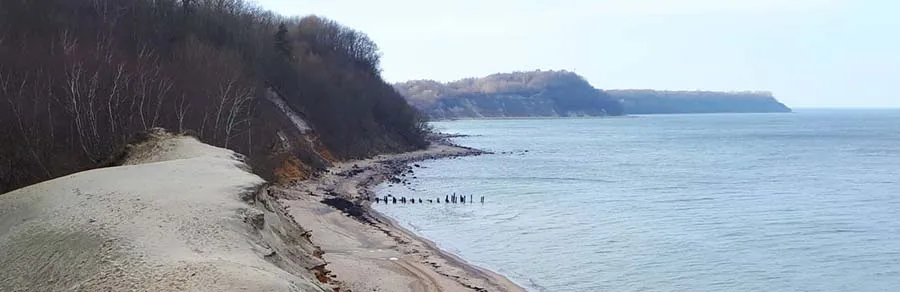
Primorye (Gross Kuhren)
Between Svetlogorsk and Yantarny. "Baltic Artek", the beach of Filino Bay, the Zipfelberg dune – it is all here
Aleksey Petrushin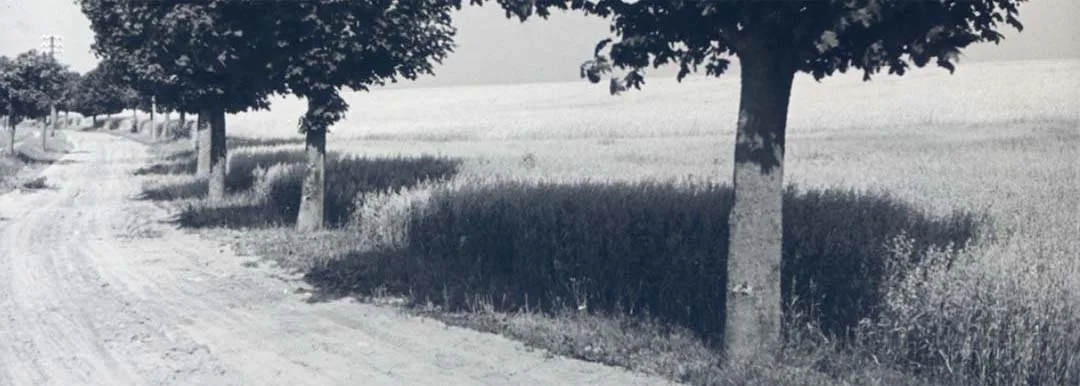
Rybnoye (Loppöhnen)
Between Svetlogorsk and Pionersky. In the Soviet period the place was known locally as the Boatswains' Village
Aleksey Petrushin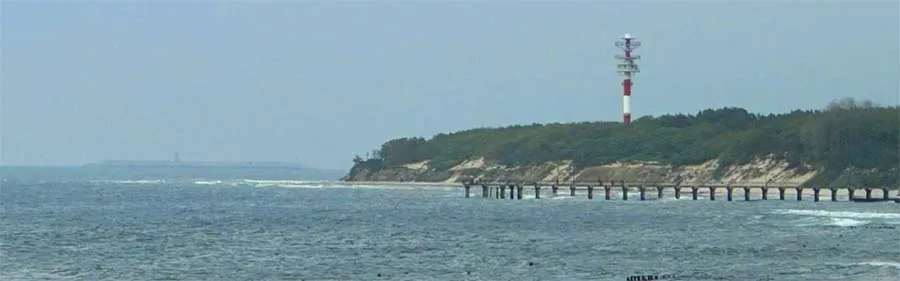
Zaostrovye (Rantau)
A settlement separated from Cape Gvardeysky by an extensive pine grove with a modern lighthouse
Aleksey Petrushin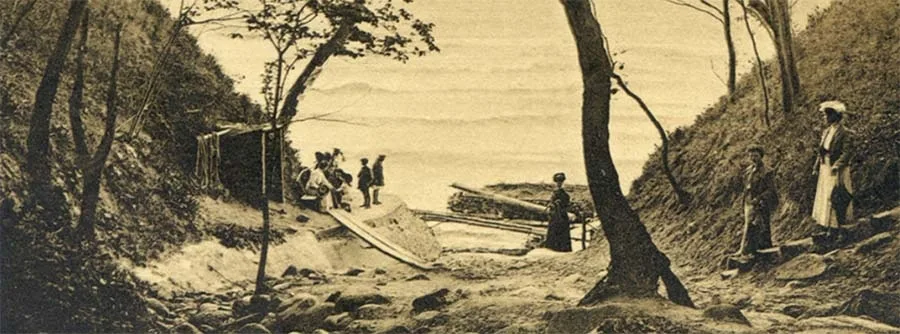
Lesnoye (Warnicken)
One of the iconic places of Sambia, which gave its name to the large forest in the north-west of the peninsula
Aleksey Petrushin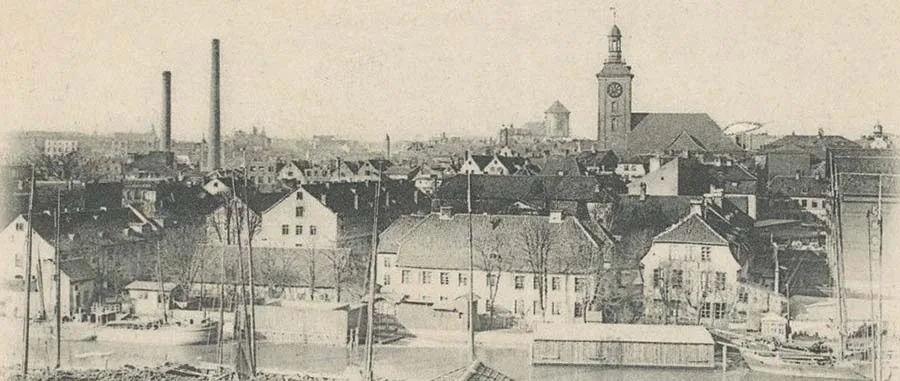
Löbenicht (1300–1944)
One of the three towns on the Pregel that would later merge into a single Königsberg
Aleksey Petrushin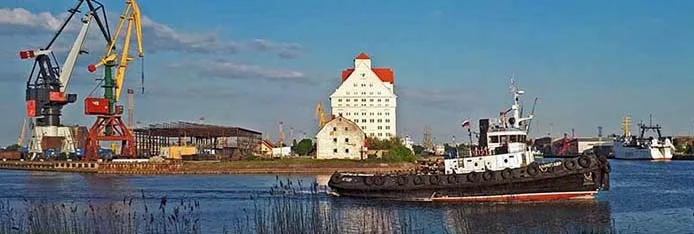
Portovoye (Nasser Garten)
A low-lying district in the south-west of Kaliningrad whose old German name translates as Wet Garden
Aleksey Petrushin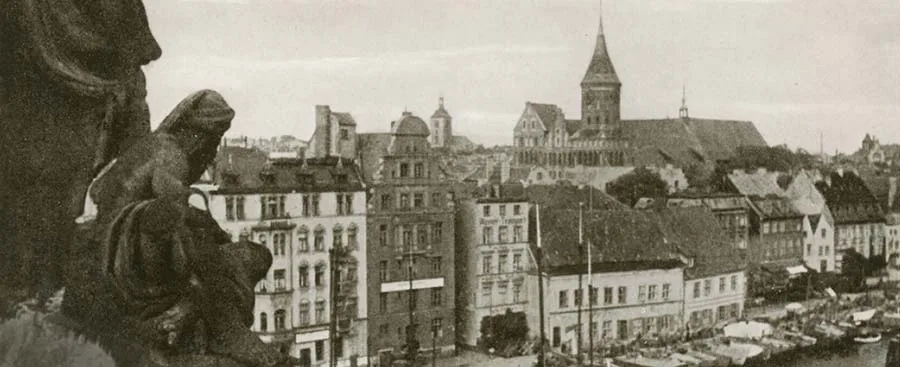
Kant Island (Kneiphof)
A Hanseatic outpost in Königsberg. An island town on the Pregel. In the old days people used to say: in Altstadt, power; in Kneiphof, luxury
Aleksey Petrushin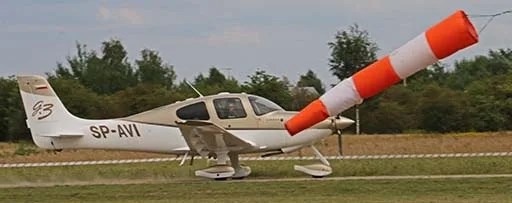
Rizhskoye (Kalthof and Devau)
The north-eastern outskirts of Kaliningrad-Königsberg, with cemeteries, a shooting range and Europe's first civil airport
Aleksey Petrushin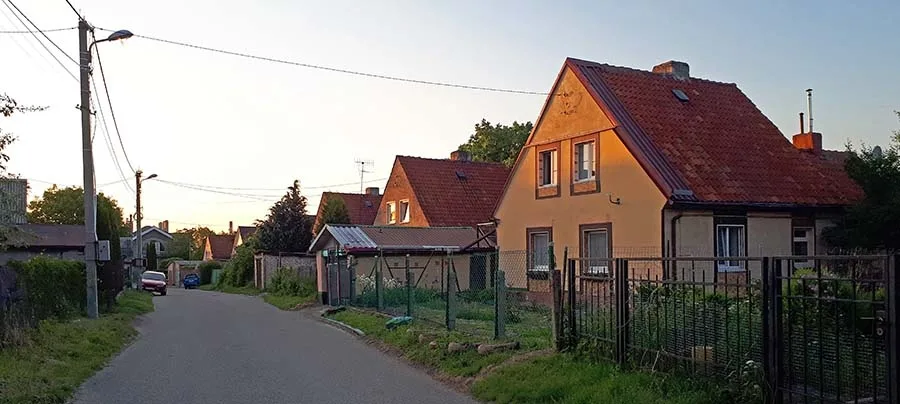
Suvorovo (Spandienen)
The south-western outskirts of the city, known to most Kaliningraders thanks to the busy road towards the EU border
Aleksey Petrushin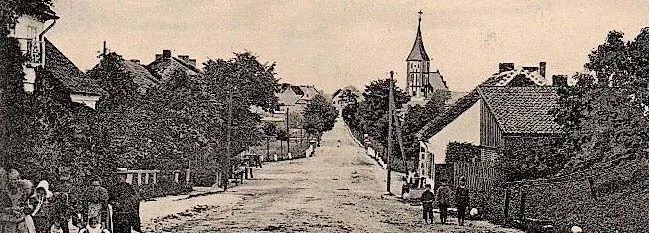
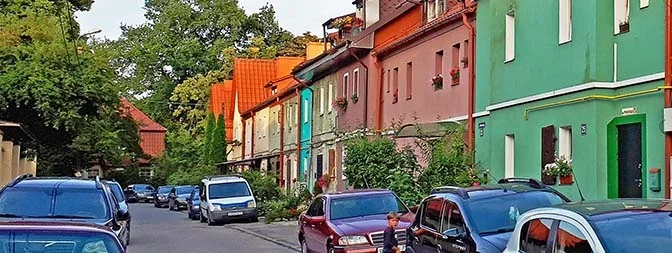
Vozdushny (Ratshof)
A mill, a grain elevator, a carriage works, a rock club, a marina, the local mecca of coffee brewing — there is so much here!
Aleksey Petrushin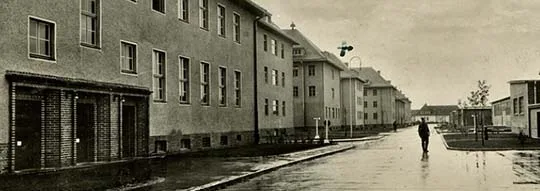
Nevskoye (Rothenstein)
A district north-east of the centre, between today's Nevskogo and Gagarina streets
Aleksey Petrushin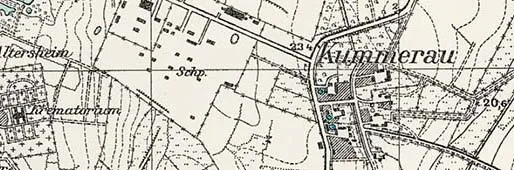
Nevskoye (Kummerau)
Today this is the site of the Emergency Hospital and the Catholic church of St Adalbert, behind which there was a crematorium before the Second World War
Aleksey Petrushin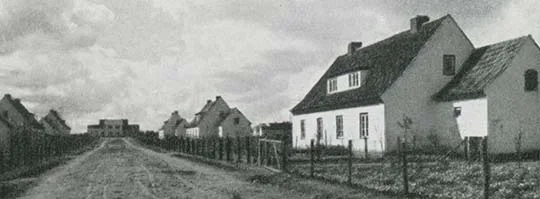
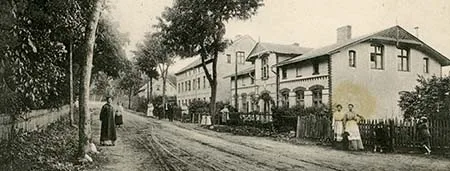
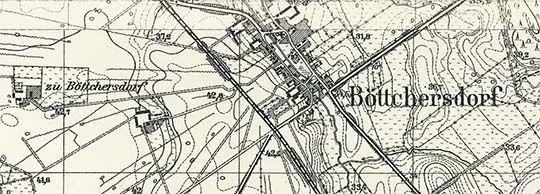
Sevskoye (Böttchersdorf)
The first church here was built under Ulrich von Jungingen, when he was still Komtur of Balga Castle
Aleksey Petrushin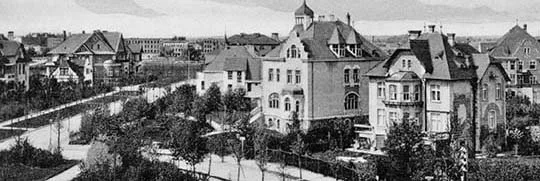
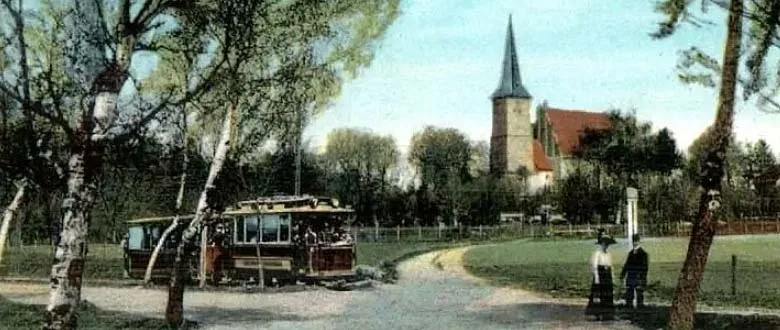
Mendeleyevo (Juditten)
The local church, the oldest in the city, played no small part in the district's popularity
Aleksey Petrushin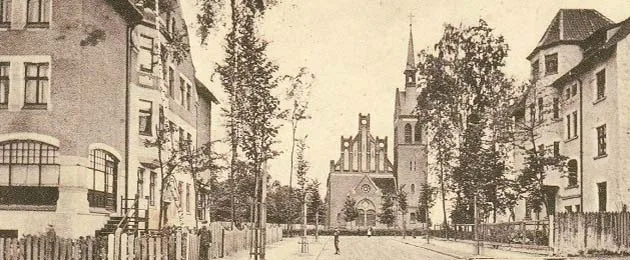
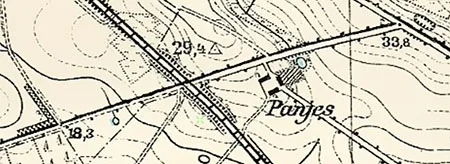
Osokino (Panjes)
A cosy, picturesque settlement on the way out of Yantarny towards Primorsk
Aleksey Petrushin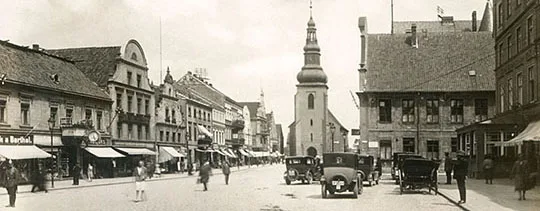
Chernyakhovsk (Insterburg)
A city that emerged at the confluence of the Instruch and Angrappa rivers
Aleksey Petrushin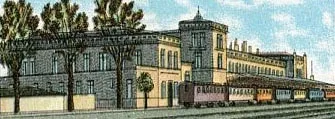
Chernyshevskoye (Eydtkuhnen)
Eydtkuhnen is first mentioned in 1557 as the settlement of Eittkau
Aleksey Petrushin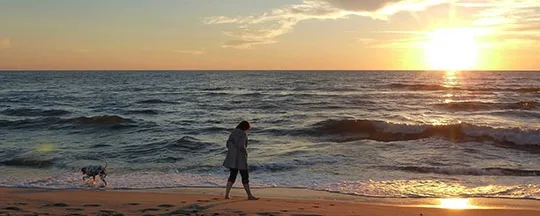
Yantarny (Palmnicken)
The place became known in the 19th century, when the amber miners Stantien & Becker moved here from the Curonian Spit
Aleksey Petrushin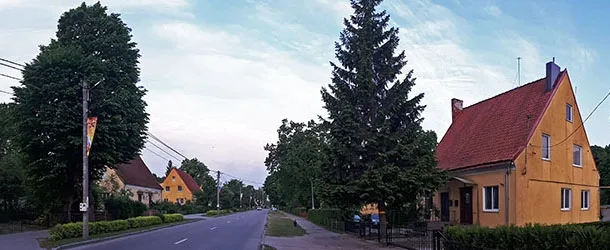
Guryevsk (Neuhausen)
The little town has had a controversial reputation since the time of the first Hohenzollerns. Especially its castle
Aleksey Petrushin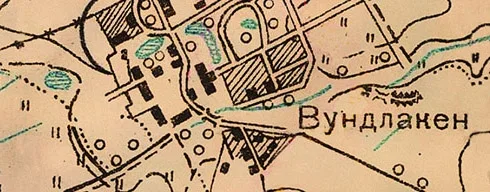
Wundlacken Estate
Wundlacken was founded in 1284. Until 1785 it was called Wundilauken
Aleksey Petrushin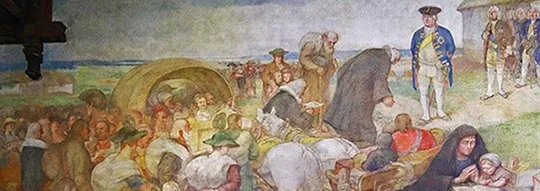
Gusev (Gumbinnen)
King Frederick William I of Prussia granted Gumbinnen town status on 6 April 1721
Aleksey Petrushin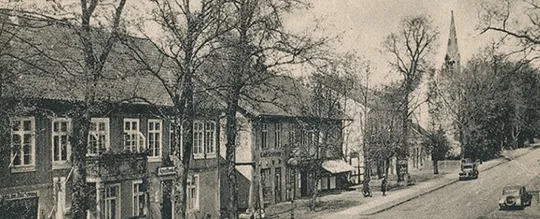
Slavsk (Heinrichswalde)
Capital of the polder lands of the Elchniederung, aka the Elk Valley
Aleksey Petrushin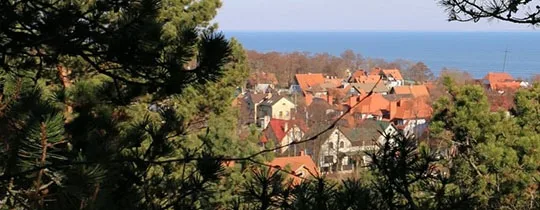
Morskoye (Pillkoppen)
Founded in 1283 as Neustadt Castle. Today the cosiest settlement on the Russian half of the Curonian Spit
Aleksey Petrushin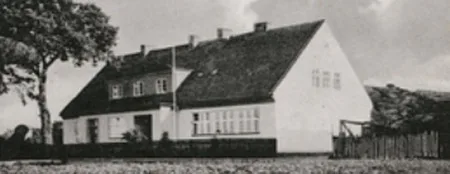
Ilyichyovo (Waldwinkel)
A quiet corner of the Polessk District that became famous thanks to the Old German School Waldwinkel museum
Aleksey Petrushin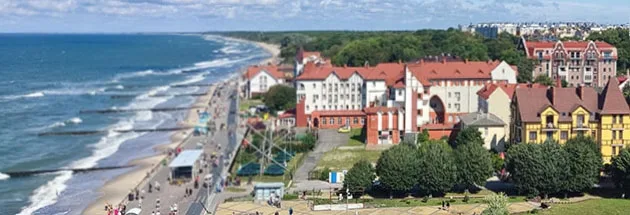
Zelenogradsk (Cranz)
A popular seaside resort at the base of the Curonian Spit, a.k.a. the "City of Cats", the leader in urban improvement in the Kaliningrad Region
Aleksey Petrushin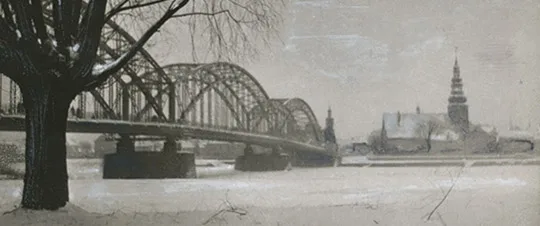
Sovetsk (Tilsit)
A city of regional significance where the Tylzha River flows into the Neman
Aleksey Petrushin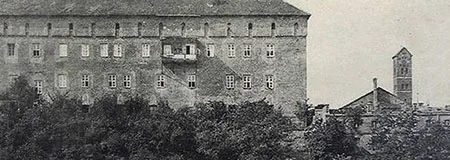
Neman (Ragnit)
Ragnit was granted town rights in 1722 by Frederick William I, who went down in history as the Soldier King
Aleksey Petrushin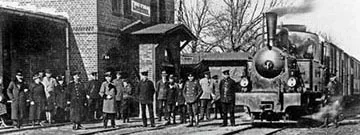
Krasnoznamensk (Lasdehnen)
Soviet historiography regards 1734 as the official founding year of Krasnoznamensk
Aleksey Petrushin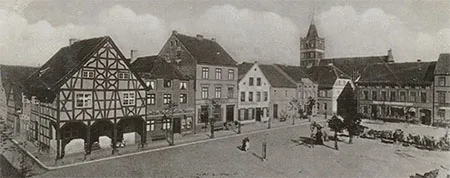
Pravdinsk (Friedland)
The town is unique in that it did not grow up around a castle of the Order or of a bishop
Aleksey Petrushin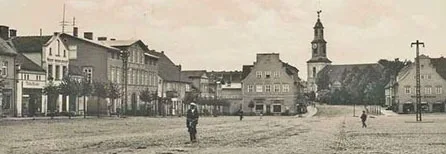
Nesterov (Stallupönen)
In 1818 Stallupönen became the centre of the Kreis of the same name
Aleksey Petrushin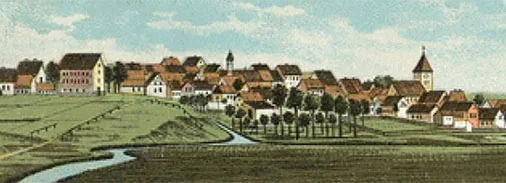
Krylovo (Nordenburg)
The settlement by the ruined castle of Nordenburg received Kulm town rights on 24 July 1407
Aleksey Petrushin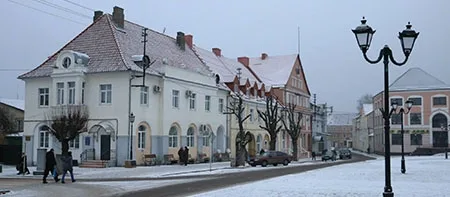
Ozyorsk (Darkehmen)
This small town on the Angrapa once gave shelter to Swiss Protestants, who turned it into a real "gem"
Aleksey Petrushin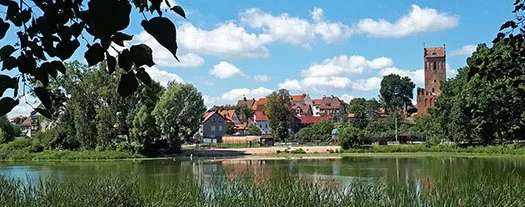
Zheleznodorozhny (Gerdauen)
The settlement by Gerdauen Castle was granted town rights on 21 September 1398
Aleksey Petrushin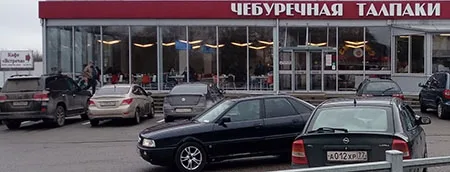
Talpaki (Taplacken)
A settlement at the turn-off to Sovetsk from the Kaliningrad–Chernyakhovsk–Gusev road, where the Glubokaya River flows into the Pregolya
Aleksey Petrushin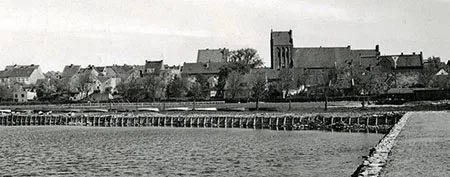
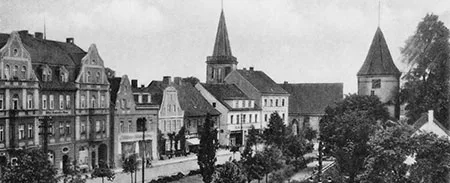
Polessk (Labiau)
The settlement by Labiau Castle received town rights on 28 July 1642
Aleksey Petrushin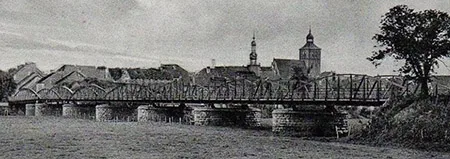
Znamensk (Wehlau)
In 1339 Wehlau received Kulm town rights from Grand Master Dietrich von Altenburg
Aleksey Petrushin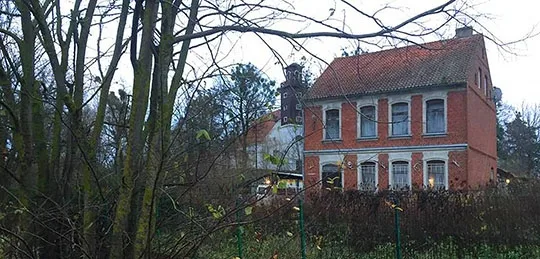
Chistye Prudy (Tollmingkehmen)
A settlement in the Nesterov Urban District on the Russkaya River. Founded in 1589
Aleksey Petrushin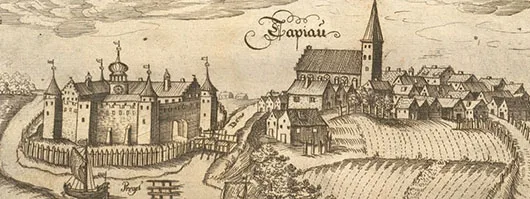
Gvardeysk (Tapiau)
Tapiau received town rights in 1722 from King Friedrich Wilhelm I
Aleksey Petrushin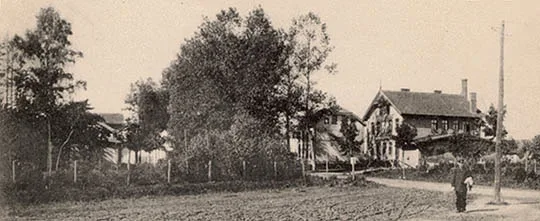
Pereslavskoye (Drugehnen)
A settlement near Galtgarben on the road to Svetlogorsk and Yantarny
Aleksey Petrushin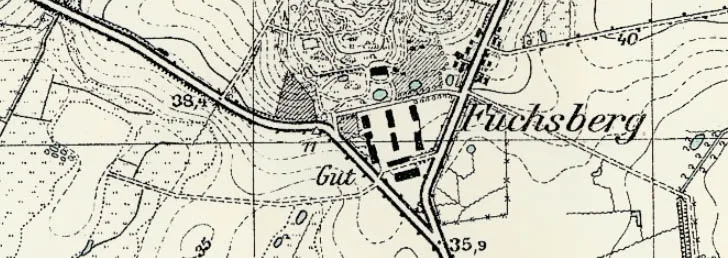
Kholmogorovka (Fuchsberg)
A settlement in the Zelenogradsk Urban District with a beautiful but neglected park
Aleksey Petrushin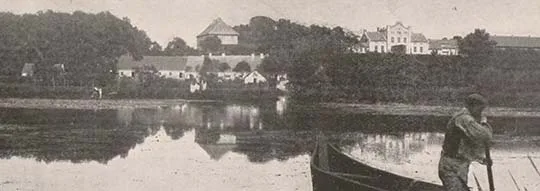
Slavyanskoye (Fuchshöfen)
A settlement in the Guryevsk Urban District on the bank of the region's main river
Aleksey Petrushin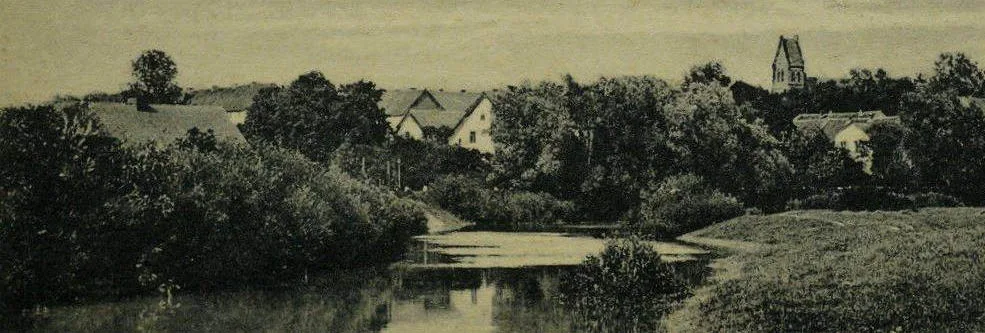
Ulyanovo (Kraupischken)
A settlement in the Neman urban district at the confluence of the Instruch and Ulyanovka rivers
Aleksey Petrushin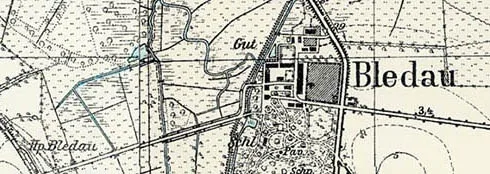
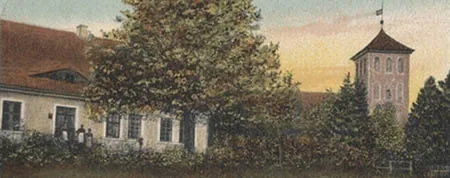
Timiryazevo (Neukirch)
A settlement in the Slavsk urban district on the Slavsk – Yasnoye road
Aleksey Petrushin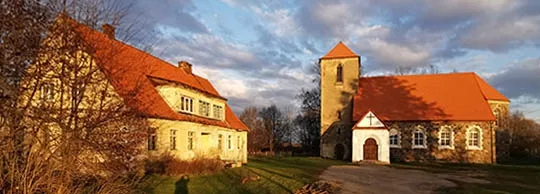
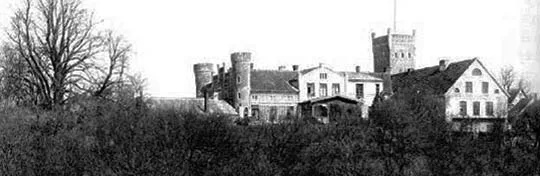
Sokolniki (Langendorf)
A settlement in the Gvardeysk Urban District on a high riverbank, home to the premium hotel "Romanovski Castle"
Aleksey Petrushin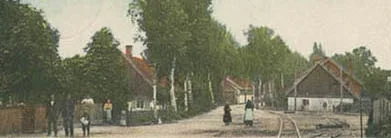
Slavinsk (Goldbach)
A settlement in the Gvardeysk Urban District on the Slavinka River
Aleksey Petrushin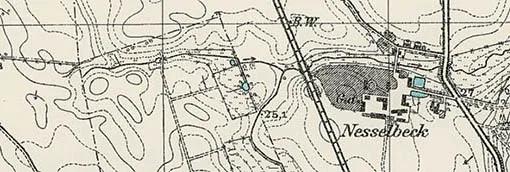
Orlovka (Nesselbeck)
A settlement in the Guryevsk Urban District on the Guryevka River, known for its hotel and restaurant
Aleksey Petrushin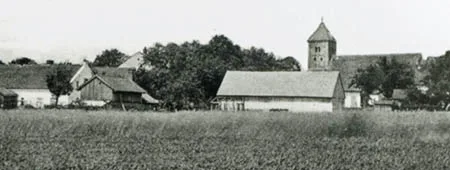
Kumachevo (Kumehnen)
A settlement in the Zelenogradsk Urban District on the Pereslavskoye – Primorsk highway
Aleksey Petrushin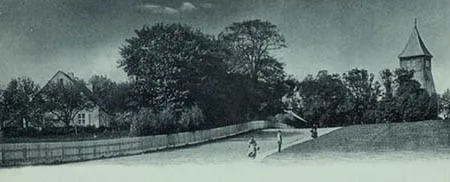
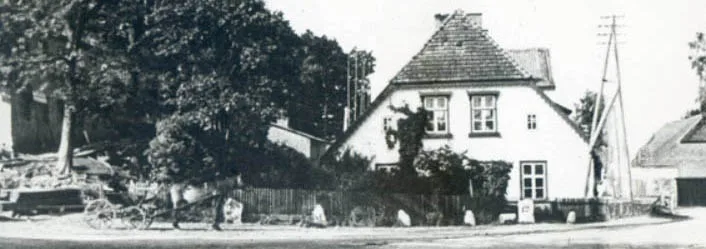
Mezhdurechye (Norkitten)
A settlement in the Chernyakhovsk urban district where the Golubaya River flows into the Pregolya
Aleksey Petrushin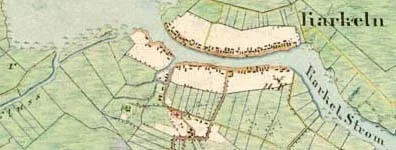
Mysovka (Karkeln)
A settlement in the Slavsk Urban District at the mouth of the Razliv River (Karkelstrom)
Aleksey Petrushin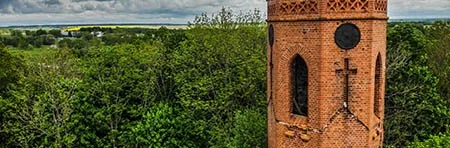
Chekhovo (Uderwangen)
A settlement in the Bagrationovsk Urban District on the Prokhladnaya (Frisching) River
Aleksey Petrushin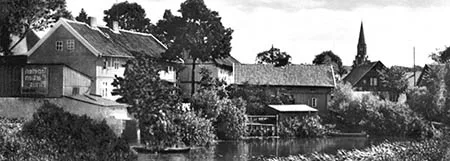
Yasnoye (Kaukehmen)
Kaukehmen was known from 1466 as a castle of the Teutonic Order
Aleksey Petrushin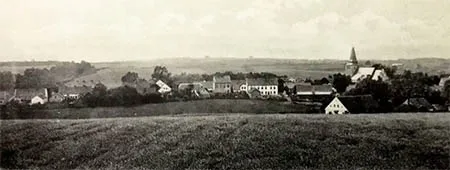
Romanovo (Pobethen)
The locality of Pobethen is first mentioned in the chronicles of the Order in 1258
Aleksey Petrushin
Logvino (Medenau)
A Prussian settlement existed on the site of Medenau as early as the 11th century BC
Aleksey Petrushin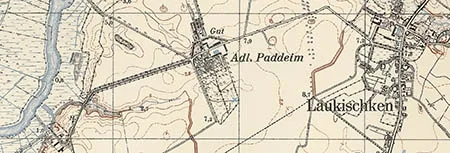
Saranskoye (Laukischken)
The locality of Lowke is first mentioned in documents in 1258
Aleksey Petrushin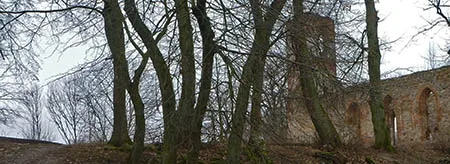
Melnikovo (Rudau)
A settlement in the Zelenogradsk District on the Zelenogradka and Slavnaya rivers
Aleksey Petrushin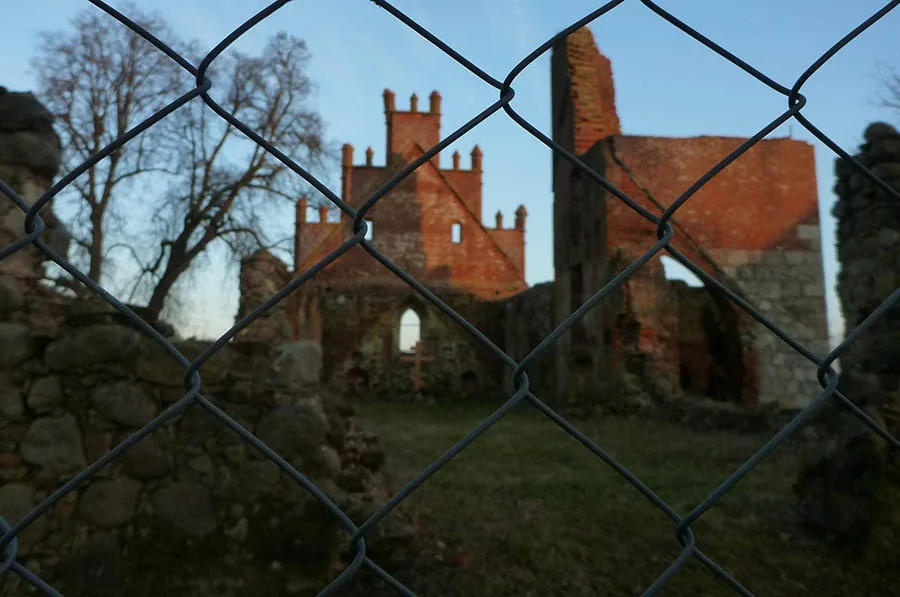
Salskoye (Sankt Lorenz)
A settlement in the Zelenogradsk Urban District south of Svetlogorsk. It once had the parish church of this part of Samland
Aleksey Petrushin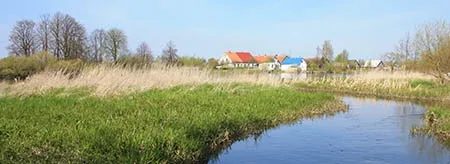
Matrosovo (Gilge)
A quintessential local fishing village at the mouth of the Gilge River, now renamed the Matrosovka
Aleksey Petrushin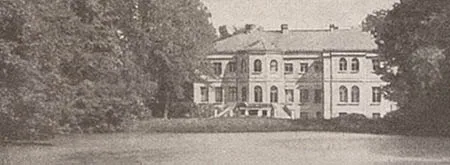
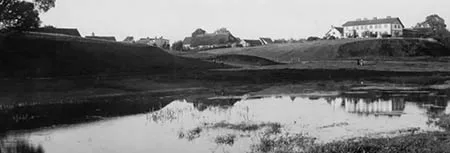
Nemanskoye (Trappönen)
A settlement in the Krasnoznamensk Urban District on the Neman River
Aleksey Petrushin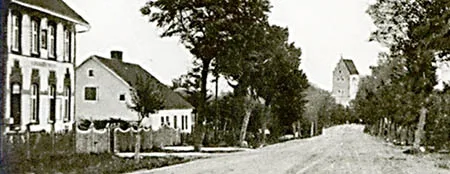
Pyatidorozhnoye (Bladiau)
A settlement in the Bagrationovsk Urban District on the Kaliningrad – Mamonovo road
Aleksey Petrushin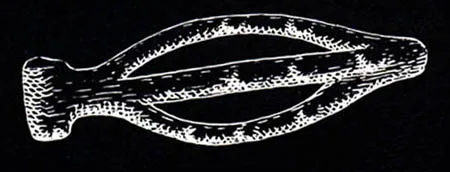
Kovrovo (Nautzau)
A settlement in the Zelenogradsk Urban District on the Zelenogradsk – Romanovo road
Aleksey Petrushin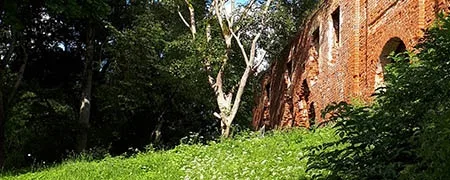
Kamenskoye (Saalau)
Founded in December 1352 as a bishop's castle on the site of the Prussian fortress of Wostopolo
Aleksey Petrushin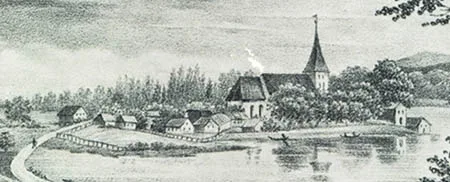
Kotelnikovo (Wargen)
A field of artesian wells of Kaliningrad's water supply system
Aleksey Petrushin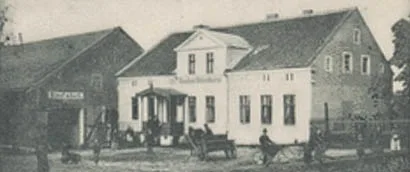
Zelentsovo (Obelischken)
A settlement in the Chernyakhovsk Urban District on the Podgornoye – Svoboda road and the Golubaya River
Aleksey Petrushin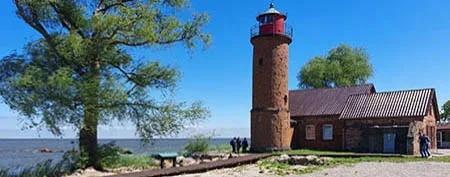
Zalivino (Labagienen)
A settlement with a landing stage on the Curonian Lagoon where the Deima River flows into it
Aleksey Petrushin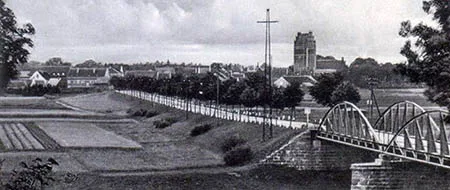
Druzhba (Allenburg)
Founded in 1272 as a castle of the Teutonic Order on the site of a Prussian fortress
Aleksey Petrushin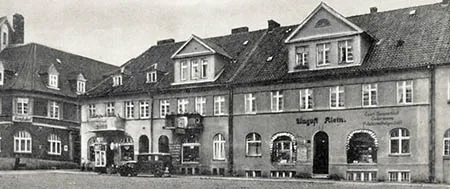
Domnovo (Domnau)
The first settlement on the site of present-day Domnovo is mentioned in 1249
Aleksey Petrushin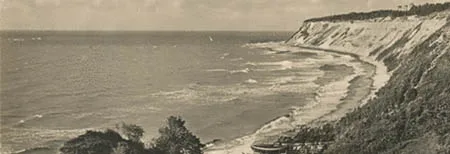
Donskoye (Gross Dirschkeim)
An urban-type settlement in the Svetlogorsk Urban District on the Baltic Sea coast, with the most beautiful beach
Aleksey Petrushin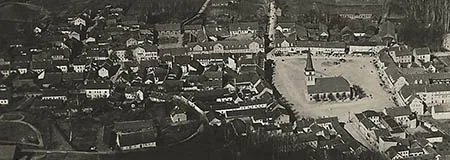
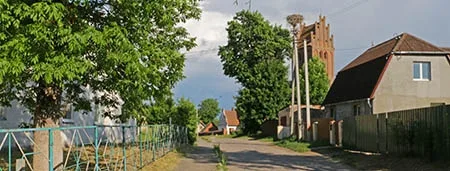
Gvardeyskoye (Mühlhausen)
A settlement in the Bagrationovsk Urban District on the Rezvaya River, linked by family ties to Martin Luther
Aleksey Petrushin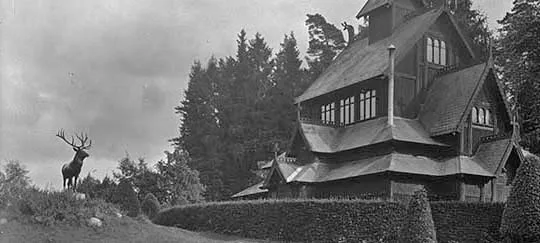
Raduzhnoye (Rominten)
One of the most beautiful spots in the Rominta Forest. Kaiser Wilhelm II built a hunting lodge here in the Norwegian style
Aleksey Petrushin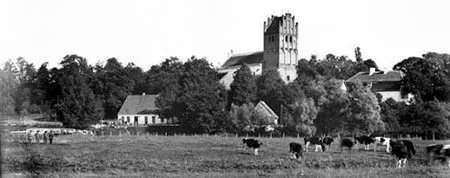
Vladimirovo (Tharau)
A settlement in the Bagrationovsk Urban District on the Prokhladnaya River that became famous thanks to Simon Dach
Aleksey Petrushin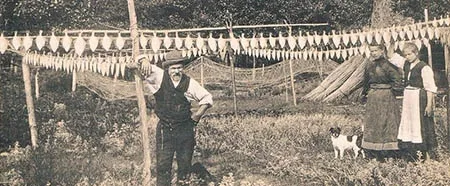
Lesnoy (Sarkau)
The first settlement on the Russian side of the Curonian Spit, reached by a perfect cycle path
Aleksey Petrushin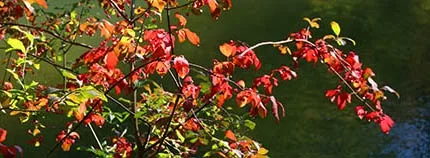
Krasnolesye (Groß Rominten)
A village in Nesterov District, the “capital” of the Rominten Heath
Aleksey Petrushin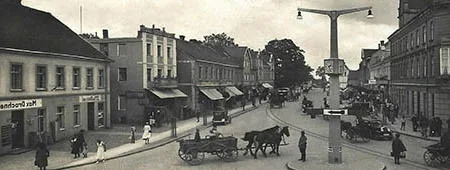
Bolshakovo (Gross Skaisgirren)
A charming settlement on the Kaliningrad (Königsberg) – Sovetsk (Tilsit) road
Aleksey Petrushin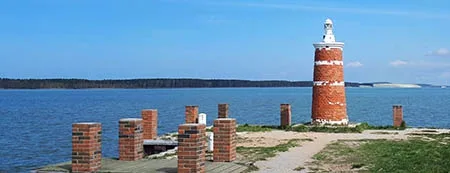
Rybachy (Rossitten)
A settlement on the Curonian Spit, famous for its gliding school and its ornithological station
Aleksey Petrushin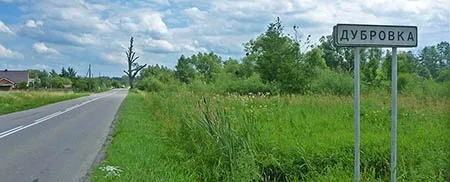
Dubrovka (Görken–Klaussen–Pilzen)
In 1947 Görken, Klaussen and Pilzen were merged and renamed Dubrovka
Aleksey Petrushin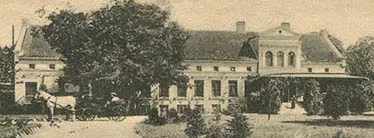
Ladushkin (Ludwigsort)
Founded in 1314. In 1946 it was renamed in honour of Ivan Ladushkin, who was killed in the fighting for the town
Aleksey Petrushin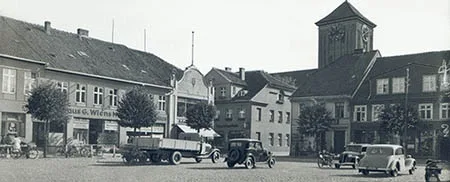
Mamonovo (Heiligenbeil)
A town in Bagrationovsk District on the Vitushka and Mamonovka rivers
Aleksey Petrushin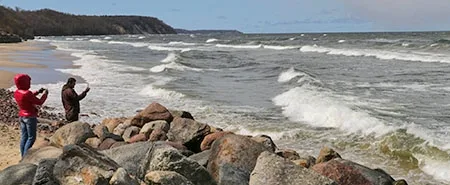
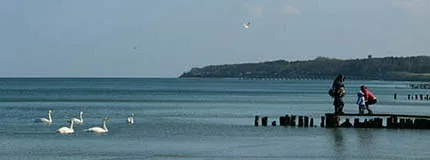
Pionersky (Neukuhren)
The fishing village that stood on the site of Neukuhren is first mentioned in 1254 – it is older than Königsberg
Aleksey Petrushin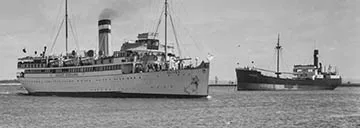
Baltiysk (Pillau)
On September 10, 1510, a powerful storm breached the spit, creating a new strait — and thus began the history of Pillau
Aleksey Petrushin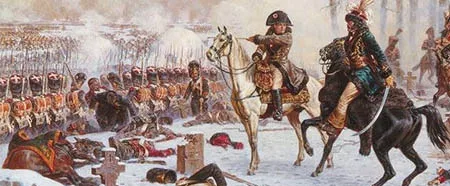
Bagrationovsk (Preußisch Eylau)
A town on the Mayskaya River (Pasmar). Founded in the 14th century as a castle of the Teutonic Order
Aleksey Petrushin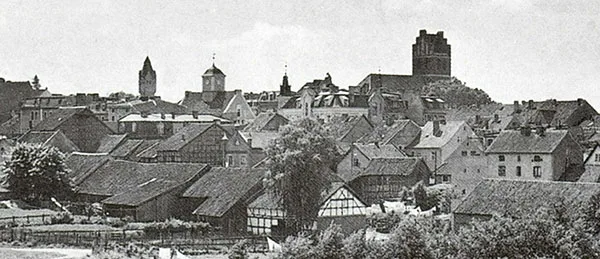
Kornevo (Zinten)
The town's founding date is considered to be 1290, but little of it has survived
Aleksey Petrushin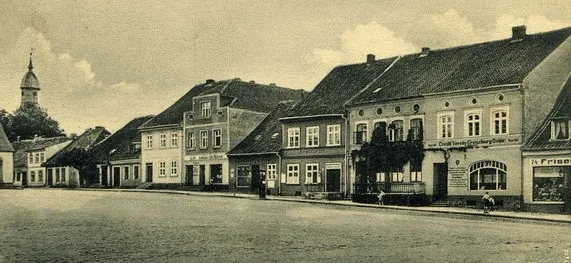
Slavskoye (Kreuzburg)
The town was founded in 1241 as a castle of the Teutonic Order
Aleksey Petrushin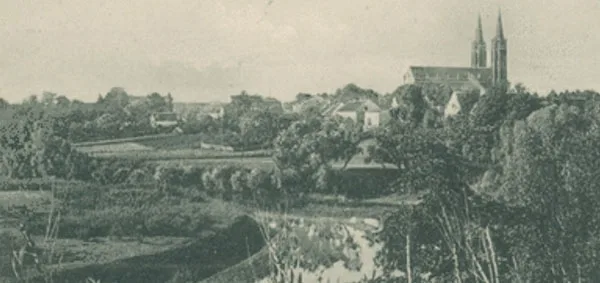
Kutuzovo (Schirwindt)
A town on the Sheshupe that did not survive the Second World War
Aleksey Petrushin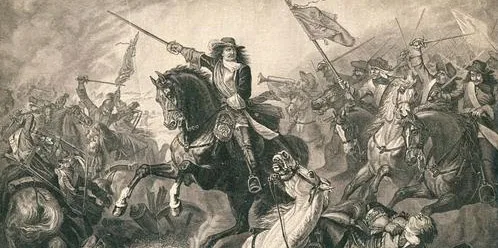
The Making of the Great Elector
How the star of the Great Elector of Brandenburg-Prussia rose
Aleksey Petrushin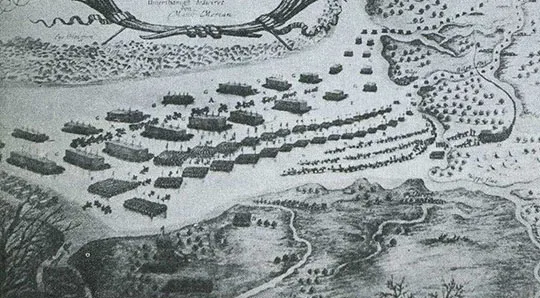
The Great Ice Manoeuvre
How the Great Elector chased the Swedes across the ice by sleigh
Aleksey Petrushin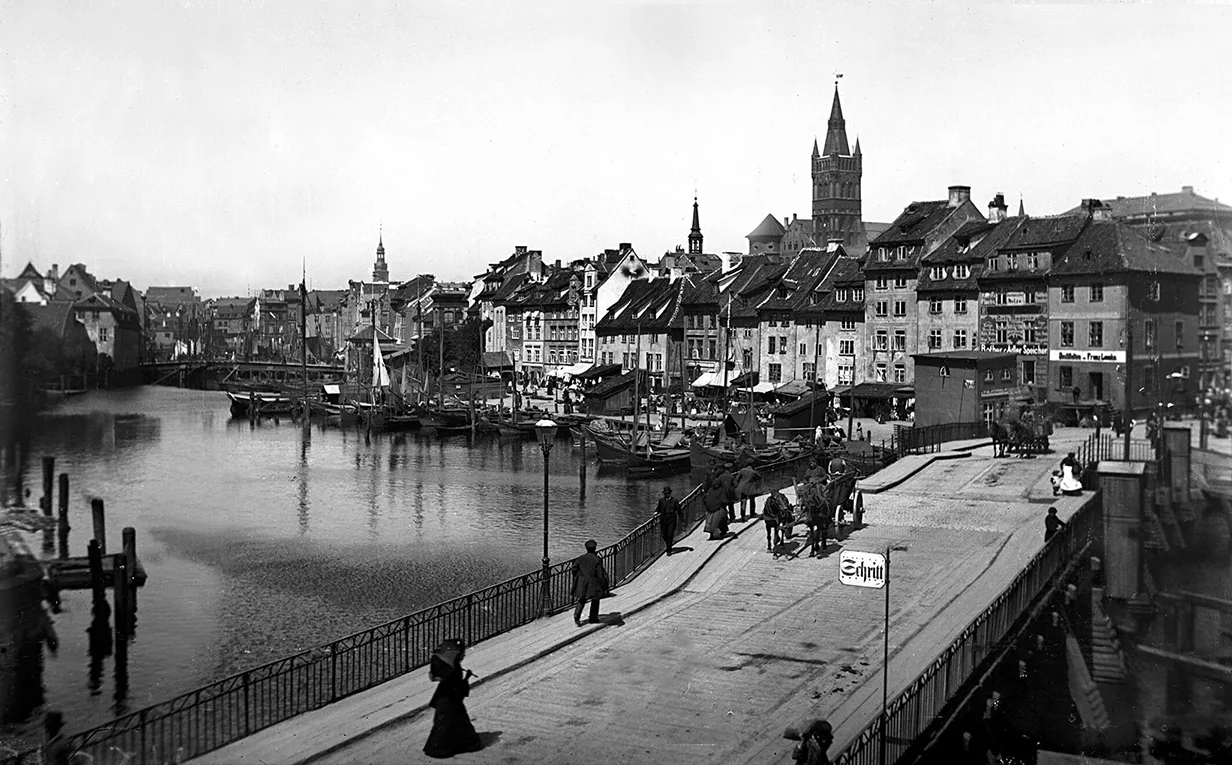
The Latest "Seven Bridges of Königsberg Problem"
After the "reconstruction", nothing will be left of the historic bridges.
Aleksey Petrushin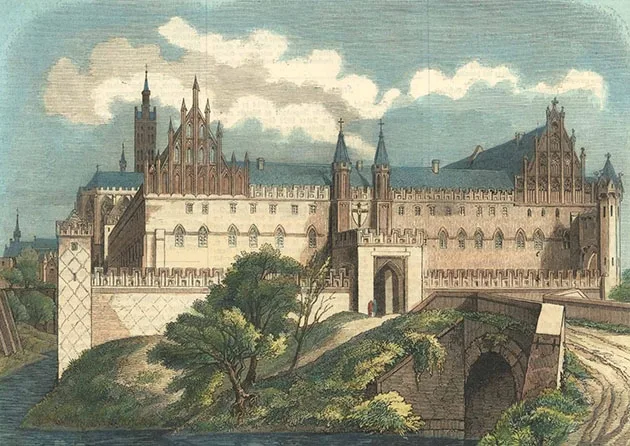
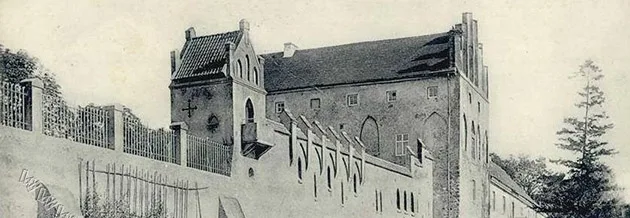
Georgenburg Castle
Insterburg's twin, a bishop's castle with a large outer bailey, was built in stone at the end of the 14th century
Aleksey Petrushin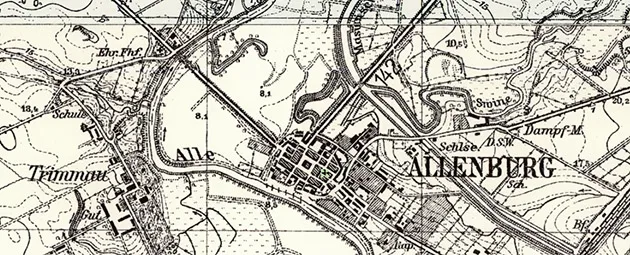
Allenburg Castle
Built in stone no later than the mid-14th century. Burned down twice, rose again only once
Aleksey Petrushin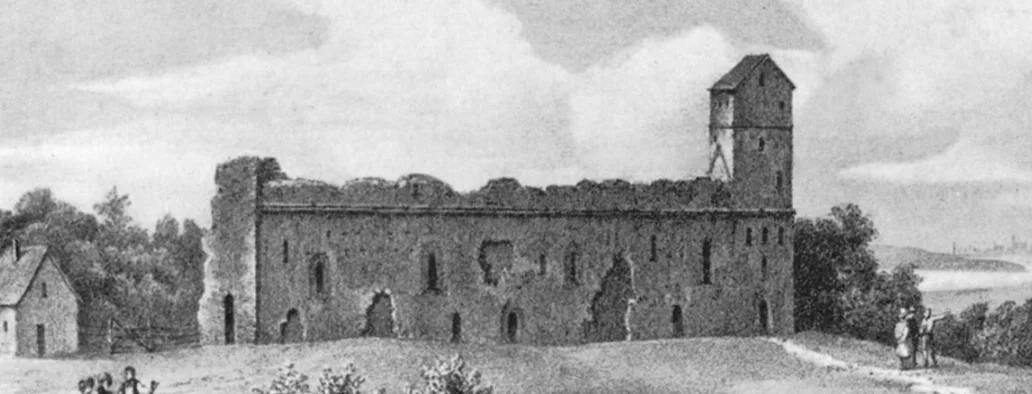
Balga Castle
The Order's bridgehead on the shore of the Frisches Haff lagoon, from which the conquest of Prussia began
Aleksey Petrushin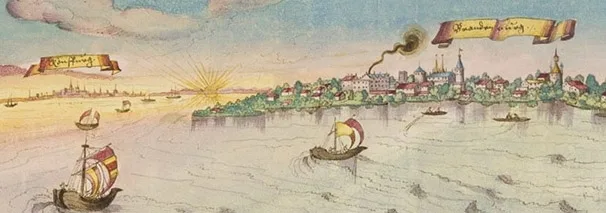
Brandenburg Castle
Named in honour of Otto III, Margrave of Brandenburg, who saved the Order in 1266
Aleksey Petrushin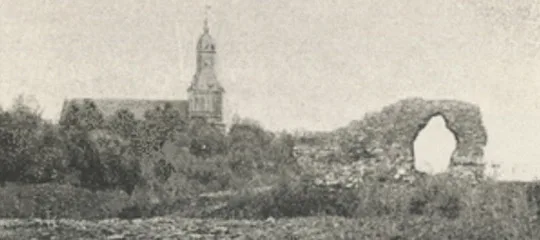
Kreuzburg Castle
A vivid illustration of the fact that no merits can save you from oblivion
Aleksey Petrushin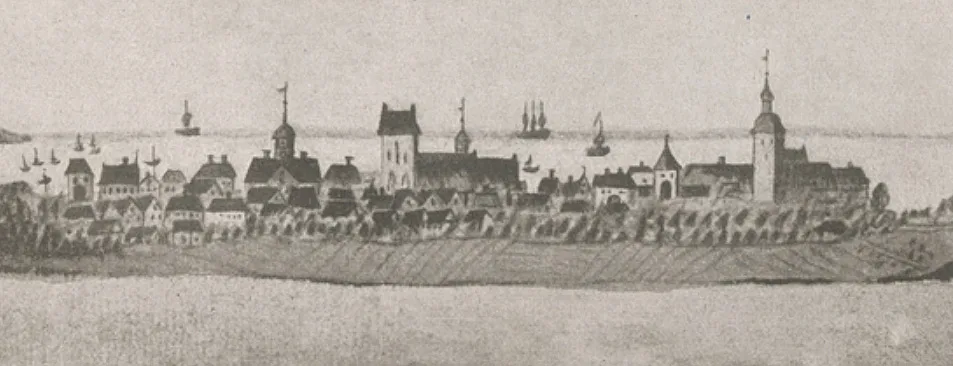
Fischhausen Castle
A witness to and participant in the turbulent history of Samland in the days of the Order, which more than once saved the local bishop
Aleksey Petrushin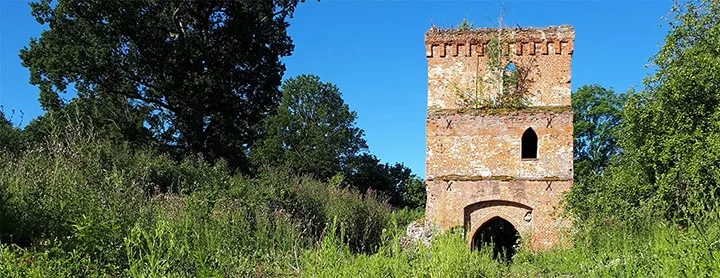
Gross Wohnsdorf Castle
Prussia had many Order castles like this one, but only this one was visited repeatedly by Immanuel Kant
Aleksey Petrushin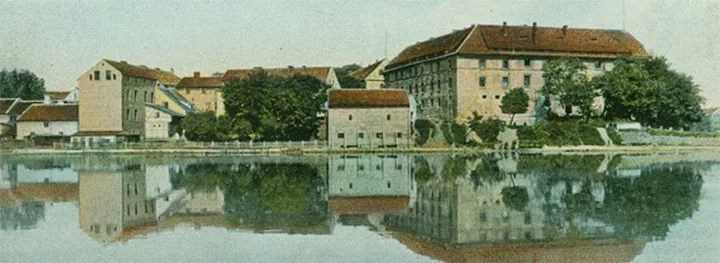
Insterburg Castle
For a long time it served as a staging post for the Order's troops on their way to Lithuania
Aleksey Petrushin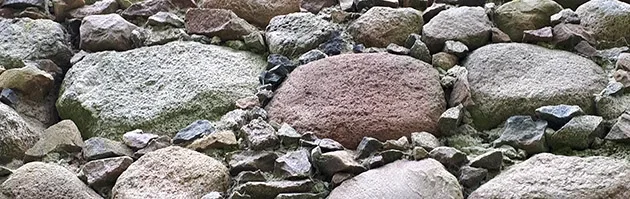
Kaymen Castle
It was here, on 21 January 1758, that the capitulation of East Prussia was signed and Königsberg was surrendered to the Russians
Aleksey Petrushin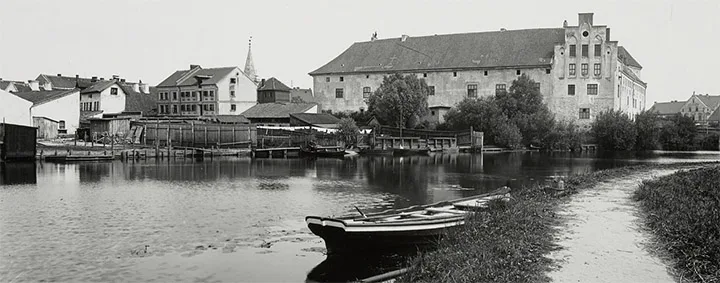
Labiau Castle
A medieval fortress that later served as an administrative center in a strategically important area
Aleksey Petrushin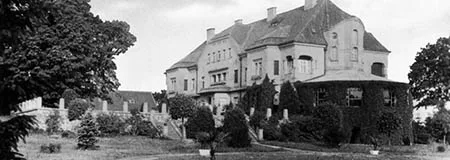
Lauken Castle
The castle's last owner was an anti-fascist who was thrown into prison and found hanged there
Aleksey Petrushin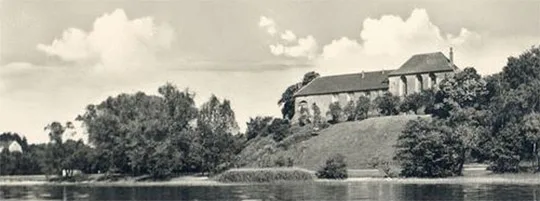
Lochstädt Castle
Its name and location suggest that there was once a strait through the spit at this spot
Aleksey Petrushin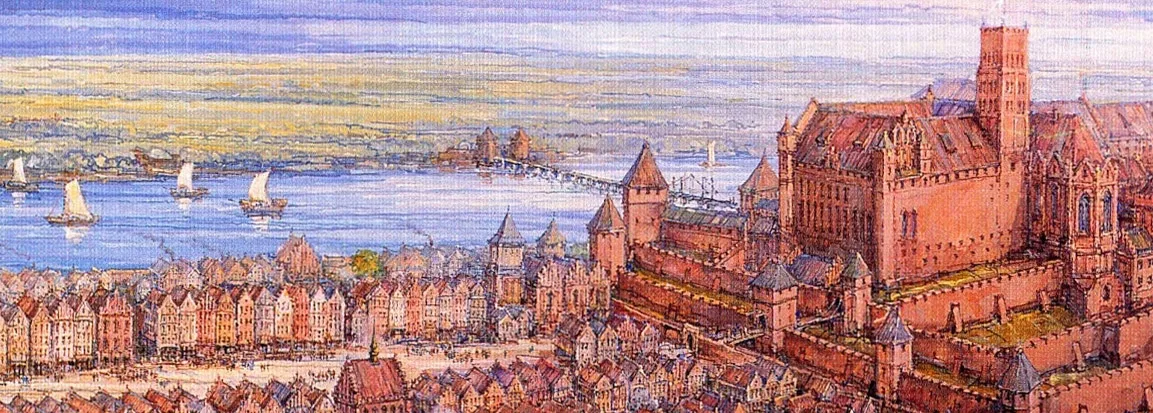
Marienburg Castle in Malbork
Until the mid-15th century it was the centre of the capital of the Order's state. The largest brick castle in the world
Aleksey Petrushin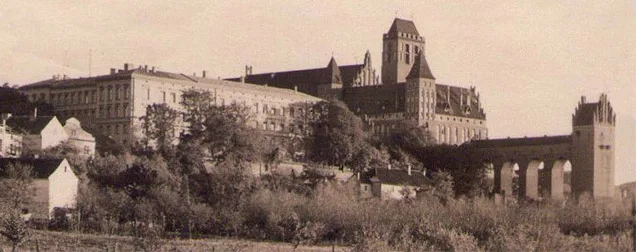
Marienwerder Castle in Kwidzyn
A magnificent building with the only surviving danzker in northern Poland
Aleksey Petrushin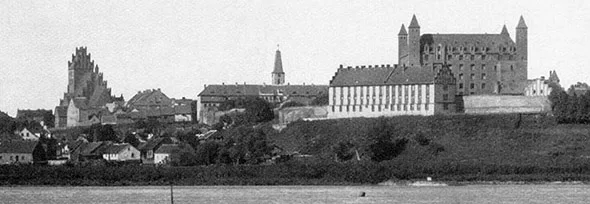
Mewe Castle in Gniew
At the height of the Order's power, Mewe was its most important stronghold in the west
Aleksey Petrushin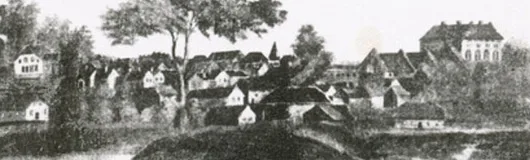
Preußisch Eylau Castle
An intermediate stronghold between Kreuzburg and Bartenstein, built of stone and brick from the very beginning
Aleksey Petrushin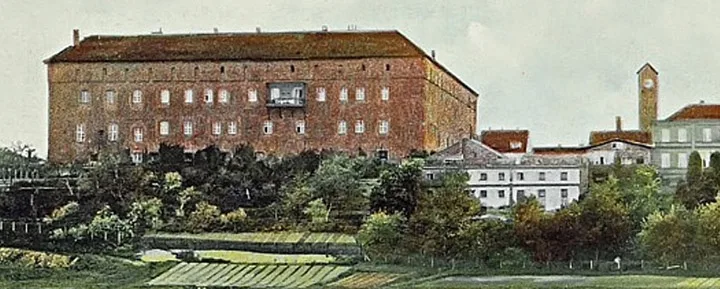
Ragnit Castle
An outpost of the Teutonic Order and a mustering point for knightly forces on campaigns into Lithuania
Aleksey Petrushin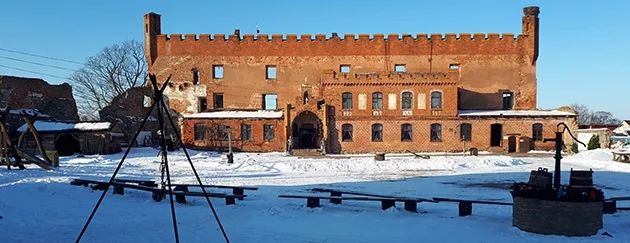
Schaaken Castle
A dubious mix of the Middle Ages and 19th-century Gothic Revival, with a modern commercial "outer bailey"
Aleksey Petrushin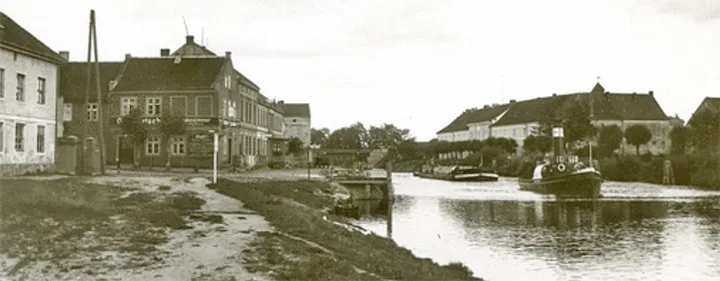
Tapiau Castle
An outpost on the route from Nadruvia to Königsberg that controlled the Pregel and the Deime
Aleksey Petrushin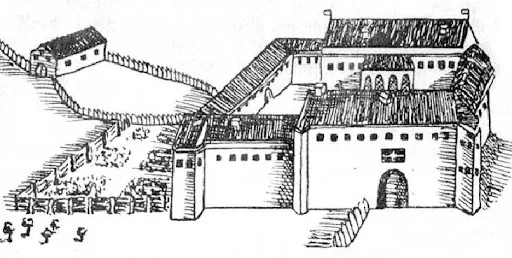
Taplacken Castle
The most astonishing thing is that in the 21st century a castle from the days of the Teutonic Order serves as a home for ordinary mortals
Aleksey Petrushin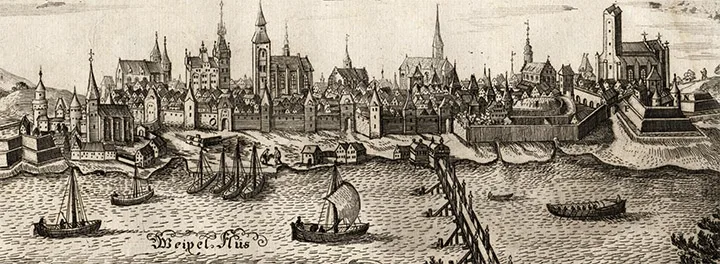
Thorn Castle in Toruń
The first castle of the Teutonic Order in Prussia, next to which a settlement grew up almost at once
Aleksey Petrushin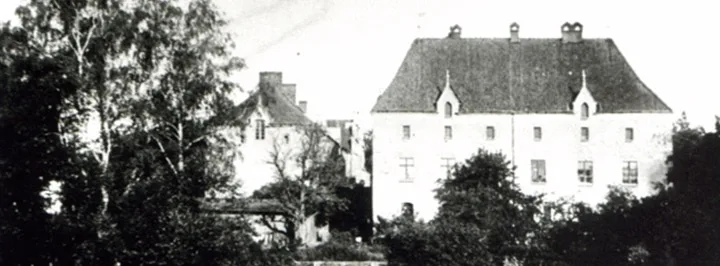
Waldau Castle
It protected Königsberg from Lithuanian raids, serving as the first staging post on the eastern route
Aleksey Petrushin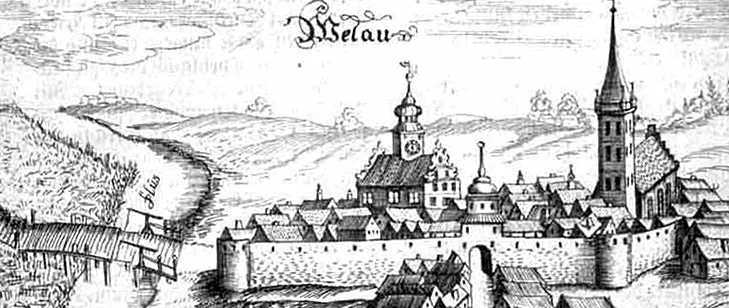
Wehlau Castle
A fighting fortress that served the Teutonic Order faithfully in the 13th and 14th centuries
Aleksey Petrushin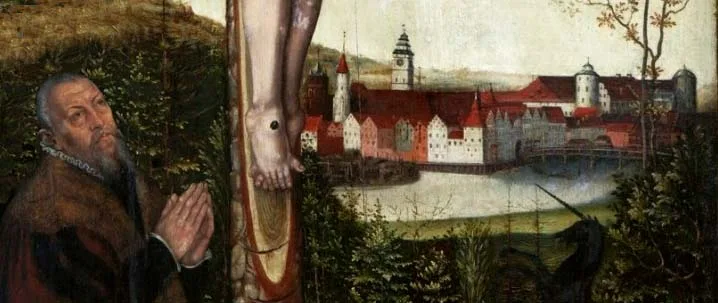
Seven Centuries of Königsberg
Twelve years of Nazism and five and a half years of war are a drop in the ocean compared with the path this city travelled, growing from a small village at the edge of the world in…
Aleksey Petrushin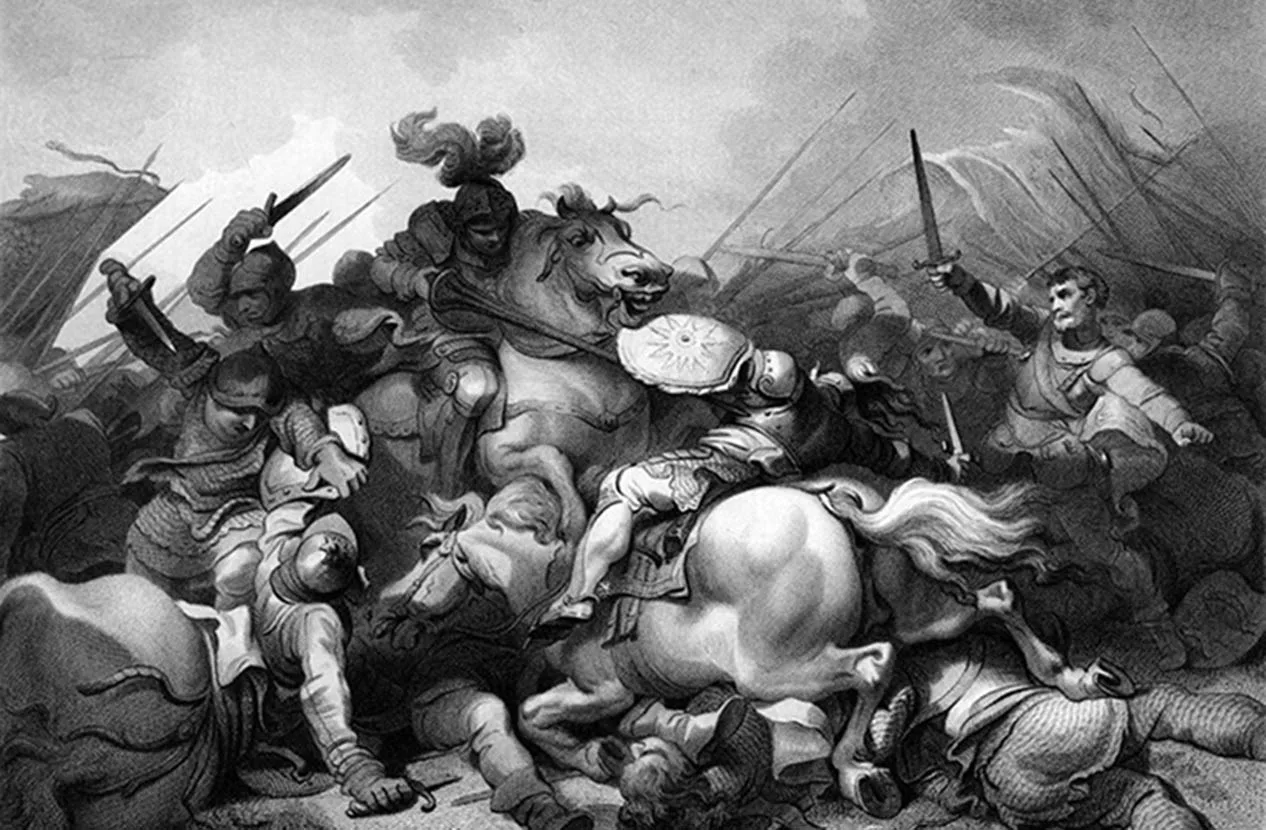
The Tale of the Battle at Rudau Castle, Where a Marshal Laid Down His Life and a Shoemaker Became a Knight
The history of the Teutonic–Lithuanian conflicts began immediately after the Teutonic Order conquered the Prussian lands
Aleksey Petrushin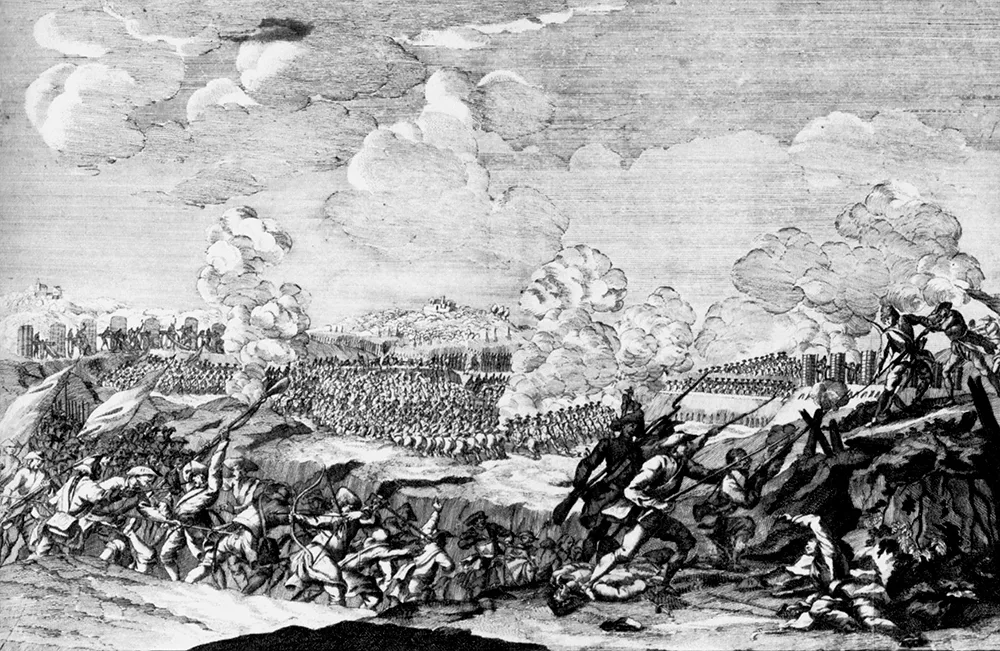
The Lesson of Gross-Jägersdorf: Lose Your Nerve, Lose Your Victory
The Russian army's victory at Gross-Jägersdorf could have been the first step towards routing the army defending East Prussia, but it was not...
Aleksey Petrushin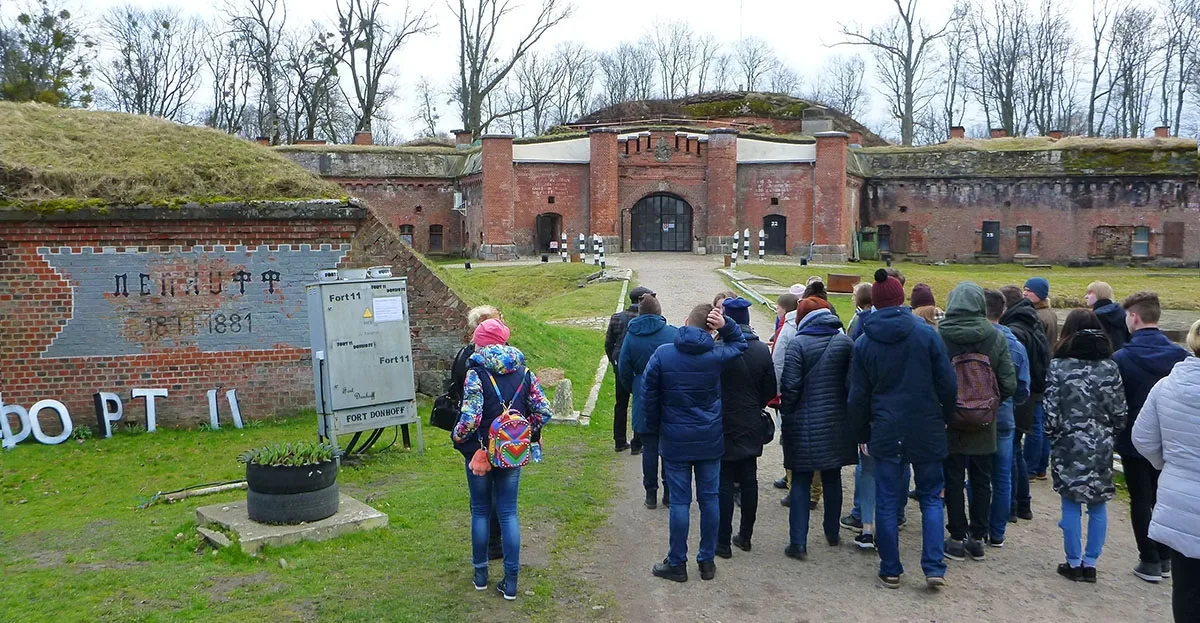
The Forts of Königsberg
Well-preserved, grandiose fortifications sunk deep into the ground
Aleksey Petrushin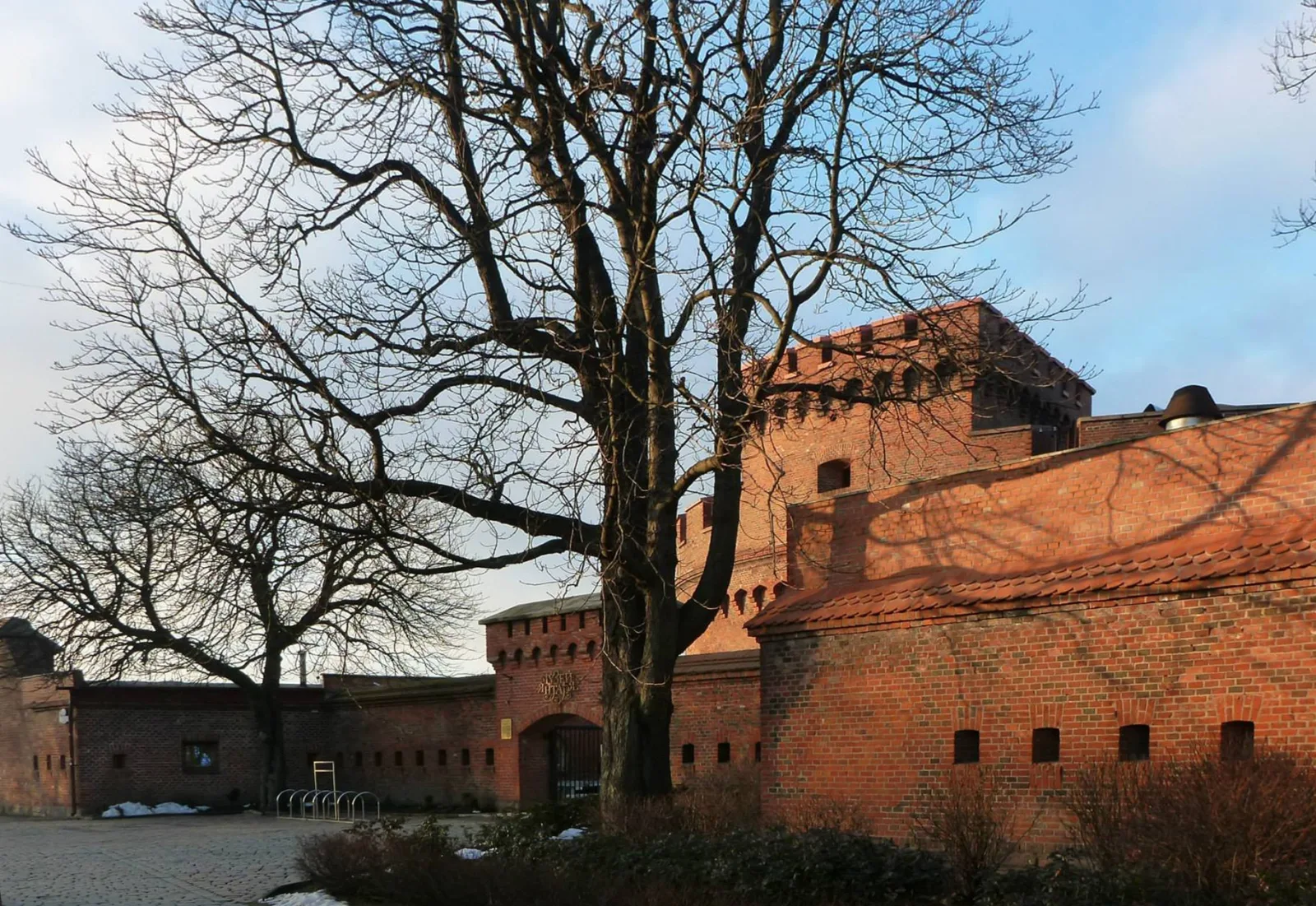
Whence Came the Gates, Bastions, Ravelins, Caponiers, Towers and Moats
The history of the construction of Königsberg's second ring of ramparts.
Aleksey Petrushin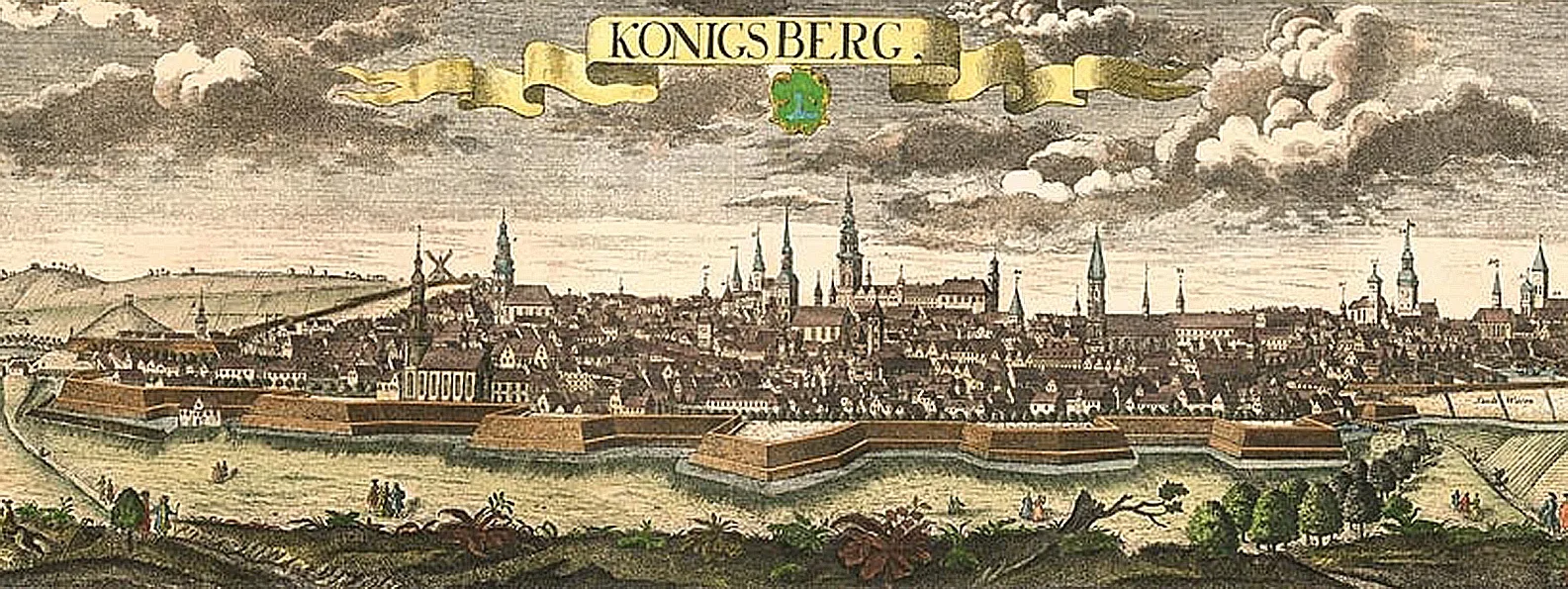
The Bastions of Königsberg's First Rampart Ring
Napoleon rode into the city through their gates, Kant strolled along their ramparts, and the young Peter I studied their design.
Aleksey Petrushin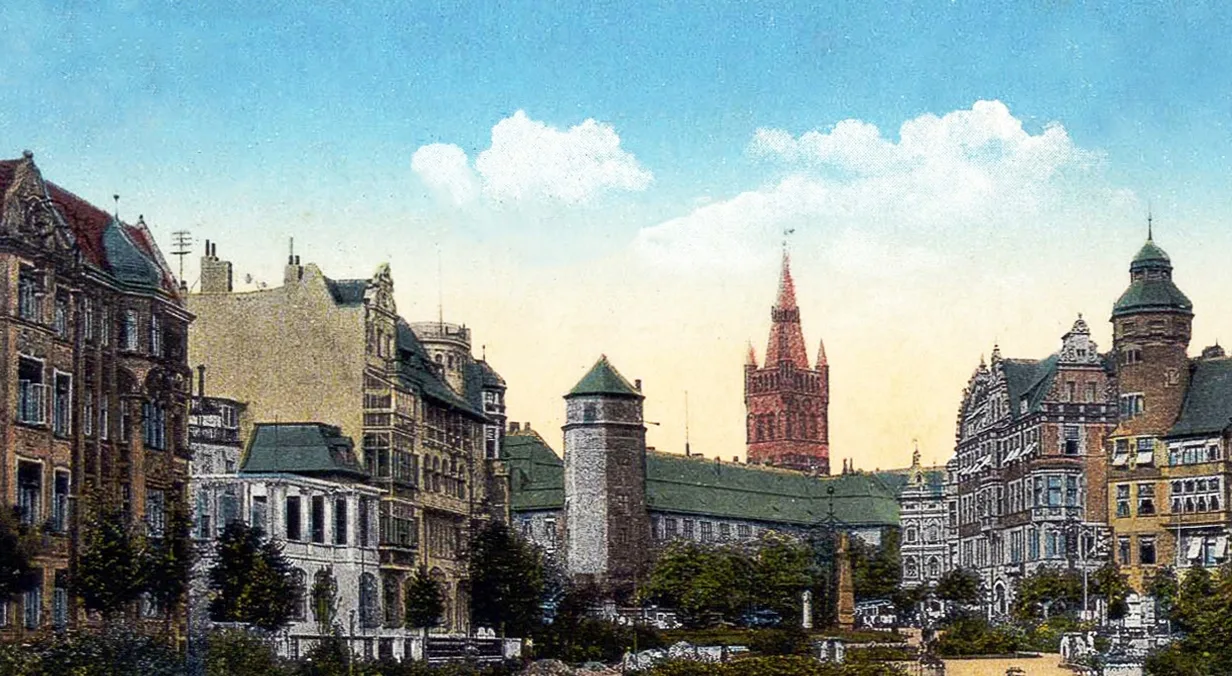
Königsberg Castle: From “Citadel” to “Heart of the City”
The history of East Prussia’s foremost castle from the Middle Ages to the present day
Aleksey Petrushin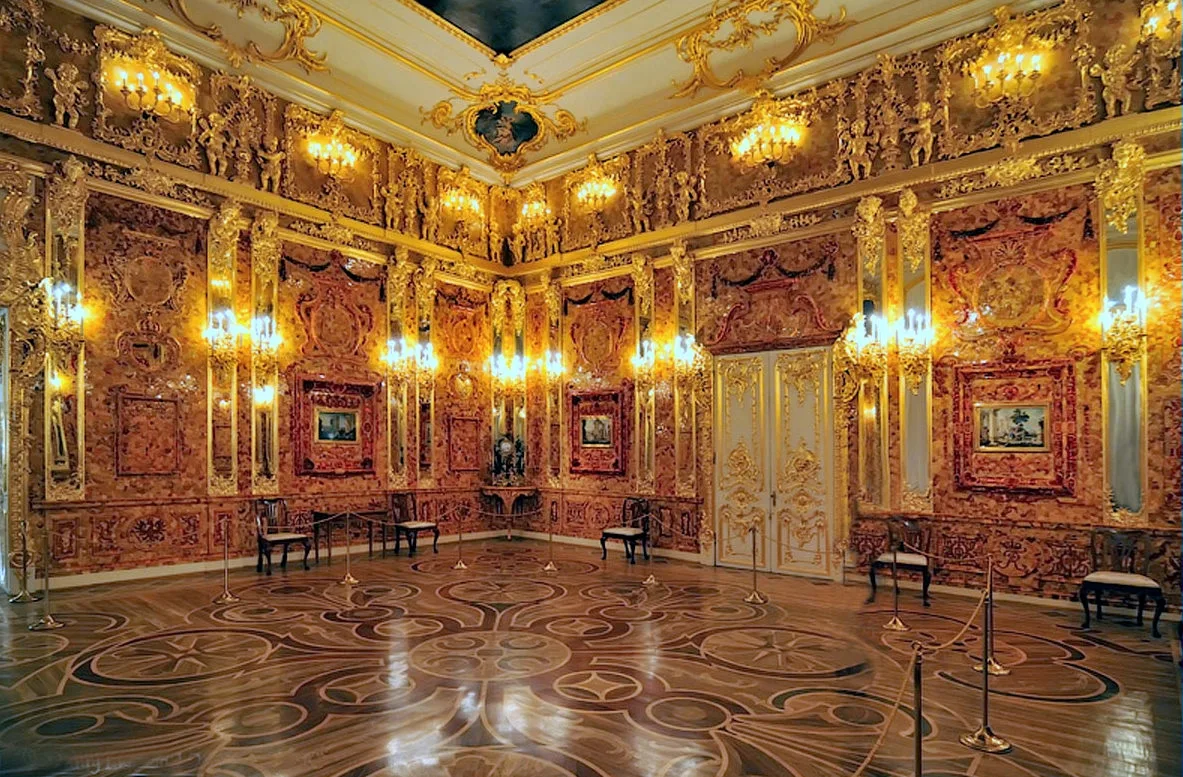
The Mystery of the Amber Room
The last eyewitness account placing its crates in Königsberg's Royal Castle dates from the fifth of April 1945.
Aleksey Petrushin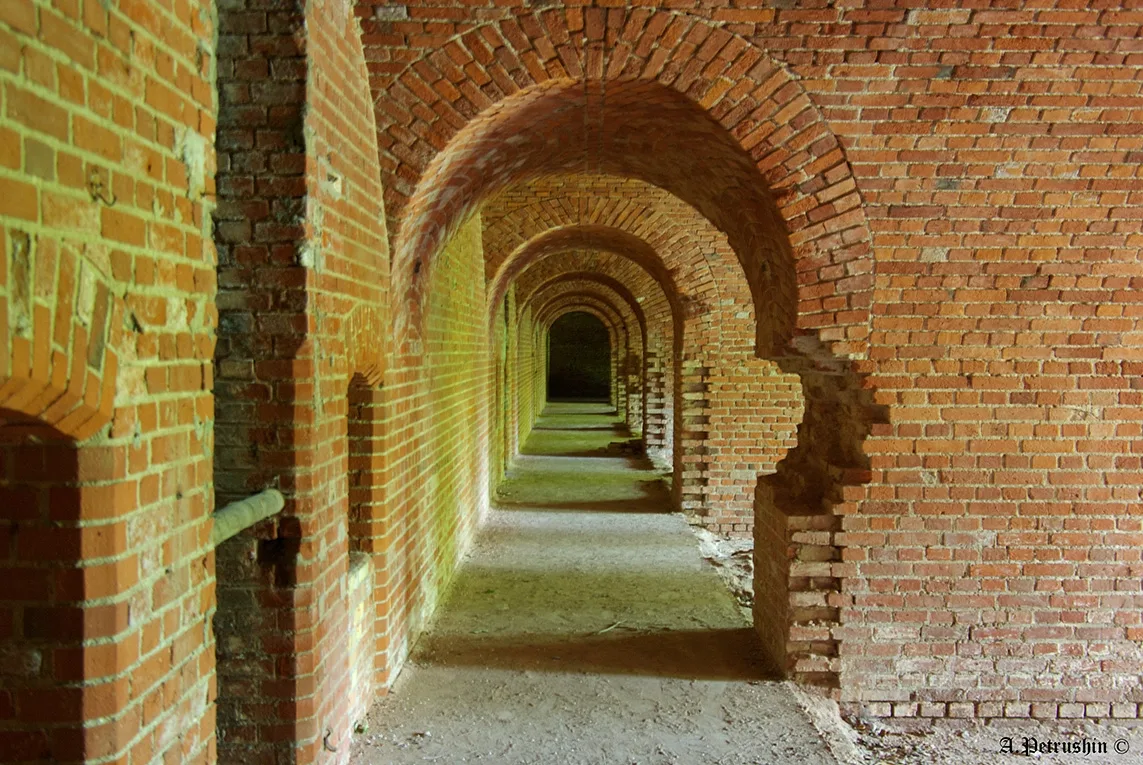
What Lies on "Königsberg's Ground Floor"?
Is there a grain of truth in the myths and legends about underground Königsberg?
Aleksey Petrushin