

Lutheran Church of Pillau
Destroyed during the assault of 1945; its ruins were cleared away in the post-war years
Anatoly Bakhtin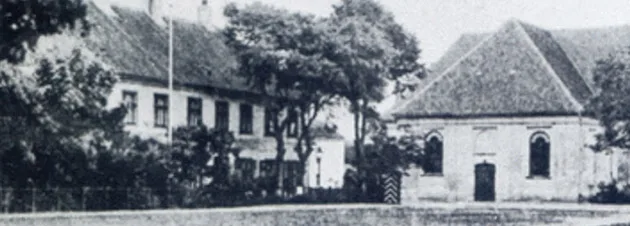
Lutheran Church in the Pillau Citadel
Damaged during the fighting within the Pillau fortress in 1945. The ruins were cleared away
Anatoly Bakhtin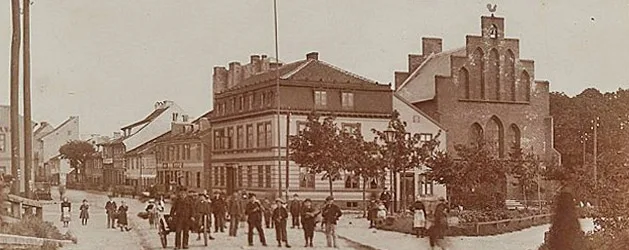
Reformed Church of Pillau
The gable was slightly damaged during the fighting in 1945. After the war the church was used as a warehouse
Anatoly Bakhtin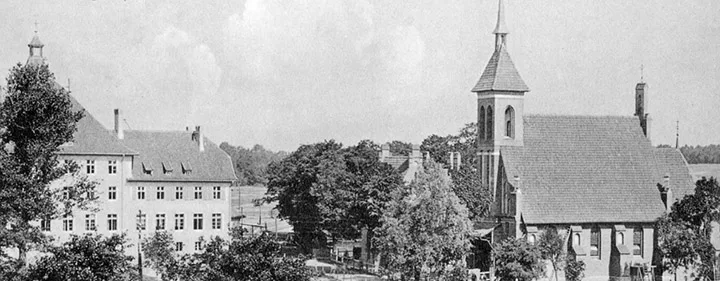
Catholic Church of Pillau
Badly damaged during the Second World War, which later led to its demolition
Anatoly Bakhtin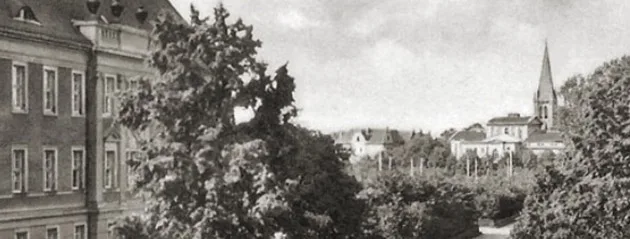
Reformed Church of Tilsit
Badly damaged during the Second World War; all that remains of it is the tower, without its spire
Anatoly Bakhtin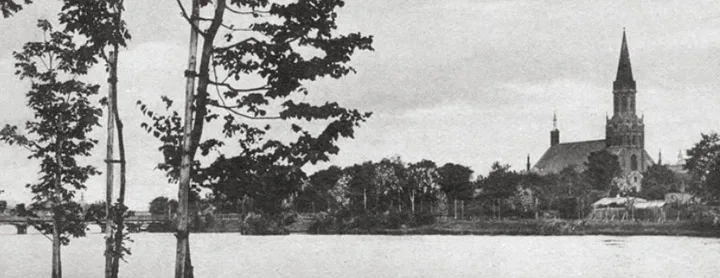
Catholic Church of Tilsit
Partly destroyed after WWII. In the 1960s–70s it was dismantled for bricks. Its railings went to make a school fence
Anatoly Bakhtin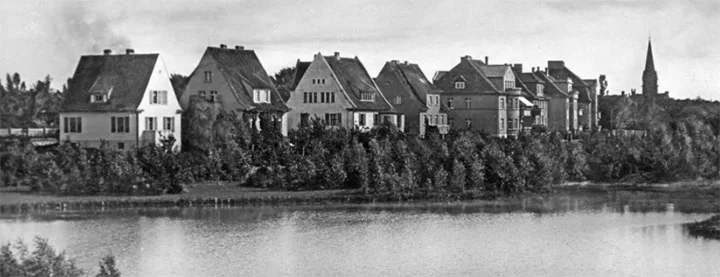
Kreuzkirche of Tilsit (New Church)
It survived the Second World War intact; in the 1970s it housed one of the workshops of the Raduga factory
Anatoly Bakhtin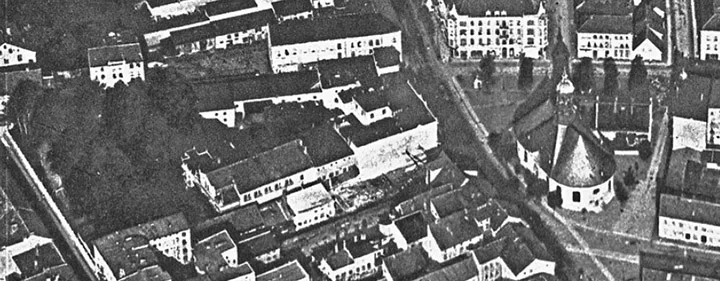
Lithuanian Church of Tilsit
It came through the Second World War undamaged, but in the winter of 1950–51 it was set on fire by teenagers
Anatoly Bakhtin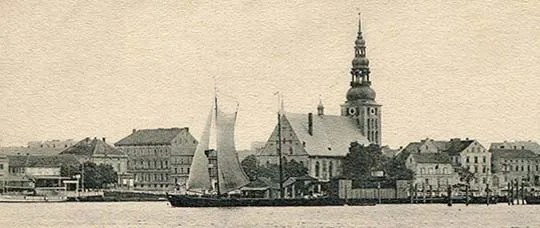
German Church of Tilsit (Lutheran)
It was intact after 1945. In the post-war years it was stripped for firewood and bricks, and what remained was demolished in the 1960s
Anatoly Bakhtin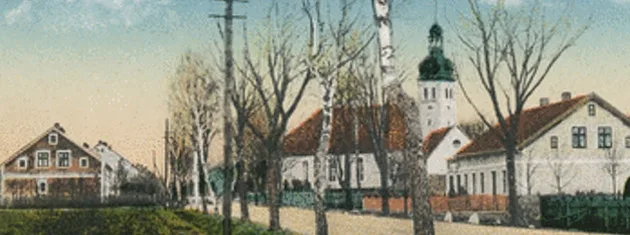
Popelken Church
Popelken church came through the Second World War unscathed and in the post-war years was used as a warehouse and grain dryer
Anatoly Bakhtin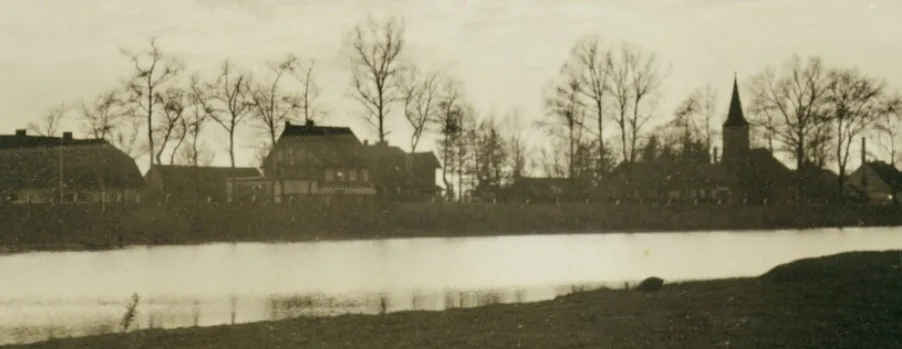
Schakuhnen Church
After the Second World War Schakuhnen church was intact; the collective farmers used it to store hay
Anatoly Bakhtin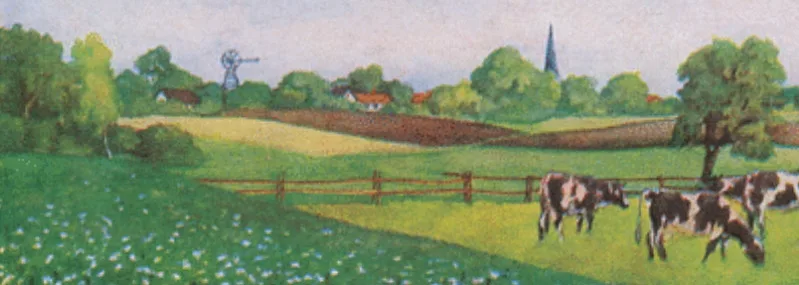
Schillgallen Church
It came through the Second World War unscathed, but was later blown up and dismantled by the military for building material
Anatoly Bakhtin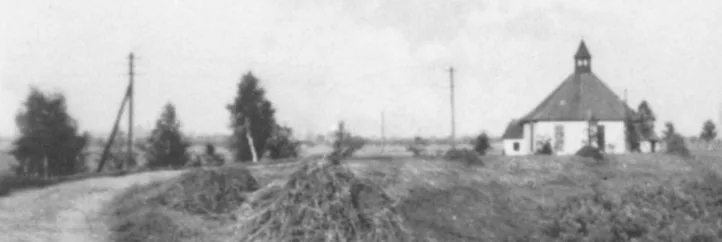
Skören Church
It came through the Second World War unscathed and was used as a grain store until 1978–79
Anatoly Bakhtin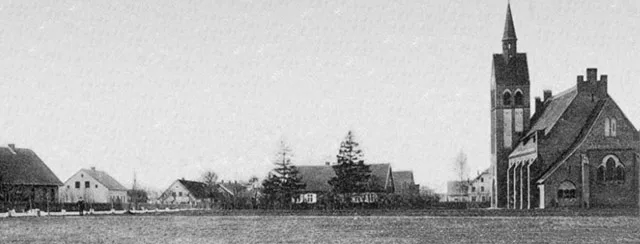
Lauknen Church
The war passed it by, but afterwards it was no longer needed and was dismantled for bricks. Only the tower survived
Anatoly Bakhtin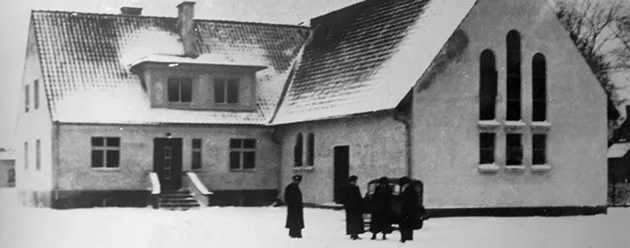
Catholic Chapel in Ragnit
Built in the late 1930s. After the war it was a military depot. Today the building houses an Orthodox church
Anatoly Bakhtin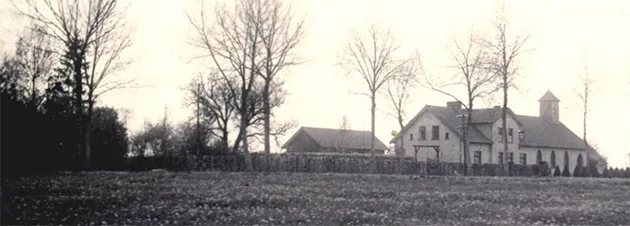
Gowarten Church
Built in the first quarter of the 20th century. After the war it was put to other uses
Anatoly Bakhtin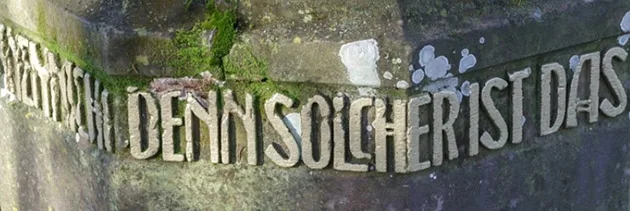
Groß Lenkeningken Church
Of the handsome church built at the beginning of the 20th century, not one stone was left standing on another
Anatoly Bakhtin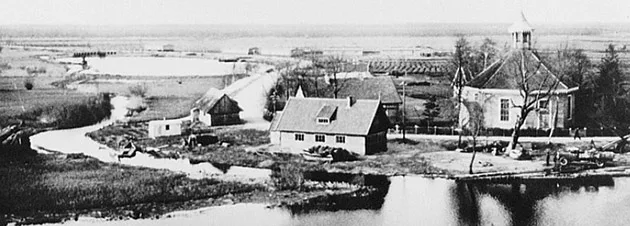
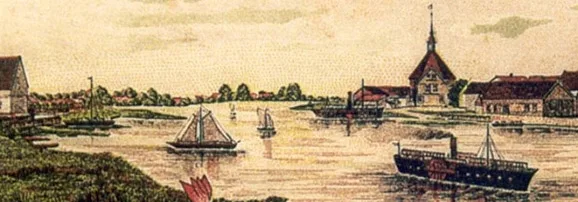
Alt Lappienen Church
Architecturally striking and famous for its burial monuments. A ruin, yet still standing and waiting
Anatoly Bakhtin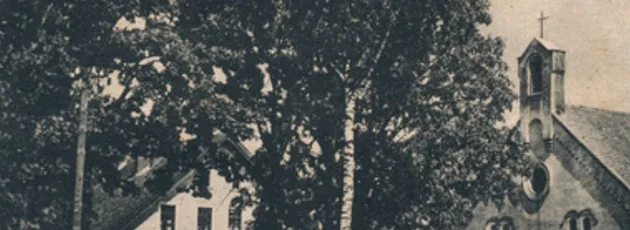
Rautenberg Church
It was built in the last quarter of the 19th century. At the end of the 20th it was used as a storehouse
Anatoly Bakhtin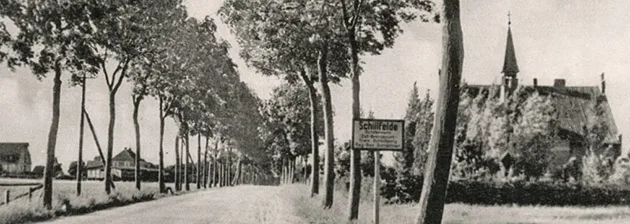
Schillehnen Church
The Second World War passed Schillehnen by. Until the 1970s the church served as a club, then as a storehouse. It was demolished in 1975
Anatoly Bakhtin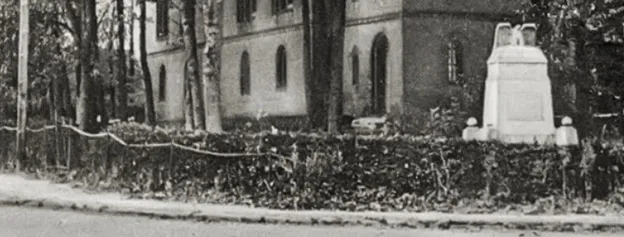
Jurgaitschen Church
An imposing building of the 1840s. In the first half of the 20th century the village was even renamed after it
Anatoly Bakhtin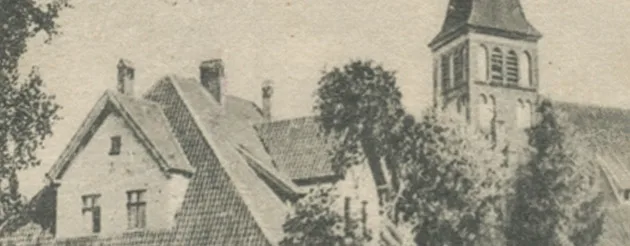
Wedereitischken Church
Having survived the Second World War and served as a storehouse after it, the church is once again used for its original purpose
Anatoly Bakhtin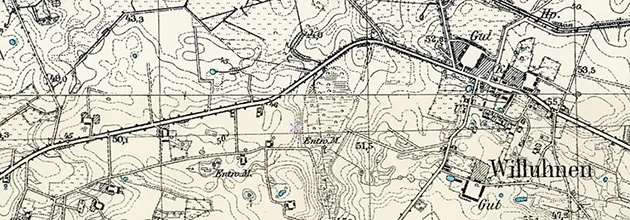
Willuhnen Church
Neither the church nor the village of Willuhnen has been on the map for a long time
Anatoly Bakhtin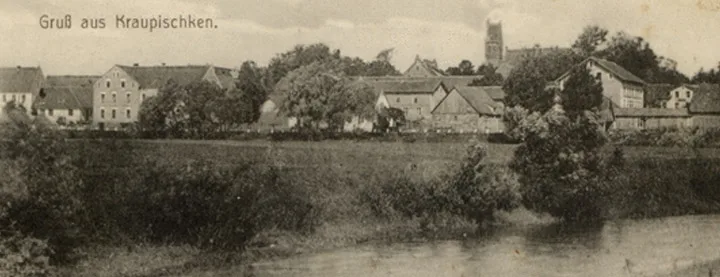
Kraupischken Church
A church has been known on this site since the 16th century. Rebuilt several times. In ruins since the Second World War
Anatoly Bakhtin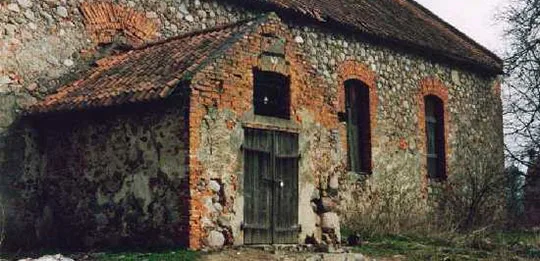
Kussen Church
The church, which celebrated its 300th anniversary in 1886, was used as a storehouse after the Second World War
Anatoly Bakhtin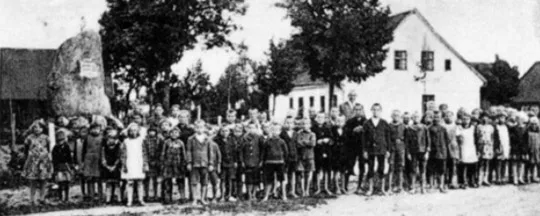
Lengwethen Church
It was built for settlers from Salzburg; after the Second World War it was used as a House of Culture
Anatoly Bakhtin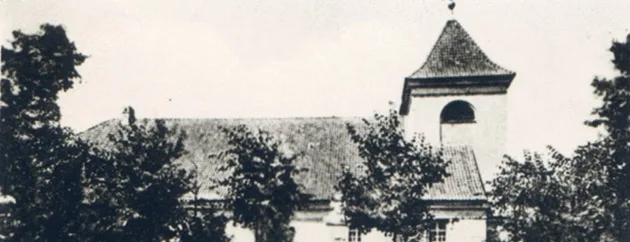
Schirgupönen Church
In the 20th century it sank into oblivion together with the village
Anatoly Bakhtin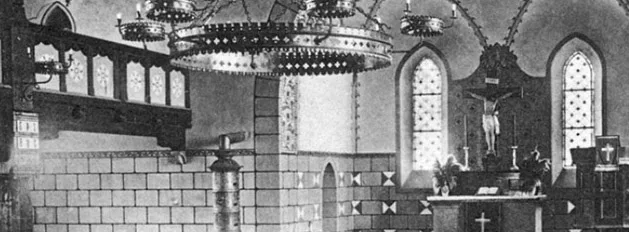
Groß Schorellen Church
Little remains of the large and beautiful church built at the beginning of the 20th century
Anatoly Bakhtin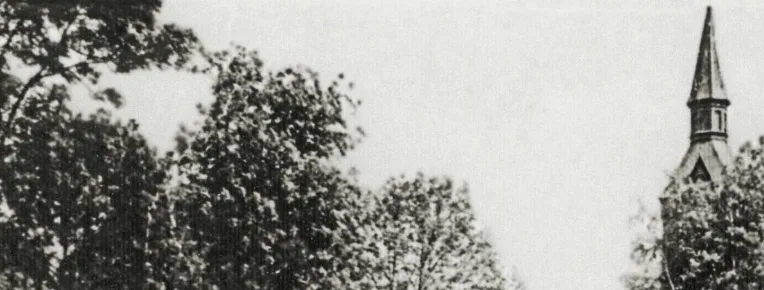
Groß Warningken Church
In the 20th century the village and its church vanished from the maps
Anatoly Bakhtin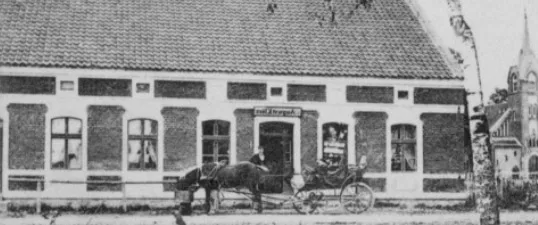
Soginten Church
All the buildings of the village, the church included, were taken apart for bricks in the 1970s
Anatoly Bakhtin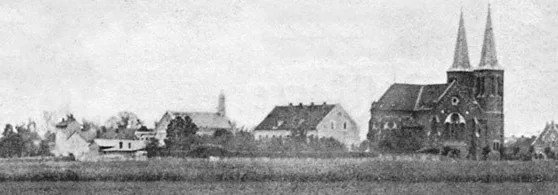
Eydtkuhnen Church
Until 1889 the place of worship in Eydtkuhnen was the town's famous railway station. And that is no joke
Anatoly Bakhtin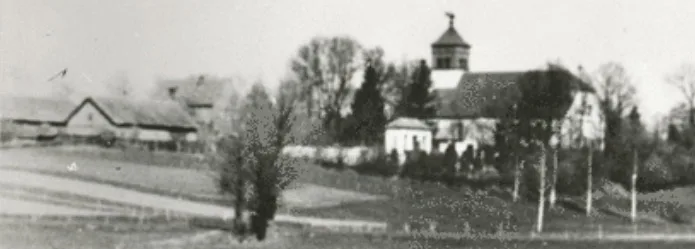
Göritten Church
This church had the misfortune of finding itself in the line of fire during both world wars that swept across Prussia
Anatoly Bakhtin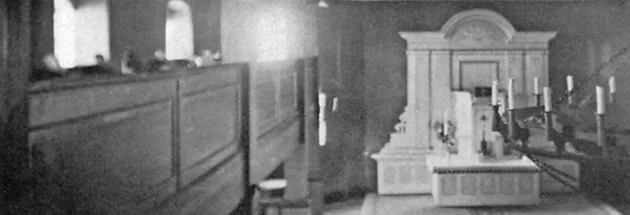
Bilderweitschen Churches
The village had a Protestant church and a Catholic church. The first was demolished after the war; the second still stands
Anatoly Bakhtin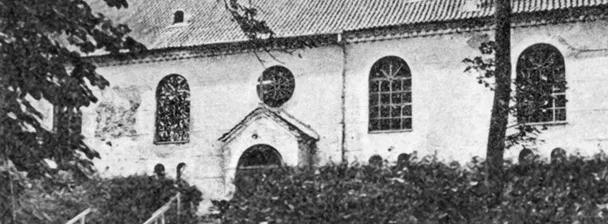
Kattenau Church
The history remains, but the church is long gone. Its ruins were demolished in the early 1990s
Anatoly Bakhtin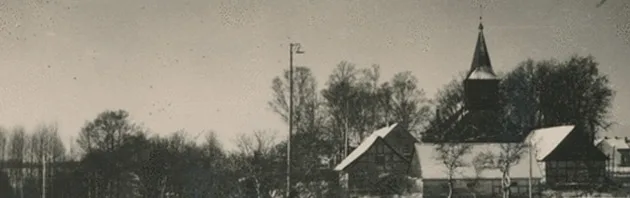
Enzuhnen Church
Enzuhnen – Rodebach – Chkalovo: the 20th century and the village's radical renamings wore the local church down
Anatoly Bakhtin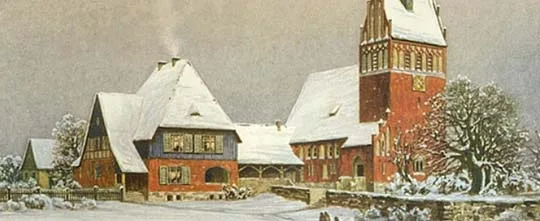
Kassuben Church
Of one of the most beautiful churches of East Prussia only a fragment of wall and the pastor's house remain
Anatoly Bakhtin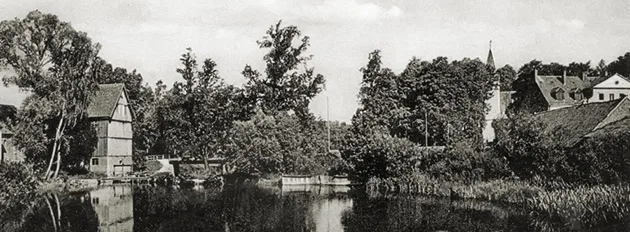
Mehlkehmen Church
The parish was founded in 1692 by the future first Prussian king, at that time still Elector Friedrich III
Anatoly Bakhtin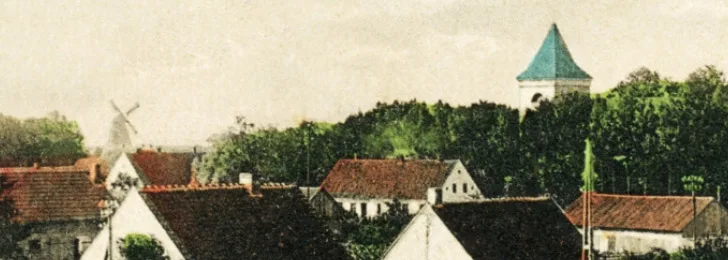
Pillupönen Church
The church was destroyed in the First World War but then rebuilt. The Second World War passed it by.
Anatoly Bakhtin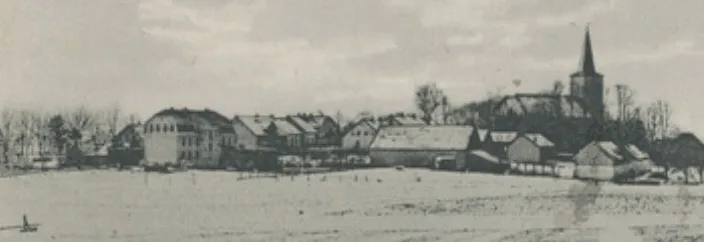
Schillen Church
The first church built on the orders of Friedrich I, who ascended the Prussian throne in 1701.
Anatoly Bakhtin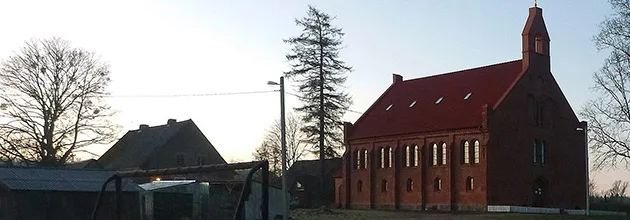
Groß Rominten Church
In the 2010s the local community nurtured the idea of setting up a First World War museum in it
Anatoly Bakhtin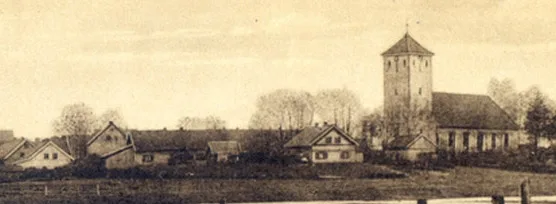
Joneykischken Church
Having come through the Second World War unscathed, it was used as a storehouse in the post-war years until it burned down in 1995
Anatoly Bakhtin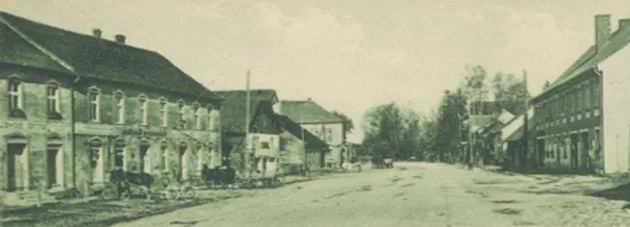
Budwethen Church
After the Second World War it housed a House of Culture and a cinema until it burned down in 1995
Anatoly Bakhtin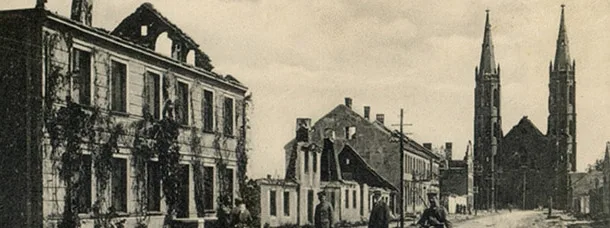
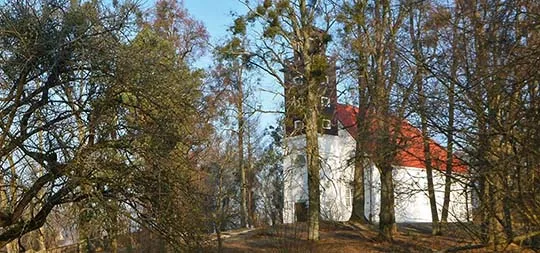
Tollmingkehmen Church
One of the most unusual churches in the region, part of the Kristijonas Donelaitis Museum
Anatoly Bakhtin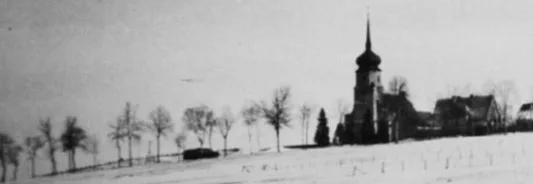
Neu Argeningken Church
Surprised by the shape of the dome on the church tower in Novokolkhoznoye? In German times it looked almost the same
Anatoly Bakhtin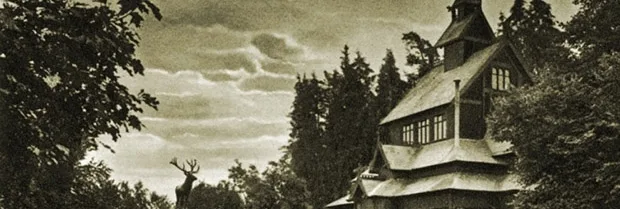
St. Hubertus Chapel
The elegant wooden chapel at the Kaiser's hunting lodge was dismantled after the Second World War
Anatoly Bakhtin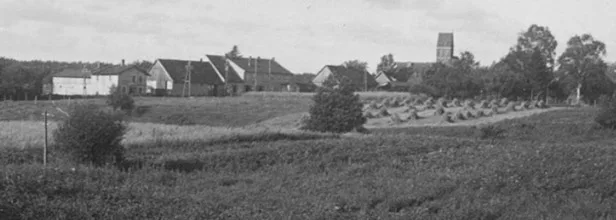
Trappönen Church
Built at the beginning of the 20th century, it stood unused after the Second World War. By 1960 it had been demolished
Anatoly Bakhtin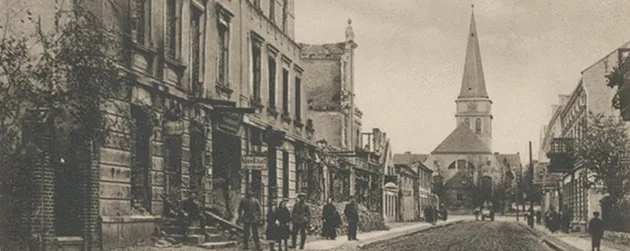
Pillkallen Church
During the Second World War Pillkallen church was destroyed too. The ruins were demolished after the war
Anatoly Bakhtin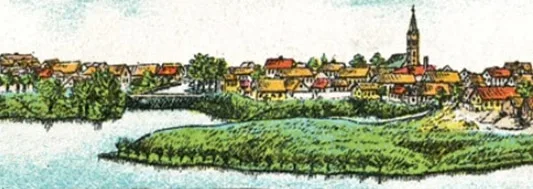
Ragnit Church
In 1945 Ragnit church was undamaged, but in the 1950s it began to be converted into a furniture shop and a hostel
Anatoly Bakhtin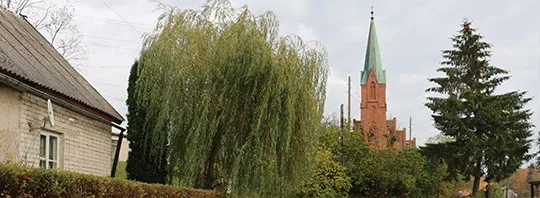
Lasdehnen Church
Built in the second half of the 19th century on the high northern bank of the Šešupė, it is used for its original purpose and adorns the town
Anatoly Bakhtin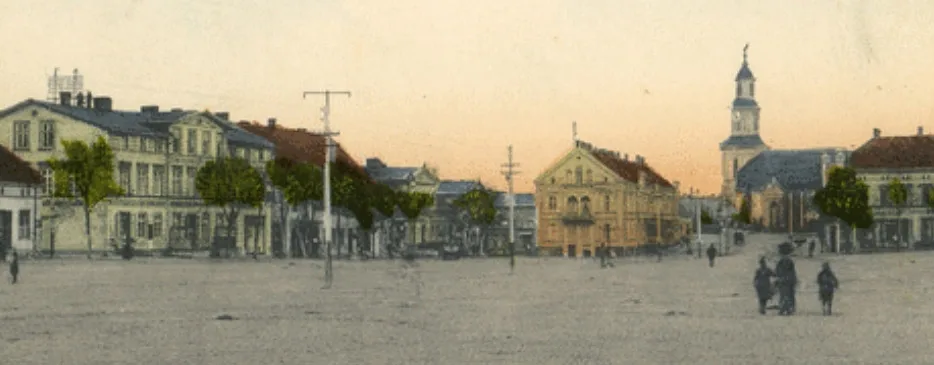
The Protestant Church and the Catholic Chapel of Stallupönen
The first was demolished in the 1950s; the second stands perfectly intact
Anatoly Bakhtin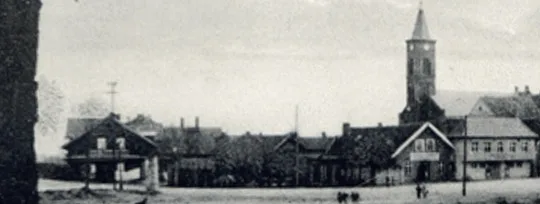
Groß Kryszahnen Church
It has survived to this day. It stands as if in a vacuum: the whole village around it was taken apart for bricks
Anatoly Bakhtin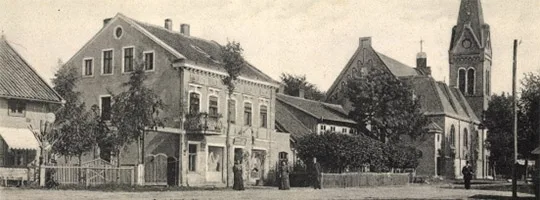
Groß Friedrichsdorf Church
Undamaged in the Second World War, it stood unused and gradually fell into ruin in the post-war years
Anatoly Bakhtin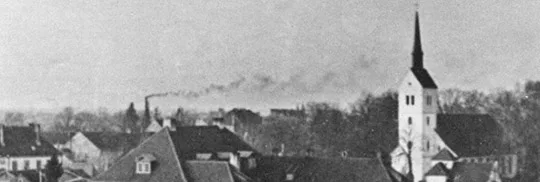
Gross Skaisgirren Churches
The large one is Protestant, the miniature Gothic one is Lutheran
Anatoly Bakhtin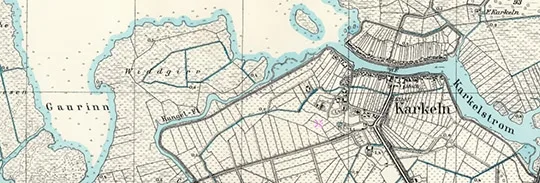
Karkeln Church
It was dismantled during a flood in 1958, and its stones were used to reinforce a washed-out dam
Anatoly Bakhtin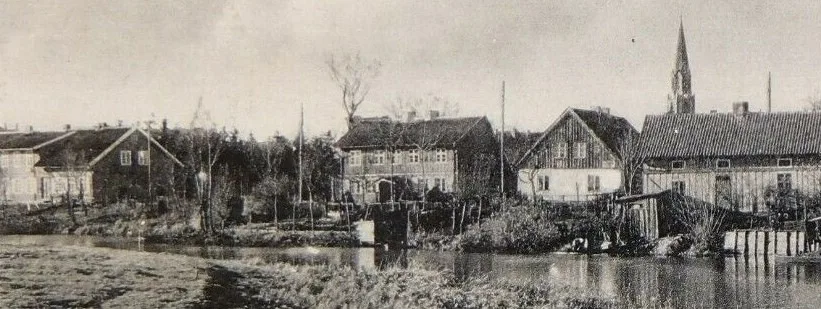
Kaukehmen Church
A landmark in the north-eastern part of the Kaliningrad Region. Restoration is under way, but slowly
Anatoly Bakhtin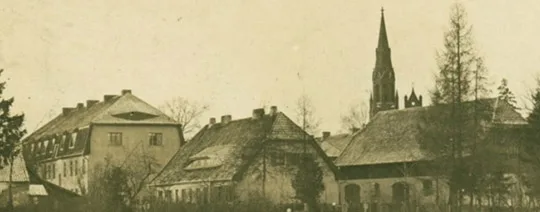
Heinrichswalde Church
After the war the church, like all of Heinrichswalde, was in excellent condition. A warehouse was set up in the building
Anatoly Bakhtin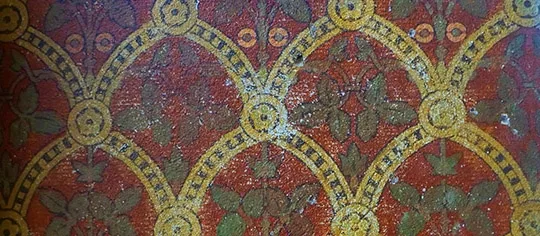
Pokraken Church
A building untypical of Prussia. A successful example of a blend of the Neo-Romanesque and Neo-Gothic styles
Anatoly Bakhtin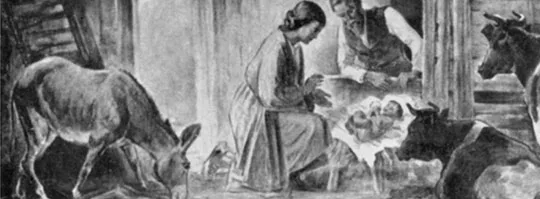
Gawaiten Church
After the Second World War it was intact and was used as a warehouse until 1976–77, then it was demolished
Anatoly Bakhtin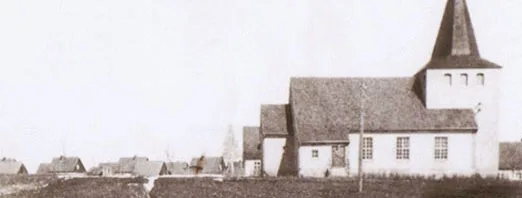
Sodehnen Church
Until the early 2000s it served as a collective-farm canteen. After a fire in 2010 it was completely demolished
Anatoly Bakhtin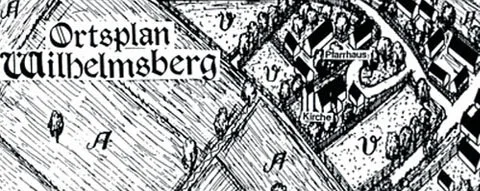
Wilhelmsberg Church
The church had a half-timbered tower with two bells and an eagle as its weathervane
Anatoly Bakhtin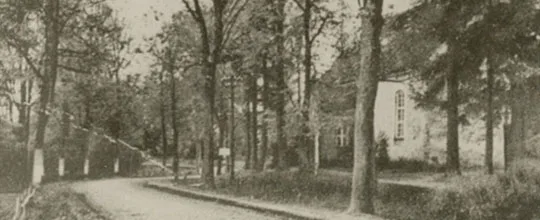
Kleschowen Church
The bell tower stood separately. In the mid-18th century the organ was bought from the Tragheim Church in Königsberg
Anatoly Bakhtin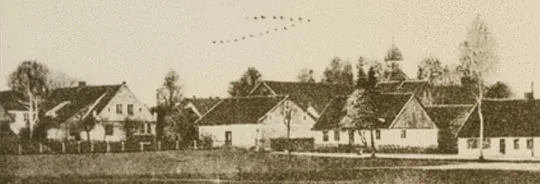
Trempen Church
Perhaps the church's fate was an unhappy one because a pagan "Field of the Dead" was chosen as its building site
Anatoly Bakhtin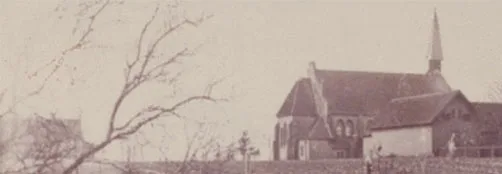
Karpauen Church
The local parish took shape in the late 1840s, but it acquired its own church only in 1860
Anatoly Bakhtin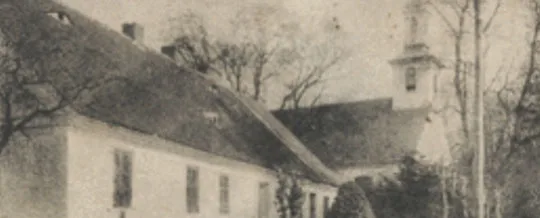
Ballethen Church
Even a not particularly expressive building of the early 17th century would deserve attention, but it has not survived
Anatoly Bakhtin
Niebudschen Church
It was built at the end of the 17th century. The bell in its tower first rang only a hundred years later, in 1797
Anatoly Bakhtin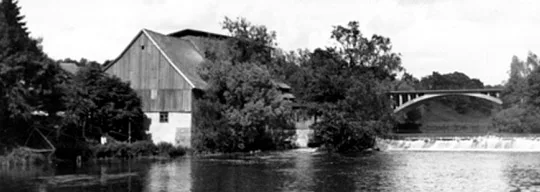
Gerwischkehmen Church
A modest plastered brick building without a tower, erected in the early 19th century on a fieldstone foundation
Anatoly Bakhtin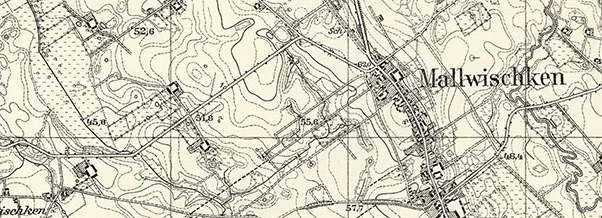
Mallwischken Church
An octagonal plastered brick building with a wooden tower and a gallery on the roof. Demolished in the 1950s
Anatoly Bakhtin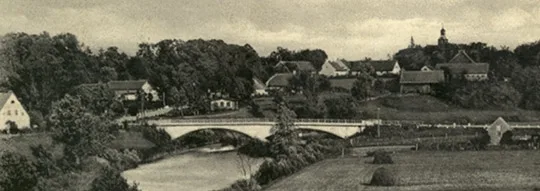
Nemmersdorf Church
It was built around 1569 on the orders of Duke Albrecht, who died a year before it opened
Anatoly Bakhtin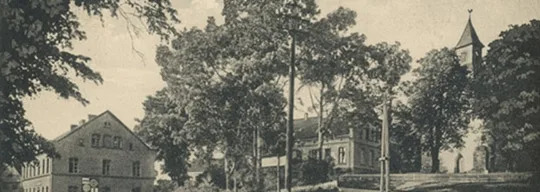
Walterkehmen Church
If a beautiful church stood in Olkhovatka, travellers heading for Lake Vištytis would not just drive straight through
Anatoly Bakhtin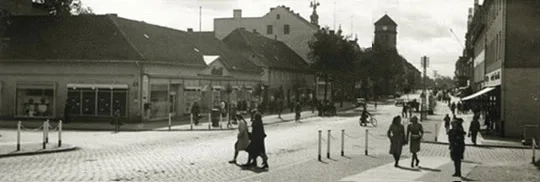
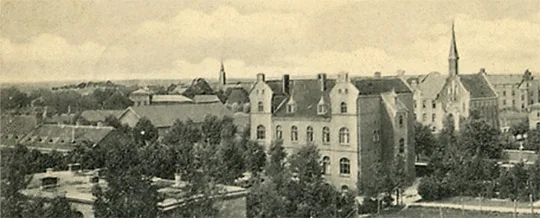
The Reformed Church of Gumbinnen
The congregation was founded by settlers from France, Switzerland, Nassau and the Palatinate. Before the church was built, they worshipped in a brewery
Anatoly Bakhtin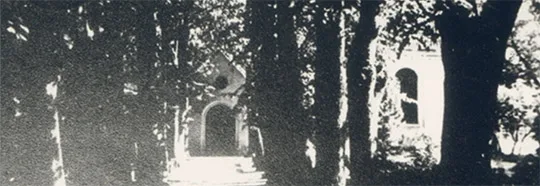
The Catholic Church of Gumbinnen
It was built in 1930, was not damaged during the Second World War and afterwards served as a club on the grounds of a military unit
Anatoly Bakhtin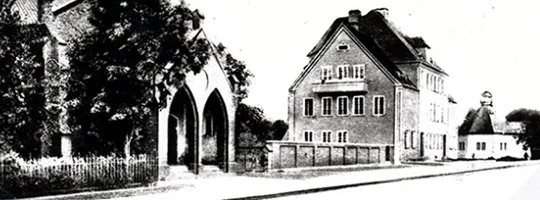
The Kreuzkirche of Gumbinnen
A polygonal building with a portal facing Schillerstrasse. Its pyramidal roof bore a turret
Anatoly Bakhtin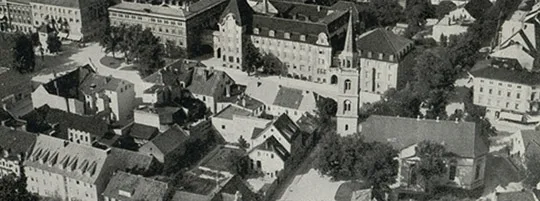
The Altstadt Church of Gumbinnen
It was built in 1720 on the orders of Frederick William I. In 1810–11 it was skilfully raised and enlarged
Anatoly Bakhtin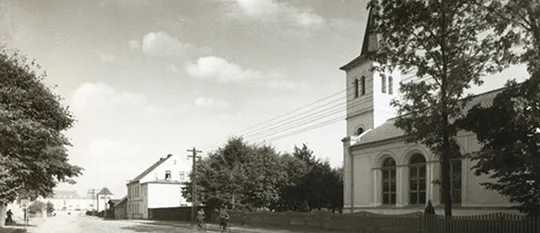
The Salzburger Church of Gumbinnen
The Salzburgers settled here in 1732. In 1839 the foundation stone was laid. On 15 October 1840 the church was consecrated
Anatoly Bakhtin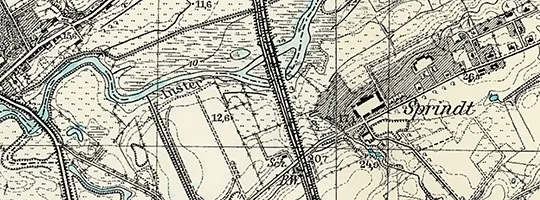
Sprindt Church
The church of the community of the settlement that grew up around the Sprindt estate, north of Insterburg
Anatoly Bakhtin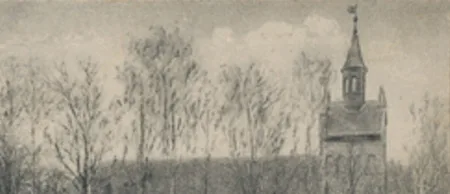
Plibischken Church
The church had a massive tower with a beautiful spire, which collapsed in 1950 and broke through the roof of the nave
Anatoly Bakhtin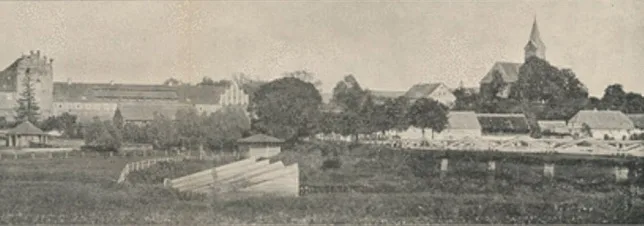
Georgenburg Church
A neighbour of the castle of the same name, north of Insterburg (Chernyakhovsk). It has not survived
Anatoly Bakhtin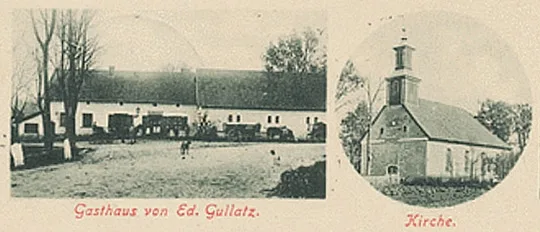
Jodlauken Church
After the Second World War this 18th-century church was, in keeping with local "tradition", used as a warehouse
Anatoly Bakhtin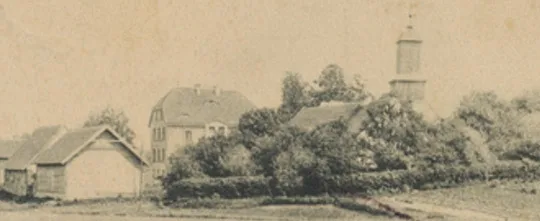
Aulowönen Church
When there are many churches and nobody needs them, who will notice one more or one less? This one was wrecked in the 1960s
Anatoly Bakhtin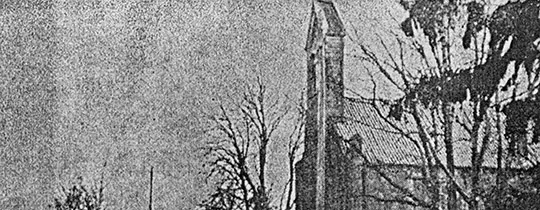
Neunischken Church
In the post-war years the building was divided inside into two floors and converted into a village house of culture
Anatoly Bakhtin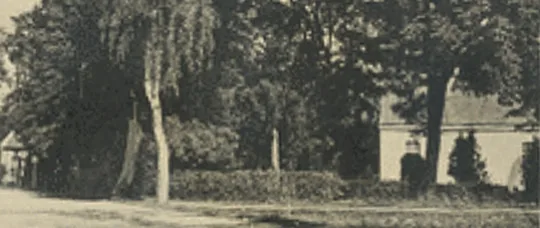
Judtschen Church
It would have fitted perfectly into the ensemble of the Immanuel Kant Museum (the Pastor's House) in present-day Veselovka
Anatoly Bakhtin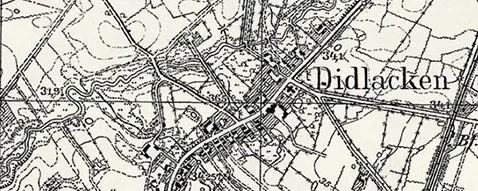
Didlacken Church
Built by the Frenchman Pierre de la Cave, who in the 17th century rose to be commandant and governor of Pillau
Anatoly Bakhtin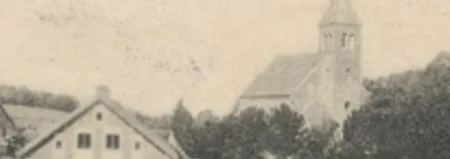
Pelleningken Church
Consecrated in December 1892. Since July 1996 it has served as the Orthodox Church of St John of Kronstadt
Anatoly Bakhtin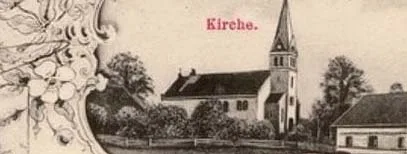
Groß Berschkallen Church
In the first quarter of the 21st century it was a sorry sight. All hope rests with the "Guardians of the Ruins"
Anatoly Bakhtin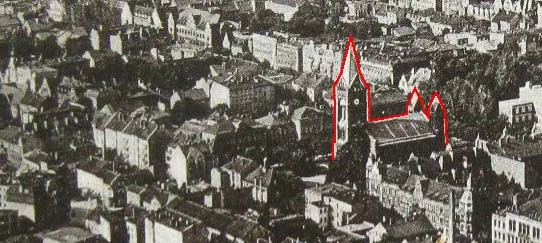
The Reformed Church of Insterburg
After the war it was used as a club with a dance floor and as a gymnasium. In 1989 it was handed over to the Russian Orthodox Church
Anatoly Bakhtin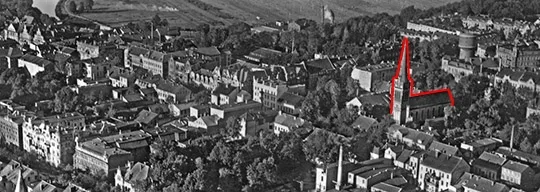
The Catholic Church of Insterburg
The active Church of St Bruno was built to a design by Friedrich Heitmann at the very beginning of the 20th century
Anatoly Bakhtin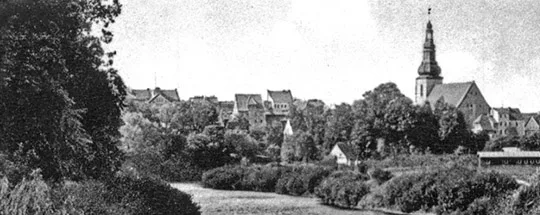
The Lutherkirche of Insterburg
One of the town's architectural symbols, which graced it for more than 400 years. It was demolished in 1975.
Anatoly Bakhtin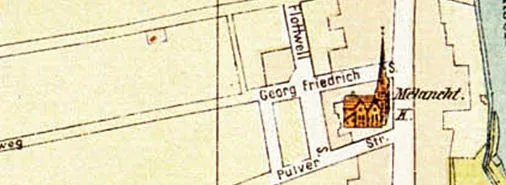
The Melanchthonkirche
It was named in memory of Luther's companion-in-arms, who led the Protestant movement after Luther's death
Anatoly Bakhtin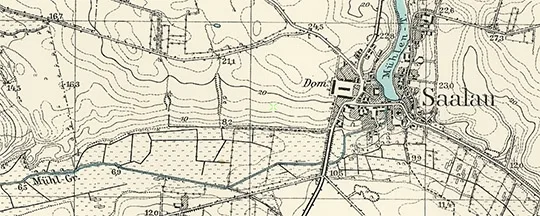
Saalau Church
Having lost its bell tower after the Second World War, it continues tirelessly to serve the people
Anatoly Bakhtin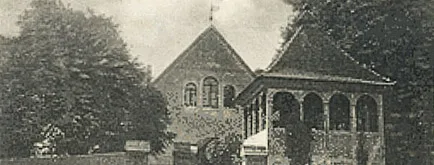
Puschdorf Church
It was built of fieldstone. The half-timbered bell tower stood separately
Anatoly Bakhtin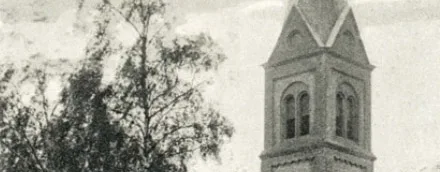
Grünheide Church
High-class eclecticism: a Romanesque-style building crowned by a tower with a Gothic spire
Anatoly Bakhtin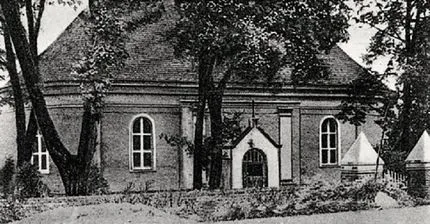
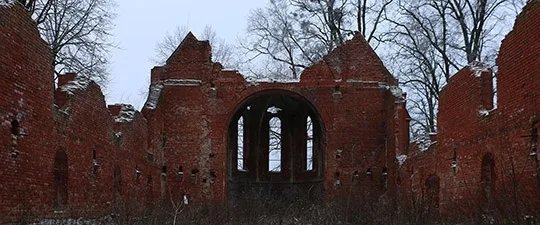
Obelischken Church
Not particularly expressive, but large. Today it is a majestic ruin in the spirit of German Romanticism
Anatoly Bakhtin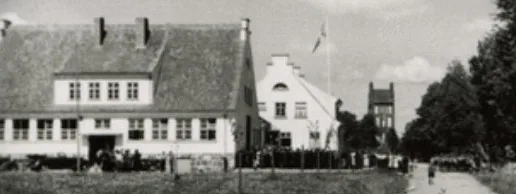
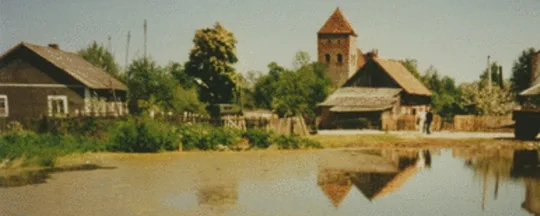
Friedenberg Church
Having survived the war and held out until the mid-1990s, the church began to fall into ruin. In 2010 it was handed over to the Russian Orthodox Church
Anatoly Bakhtin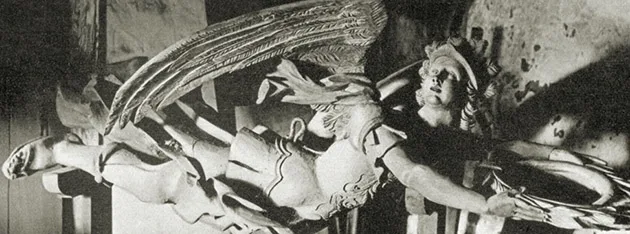
Groß Schönau Church
One of the hardest-to-reach monuments of medieval architecture in the region
Anatoly Bakhtin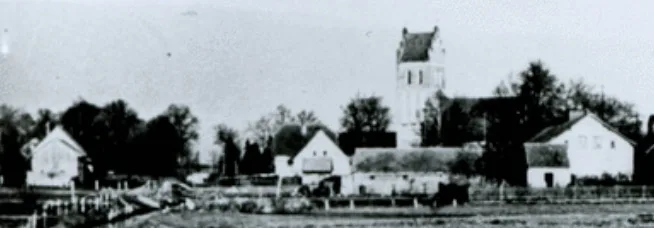
Böttchersdorf Church
A brick-and-fieldstone building from the time of the Teutonic Order. The walls and the tower have partly survived
Anatoly Bakhtin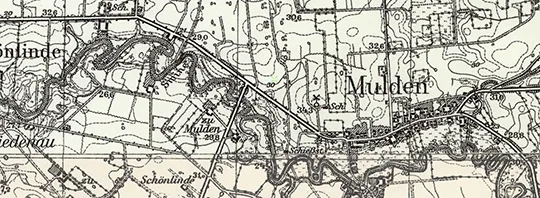
Mulden Church
Built in 1806–1808 of fieldstone and brick. It survived the war and was then used as a warehouse
Anatoly Bakhtin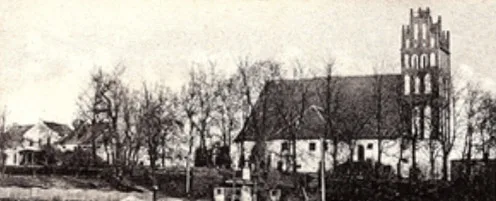
Schönbruch Church
After the war the village was split in two by the border. The church ended up on the Soviet side. In 1974 it was demolished
Anatoly Bakhtin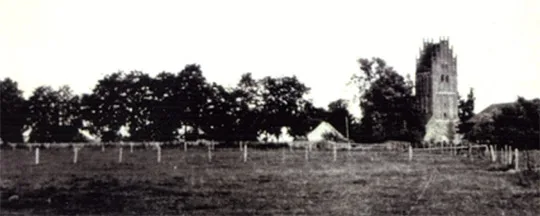
Stockheim Church
The upper part of its tower was handsomely articulated by slender blind windows. Lost in the 1970s
Anatoly Bakhtin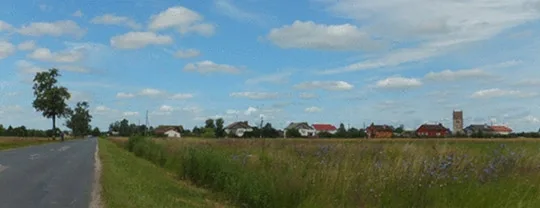
Allenau Church
A tall tower with five rows of blind windows and gables to the east and west, at a bend in the road to Zheleznodorozhny
Anatoly Bakhtin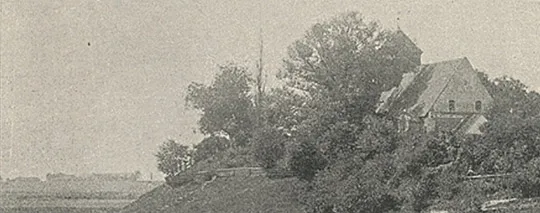
Auglitten Church
A brick building without a chancel, with a vaulted sacristy to the north and a tower to the west
Anatoly Bakhtin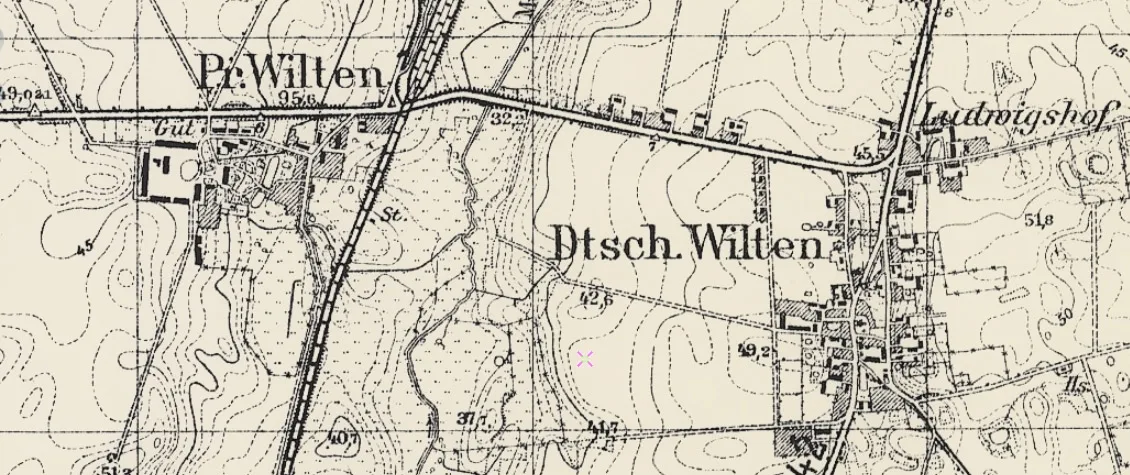
Deutsch Wilten Church
When it was rebuilt in the 19th century, masonry from the time of the Teutonic Order was partly reused
Anatoly Bakhtin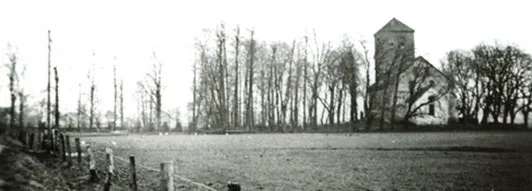
Georgenau Church
All that remains from the time of the Teutonic Order is the tower with a fine pointed portal, the plinth and part of the east wall
Anatoly Bakhtin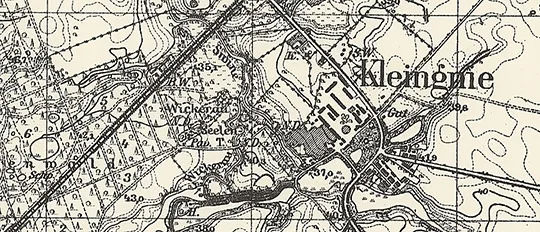
Klein Gnie Church
Since 2000 the church has been used as a gym by the Mozyr school across the road
Anatoly Bakhtin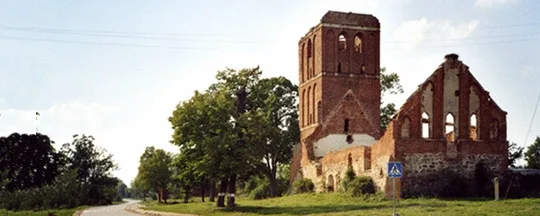
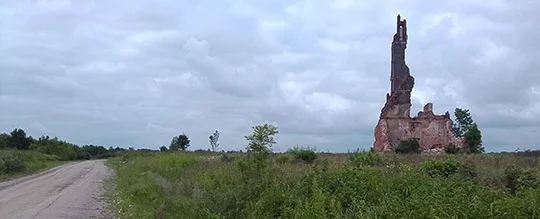
Almenhausen Church
Founded in the second half of the 14th century, it belonged to a convent of Augustinian nuns established in 1402
Anatoly Bakhtin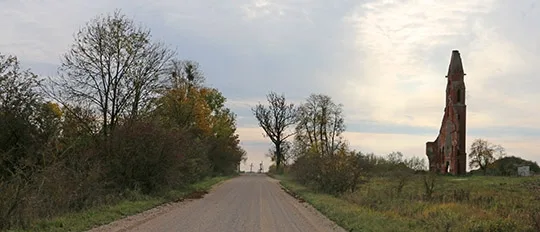
Groß Engelau Church
It is hard to count on a happy, peaceful life when you are surrounded by a military training ground
Anatoly Bakhtin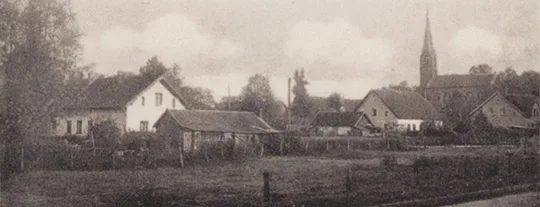
Paterswalde Church
Thanks to the efforts of local enthusiasts, the crumbling church has become a notable cultural centre
Anatoly Bakhtin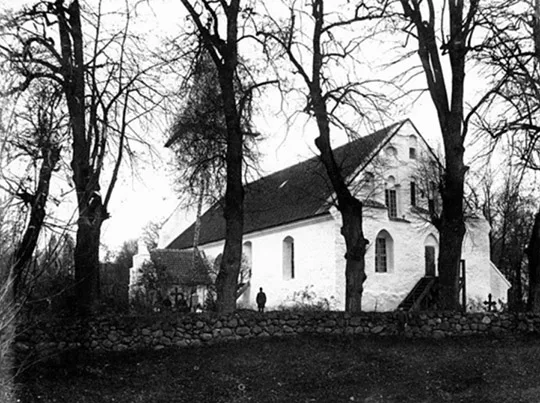
Petersdorf Church
After the Second World War the old church stood abandoned for a long time and fell into complete decay
Anatoly Bakhtin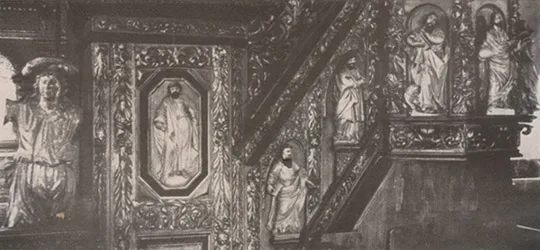
Grünhayn Church
Of the village, whose patron was the King of Prussia, and of its church not one stone was left standing on another
Anatoly Bakhtin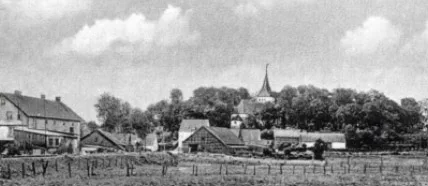
Goldbach Church
Its pulpit was made in 1690 by the famous Baroque woodcarver and sculptor Christian Klodssey
Anatoly Bakhtin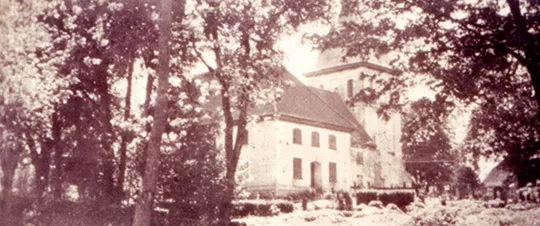
Groß Ottenhagen Church
A contemporary of Ragnit Castle, built towards the end of the Order era. Damaged in 1945, it gradually fell into ruin
Anatoly Bakhtin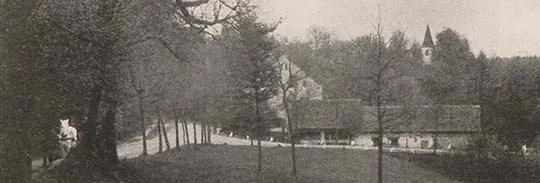
Löwenhagen Church
A neighbour of Friedrichstein. An annex to it held the richly decorated sarcophagus of the Dönhoff family
Anatoly Bakhtin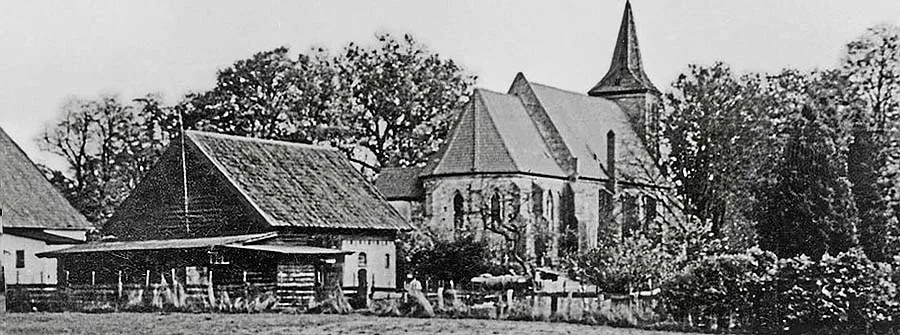
Kremitten Church
A very beautiful church built on the bank of the Pregel in the days of the Order (14th century), now completely lost
Anatoly Bakhtin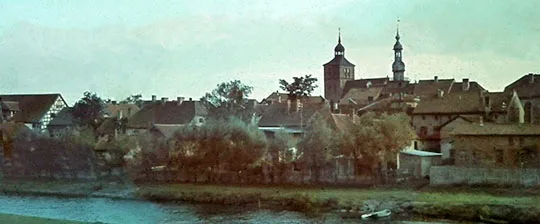
Wehlau Church
War rolled like a steamroller through the centre of the ancient town, but by the will of the Almighty the magnificent church survived
Anatoly Bakhtin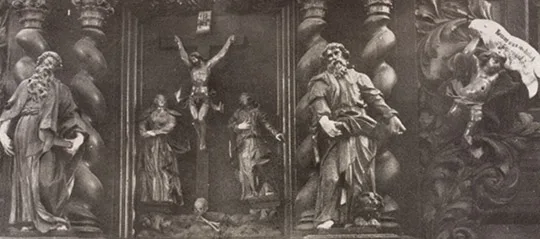
Starkenberg Church
In the second half of the 20th century this village church from the Order era served as a warehouse, and was then abandoned
Anatoly Bakhtin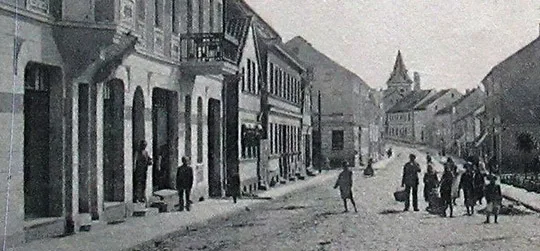
Tapiau Church
Lovis Corinth, a native of Tapiau, presented the church in 1910 with the altar triptych "Golgotha" that he had painted
Anatoly Bakhtin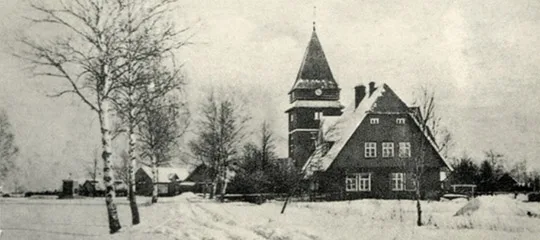
Alt Sussemilken Church
A wood-clad brick building, untypical of East Prussia, met, alas, a typical fate
Anatoly Bakhtin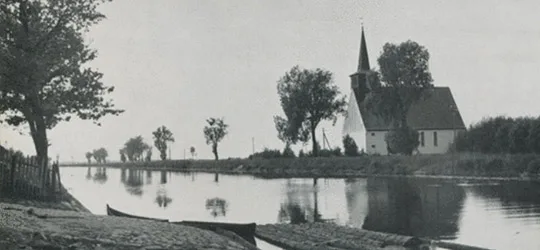
Juwendt Church
The war passed it by. It stood intact until 1951. It was used as a warehouse and a net-making workshop
Anatoly Bakhtin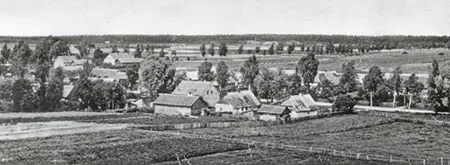
Groß Schirrau Church
Even outstanding architectural merits counted for nothing in the post-war years
Anatoly Bakhtin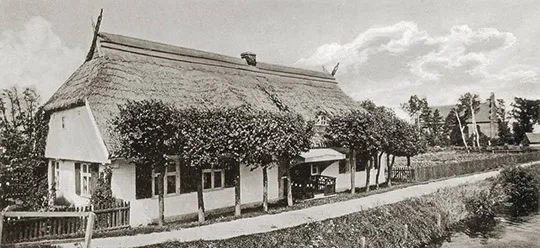
Gilge Church
In 1948, when the first settlers arrived here, everything was intact, even the organ was in working order
Anatoly Bakhtin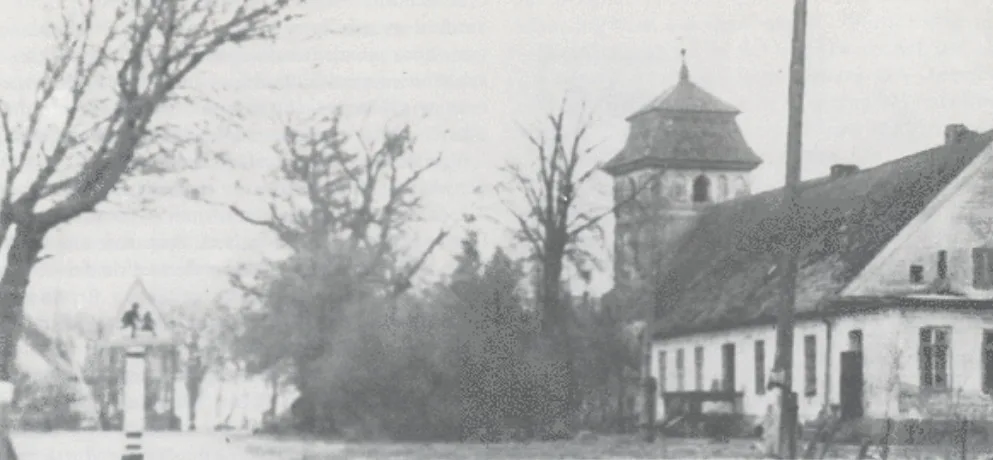
Groß Legitten Church
The best-known church along the Kaliningrad – Polessk road is guarded by a headless German soldier
Anatoly Bakhtin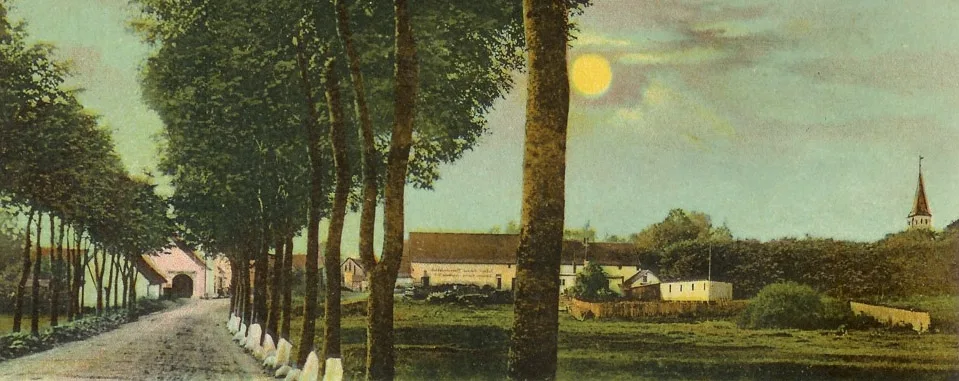
Laukischken Church
Ännchen von Tharau, celebrated by Simon Dach, lived in the pastor's house of this church
Anatoly Bakhtin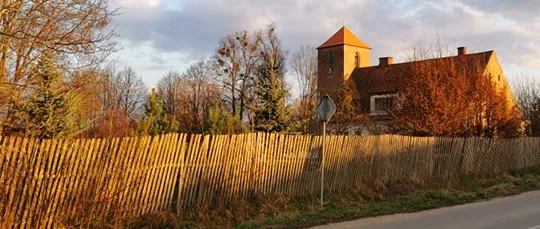
Augstagirren Church
An architect from Königsberg who went on to become famous left his mark in the Elchniederung with the design of this modest church
Anatoly Bakhtin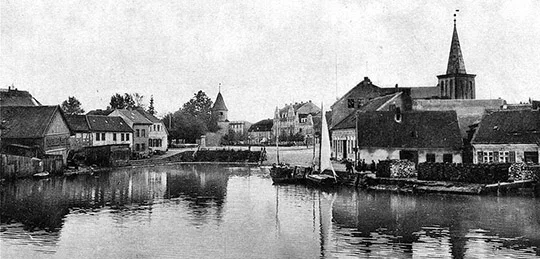
Labiau Church
An illustration of the saying "The best go first": there was a beautiful church, and now it is gone, though others still stand
Anatoly Bakhtin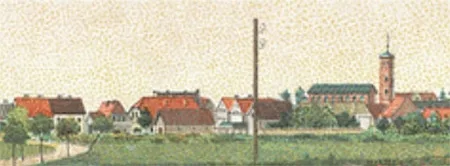
Mehlauken Church
Inspired by the Roman basilica of San Clemente in Rome. Stüler realised a similar design in Potsdam
Anatoly Bakhtin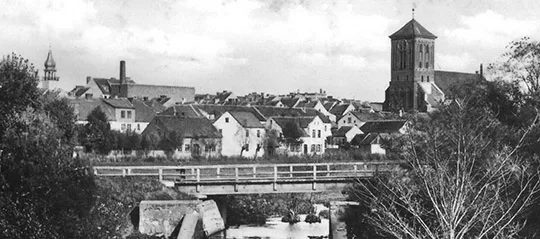
Heiligenbeil Church
After the Second World War the ancient Christian church stood in ruins for almost forty years
Anatoly Bakhtin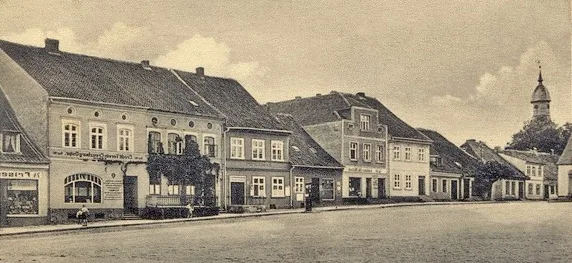
Kreuzburg Church
Of the town that once stood where the village of Slavskoye is now, not even the street grid has survived
Anatoly Bakhtin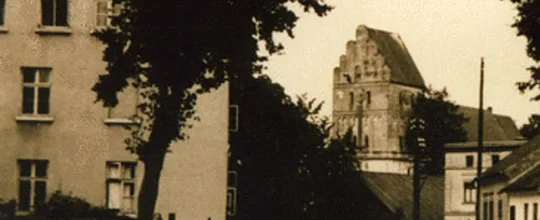
Bladiau Church
Damaged in 1945, the massive medieval church stood for more than 30 years after the war before it was demolished
Anatoly Bakhtin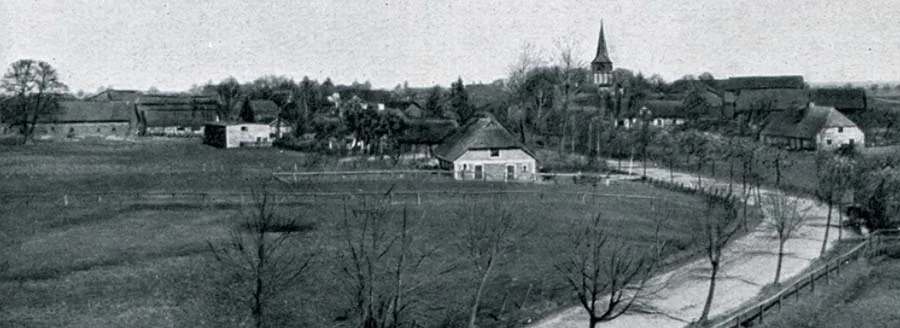
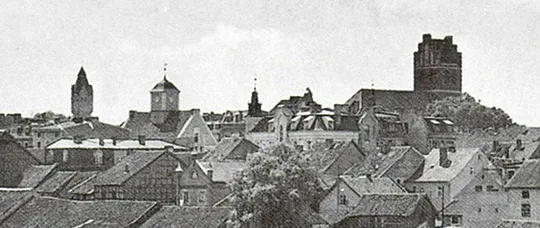
Zinten Church
The charming little town has sunk into oblivion, and the ruins of its church are a sorry sight
Anatoly Bakhtin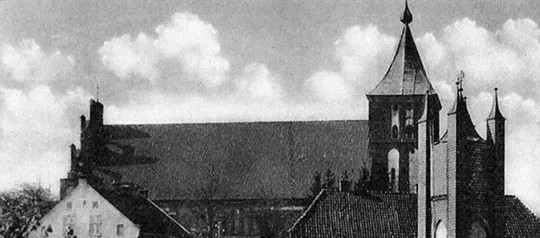
Preußisch Eylau Church
A church that witnessed an epoch-making battle between the Russian and French armies, now disfigured and consigned to oblivion
Anatoly Bakhtin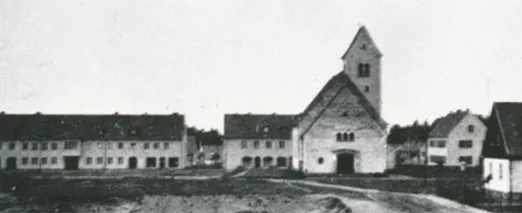
Stablack Church
The pastor of this church, built on a military training ground in the mid-1930s, was called up into the army in 1941
Anatoly Bakhtin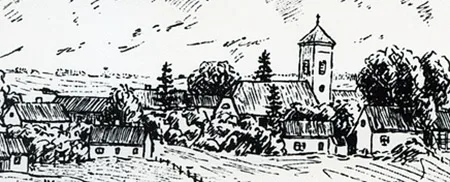
Hermsdorf Church
The church is recalled by trees planted in a circle and the base of the tower
Anatoly Bakhtin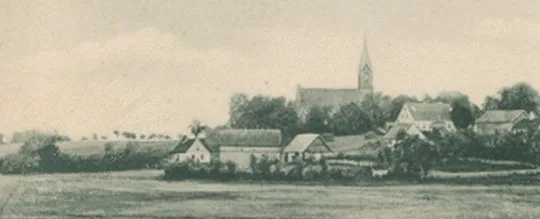
Klein Dexen Church
From roughly the end of the 14th century the chief ornament of this church was its Gothic east gable
Anatoly Bakhtin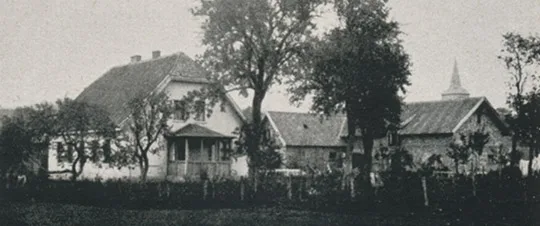
Abschwangen Church
The sacristy of this medieval church held many carved figures of saints dating from the very beginning of the 18th century
Anatoly Bakhtin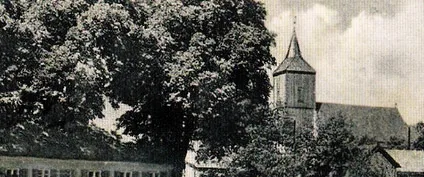
Deutsch Thierau Church
After the war this characteristic brick building on a high boulder plinth found itself in the border no-man's-land
Anatoly Bakhtin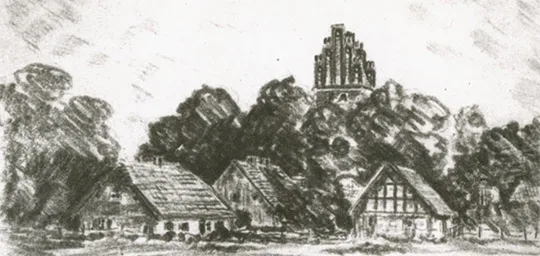
Schmoditten Church
Neither the beautiful medieval tower nor the red granite holy-water stoup could save it
Anatoly Bakhtin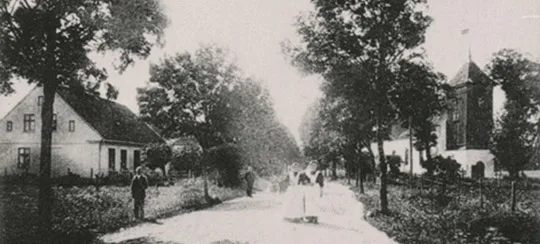
Jesau Church
Not the most striking church in the region, with a rather ordinary fate: it was either blown up or taken apart
Anatoly Bakhtin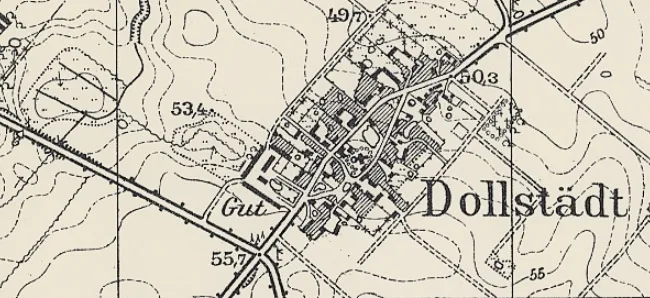
Dollstädt Church
In the first half of the 1980s it was blown up and taken apart for its bricks
Anatoly Bakhtin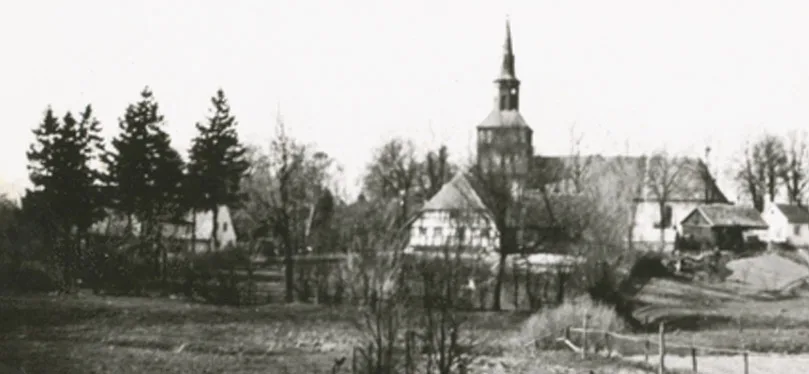
Uderwangen Church
There is a certain logic in the fact that the unremarkable main body has sunk into oblivion while the unusual tower has stood firm
Anatoly Bakhtin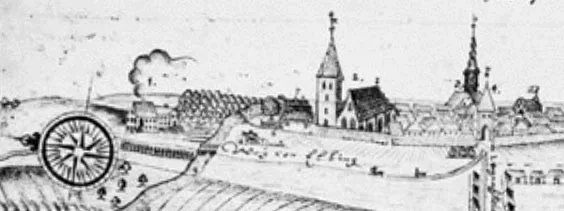
Mühlhausen Church
The church's history is linked with the name of Martin Luther: his daughter was married to the local pastor and is buried here
Anatoly Bakhtin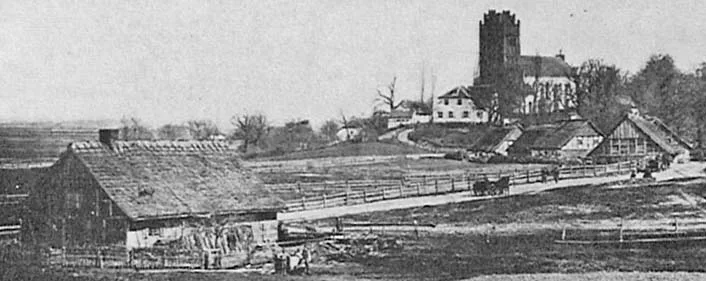
Tharau Church
One of the most interesting churches in the southern part of the region — and not only because of its architectural merits
Anatoly Bakhtin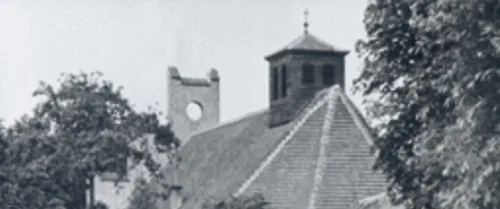
Balga Church
The ruins of the church that stood next to the legendary castle are memorable for a fragment of the west wall with a Gothic portal
Anatoly Bakhtin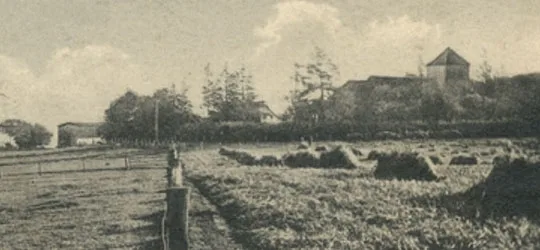
Heiligenkreutz Church
Over its history it caught fire more than once. The last time it burned for five whole days, after which the ruins were taken apart
Anatoly Bakhtin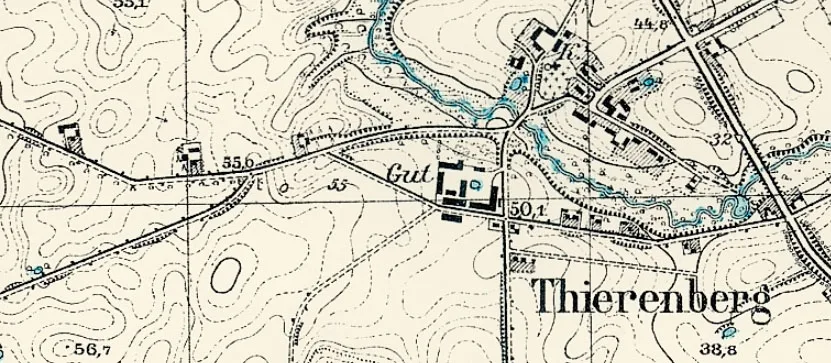
Thierenberg Church
The church and the village around it were taken apart for building materials almost immediately after the Second World War
Anatoly Bakhtin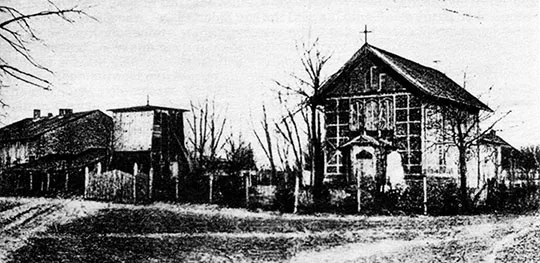
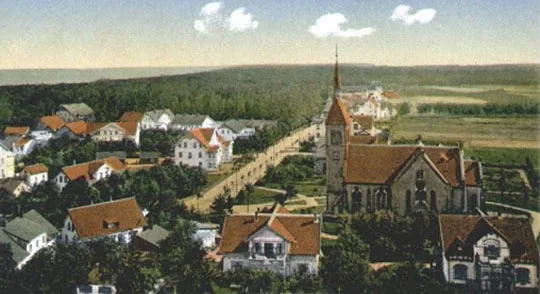
Churches and Chapels of Cranz
Besides the main Lutheran church, the resort town had a Catholic and a Baptist chapel
Anatoly Bakhtin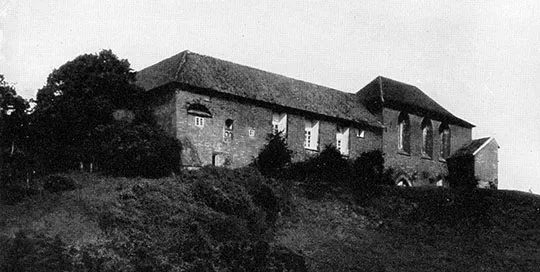
The Chapel of Lochstedt Castle
It was in the eastern part of the south wing, which ran parallel to the railway along the shore of the lagoon
Anatoly Bakhtin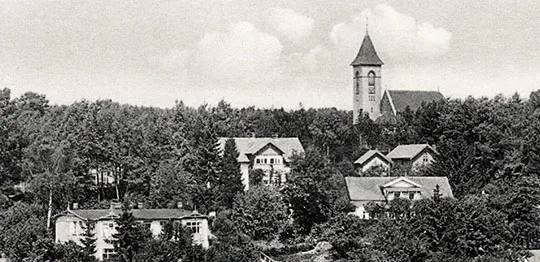
Rauschen Church
The forest that grew up around it on the dune has made this church one of the most beautiful in Samland
Anatoly Bakhtin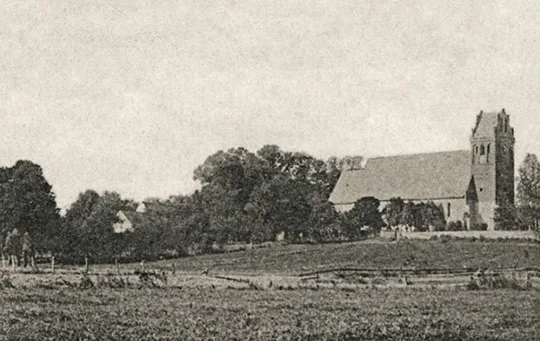
Medenau Church
A famous place, a beautiful church, but what is left of it you could hardly find even if you searched high and low
Anatoly Bakhtin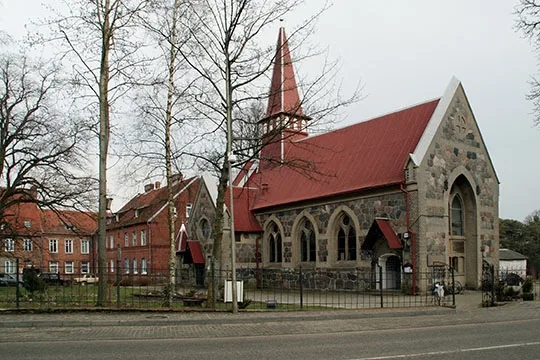
Palmnicken Church
Like almost everything in Palmnicken, the church was built with money from the Stantien & Becker company
Anatoly Bakhtin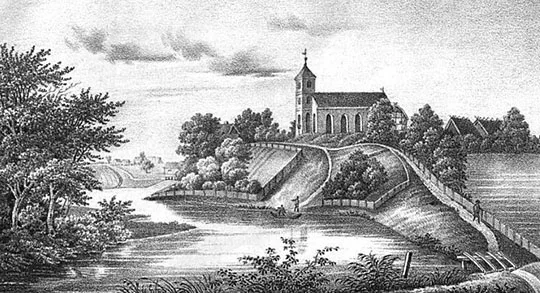
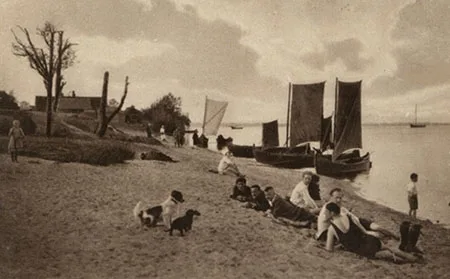
Sarkau Church
At the beginning of the 20th century the local half-timbered church gave way to a brick one
Anatoly Bakhtin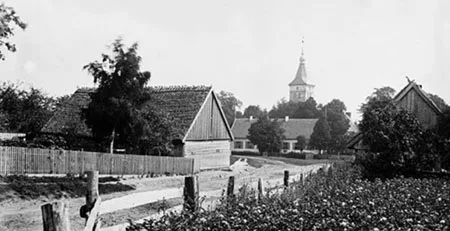
Laptau Church
Later than many others, but in 2026 this church too was finally remembered
Anatoly Bakhtin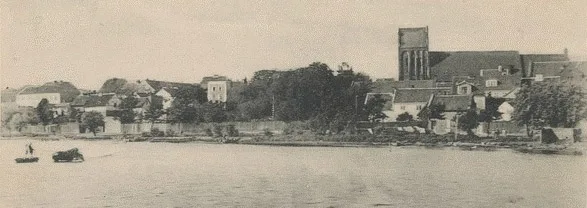
Fischhausen Church
Its entrance was adorned with sculptures by the celebrated sculptor Rudolf Siemering
Anatoly Bakhtin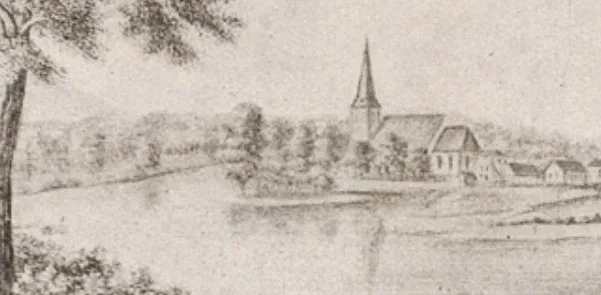
Wargen Church
The length of its nave was striking. The impression was heightened by the height of the walls and the tall, narrow windows
Anatoly Bakhtin
Sankt Lorenz Church
For a long time it was the parish church of the village of Rauschen (Svetlogorsk). Even its ruins look impressive
Anatoly Bakhtin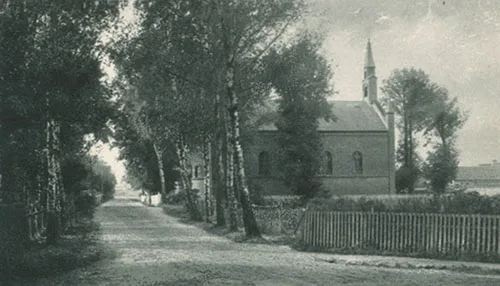
Rossitten Church
Until 1989 it was used as a net-making workshop, and by May 1990 it had reopened to believers
Anatoly Bakhtin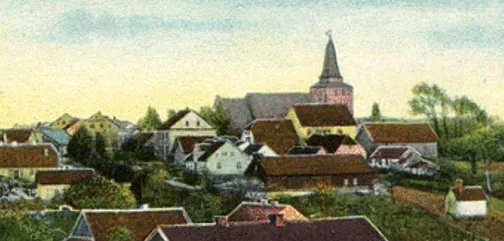
Pobethen Church
After the war it was intact. It was used for utility purposes. It stood abandoned. It is now being repaired
Anatoly Bakhtin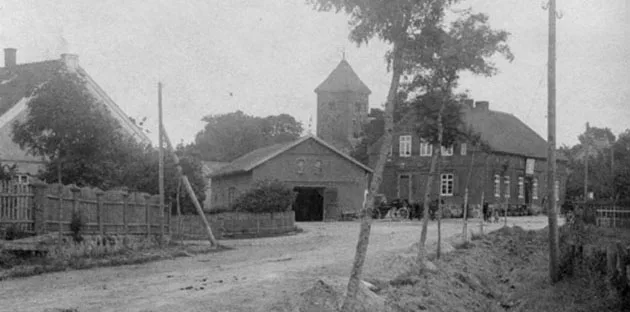
Kumehnen Church
A famous church on the road to Yantarny, with three stork nests on its roof
Anatoly Bakhtin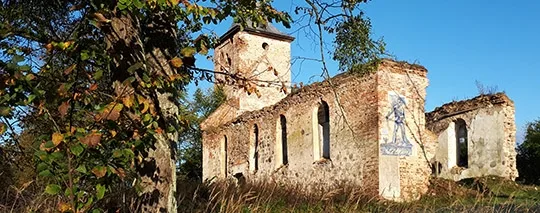
Borchersdorf Church
After the First World War, a mosaic panel commemorating the fallen appeared on the church wall and made it special
Anatoly Bakhtin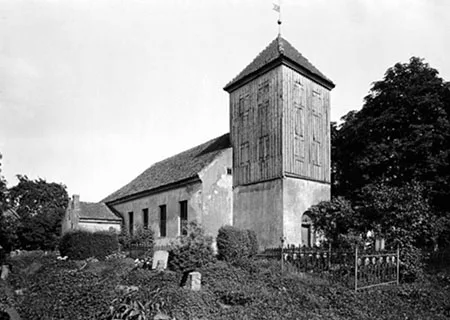
Mahnsfeld Church
It survived the war, but soon afterwards it somehow got in the way of some atheist in power and was demolished in 1958
Anatoly Bakhtin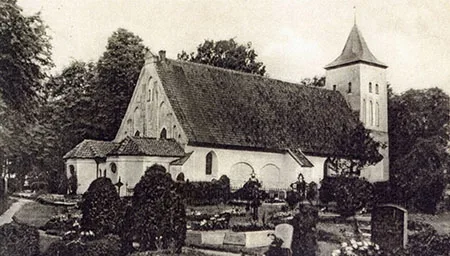
Haffstrom Church
Where this church once stood in the middle of the village of the same name, the waves of the lagoon now lap
Anatoly Bakhtin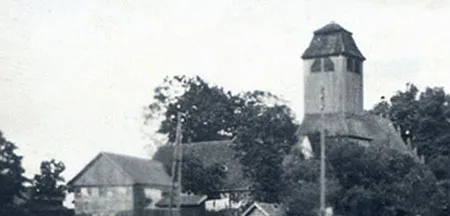
Lichtenhagen Church
Having survived the war without losses, it fell into decay in peacetime
Anatoly Bakhtin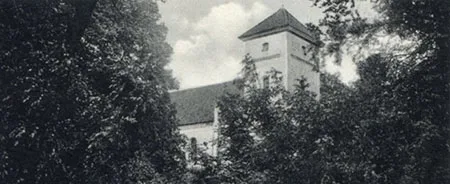
Steinbeck Church
One of the many East Prussian churches of which not one stone was left standing upon another
Anatoly Bakhtin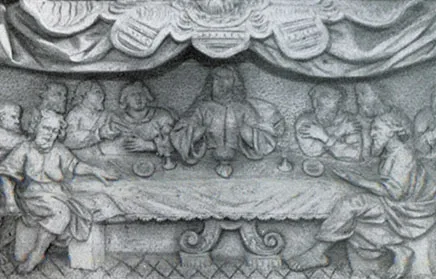
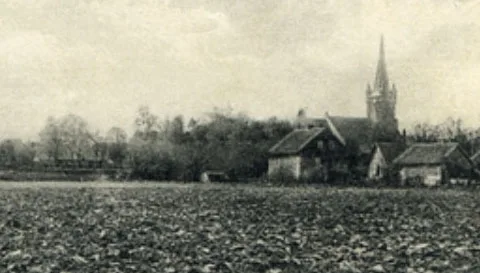
Powunden Church
The neo-Gothic tower that appeared in the early 1860s did nothing to embellish it
Anatoly Bakhtin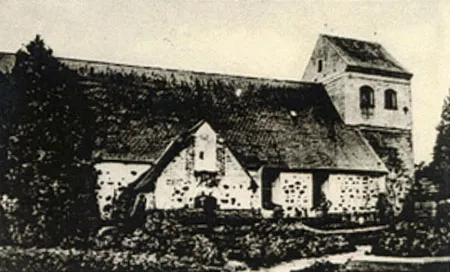
Schönwalde Church
Having survived the Second World War, the building, except for the tower, dematerialised in peacetime
Anatoly Bakhtin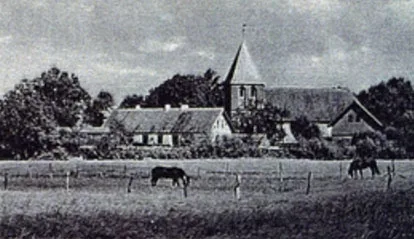
Postnicken Church
The last decade of the 20th century proved fatal for the church, when it suffered its greatest losses
Anatoly Bakhtin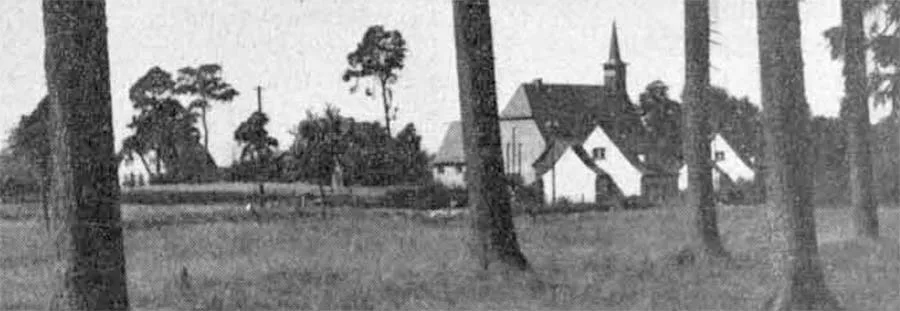
Gross Heydekrug Church
On the roof stood a small turret, and above the modest altar a simple cross. The fiery whirlwind of war swept it all away
Anatoly Bakhtin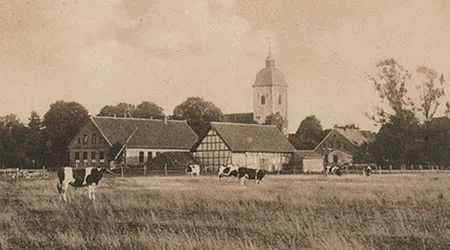
Schaaken Church
In the second half of the 2020s, what is left of it is regularly tidied up by volunteers of the Ruin Keepers movement
Anatoly Bakhtin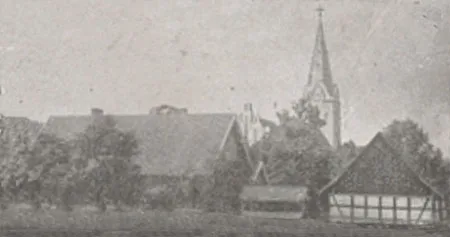
Kaimen Church
It is close to Kaliningrad, it has a landmark castle (also falling to ruin), two roads lead here, and still it is an abandoned site
Anatoly Bakhtin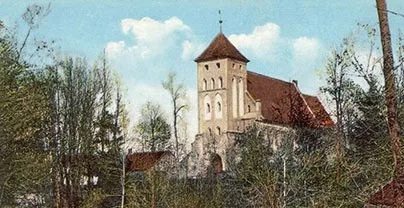
Arnau Church
The outstanding Prussian statesman Theodor von Schön was buried in the churchyard
Anatoly Bakhtin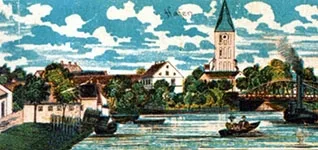
Brandenburg Church
Its surviving tower greets everyone heading for the regional capital from the south at the bridge over the Prokhladnaya (Frisching) River
Anatoly Bakhtin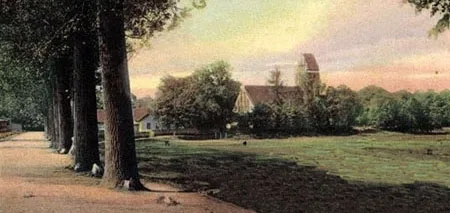
Neuhausen Church
The neighbour of the castle of the same name, recreated in Guryevsk
Anatoly Bakhtin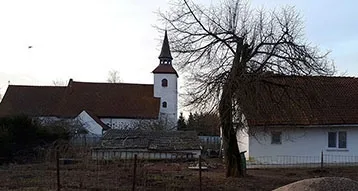
Heiligenwalde Church
A very old and yet beautifully preserved church on the northern bank of the Pregel
Anatoly Bakhtin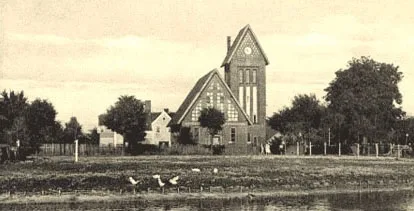
Gross Kuhren Church
It was built for holidaymakers in the early 20th century. Today it houses the House of Culture of the village of Primorye
Anatoly Bakhtin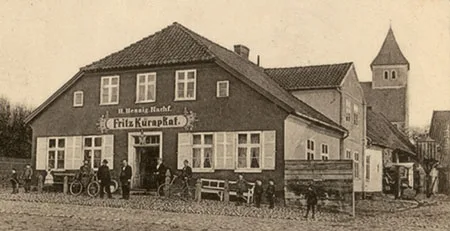
Germau Church
Built from a wing of the castle that for more than a hundred years was the centre of the amber trade in Samland
Anatoly Bakhtin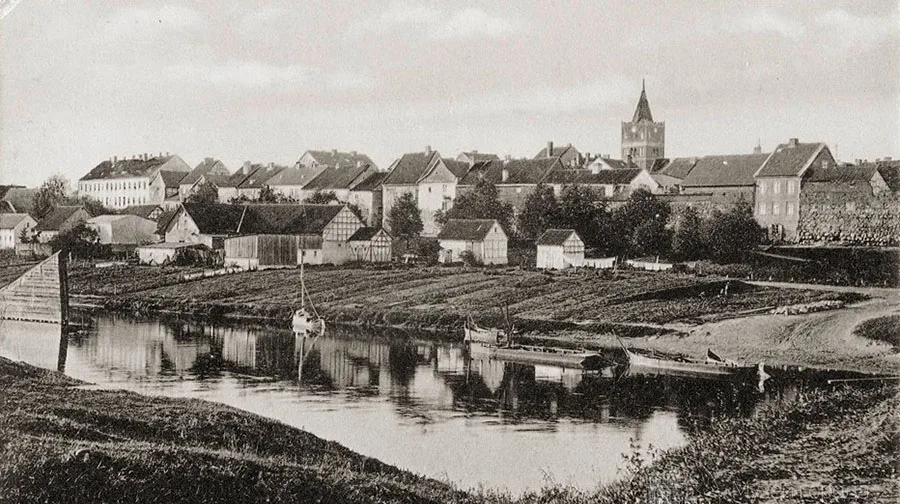
Friedland Church
After the Second World War Friedland Church fell to the victors intact, but in 1948 it was looted in a single night
Anatoly Bakhtin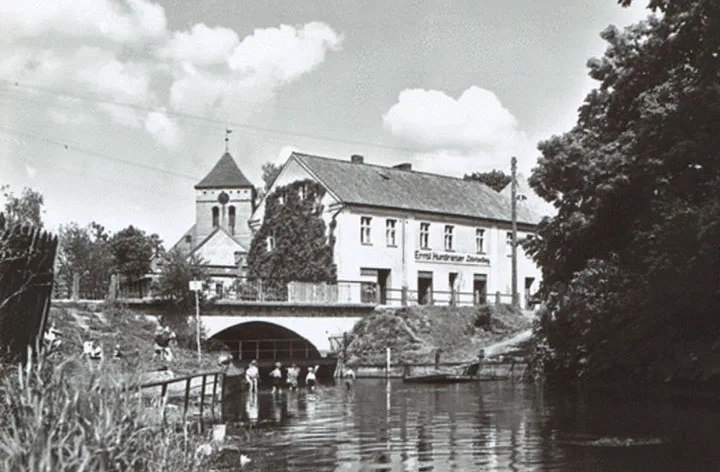
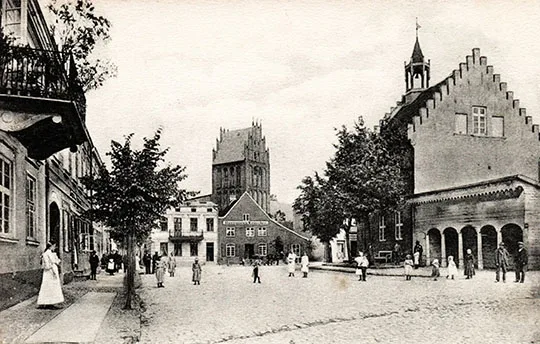
Allenburg Church
In 2014, a striking clock paid for by the community of Allenburg's former residents was installed on the church tower
Anatoly Bakhtin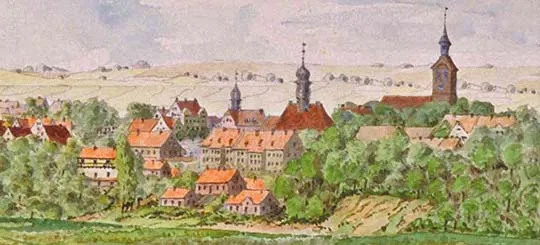
Darkehmen Church
It stands humbly some three hundred metres north of the little town's main square
Anatoly Bakhtin