

Lutheran Church of Pillau
Destroyed during the assault of 1945; its ruins were cleared away in the post-war years
Anatoly Bakhtin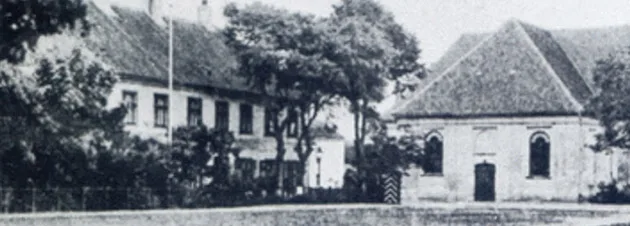
Lutheran Church in the Pillau Citadel
Damaged during the fighting within the Pillau fortress in 1945. The ruins were cleared away
Anatoly Bakhtin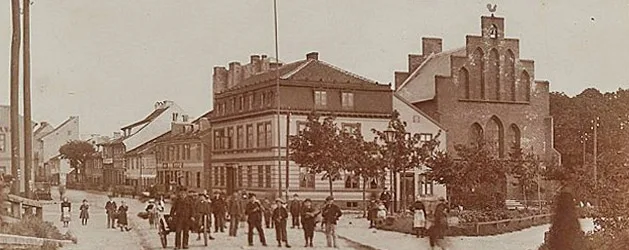
Reformed Church of Pillau
The gable was slightly damaged during the fighting in 1945. After the war the church was used as a warehouse
Anatoly Bakhtin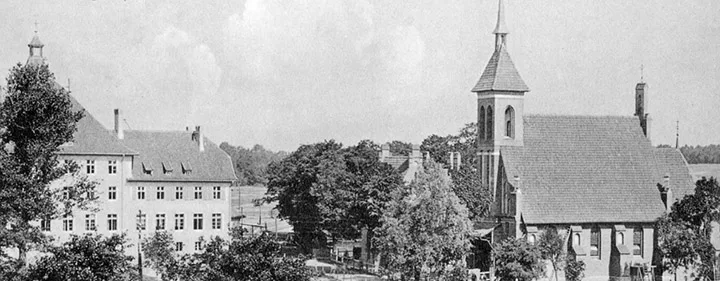
Catholic Church of Pillau
Badly damaged during the Second World War, which later led to its demolition
Anatoly Bakhtin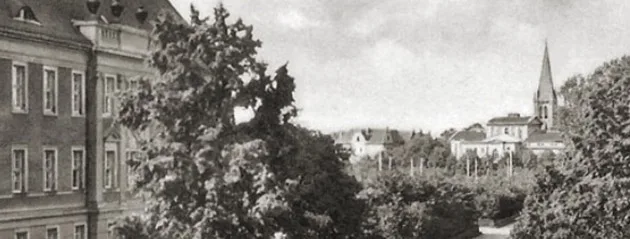
Reformed Church of Tilsit
Badly damaged during the Second World War; all that remains of it is the tower, without its spire
Anatoly Bakhtin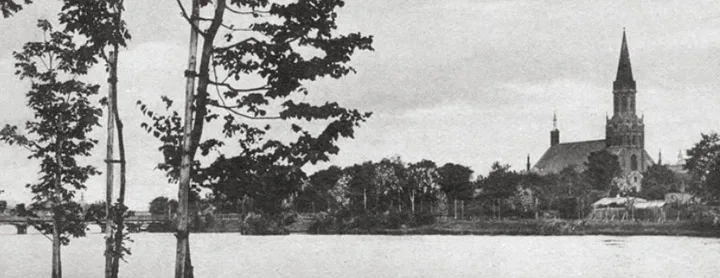
Catholic Church of Tilsit
Partly destroyed after WWII. In the 1960s–70s it was dismantled for bricks. Its railings went to make a school fence
Anatoly Bakhtin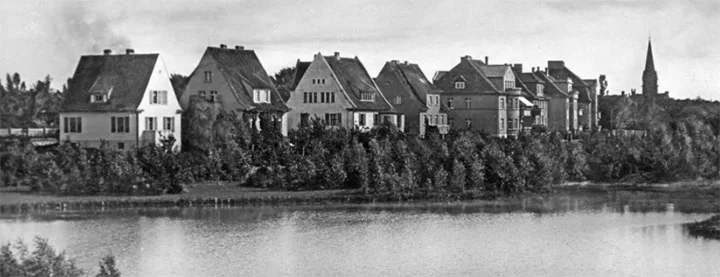
Kreuzkirche of Tilsit (New Church)
It survived the Second World War intact; in the 1970s it housed one of the workshops of the Raduga factory
Anatoly Bakhtin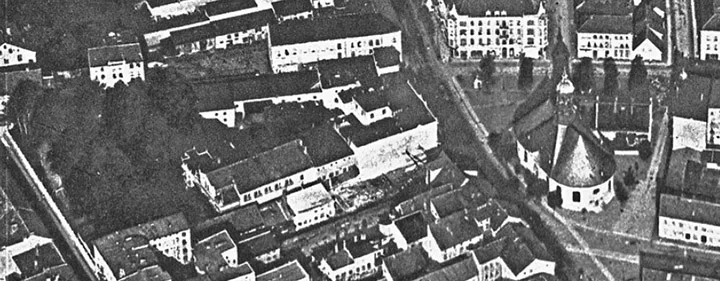
Lithuanian Church of Tilsit
It came through the Second World War undamaged, but in the winter of 1950–51 it was set on fire by teenagers
Anatoly Bakhtin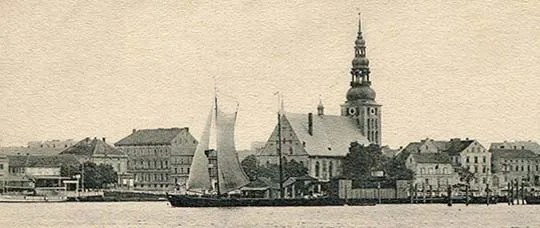
German Church of Tilsit (Lutheran)
It was intact after 1945. In the post-war years it was stripped for firewood and bricks, and what remained was demolished in the 1960s
Anatoly Bakhtin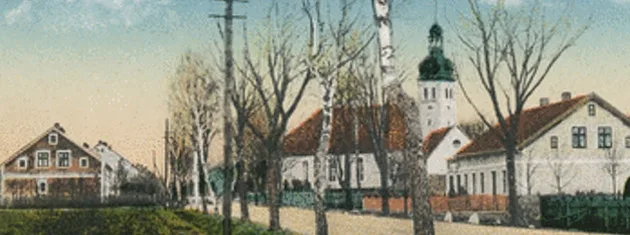
Popelken Church
Popelken church came through the Second World War unscathed and in the post-war years was used as a warehouse and grain dryer
Anatoly Bakhtin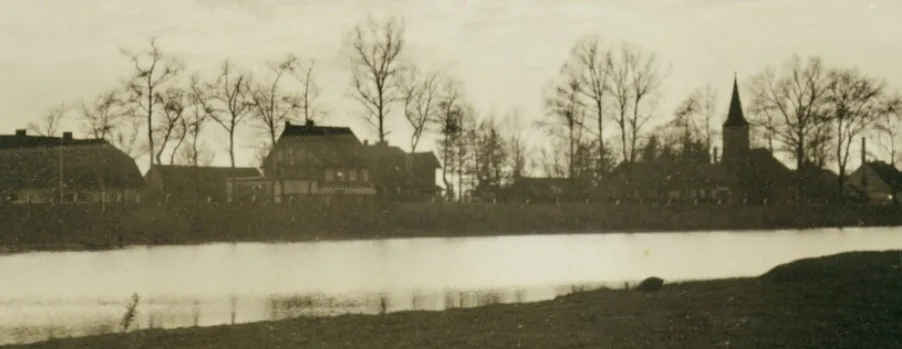
Schakuhnen Church
After the Second World War Schakuhnen church was intact; the collective farmers used it to store hay
Anatoly Bakhtin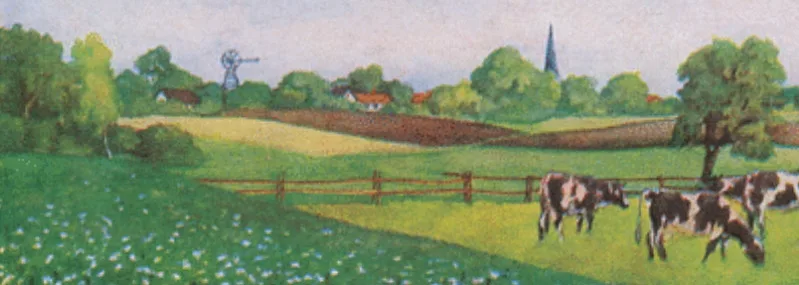
Schillgallen Church
It came through the Second World War unscathed, but was later blown up and dismantled by the military for building material
Anatoly Bakhtin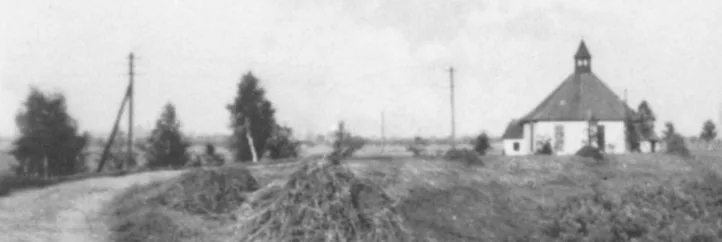
Skören Church
It came through the Second World War unscathed and was used as a grain store until 1978–79
Anatoly Bakhtin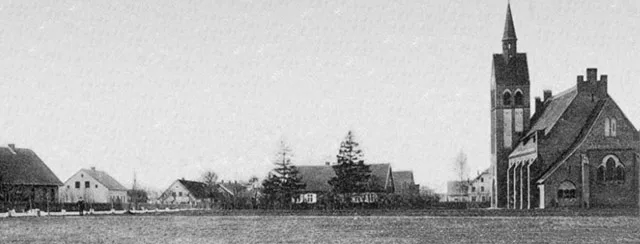
Lauknen Church
The war passed it by, but afterwards it was no longer needed and was dismantled for bricks. Only the tower survived
Anatoly Bakhtin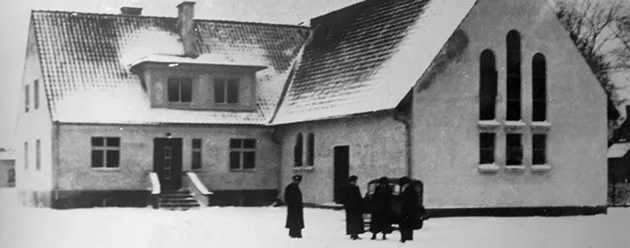
Catholic Chapel in Ragnit
Built in the late 1930s. After the war it was a military depot. Today the building houses an Orthodox church
Anatoly Bakhtin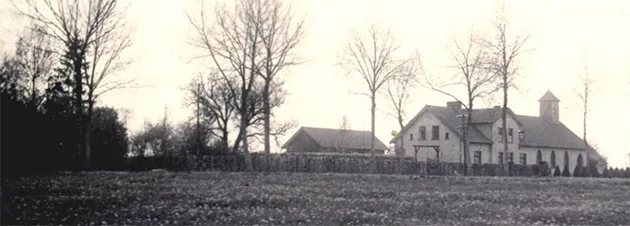
Gowarten Church
Built in the first quarter of the 20th century. After the war it was put to other uses
Anatoly Bakhtin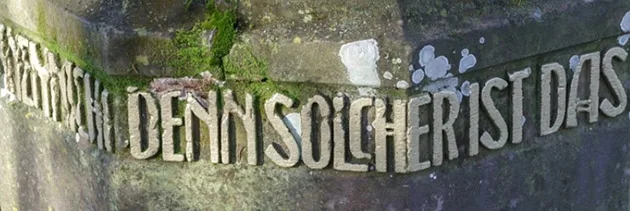
Groß Lenkeningken Church
Of the handsome church built at the beginning of the 20th century, not one stone was left standing on another
Anatoly Bakhtin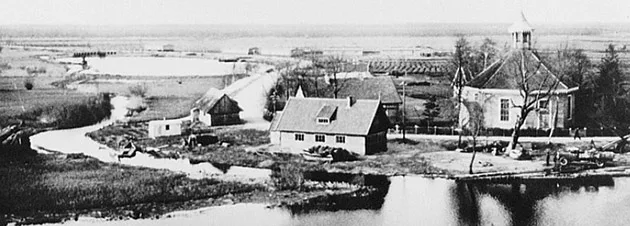
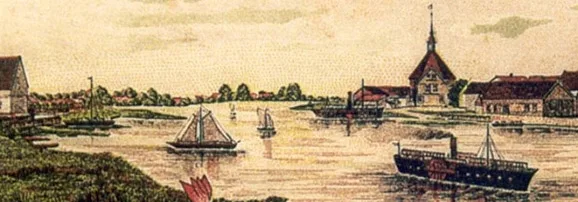
Alt Lappienen Church
Architecturally striking and famous for its burial monuments. A ruin, yet still standing and waiting
Anatoly Bakhtin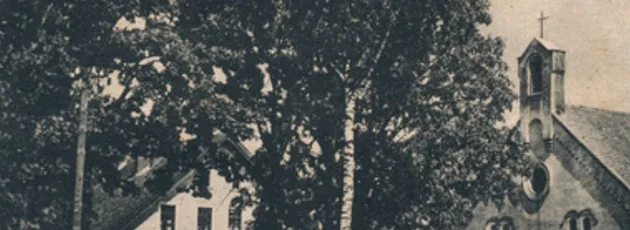
Rautenberg Church
It was built in the last quarter of the 19th century. At the end of the 20th it was used as a storehouse
Anatoly Bakhtin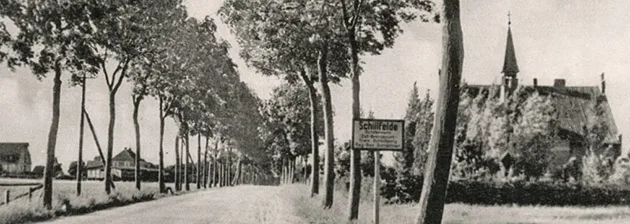
Schillehnen Church
The Second World War passed Schillehnen by. Until the 1970s the church served as a club, then as a storehouse. It was demolished in 1975
Anatoly Bakhtin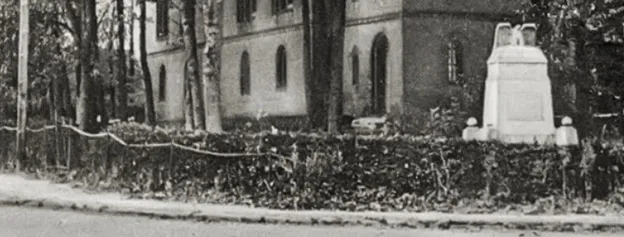
Jurgaitschen Church
An imposing building of the 1840s. In the first half of the 20th century the village was even renamed after it
Anatoly Bakhtin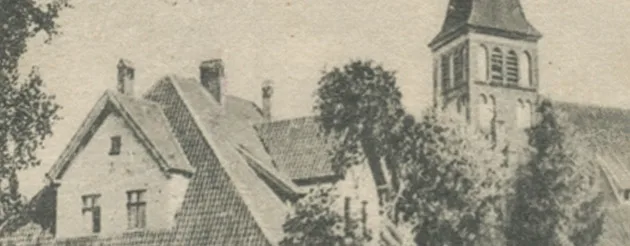
Wedereitischken Church
Having survived the Second World War and served as a storehouse after it, the church is once again used for its original purpose
Anatoly Bakhtin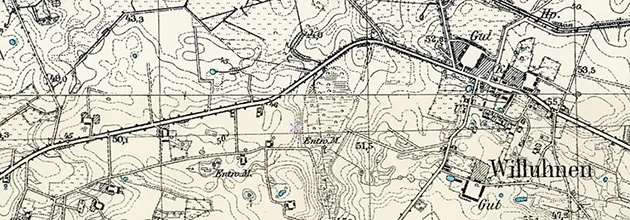
Willuhnen Church
Neither the church nor the village of Willuhnen has been on the map for a long time
Anatoly Bakhtin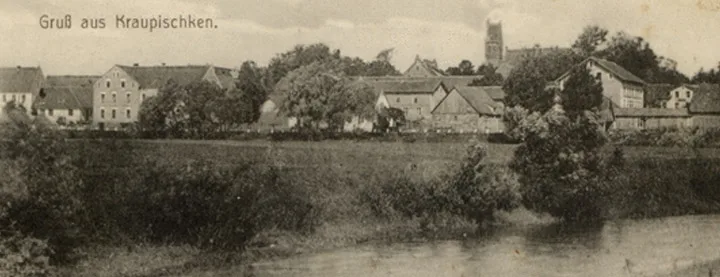
Kraupischken Church
A church has been known on this site since the 16th century. Rebuilt several times. In ruins since the Second World War
Anatoly Bakhtin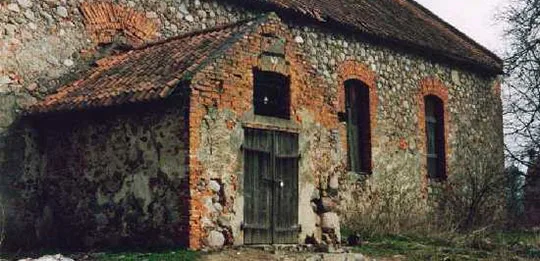
Kussen Church
The church, which celebrated its 300th anniversary in 1886, was used as a storehouse after the Second World War
Anatoly Bakhtin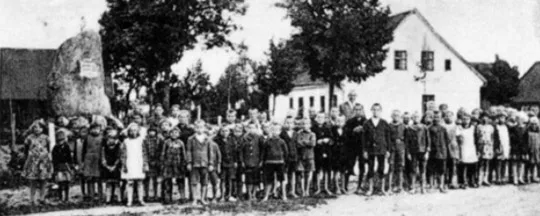
Lengwethen Church
It was built for settlers from Salzburg; after the Second World War it was used as a House of Culture
Anatoly Bakhtin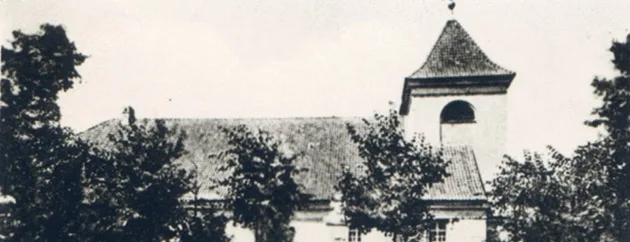
Schirgupönen Church
In the 20th century it sank into oblivion together with the village
Anatoly Bakhtin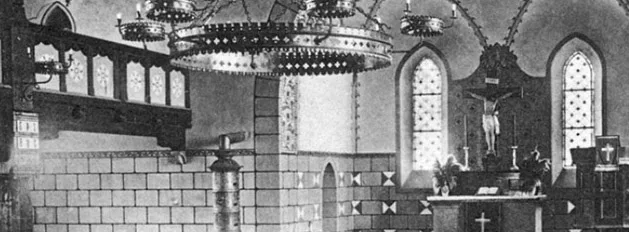
Groß Schorellen Church
Little remains of the large and beautiful church built at the beginning of the 20th century
Anatoly Bakhtin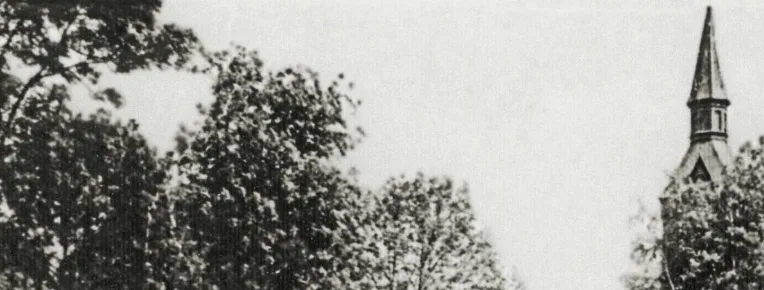
Groß Warningken Church
In the 20th century the village and its church vanished from the maps
Anatoly Bakhtin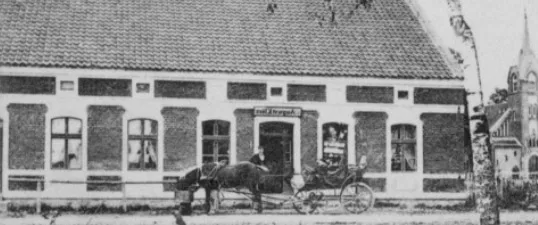
Soginten Church
All the buildings of the village, the church included, were taken apart for bricks in the 1970s
Anatoly Bakhtin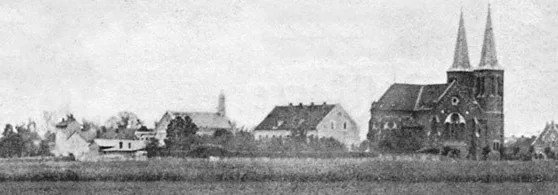
Eydtkuhnen Church
Until 1889 the place of worship in Eydtkuhnen was the town's famous railway station. And that is no joke
Anatoly Bakhtin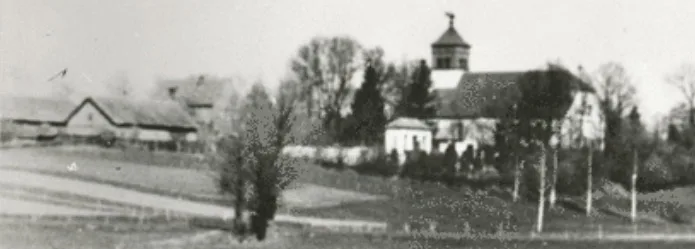
Göritten Church
This church had the misfortune of finding itself in the line of fire during both world wars that swept across Prussia
Anatoly Bakhtin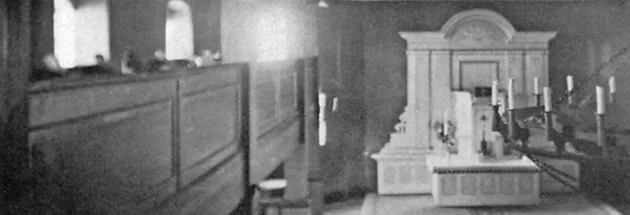
Bilderweitschen Churches
The village had a Protestant church and a Catholic church. The first was demolished after the war; the second still stands
Anatoly Bakhtin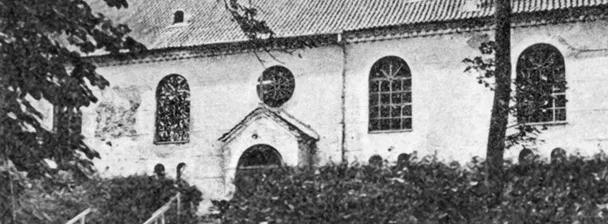
Kattenau Church
The history remains, but the church is long gone. Its ruins were demolished in the early 1990s
Anatoly Bakhtin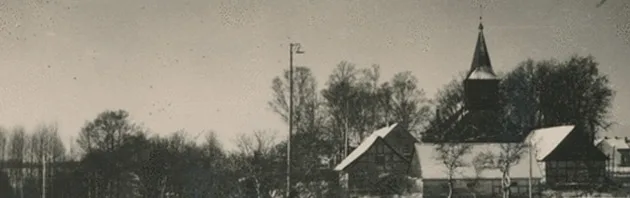
Enzuhnen Church
Enzuhnen – Rodebach – Chkalovo: the 20th century and the village's radical renamings wore the local church down
Anatoly Bakhtin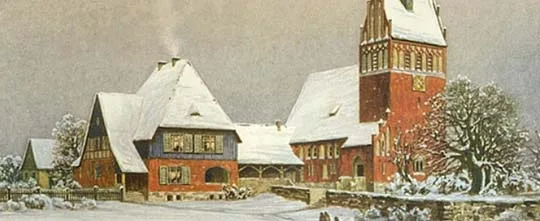
Kassuben Church
Of one of the most beautiful churches of East Prussia only a fragment of wall and the pastor's house remain
Anatoly Bakhtin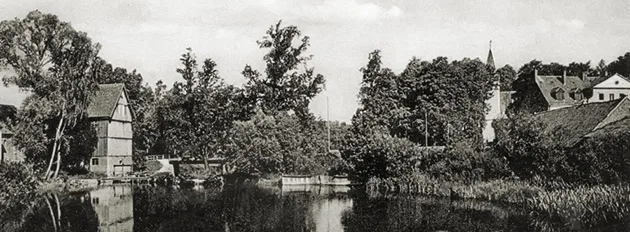
Mehlkehmen Church
The parish was founded in 1692 by the future first Prussian king, at that time still Elector Friedrich III
Anatoly Bakhtin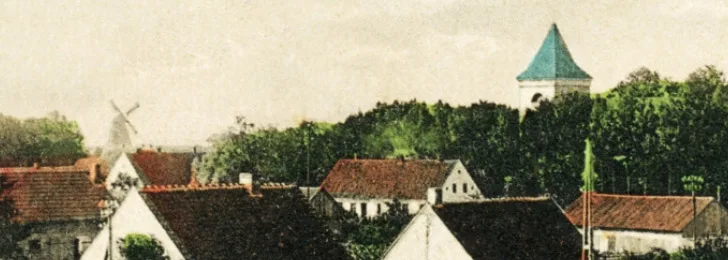
Pillupönen Church
The church was destroyed in the First World War but then rebuilt. The Second World War passed it by.
Anatoly Bakhtin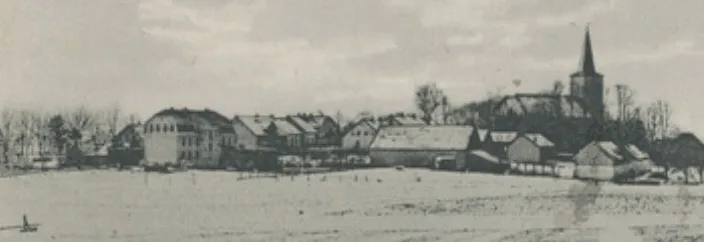
Schillen Church
The first church built on the orders of Friedrich I, who ascended the Prussian throne in 1701.
Anatoly Bakhtin