

Lutheran Church of Pillau
Destroyed during the assault of 1945; its ruins were cleared away in the post-war years
Anatoly Bakhtin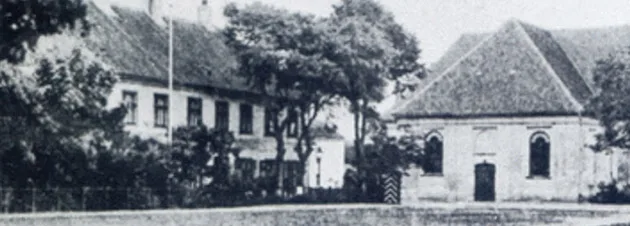
Lutheran Church in the Pillau Citadel
Damaged during the fighting within the Pillau fortress in 1945. The ruins were cleared away
Anatoly Bakhtin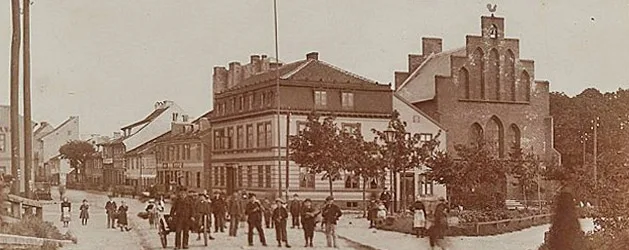
Reformed Church of Pillau
The gable was slightly damaged during the fighting in 1945. After the war the church was used as a warehouse
Anatoly Bakhtin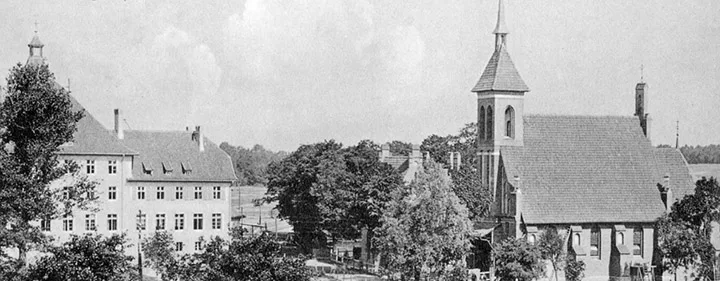
Catholic Church of Pillau
Badly damaged during the Second World War, which later led to its demolition
Anatoly Bakhtin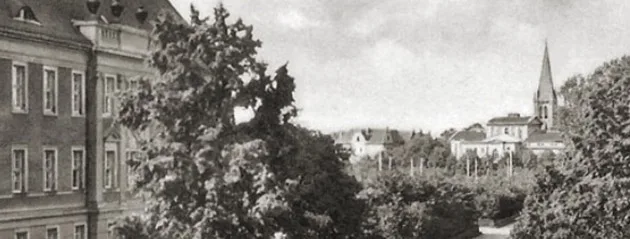
Reformed Church of Tilsit
Badly damaged during the Second World War; all that remains of it is the tower, without its spire
Anatoly Bakhtin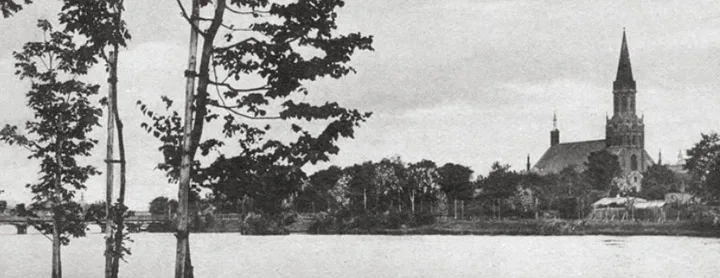
Catholic Church of Tilsit
Partly destroyed after WWII. In the 1960s–70s it was dismantled for bricks. Its railings went to make a school fence
Anatoly Bakhtin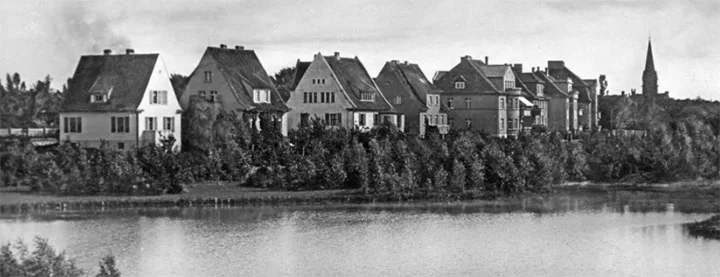
Kreuzkirche of Tilsit (New Church)
It survived the Second World War intact; in the 1970s it housed one of the workshops of the Raduga factory
Anatoly Bakhtin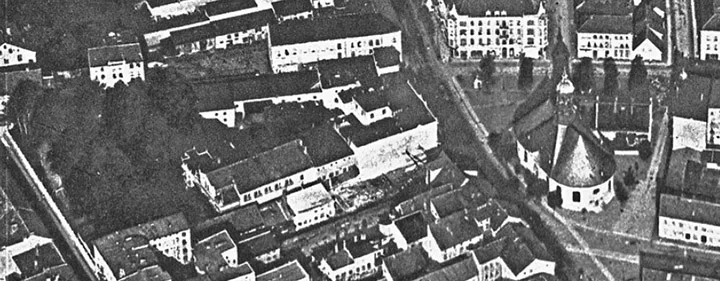
Lithuanian Church of Tilsit
It came through the Second World War undamaged, but in the winter of 1950–51 it was set on fire by teenagers
Anatoly Bakhtin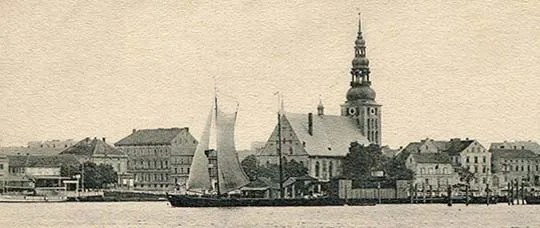
German Church of Tilsit (Lutheran)
It was intact after 1945. In the post-war years it was stripped for firewood and bricks, and what remained was demolished in the 1960s
Anatoly Bakhtin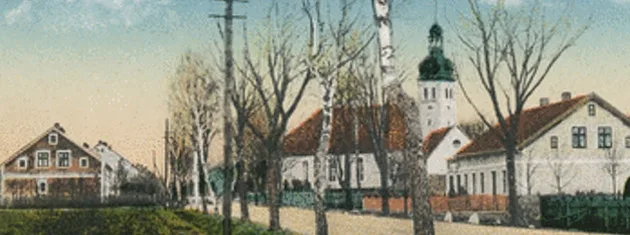
Popelken Church
Popelken church came through the Second World War unscathed and in the post-war years was used as a warehouse and grain dryer
Anatoly Bakhtin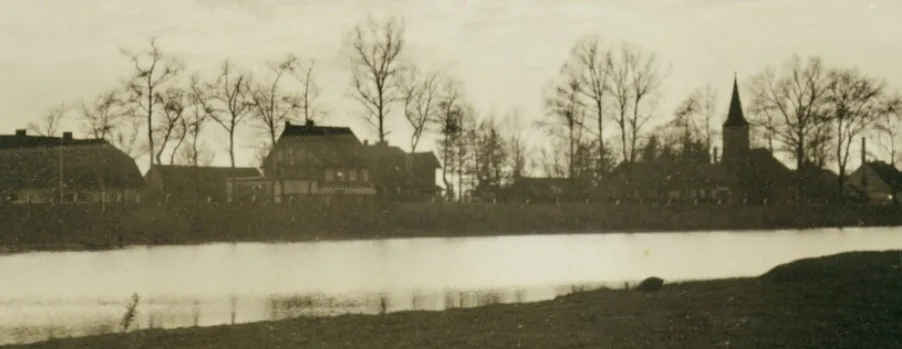
Schakuhnen Church
After the Second World War Schakuhnen church was intact; the collective farmers used it to store hay
Anatoly Bakhtin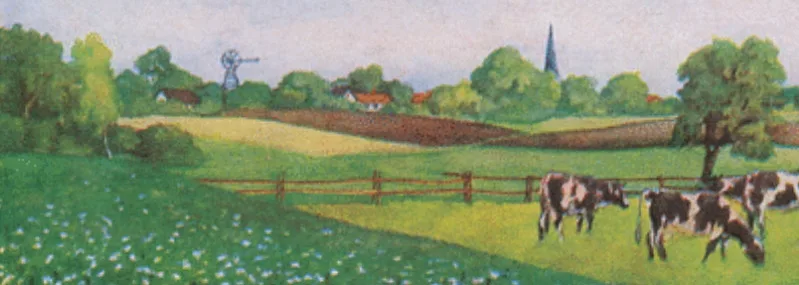
Schillgallen Church
It came through the Second World War unscathed, but was later blown up and dismantled by the military for building material
Anatoly Bakhtin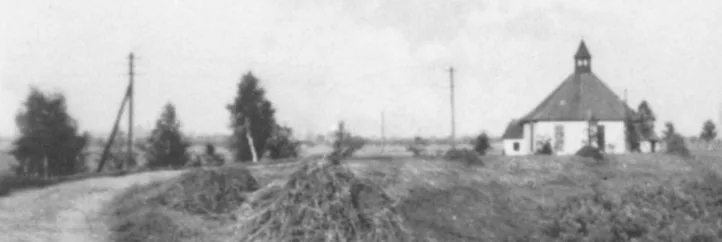
Skören Church
It came through the Second World War unscathed and was used as a grain store until 1978–79
Anatoly Bakhtin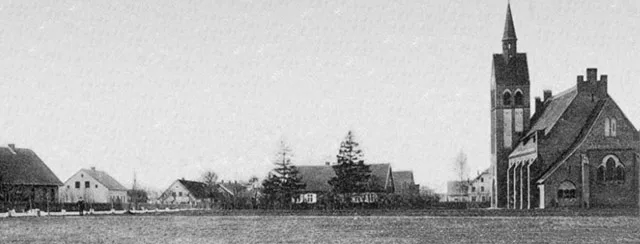
Lauknen Church
The war passed it by, but afterwards it was no longer needed and was dismantled for bricks. Only the tower survived
Anatoly Bakhtin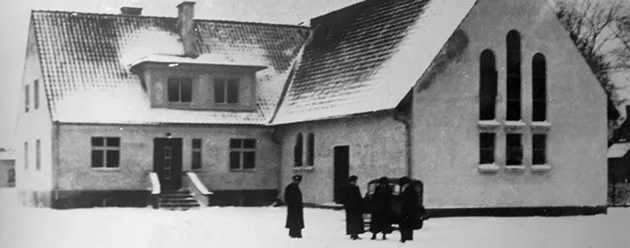
Catholic Chapel in Ragnit
Built in the late 1930s. After the war it was a military depot. Today the building houses an Orthodox church
Anatoly Bakhtin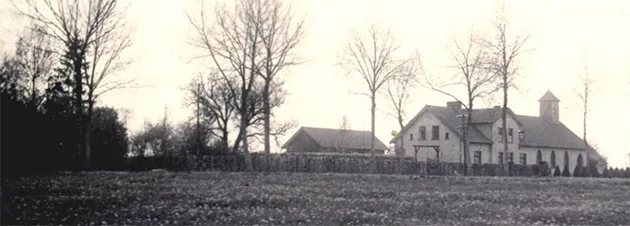
Gowarten Church
Built in the first quarter of the 20th century. After the war it was put to other uses
Anatoly Bakhtin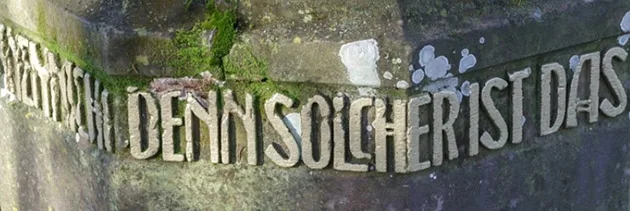
Groß Lenkeningken Church
Of the handsome church built at the beginning of the 20th century, not one stone was left standing on another
Anatoly Bakhtin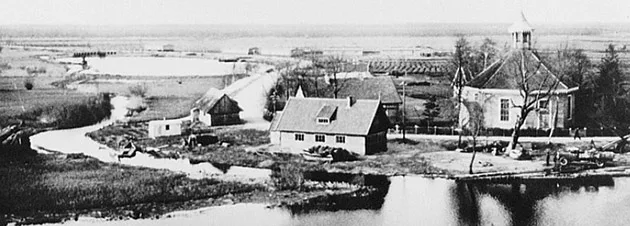
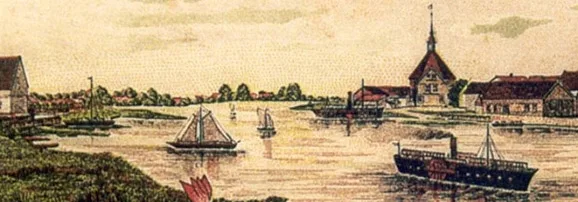
Alt Lappienen Church
Architecturally striking and famous for its burial monuments. A ruin, yet still standing and waiting
Anatoly Bakhtin