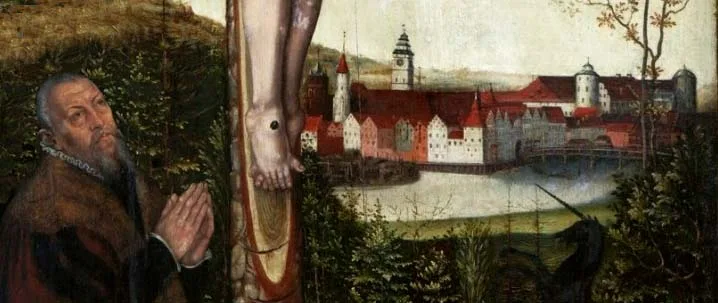
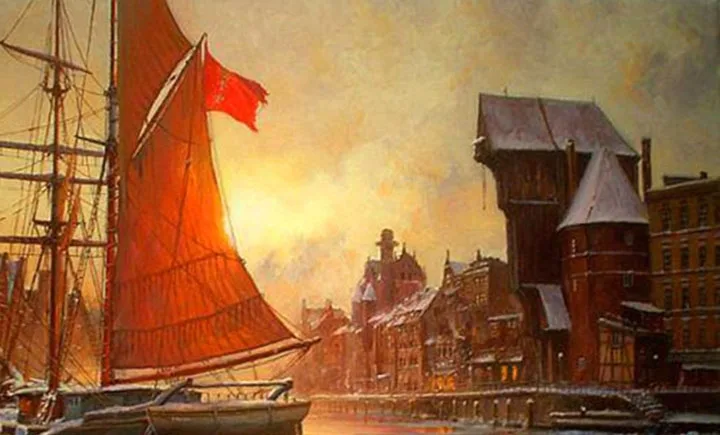
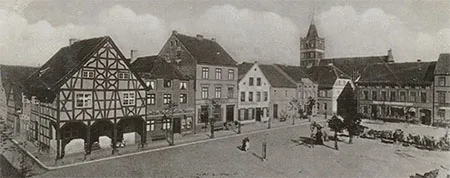
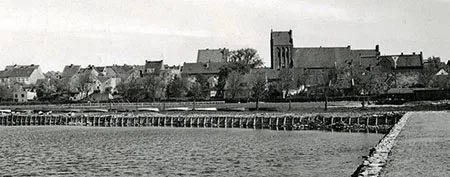
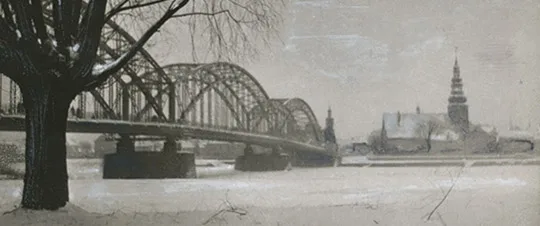
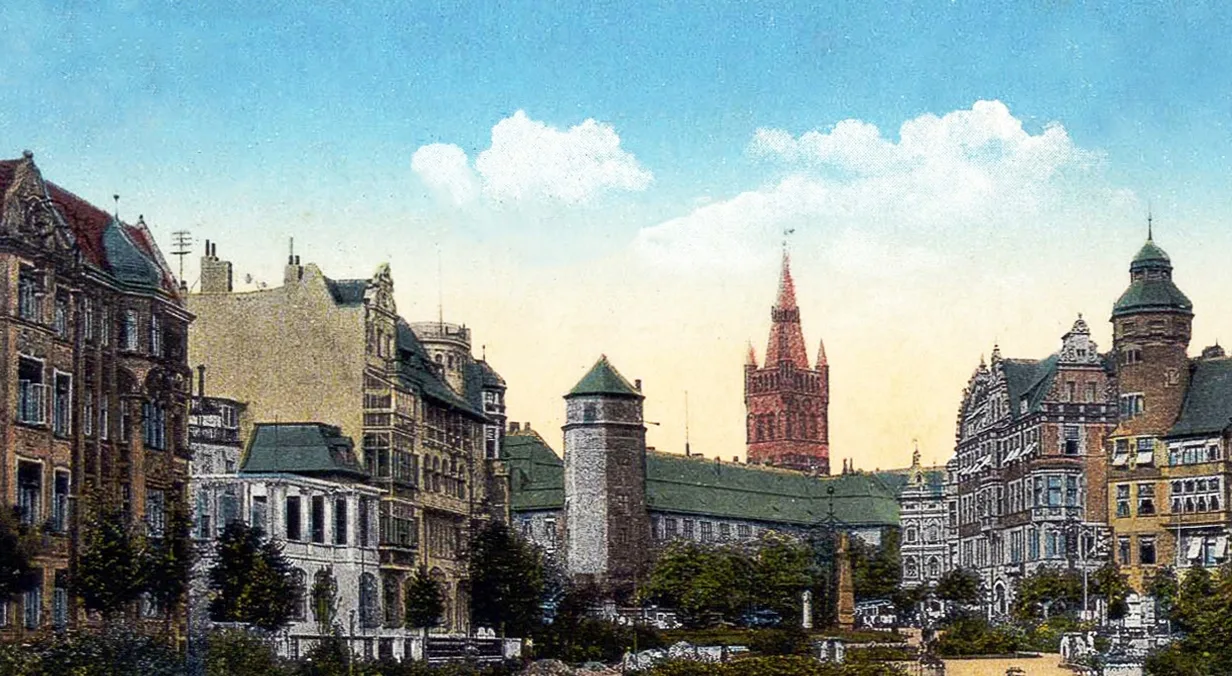
Twelve years of Nazism and five and a half years of war are a drop in the ocean compared with the path this city travelled, growing from a small vill…
The history of Poland's maritime capital, from the Ice Age to the present day
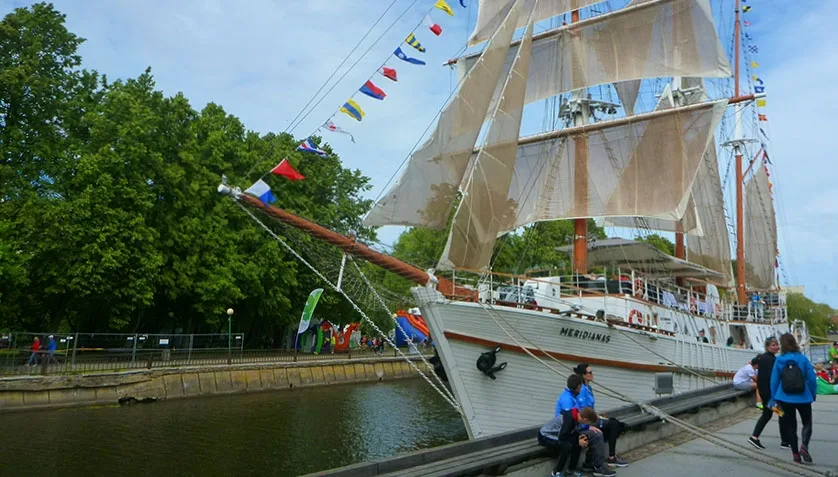
How Memel became Klaipėda and what legacy it left behind
A town on the Mayskaya River (Pasmar). Founded in the 14th century as a castle of the Teutonic Order
On September 10, 1510, a powerful storm breached the spit, creating a new strait — and thus began the history of Pillau
A city that emerged at the confluence of the Instruch and Angrappa rivers
A woodcutters' village that received town rights in 1725
The little town has had a controversial reputation since the time of the first Hohenzollerns. Especially its castle
King Frederick William I of Prussia granted Gumbinnen town status on 6 April 1721
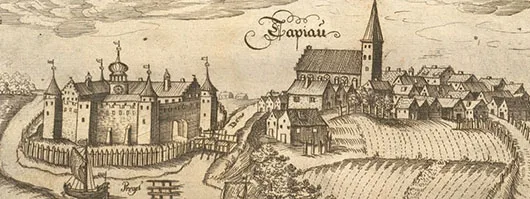
Tapiau received town rights in 1722 from King Friedrich Wilhelm I
The town's founding date is considered to be 1290, but little of it has survived
Soviet historiography regards 1734 as the official founding year of Krasnoznamensk
A town on the Sheshupe that did not survive the Second World War
Founded in 1314. In 1946 it was renamed in honour of Ivan Ladushkin, who was killed in the fighting for the town
A town in Bagrationovsk District on the Vitushka and Mamonovka rivers
Ragnit was granted town rights in 1722 by Frederick William I, who went down in history as the Soldier King
In 1818 Stallupönen became the centre of the Kreis of the same name
This small town on the Angrapa once gave shelter to Swiss Protestants, who turned it into a real "gem"
The fishing village that stood on the site of Neukuhren is first mentioned in 1254 – it is older than Königsberg
The settlement by Labiau Castle received town rights on 28 July 1642
The town is unique in that it did not grow up around a castle of the Order or of a bishop
One of the smallest towns in the Russian Federation
Capital of the polder lands of the Elchniederung, aka the Elk Valley
The town was founded in 1241 as a castle of the Teutonic Order
A city of regional significance where the Tylzha River flows into the Neman
A climatic and balneological resort of federal importance
A town on the banks of the Kaliningrad Sea Canal
The place became known in the 19th century, when the amber miners Stantien & Becker moved here from the Curonian Spit
A popular seaside resort at the base of the Curonian Spit, a.k.a. the "City of Cats", the leader in urban improvement in the Kaliningrad Region
The settlement by Gerdauen Castle was granted town rights on 21 September 1398
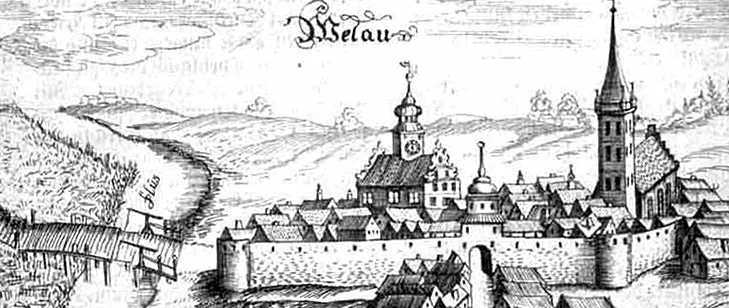
In 1339 Wehlau received Kulm town rights from Grand Master Dietrich von Altenburg
The legend-shrouded cradle and citadel of the Prussian kingdom. A symbol of the city and of all East Prussia
Castles of the Teutonic Order in Prussia
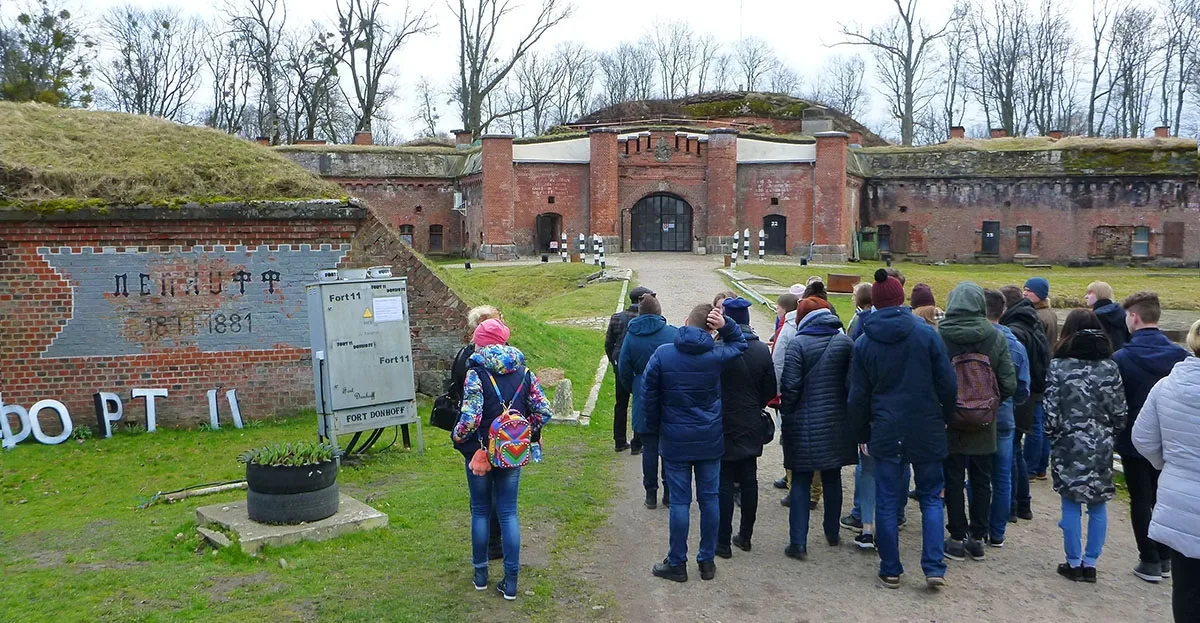
Well-preserved, grandiose fortifications sunk deep into the ground
Built in stone no later than the mid-14th century. Burned down twice, rose again only once
The Order's bridgehead on the shore of the Frisches Haff lagoon, from which the conquest of Prussia began
Named in honour of Otto III, Margrave of Brandenburg, who saved the Order in 1266
A witness to and participant in the turbulent history of Samland in the days of the Order, which more than once saved the local bishop
The ancestral seat of the Dönhoff family
Insterburg's twin, a bishop's castle with a large outer bailey, was built in stone at the end of the 14th century
Prussia had many Order castles like this one, but only this one was visited repeatedly by Immanuel Kant
For a long time it served as a staging post for the Order's troops on their way to Lithuania
It was here, on 21 January 1758, that the capitulation of East Prussia was signed and Königsberg was surrendered to the Russians
The history of East Prussia’s foremost castle from the Middle Ages to the present day
A vivid illustration of the fact that no merits can save you from oblivion
A medieval fortress that later served as an administrative center in a strategically important area
The castle's last owner was an anti-fascist who was thrown into prison and found hanged there
Its name and location suggest that there was once a strait through the spit at this spot
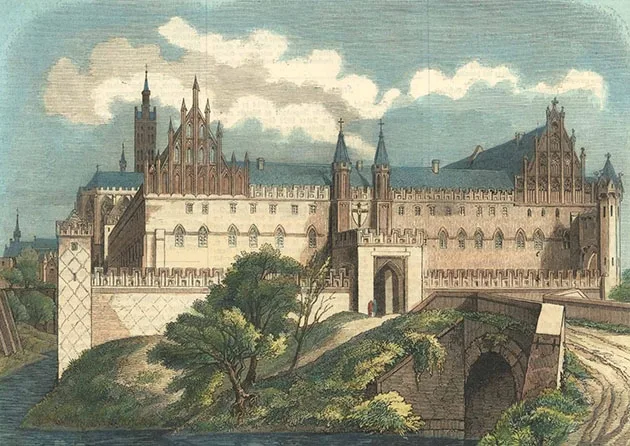
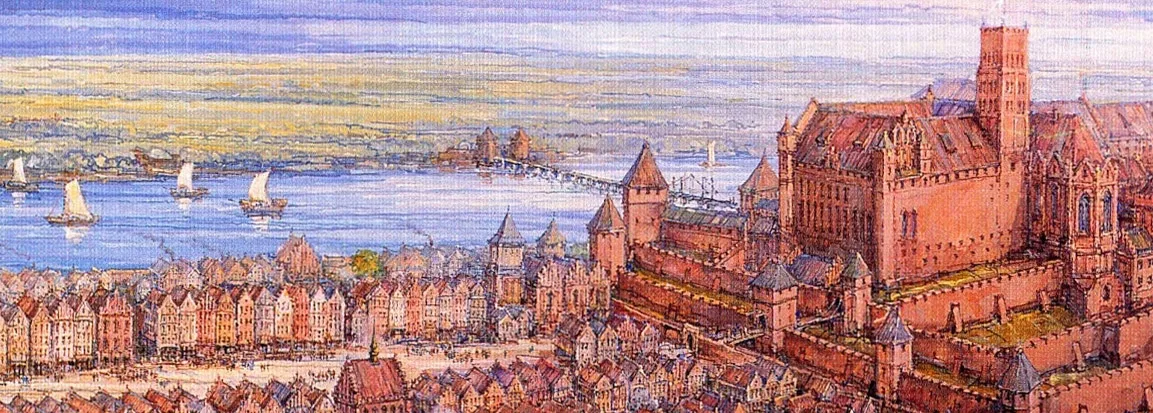
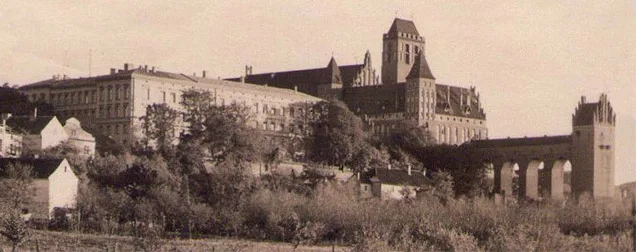
Until the mid-15th century it was the centre of the capital of the Order's state. The largest brick castle in the world
A magnificent building with the only surviving danzker in northern Poland
The link between the Prussian possessions of the Teutonic Order and the Baltic lands of the Livonian Order
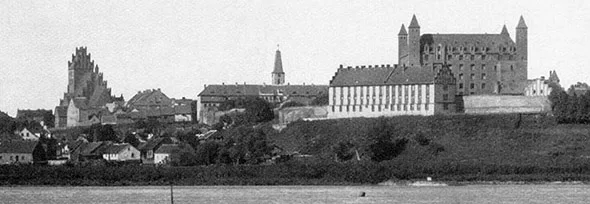
At the height of the Order's power, Mewe was its most important stronghold in the west
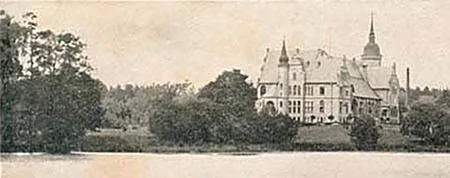
The von Lehndorff family's Samland estate lay near Wargen
An intermediate stronghold between Kreuzburg and Bartenstein, built of stone and brick from the very beginning
An outpost of the Teutonic Order and a mustering point for knightly forces on campaigns into Lithuania
A dubious mix of the Middle Ages and 19th-century Gothic Revival, with a modern commercial "outer bailey"
An outpost on the route from Nadruvia to Königsberg that controlled the Pregel and the Deime
The most astonishing thing is that in the 21st century a castle from the days of the Teutonic Order serves as a home for ordinary mortals
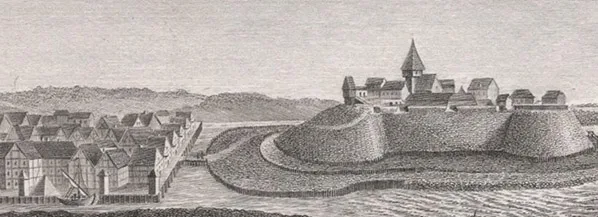
The first castle of the Teutonic Order in Prussia, next to which a settlement grew up almost at once
It protected Königsberg from Lithuanian raids, serving as the first staging post on the eastern route
A fighting fortress that served the Teutonic Order faithfully in the 13th and 14th centuries
This site stores only your settings in your browser — interface language and font size. No tracking, no advertising.