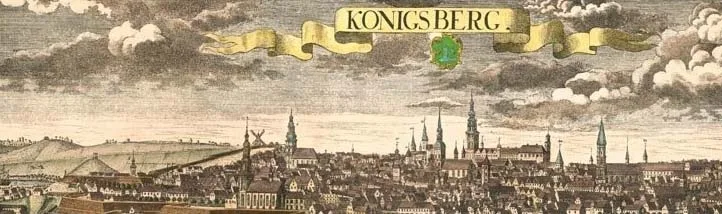
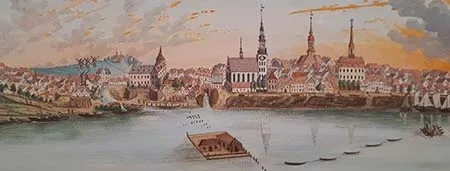
The return to Prussia and the occupation of Königsberg
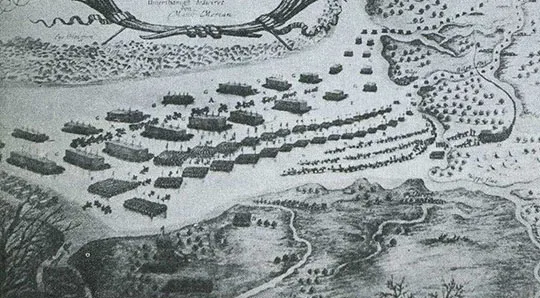
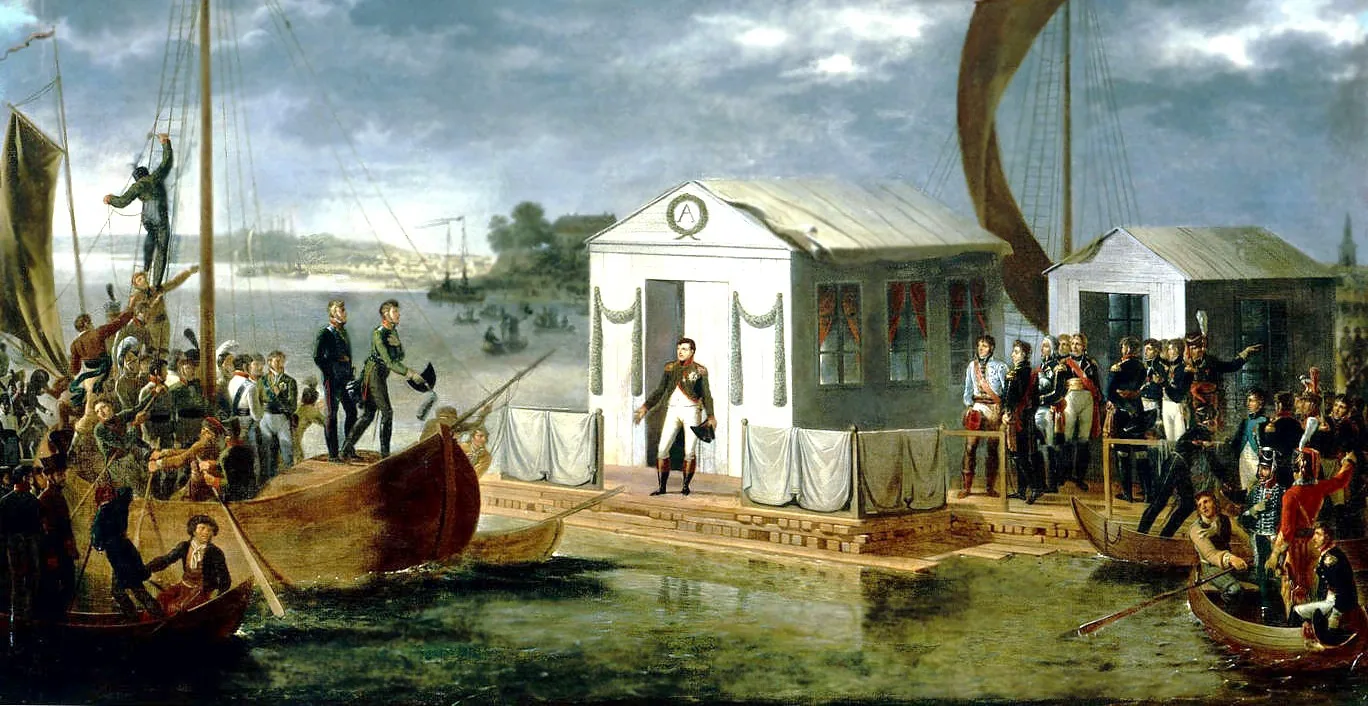
The events at Tilsit through the eyes of the saga's main characters
Karamzin's meditative journey to Europe by way of Königsberg in the late 1780s
An outstanding description of the town and the region
The most prosperous town in Prussia through the eyes of a Russian traveller
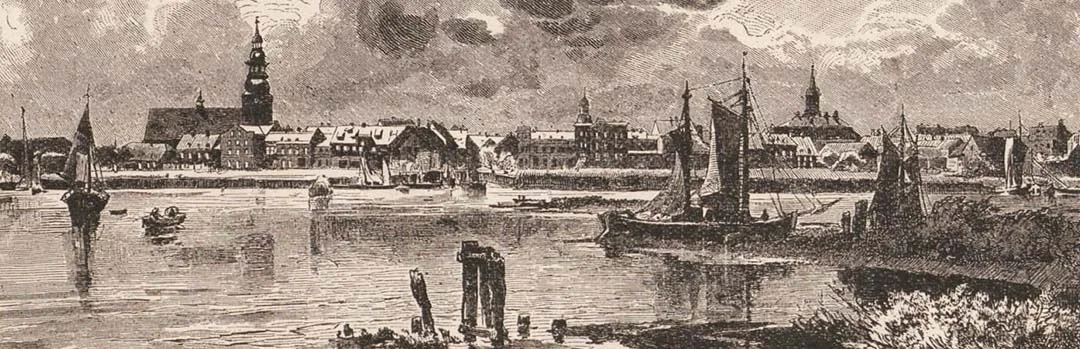
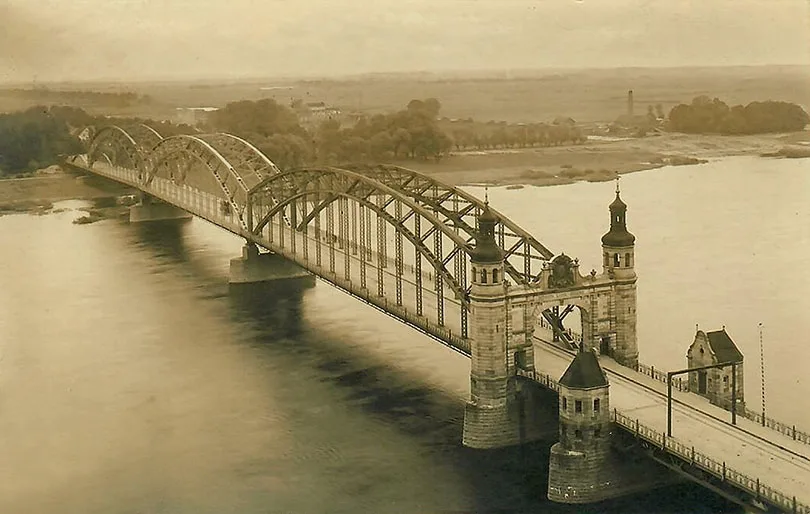
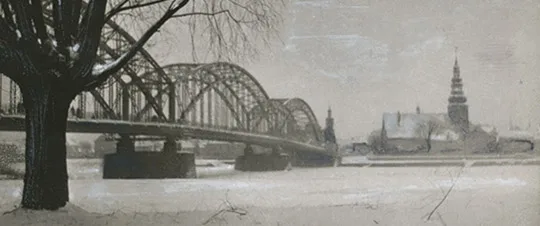
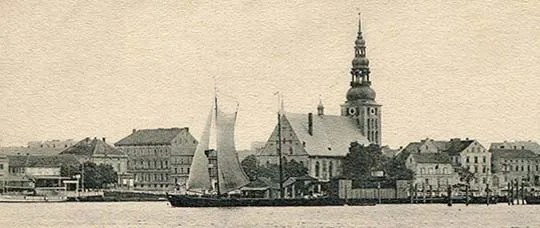
An excursion to the banks of the Neman, to legendary Tilsit, now Sovetsk, and to Ragnit Castle
A city of regional significance where the Tylzha River flows into the Neman
How the Great Elector chased the Swedes across the ice by sleigh
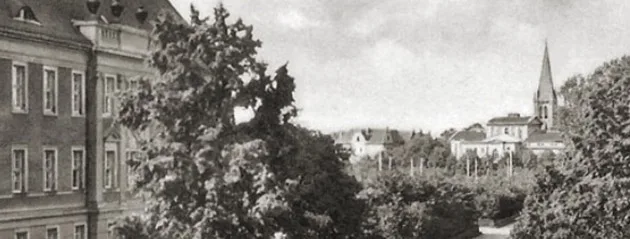
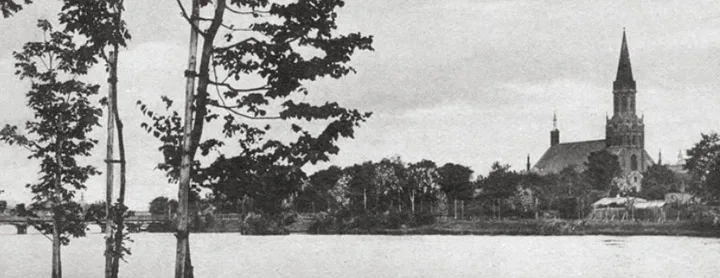
Badly damaged during the Second World War; all that remains of it is the tower, without its spire
Partly destroyed after WWII. In the 1960s–70s it was dismantled for bricks. Its railings went to make a school fence
It survived the Second World War intact; in the 1970s it housed one of the workshops of the Raduga factory
It came through the Second World War undamaged, but in the winter of 1950–51 it was set on fire by teenagers
It was intact after 1945. In the post-war years it was stripped for firewood and bricks, and what remained was demolished in the 1960s
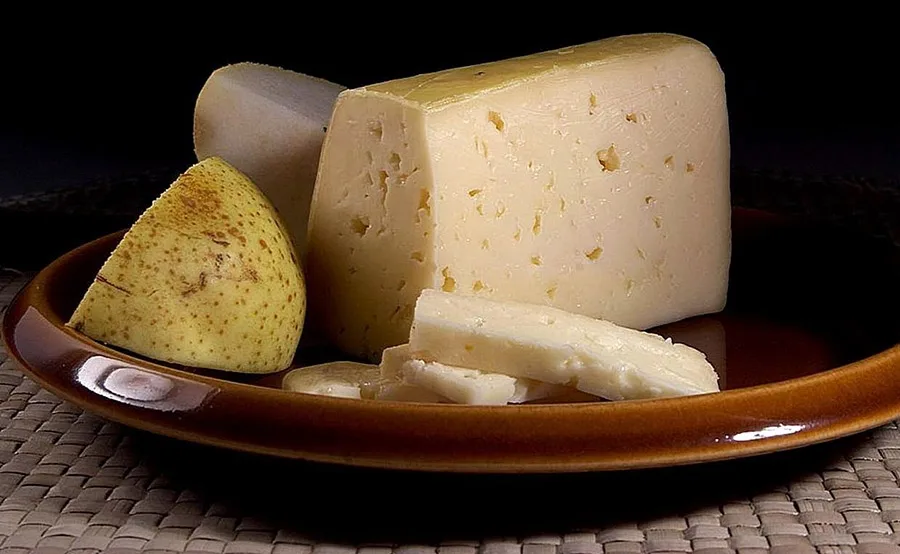
The most plausible accounts of how the famous East Prussian cheese came to be, and one old legend
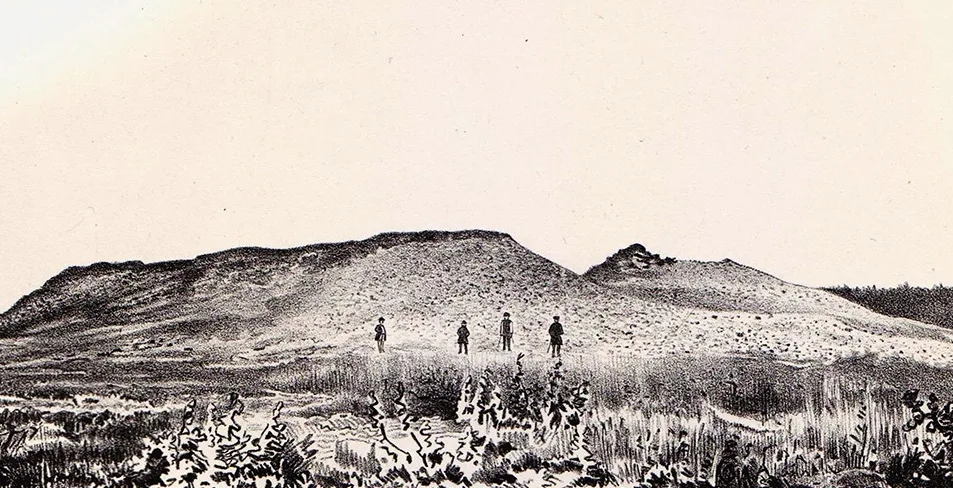
Cursed princesses, sunken castles and chthonic gifts. This time from the east
In the East Prussian campaign of 1806–1807, Russia fought Napoleon himself on equal terms
This site stores only your settings in your browser — interface language and font size. No tracking, no advertising.