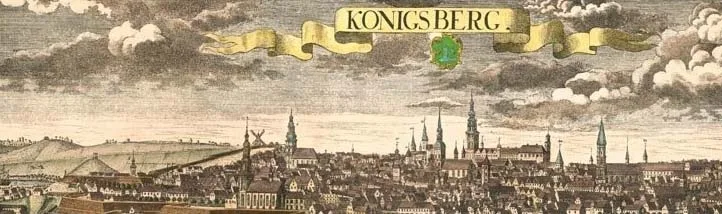
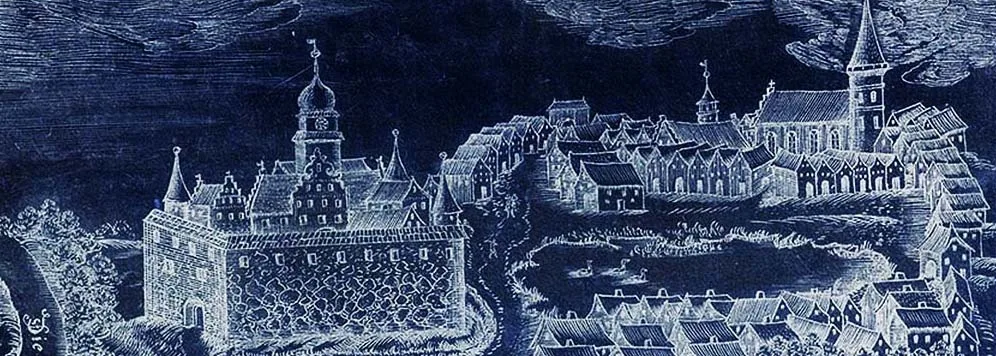
The return to Prussia and the occupation of Königsberg
An abandoned site that was once a royal fishing village
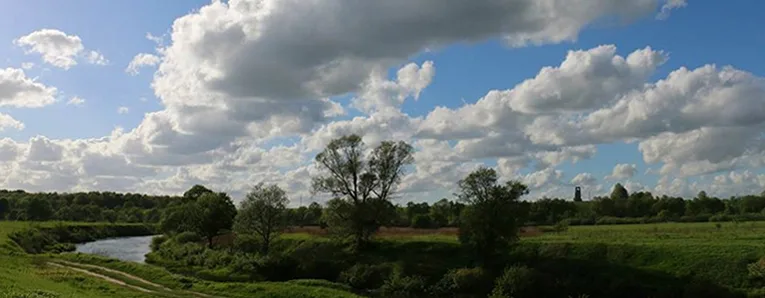
A well-hidden gem of the Elk Valley
A village west of Kaukehmen (Yasnoye) that became famous thanks to a fairy tale about the local water spirit Schlompetters
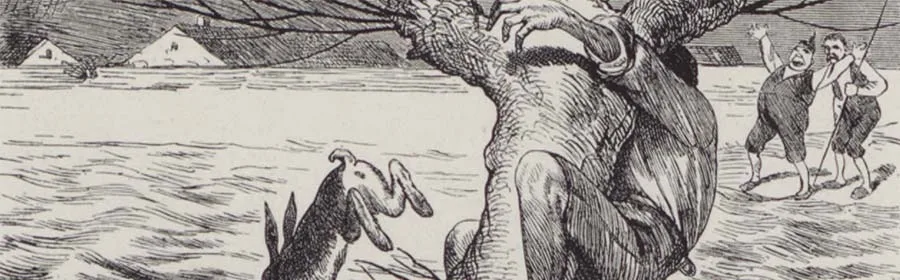
The legend of the merry water sprite of Algawischken
A word of advice for anyone going to build in Neman
An outstanding description of the town and the region
The most prosperous town in Prussia through the eyes of a Russian traveller
An excursion to the banks of the Neman, to legendary Tilsit, now Sovetsk, and to Ragnit Castle
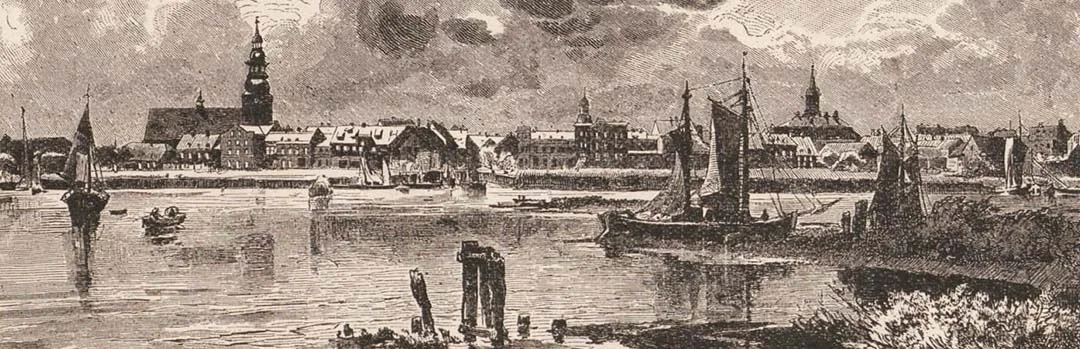
A city of regional significance where the Tylzha River flows into the Neman
Ragnit was granted town rights in 1722 by Frederick William I, who went down in history as the Soldier King
A settlement in the Slavsk Urban District at the mouth of the Razliv River (Karkelstrom)
A quintessential local fishing village at the mouth of the Gilge River, now renamed the Matrosovka
A settlement in the Krasnoznamensk Urban District on the Neman River
Badly damaged during the Second World War; all that remains of it is the tower, without its spire
Partly destroyed after WWII. In the 1960s–70s it was dismantled for bricks. Its railings went to make a school fence
It survived the Second World War intact; in the 1970s it housed one of the workshops of the Raduga factory
It came through the Second World War undamaged, but in the winter of 1950–51 it was set on fire by teenagers
It was intact after 1945. In the post-war years it was stripped for firewood and bricks, and what remained was demolished in the 1960s
Built in the late 1930s. After the war it was a military depot. Today the building houses an Orthodox church
Of the handsome church built at the beginning of the 20th century, not one stone was left standing on another
An imposing building of the 1840s. In the first half of the 20th century the village was even renamed after it
It was built for settlers from Salzburg; after the Second World War it was used as a House of Culture
In 1945 Ragnit church was undamaged, but in the 1950s it began to be converted into a furniture shop and a hostel
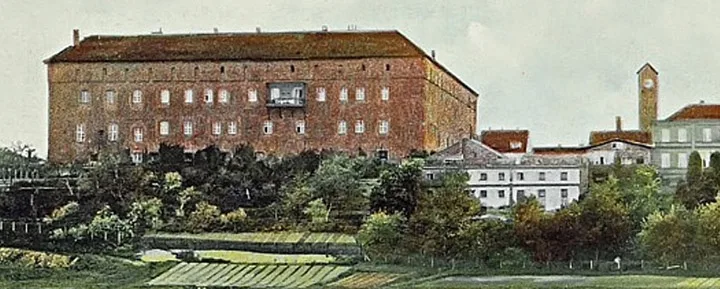
An outpost of the Teutonic Order and a mustering point for knightly forces on campaigns into Lithuania
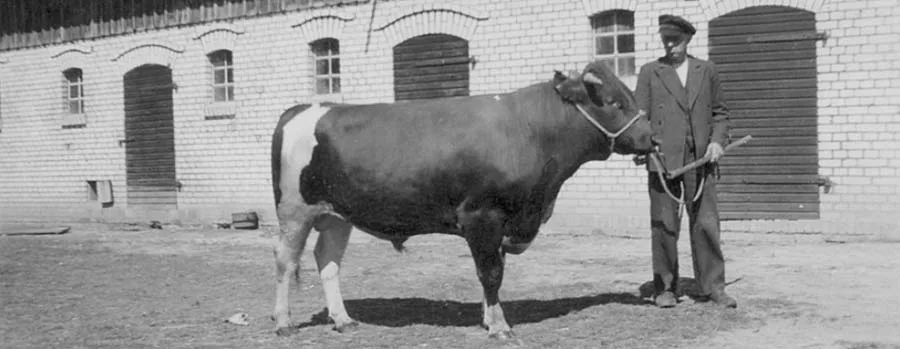
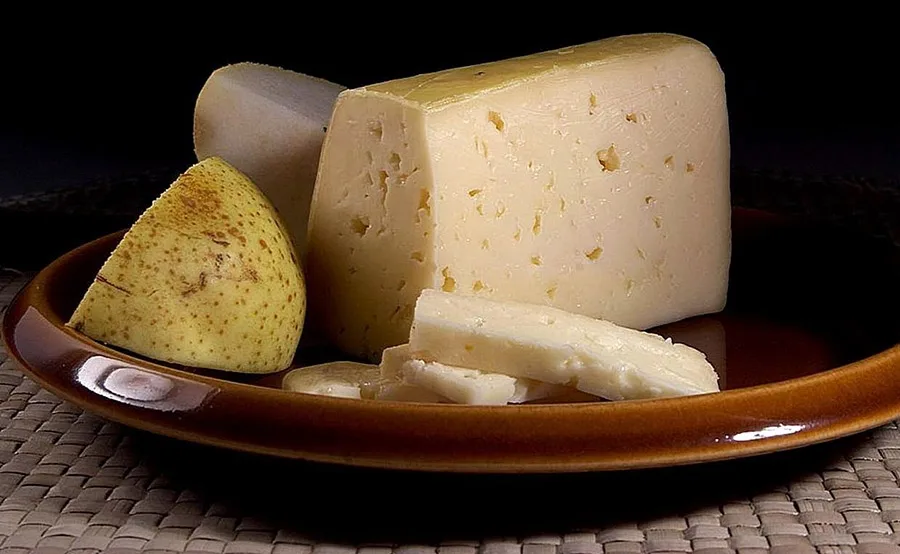
The most plausible accounts of how the famous East Prussian cheese came to be, and one old legend
Once a popular place for an outing, the Bismarck towers still have tourist potential today. All that is needed is to preserve the little that remains…
Cursed princesses, sunken castles and chthonic gifts. This time from the east
This site stores only your settings in your browser — interface language and font size. No tracking, no advertising.