#Калининградская область
«Августовские пушки»

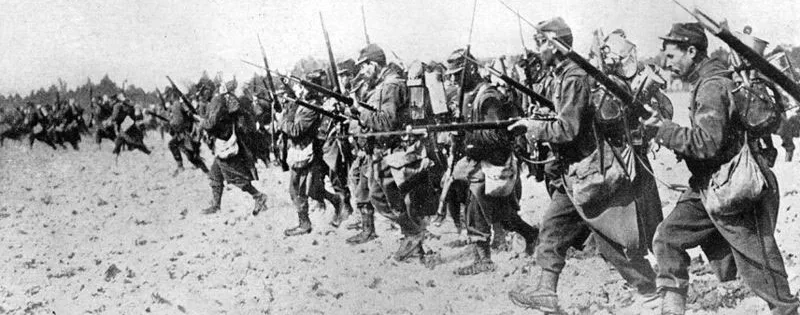
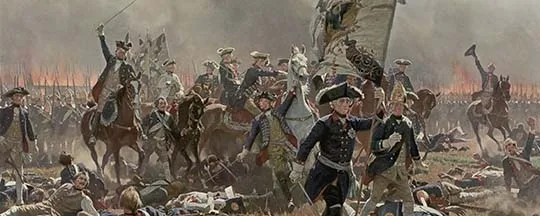
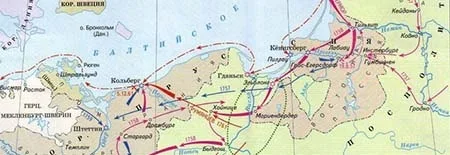
Летняя кампания 1914 года на территории Восточной Пруссии

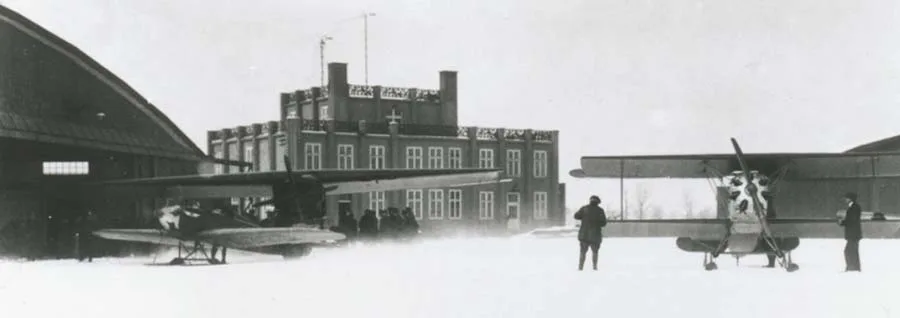
The First Aviators of East Prussia

From Violet Hill to the Devau airfield

The "Ostpreußenflug" — a contest for pilots, a test for aircraft

A three-day winter air race between two aces

Zarechenskoye (Groß Sobrost)

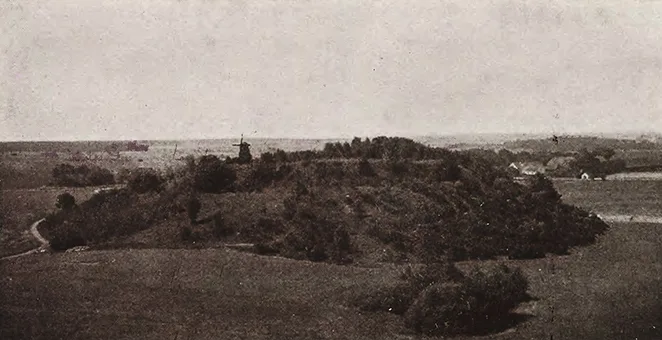
The former Groß Sobrost estate and its hillfort, known as the “Swedish fortification”

Kulikovo (Strobjehnen)

A village in the Zelenogradsk District. Railway station on the Zelenogradsk – Pionersky line

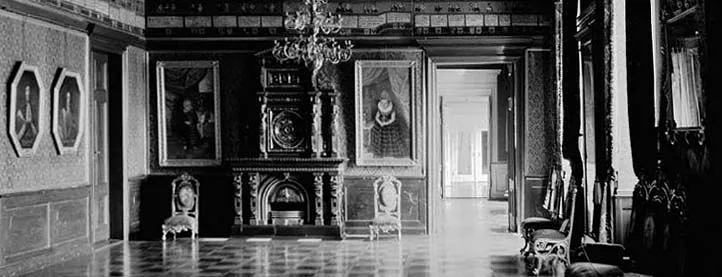
The Castle Interiors in the Mid-20th Century

A church, a museum with storerooms and a library, a court, a restaurant and several offices

The Continuation of the Story of My Military Service and My Stay in Königsberg

Bolotov's stay in Prussia ended together with the war

The Continuation of the Story of My Military Service, and the Prussian Campaigns

The return to Prussia and the occupation of Königsberg

The Continuation of the Story of My Military Service in Königsberg under Korf

The adventures of a twenty-year-old Russian lad in Prussia at the time of the Seven Years' War

The Continuation of the Story of My Military Service, and the Prussian Campaigns

The beginning of the Seven Years' War. The summer campaign of 1757. The Battle of Gross-Jägersdorf

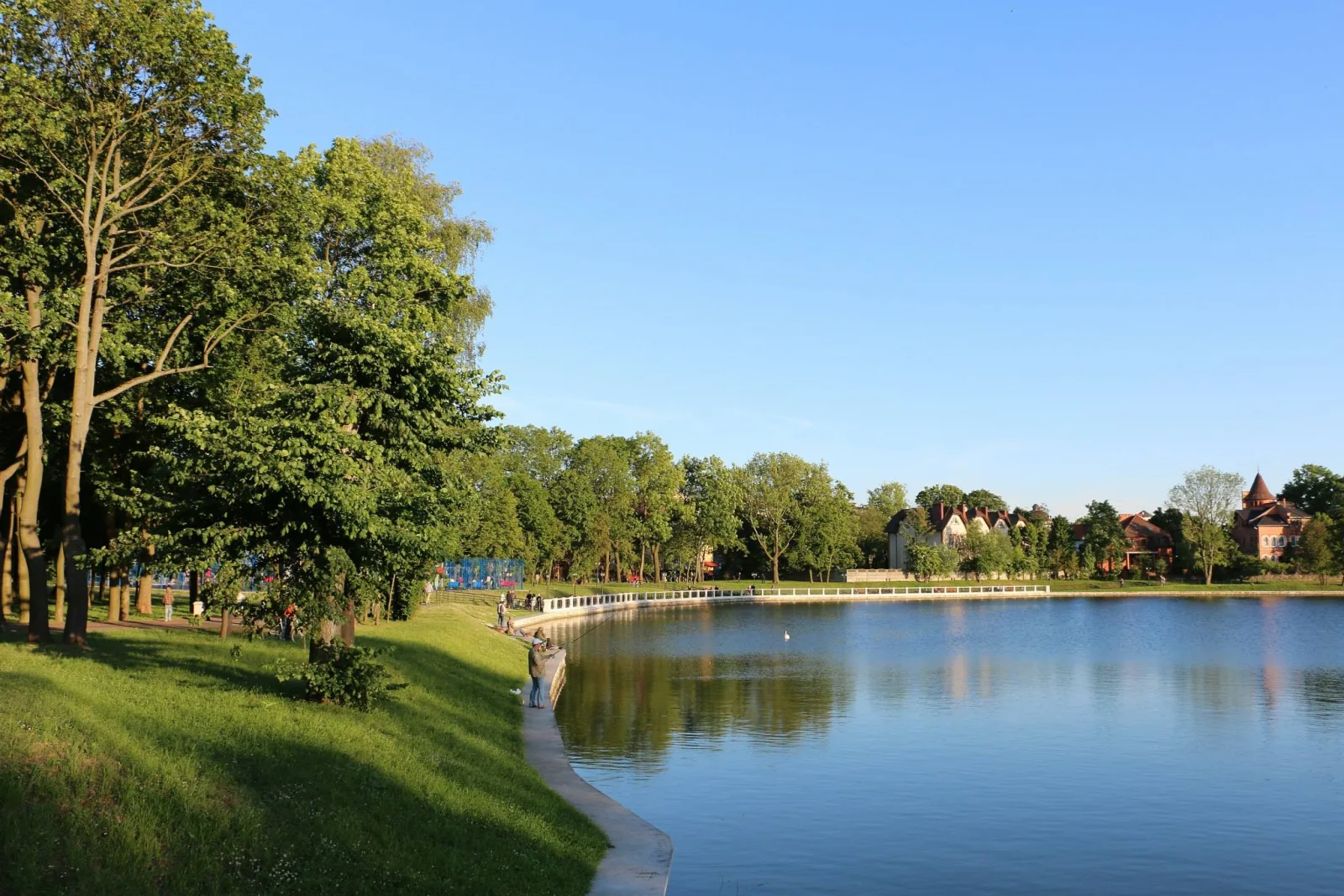
Our Luisenwahl Park

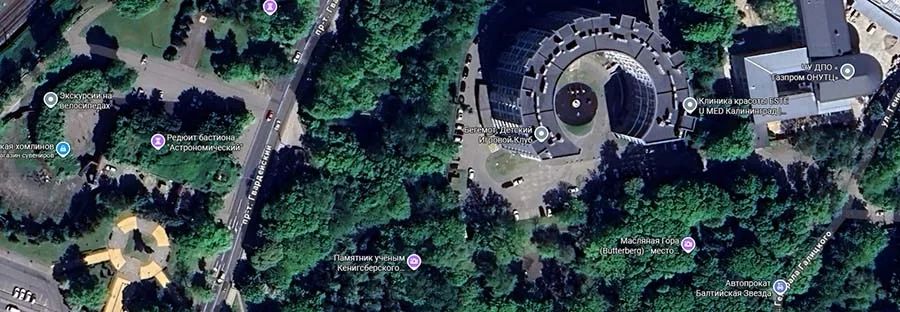
The history of Kaliningrad's Central Park

Mill Quarter

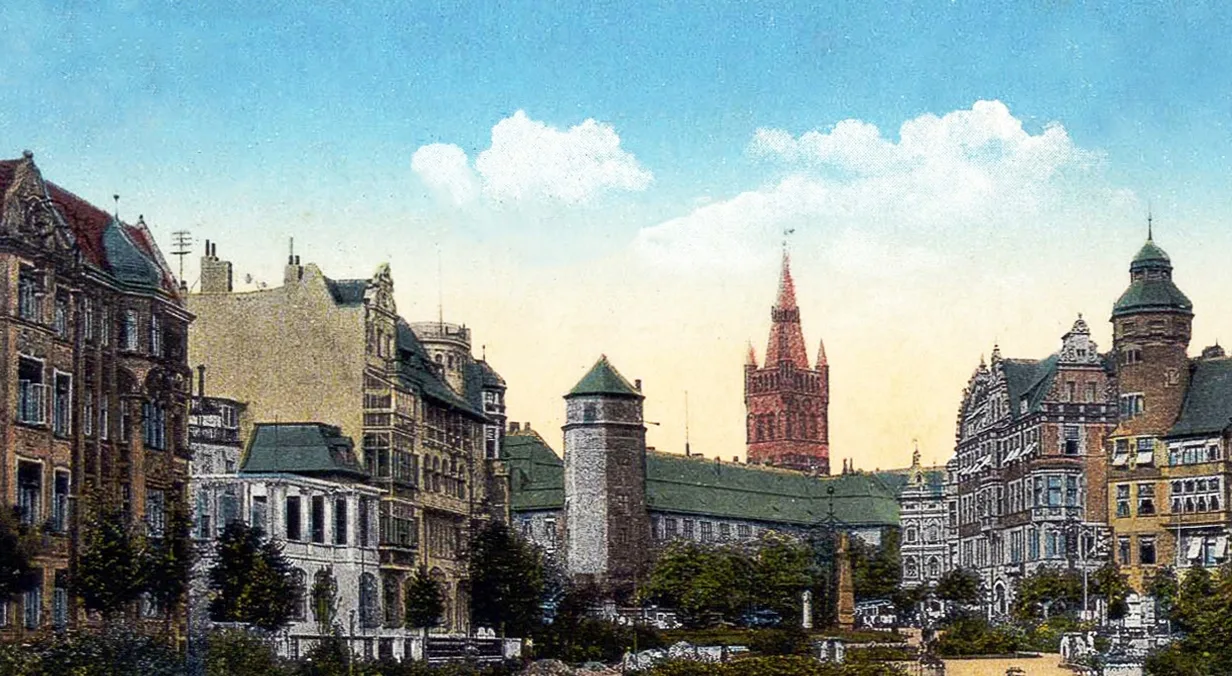
Between Bergplatz and Schlossplatz

The Botanical Garden

Herbert Mühlpfordt's version

New Market

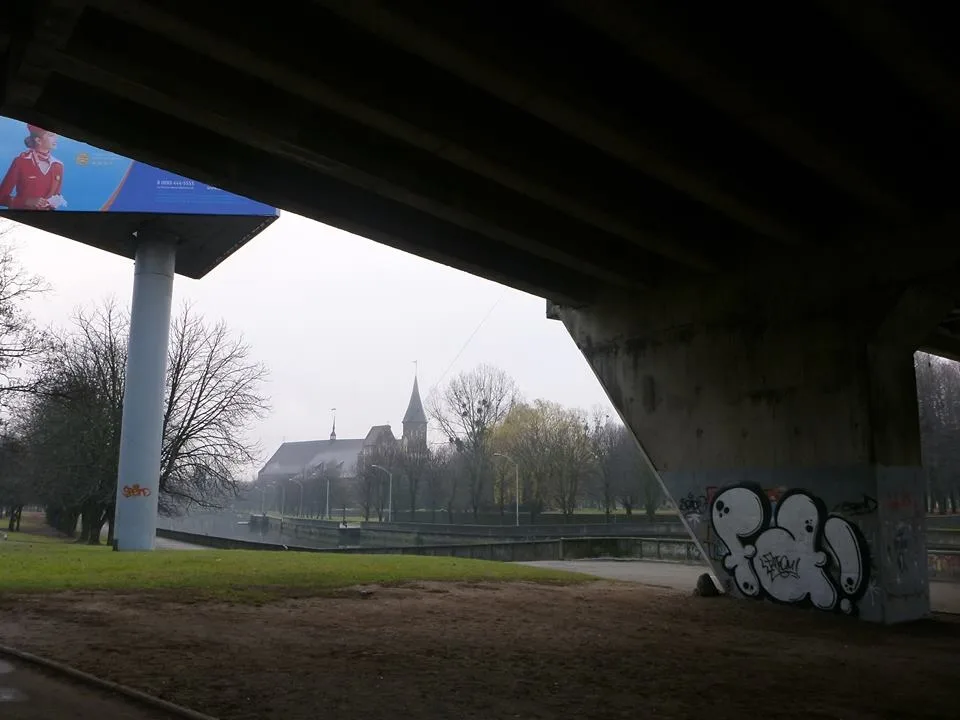
Admiral Tributs Embankment west of the Second Overpass

Colourful Königsberg

Why the gate was Green, the tower Yellow and the crane Red

The Maigraf

A tradition preserved since pre-Christian times

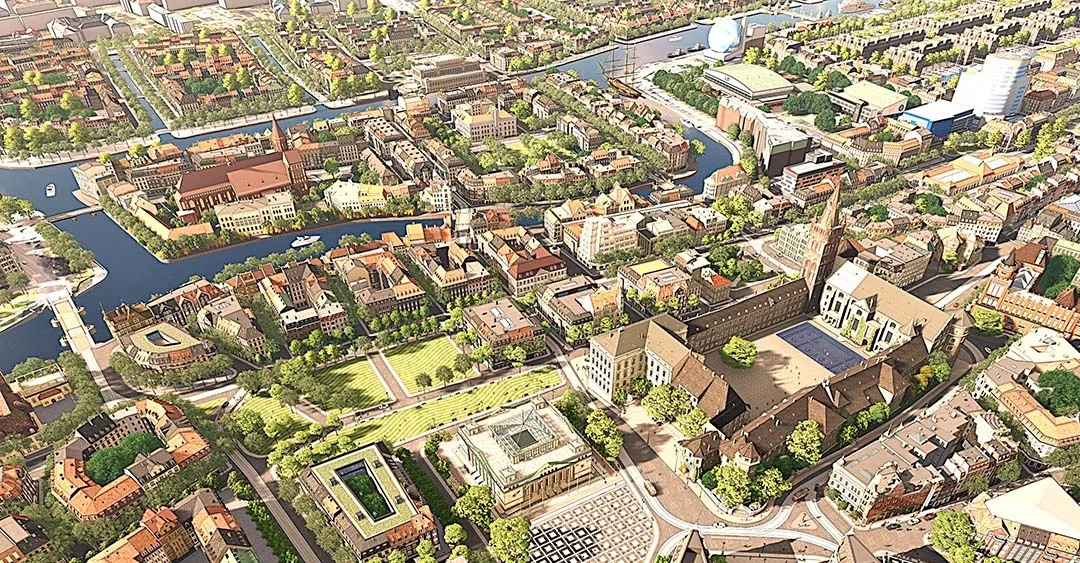
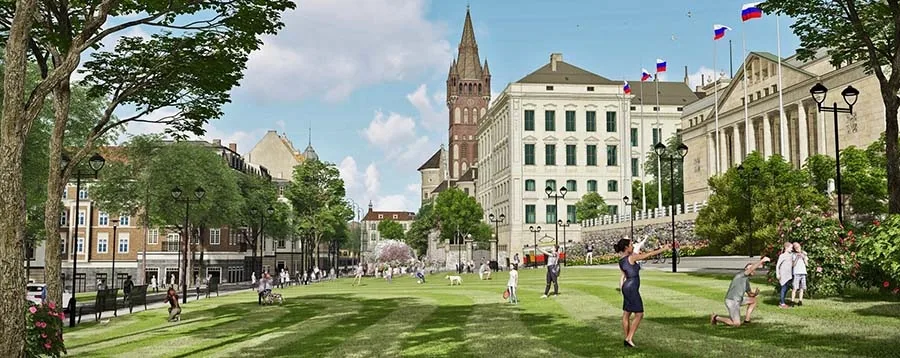
Our City in 100 Years

Recreating Kaliningrad's historic centre: a dream that can become reality

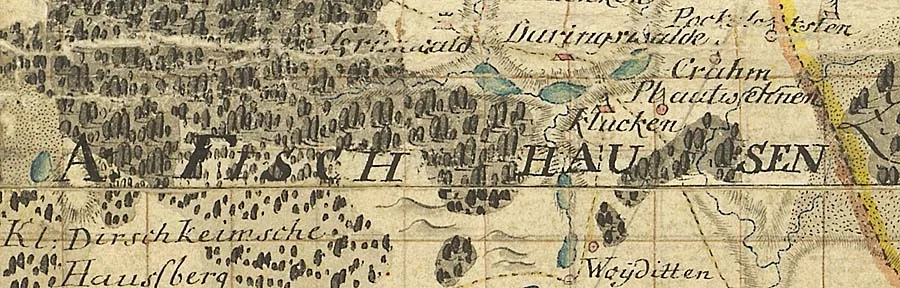
Klyukvennoye (Klycken)

A settlement in Zelenogradsk Urban District, west of Grachevka

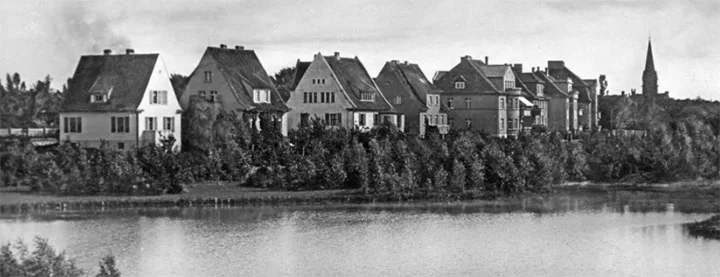
Amalienau: A Garden City Beside a Fortress City

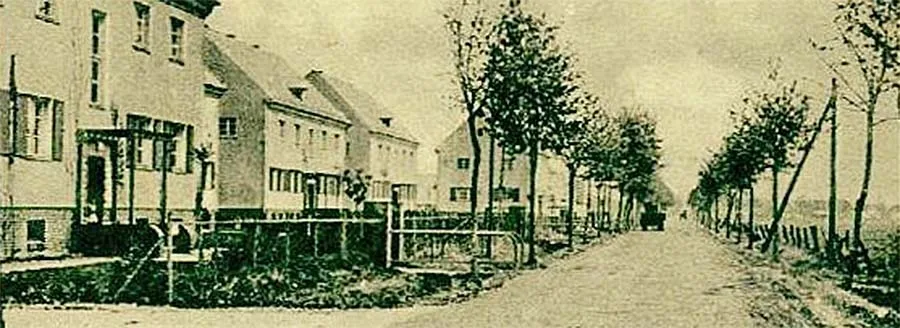
A villa colony that became an iconic district

Corners of Königsberg

Unusual oases in the stone thickets of the Innenstadt

Bessel and Königsberg

Through hardships to the stars

Bolshiye Berezhki (Alt Lappienen)

One of the key points on the map of the Elk Valley

Rybachye (Loye)

An abandoned site that was once a royal fishing village

Zalivino (Tawe)

A fishing village that vanished at the end of the 20th century

Prichaly (Inse)

A well-hidden gem of the Elk Valley

Schwarzort (Juodkrantė)

A cosy fishing village on the Lithuanian part of the Curonian Spit

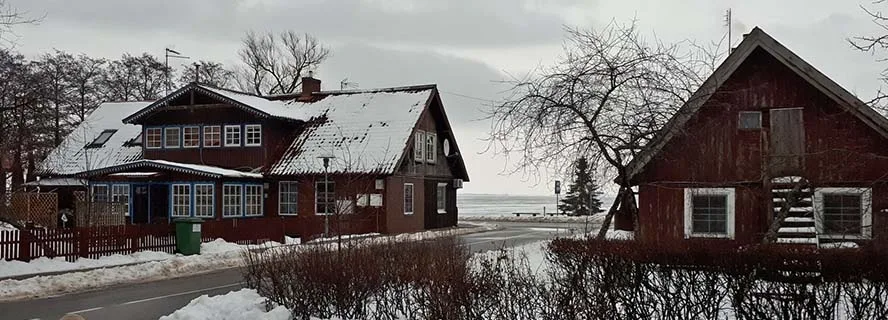
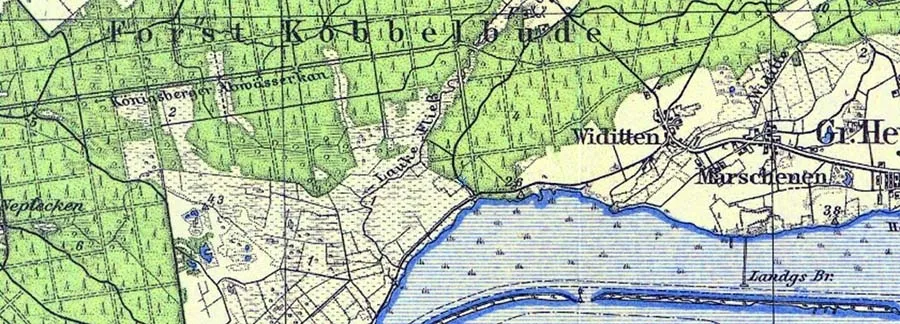
Izhevskoye (Widitten)

At the fork to Svetly and Baltiysk

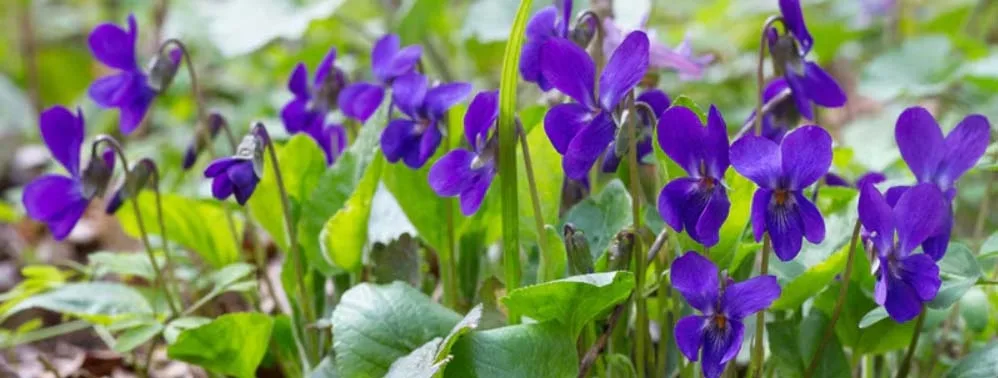
Violet Hill

Herbert Mühlpfordt presents

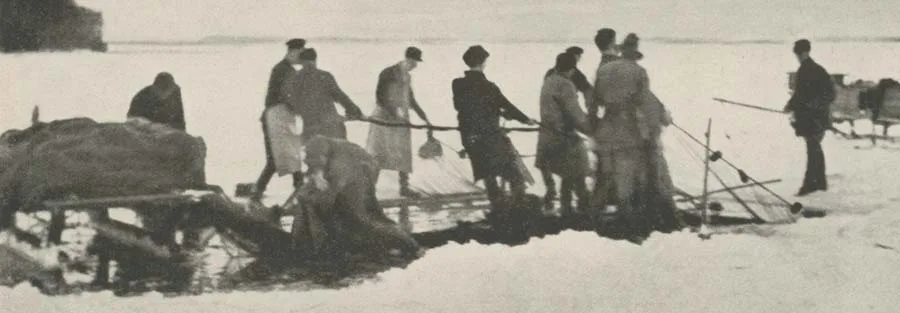
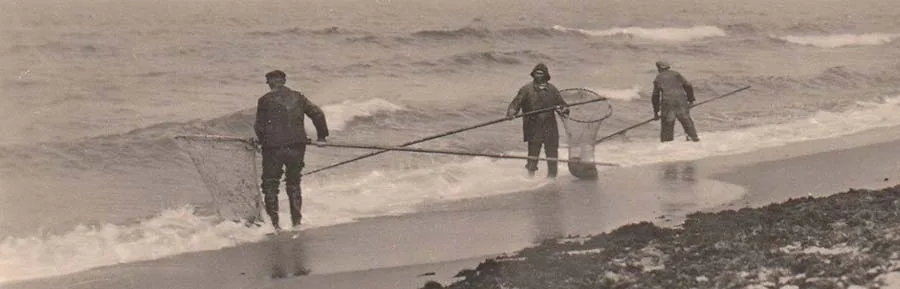
Ice Fishing on the Curonian Lagoon

A poor fisherman is one who is afraid of getting his socks wet

Scholars' Cemetery

Where Bessel, Hippel, Rosenkranz were laid to rest...

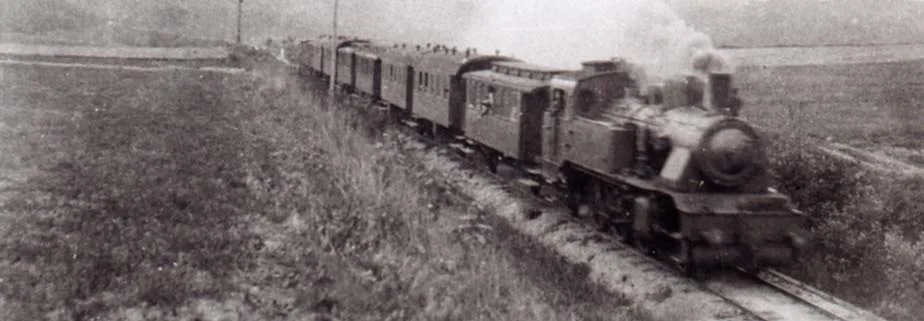
The Opening of the Samland Railway

From Königsberg to Rauschen in just three hours!

A Picnic in Juditten

A day trip to a green oasis on the Old Pillau Road

Juditten

West of Amalienau, Lawsken and Ratshof

Königsgarten

The King's Garden of Königsberg, which would later become Parade Square

The “Siegel” Coffee House on Französische Straße

A cult venue on Französische Straße

Svobodnoye (Gross Mischen)

In the early 20th century the estate was owned by the well-known inventor Georg Knorr

Gribki (Gross Allgawischken)

A village west of Kaukehmen (Yasnoye) that became famous thanks to a fairy tale about the local water spirit Schlompetters

Petrovo (Zielkeim)

A settlement in the Zelenogradsk Urban District on the old road to Cranz

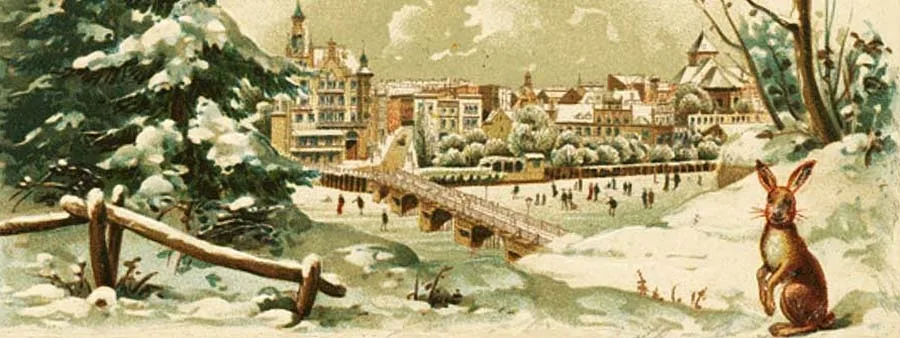
Attic Hares

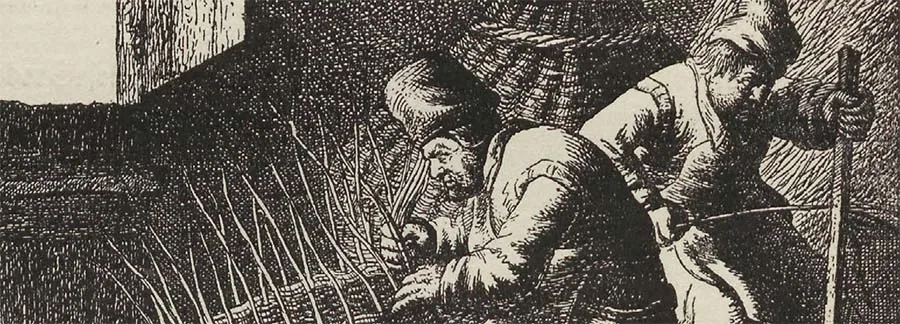
Prussia has had, has and will always have its unlicensed workers

A Short Walk Through Our Provincial Capital

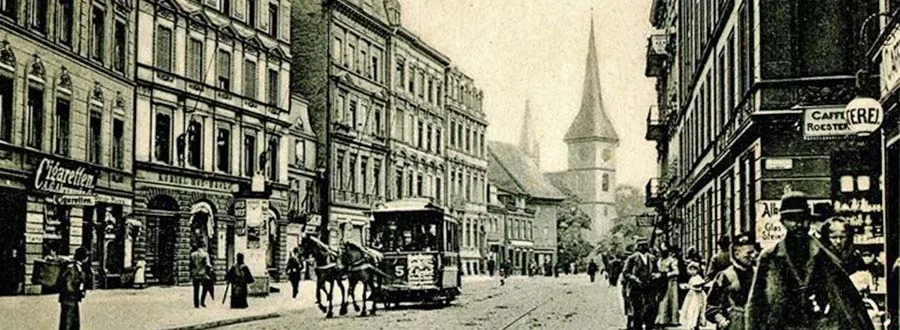
Königsberg in the Belle Époque

Kolosovka (Willgaiten / Wiekau)

The heart of Königsberg's waterworks

Lyublino (Seerappen)

A settlement on the Sambian Peninsula west of Kaliningrad

Steindamm

One of the main streets of Königsberg and the district of the same name

Grachevka (Kraam)

In the heart of Samland

Vzmorye (Gross Heydekrug)

The first large locality after Kosma on the road from Kaliningrad to Baltiysk

The Cat’s Steps in Löbenicht

The narrowest street in Königsberg

Strelnya (Schultitten)

A settlement near the legendary Prussian sanctuary of Romowe

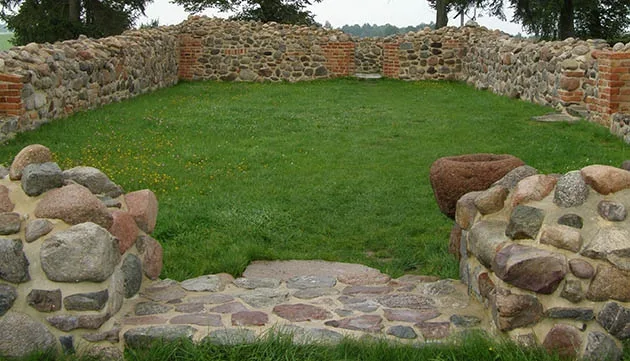
Krasnotorovka (Heiligenkreutz)

According to legend, the first cross in Samland was erected here

Nivenskoye (Wittenberg)

On the road from Kaliningrad to Bagrationovsk

Juditten. Off the Beaten Tourist Track

The Theodor Krohne Park and Luisenthal

Hufen. From Luisenwahl to the Tiergarten

A district built along and between the roads leading to Samland

Neue Sorge and Herzogs-Acker

From Rossgarten to the Litauer Wall, north of King Street, home to the Kronprinz barracks and the Grolman bastion

Balga

The surroundings of the famous castle of the same name

Beregovoye (Tenkitten)

A place of remembrance of Saint Adalbert

Amber

A semi-precious fossilised resin of coniferous trees

Svetly (Zimmerbude)

A town on the banks of the Kaliningrad Sea Canal

Yuzhny Park

Haberberg's green shawl

Dunayevka (Thierenberg)

A settlement in the most deserted part of the Sambian Peninsula

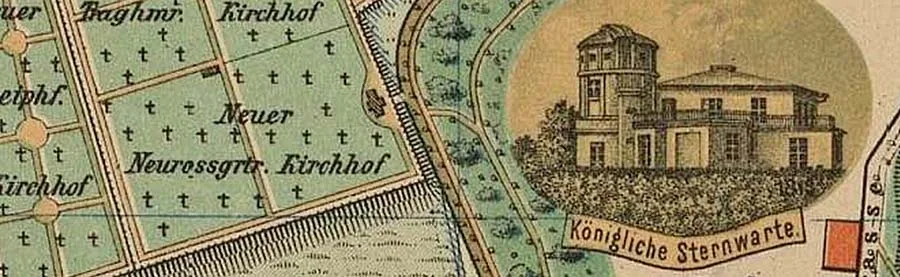
The People's Garden

A park around the observatory in the western part of the city

The Ducal, or Royal, Garden

The history of Universitetskaya Street, which was once Parade Square

The Botanical Garden of Königsberg's Albertina University

A Neurossgarten treasure hidden in the courtyards of Moskovsky Avenue

Sinyavino (Gross Hubnicken)

The centre of amber mining before the Palmnicken era

How We Can Recreate the Historic Center

Reviving Kaliningrad's historic center

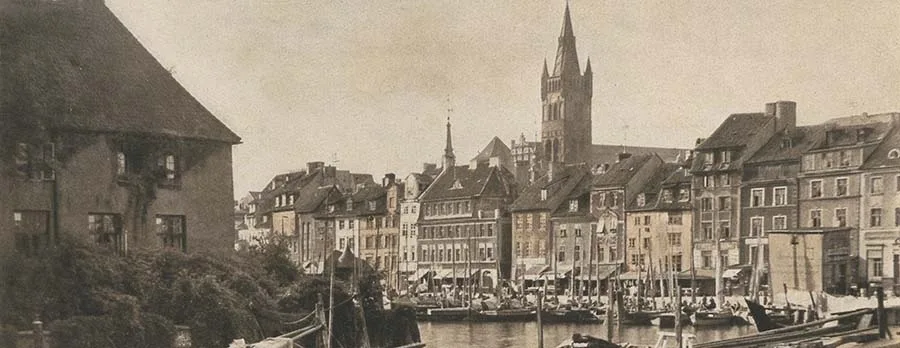
Altstadt (1286–1944)

The oldest town on the Pregel. The heart of Königsberg, which beat for 700 years between the castle and the river

Kaliningrad Zoo (Tiergarten)

An English landscape park in the Chinese style with a German accent

Otradnoye (Georgenswalde)

The western part of Svetlogorsk, where the famous Königsberg sculptor Hermann Brachert lived in the 1930s. Today there is a museum here

Filino (Klein Kuhren)

Where there is a Gross Kuhren, there is a Klein one too

Primorye (Gross Kuhren)

Between Svetlogorsk and Yantarny. "Baltic Artek", the beach of Filino Bay, the Zipfelberg dune – it is all here

Rybnoye (Loppöhnen)

Between Svetlogorsk and Pionersky. In the Soviet period the place was known locally as the Boatswains' Village

Zaostrovye (Rantau)

A settlement separated from Cape Gvardeysky by an extensive pine grove with a modern lighthouse

Lesnoye (Warnicken)

One of the iconic places of Sambia, which gave its name to the large forest in the north-west of the peninsula

A Journey to Königsberg

Kant's city in the post-Napoleonic era

From Dirt Track to "Reichsstrasse No. 1"

When good roads came to Prussia

Memel (in the 1880s)

What Klaipėda was like at the end of the 19th century.

Tsentralny Park (Luisenwahl)

The sad story of an old park.

Königsberg Street Food

The Fish Market as the epicentre of street food

Ushakovo (Brandenburg)

Where oil is extracted and yachts are built

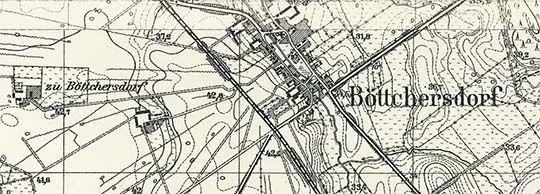
Sevskoye (Böttchersdorf)

The first church here was built under Ulrich von Jungingen, when he was still Komtur of Balga Castle

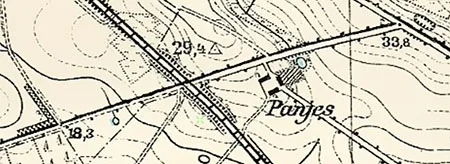
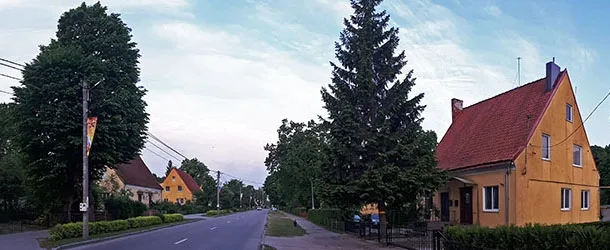
Osokino (Panjes)

A cosy, picturesque settlement on the way out of Yantarny towards Primorsk

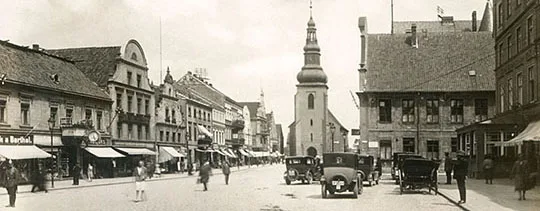
Chernyakhovsk (Insterburg)

A city that emerged at the confluence of the Instruch and Angrappa rivers
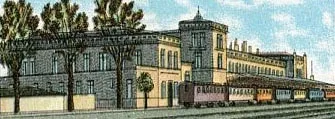
Chernyshevskoye (Eydtkuhnen)

Eydtkuhnen is first mentioned in 1557 as the settlement of Eittkau

Yantarny (Palmnicken)

The place became known in the 19th century, when the amber miners Stantien & Becker moved here from the Curonian Spit

Guryevsk (Neuhausen)

The little town has had a controversial reputation since the time of the first Hohenzollerns. Especially its castle

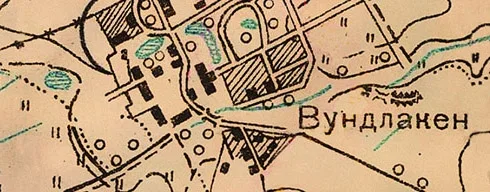
Wundlacken Estate

Wundlacken was founded in 1284. Until 1785 it was called Wundilauken

Gusev (Gumbinnen)

King Frederick William I of Prussia granted Gumbinnen town status on 6 April 1721

Slavsk (Heinrichswalde)

Capital of the polder lands of the Elchniederung, aka the Elk Valley

Morskoye (Pillkoppen)

Founded in 1283 as Neustadt Castle. Today the cosiest settlement on the Russian half of the Curonian Spit

Brüsterort Lighthouse (Cape Taran) and the Zipfelberg Iron Dune

An excursion to Cape Taran in the village of Donskoye and to the Zipfelberg iron dune in Primorye

Chernyakhovsk

An excursion to Chernyakhovsk, a district centre at the confluence of the Inster and the Angrapa, which form the Pregel

Curonian Spit

All the most interesting and memorable sights from the Royal Pine Forest to Olenya Buda

The Polish Border and the Masurian Canal

An excursion towards the Masurian Lakes, to the towns of Pravdinsk and Zheleznodorozhny

The Rominta Forest and Lake Vishtynets

One of the few places in the region where the spirit of Old Prussia still survives

Svetlogorsk and Pionersky

An excursion to Pionersky and Svetlogorsk, two towns that are growing ever closer

Baltiysk and the Vistula Spit

There is hardly anything in the Kaliningrad Region more picturesque than the local strait, along which ships constantly ply

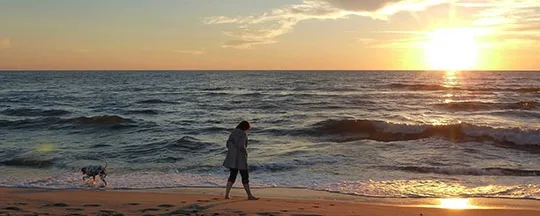
The Best Beaches: Donskoye, Yantarny, Vitland

The best beaches of the Kaliningrad Region are on the western coast of Sambia

Zelenogradsk and the Spit

Remarkable neighbours: unspoilt nature and the region's leader in urban improvement

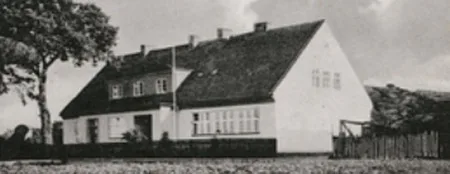
Ilyichyovo (Waldwinkel)

A quiet corner of the Polessk District that became famous thanks to the Old German School Waldwinkel museum

The Curonian Spit

The largest sand spit in the world. A national park.

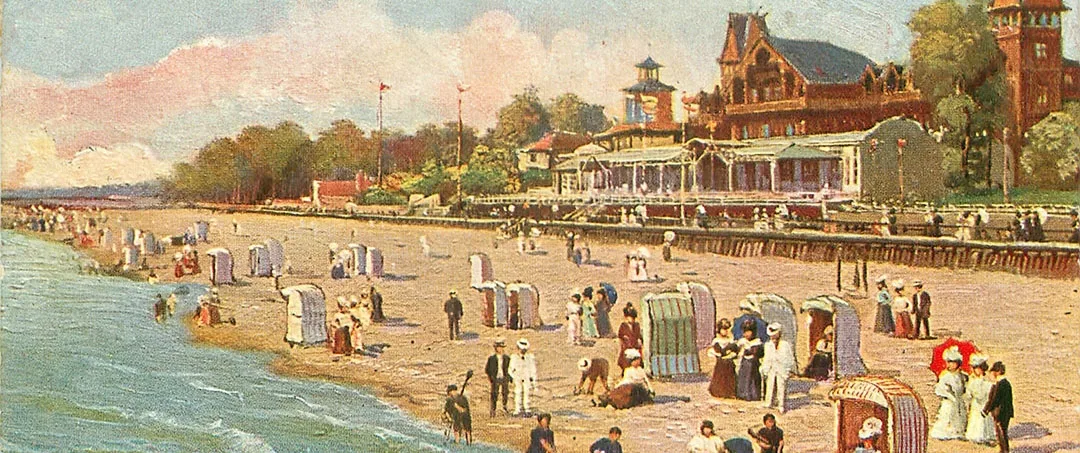
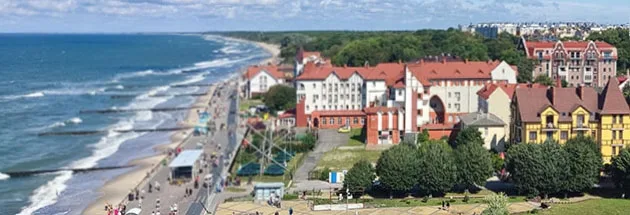
Zelenogradsk (Cranz)

A popular seaside resort at the base of the Curonian Spit, a.k.a. the "City of Cats", the leader in urban improvement in the Kaliningrad Region

Sovetsk (Tilsit)

A city of regional significance where the Tylzha River flows into the Neman

Neman (Ragnit)

Ragnit was granted town rights in 1722 by Frederick William I, who went down in history as the Soldier King

Krasnoznamensk (Lasdehnen)

Soviet historiography regards 1734 as the official founding year of Krasnoznamensk

Pravdinsk (Friedland)

The town is unique in that it did not grow up around a castle of the Order or of a bishop

Nesterov (Stallupönen)

In 1818 Stallupönen became the centre of the Kreis of the same name

Krylovo (Nordenburg)

The settlement by the ruined castle of Nordenburg received Kulm town rights on 24 July 1407

Ozyorsk (Darkehmen)

This small town on the Angrapa once gave shelter to Swiss Protestants, who turned it into a real "gem"

Zheleznodorozhny (Gerdauen)

The settlement by Gerdauen Castle was granted town rights on 21 September 1398

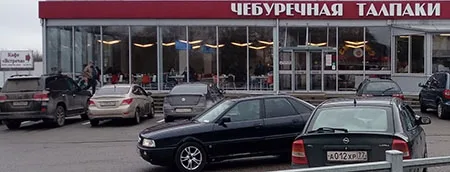
Talpaki (Taplacken)

A settlement at the turn-off to Sovetsk from the Kaliningrad–Chernyakhovsk–Gusev road, where the Glubokaya River flows into the Pregolya

Primorsk (Fischhausen)

One of the smallest towns in the Russian Federation

Polessk (Labiau)

The settlement by Labiau Castle received town rights on 28 July 1642

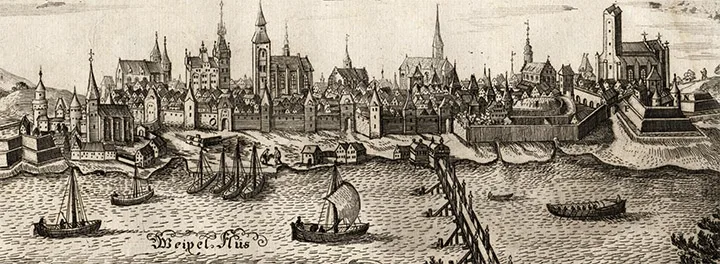
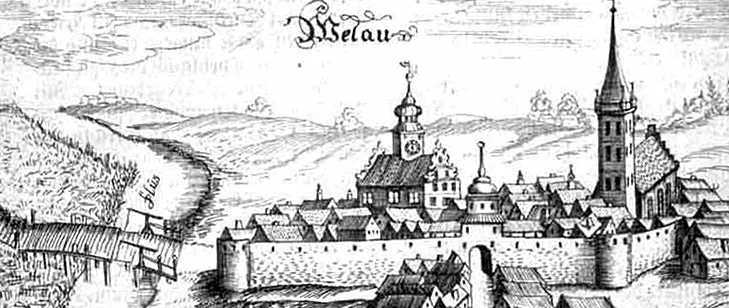
Znamensk (Wehlau)

In 1339 Wehlau received Kulm town rights from Grand Master Dietrich von Altenburg

Chistye Prudy (Tollmingkehmen)

A settlement in the Nesterov Urban District on the Russkaya River. Founded in 1589

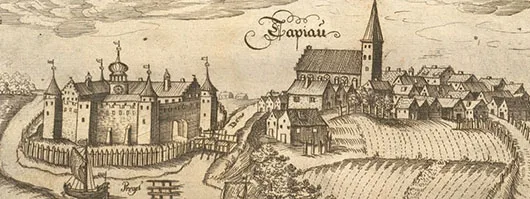
Gvardeysk (Tapiau)

Tapiau received town rights in 1722 from King Friedrich Wilhelm I

The Internal Structure of the Teutonic Order

How the Teutonic Order was organized

Pereslavskoye (Drugehnen)

A settlement near Galtgarben on the road to Svetlogorsk and Yantarny

Kholmogorovka (Fuchsberg)

A settlement in the Zelenogradsk Urban District with a beautiful but neglected park

Slavyanskoye (Fuchshöfen)

A settlement in the Guryevsk Urban District on the bank of the region's main river

Ulyanovo (Kraupischken)

A settlement in the Neman urban district at the confluence of the Instruch and Ulyanovka rivers
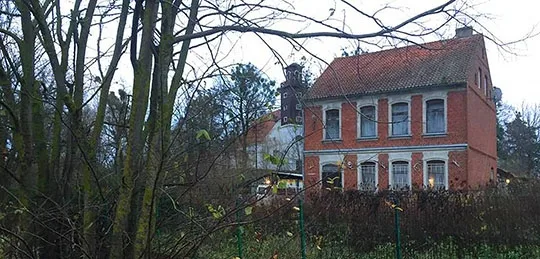
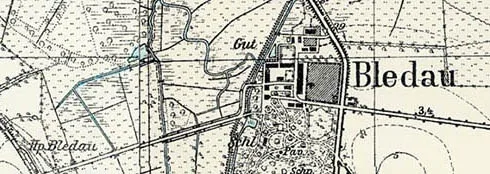
Sosnovka (Bledau)

A settlement within Zelenogradsk on the Zelenogradka River

Timiryazevo (Neukirch)

A settlement in the Slavsk urban district on the Slavsk – Yasnoye road

Sosnovka (Gross Baum)

A settlement in the Polessk Urban District

Sokolniki (Langendorf)

A settlement in the Gvardeysk Urban District on a high riverbank, home to the premium hotel "Romanovski Castle"

Slavinsk (Goldbach)

A settlement in the Gvardeysk Urban District on the Slavinka River

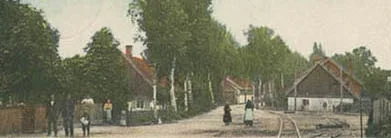
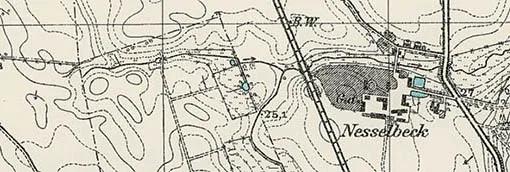
Orlovka (Nesselbeck)

A settlement in the Guryevsk Urban District on the Guryevka River, known for its hotel and restaurant

Kumachevo (Kumehnen)

A settlement in the Zelenogradsk Urban District on the Pereslavskoye – Primorsk highway

Russkoye (Germau)

A settlement in the Zelenogradsk Urban District

Mezhdurechye (Norkitten)

A settlement in the Chernyakhovsk urban district where the Golubaya River flows into the Pregolya

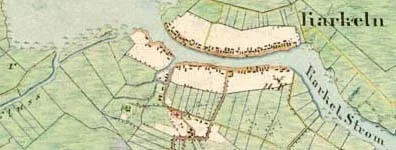
Mysovka (Karkeln)

A settlement in the Slavsk Urban District at the mouth of the Razliv River (Karkelstrom)

Chekhovo (Uderwangen)

A settlement in the Bagrationovsk Urban District on the Prokhladnaya (Frisching) River

Yasnoye (Kaukehmen)

Kaukehmen was known from 1466 as a castle of the Teutonic Order

Romanovo (Pobethen)

The locality of Pobethen is first mentioned in the chronicles of the Order in 1258

Logvino (Medenau)

A Prussian settlement existed on the site of Medenau as early as the 11th century BC

Saranskoye (Laukischken)

The locality of Lowke is first mentioned in documents in 1258

Melnikovo (Rudau)

A settlement in the Zelenogradsk District on the Zelenogradka and Slavnaya rivers
Salskoye (Sankt Lorenz)

A settlement in the Zelenogradsk Urban District south of Svetlogorsk. It once had the parish church of this part of Samland

Matrosovo (Gilge)

A quintessential local fishing village at the mouth of the Gilge River, now renamed the Matrosovka

Roshchino (Grünhoff)

One of the oldest places in Sambia

Nemanskoye (Trappönen)

A settlement in the Krasnoznamensk Urban District on the Neman River

Pyatidorozhnoye (Bladiau)

A settlement in the Bagrationovsk Urban District on the Kaliningrad – Mamonovo road

Kovrovo (Nautzau)

A settlement in the Zelenogradsk Urban District on the Zelenogradsk – Romanovo road

Kamenskoye (Saalau)

Founded in December 1352 as a bishop's castle on the site of the Prussian fortress of Wostopolo

Kotelnikovo (Wargen)

A field of artesian wells of Kaliningrad's water supply system

Zelentsovo (Obelischken)

A settlement in the Chernyakhovsk Urban District on the Podgornoye – Svoboda road and the Golubaya River

Zalivino (Labagienen)

A settlement with a landing stage on the Curonian Lagoon where the Deima River flows into it

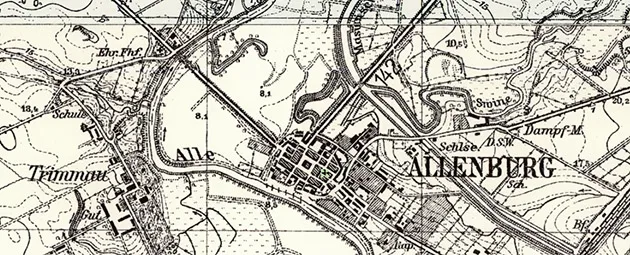
Druzhba (Allenburg)

Founded in 1272 as a castle of the Teutonic Order on the site of a Prussian fortress

Domnovo (Domnau)

The first settlement on the site of present-day Domnovo is mentioned in 1249

Dobrovolsk (Pillkallen)

A woodcutters' village that received town rights in 1725

Gvardeyskoye (Mühlhausen)

A settlement in the Bagrationovsk Urban District on the Rezvaya River, linked by family ties to Martin Luther

Raduzhnoye (Rominten)

One of the most beautiful spots in the Rominta Forest. Kaiser Wilhelm II built a hunting lodge here in the Norwegian style

Vladimirovo (Tharau)

A settlement in the Bagrationovsk Urban District on the Prokhladnaya River that became famous thanks to Simon Dach

Lesnoy (Sarkau)

The first settlement on the Russian side of the Curonian Spit, reached by a perfect cycle path

Krasnolesye (Groß Rominten)

A village in Nesterov District, the “capital” of the Rominten Heath

Bolshakovo (Gross Skaisgirren)

A charming settlement on the Kaliningrad (Königsberg) – Sovetsk (Tilsit) road

Rybachy (Rossitten)

A settlement on the Curonian Spit, famous for its gliding school and its ornithological station

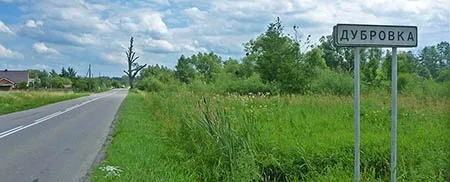
Dubrovka (Görken–Klaussen–Pilzen)

In 1947 Görken, Klaussen and Pilzen were merged and renamed Dubrovka

Ladushkin (Ludwigsort)

Founded in 1314. In 1946 it was renamed in honour of Ivan Ladushkin, who was killed in the fighting for the town

Mamonovo (Heiligenbeil)

A town in Bagrationovsk District on the Vitushka and Mamonovka rivers
Svetlogorsk (Rauschen)

A climatic and balneological resort of federal importance

Pionersky (Neukuhren)

The fishing village that stood on the site of Neukuhren is first mentioned in 1254 – it is older than Königsberg

Kornevo (Zinten)

The town's founding date is considered to be 1290, but little of it has survived

Slavskoye (Kreuzburg)

The town was founded in 1241 as a castle of the Teutonic Order

Kutuzovo (Schirwindt)

A town on the Sheshupe that did not survive the Second World War

Koziy Dvor (Goat Yard) Estate

A quiet spot on the bank of the Timber stream

The Making of the Great Elector

How the star of the Great Elector of Brandenburg-Prussia rose

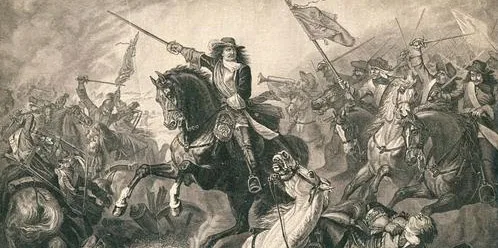
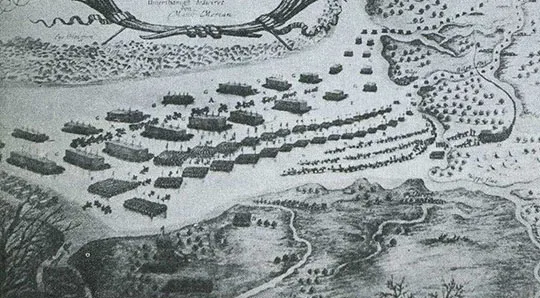
The Great Ice Manoeuvre

How the Great Elector chased the Swedes across the ice by sleigh

Balga Castle and Fort No. 1 “Stein” – a time to gather stones

Arthur Sarnitz on his plans for Fort No. 1 and Balga Castle

The Tragic Odyssey of the "Prussia"

The story of one of the world's largest archaeological collections, assembled in pre-war Königsberg

Catholic Church of Pillau

Badly damaged during the Second World War, which later led to its demolition

Reformed Church of Tilsit

Badly damaged during the Second World War; all that remains of it is the tower, without its spire

Catholic Church of Tilsit

Partly destroyed after WWII. In the 1960s–70s it was dismantled for bricks. Its railings went to make a school fence

Kreuzkirche of Tilsit (New Church)

It survived the Second World War intact; in the 1970s it housed one of the workshops of the Raduga factory

Lithuanian Church of Tilsit

It came through the Second World War undamaged, but in the winter of 1950–51 it was set on fire by teenagers

Groß Lenkeningken Church

Of the handsome church built at the beginning of the 20th century, not one stone was left standing on another

Inse Church

One of the few wooden churches in East Prussia

Alt Lappienen Church

Architecturally striking and famous for its burial monuments. A ruin, yet still standing and waiting

Groß Schorellen Church

Little remains of the large and beautiful church built at the beginning of the 20th century

Groß Warningken Church

In the 20th century the village and its church vanished from the maps

Kassuben Church

Of one of the most beautiful churches of East Prussia only a fragment of wall and the pastor's house remain

Groß Rominten Church

In the 2010s the local community nurtured the idea of setting up a First World War museum in it

Tollmingkehmen Church

One of the most unusual churches in the region, part of the Kristijonas Donelaitis Museum

Neu Argeningken Church

Surprised by the shape of the dome on the church tower in Novokolkhoznoye? In German times it looked almost the same

Groß Kryszahnen Church

It has survived to this day. It stands as if in a vacuum: the whole village around it was taken apart for bricks

Groß Friedrichsdorf Church

Undamaged in the Second World War, it stood unused and gradually fell into ruin in the post-war years

Gross Skaisgirren Churches

The large one is Protestant, the miniature Gothic one is Lutheran

Groß Berschkallen Church

In the first quarter of the 21st century it was a sorry sight. All hope rests with the "Guardians of the Ruins"

The Reformed Church of Insterburg

After the war it was used as a club with a dance floor and as a gymnasium. In 1989 it was handed over to the Russian Orthodox Church

The Catholic Church of Insterburg

The active Church of St Bruno was built to a design by Friedrich Heitmann at the very beginning of the 20th century

Groß Schönau Church

One of the hardest-to-reach monuments of medieval architecture in the region

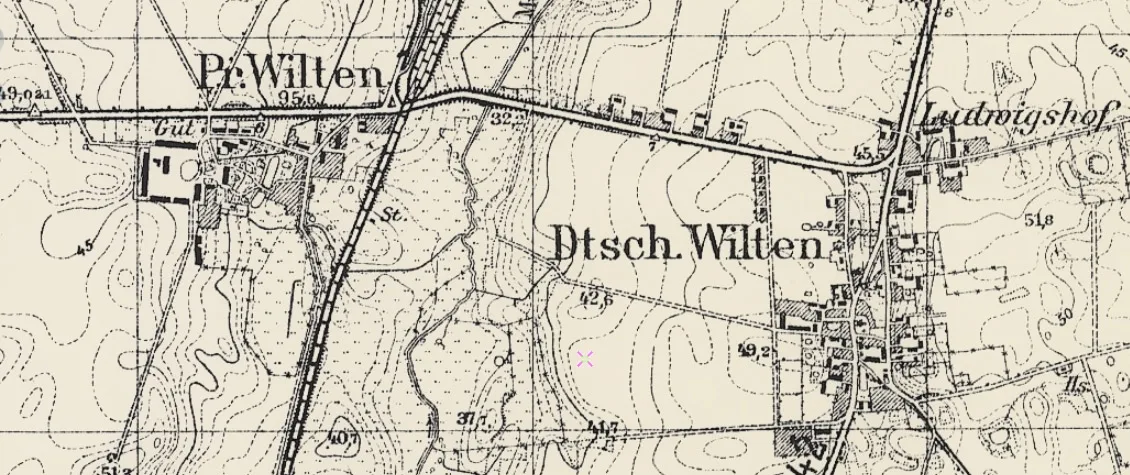
Deutsch Wilten Church

When it was rebuilt in the 19th century, masonry from the time of the Teutonic Order was partly reused

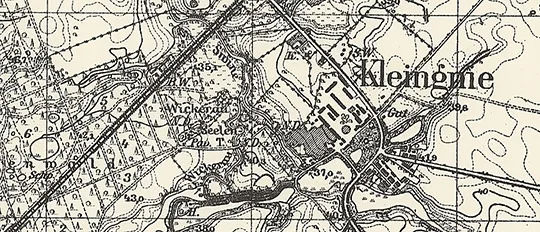
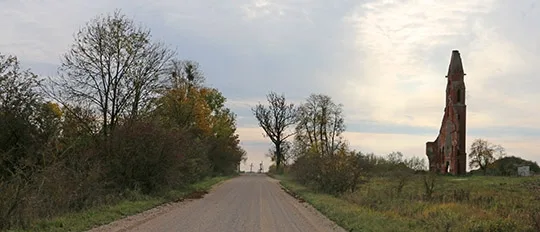
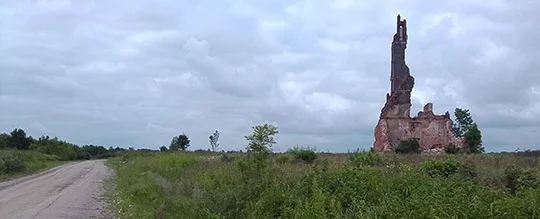
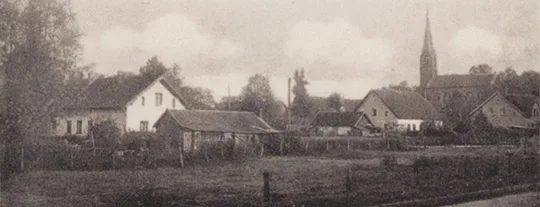
Klein Gnie Church

Since 2000 the church has been used as a gym by the Mozyr school across the road

Klein Schönau Church

One of the most expressive and picturesque ruins in the region

Groß Engelau Church

It is hard to count on a happy, peaceful life when you are surrounded by a military training ground

Paterswalde Church

Thanks to the efforts of local enthusiasts, the crumbling church has become a notable cultural centre

Groß Ottenhagen Church

A contemporary of Ragnit Castle, built towards the end of the Order era. Damaged in 1945, it gradually fell into ruin

Alt Sussemilken Church

A wood-clad brick building, untypical of East Prussia, met, alas, a typical fate

Juwendt Church

The war passed it by. It stood intact until 1951. It was used as a warehouse and a net-making workshop

Groß Legitten Church

The best-known church along the Kaliningrad – Polessk road is guarded by a headless German soldier

Augstagirren Church

An architect from Königsberg who went on to become famous left his mark in the Elchniederung with the design of this modest church

Mehlauken Church

Inspired by the Roman basilica of San Clemente in Rome. Stüler realised a similar design in Potsdam

Preußisch Eylau Church

A church that witnessed an epoch-making battle between the Russian and French armies, now disfigured and consigned to oblivion

Klein Dexen Church

From roughly the end of the 14th century the chief ornament of this church was its Gothic east gable

Deutsch Thierau Church

After the war this characteristic brick building on a high boulder plinth found itself in the border no-man's-land

Under Russian Governors (1757–1762)

In the 18th century, East Prussia was a governorate of the Russian Empire for five years

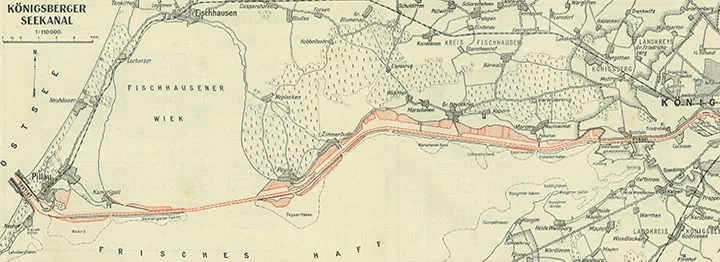
Sea Shipping Canal

Designed and built at the turn of the 19th and 20th centuries. Considerably expanded after the Second World War

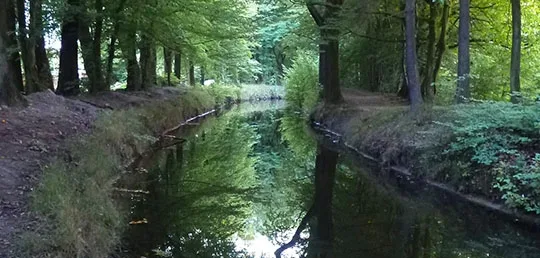
Drinking Water Canal (Landgraben)

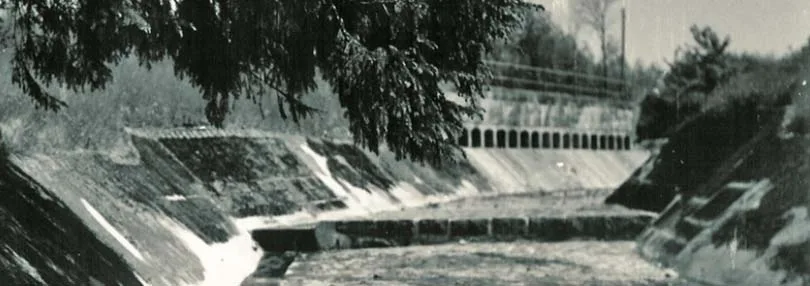
A hydraulic structure from the days of the Teutonic Order still meets about 15% of Kaliningrad’s needs

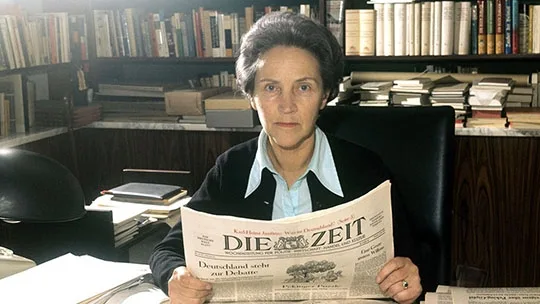
Marion Dönhoff: “To Love Without Possessing”

How the heiress to one of Prussia’s most illustrious family names became Germany’s most influential journalist.

Rossitten Church

Until 1989 it was used as a net-making workshop, and by May 1990 it had reopened to believers
Postnicken Church

The last decade of the 20th century proved fatal for the church, when it suffered its greatest losses

Gross Heydekrug Church

On the roof stood a small turret, and above the modest altar a simple cross. The fiery whirlwind of war swept it all away

Gross Kuhren Church

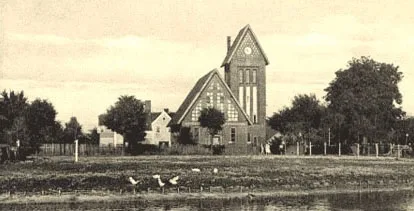
It was built for holidaymakers in the early 20th century. Today it houses the House of Culture of the village of Primorye
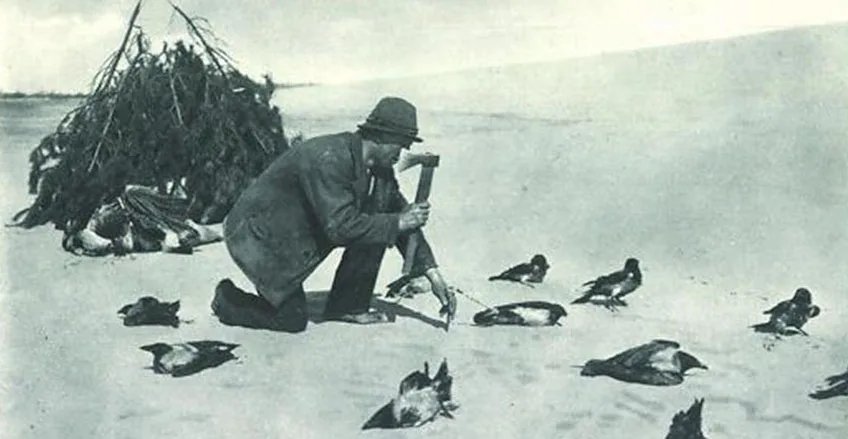
“Curonian Spit Pigeons” or “Sarkau Geese”

How the people of the Curonian Spit came to eat crows, and then got Königsberg hooked on them too

Outposts of Christendom in Prussia

Castles of the Teutonic Order in Prussia

The Christuskirche

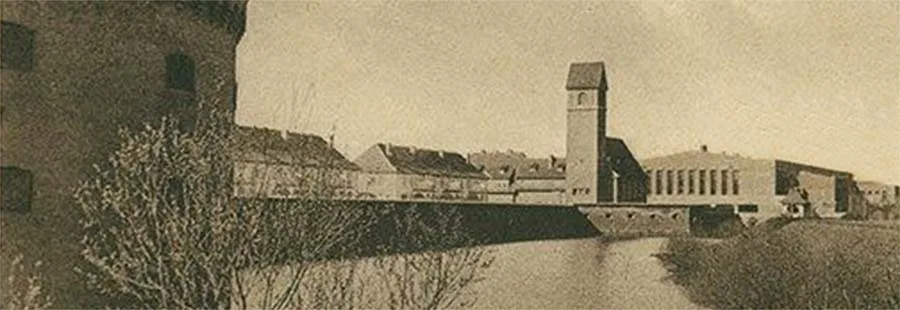
A neighbour of the House of Technology and the Wrangel Tower, it stood between them on the bank of the former fortress moat

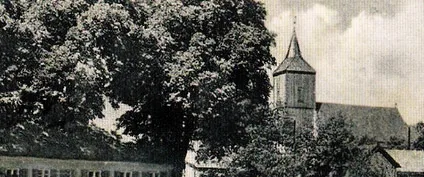
The Luther Church in Haberberg

The last church in Kaliningrad to be demolished by decision of the Party leadership

The Neurossgarten Church

A neighbour of the observatory and the botanical garden. For a long time its spire was the tallest in the city

Georgenburg Castle

Insterburg's twin, a bishop's castle with a large outer bailey, was built in stone at the end of the 14th century

The Church of the Cross (Kreuzkirche)

The only church built on Lomse Island before the Second World War

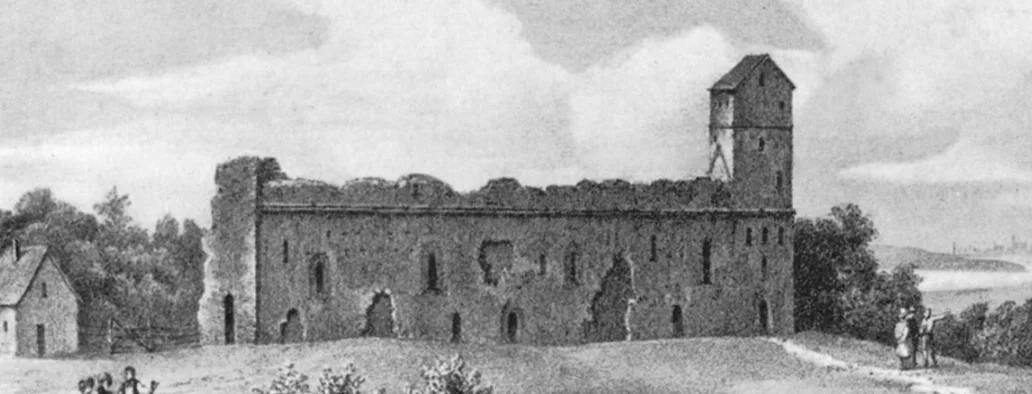
Allenburg Castle

Built in stone no later than the mid-14th century. Burned down twice, rose again only once

Balga Castle

The Order's bridgehead on the shore of the Frisches Haff lagoon, from which the conquest of Prussia began

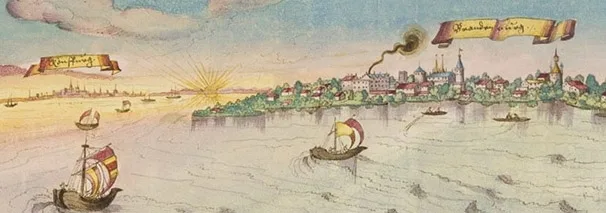
Brandenburg Castle

Named in honour of Otto III, Margrave of Brandenburg, who saved the Order in 1266

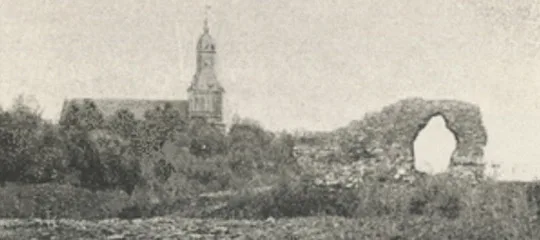
Kreuzburg Castle

A vivid illustration of the fact that no merits can save you from oblivion

Fischhausen Castle

A witness to and participant in the turbulent history of Samland in the days of the Order, which more than once saved the local bishop

Gross Wohnsdorf Castle

Prussia had many Order castles like this one, but only this one was visited repeatedly by Immanuel Kant

Insterburg Castle

For a long time it served as a staging post for the Order's troops on their way to Lithuania

Kaymen Castle

It was here, on 21 January 1758, that the capitulation of East Prussia was signed and Königsberg was surrendered to the Russians

Labiau Castle

A medieval fortress that later served as an administrative center in a strategically important area

Lauken Castle

The castle's last owner was an anti-fascist who was thrown into prison and found hanged there

Lochstädt Castle

Its name and location suggest that there was once a strait through the spit at this spot

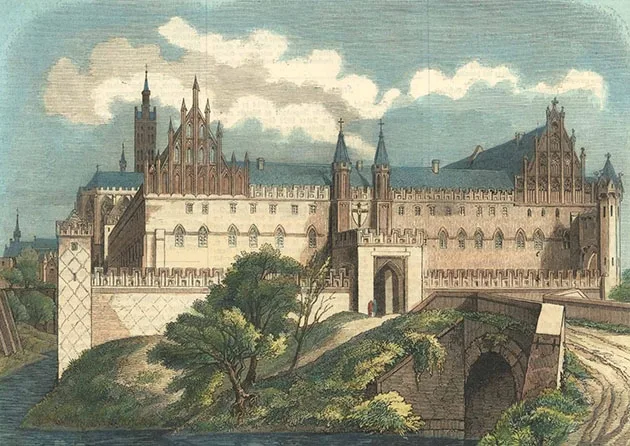
Marienburg Castle in Malbork

Until the mid-15th century it was the centre of the capital of the Order's state. The largest brick castle in the world

Marienwerder Castle in Kwidzyn

A magnificent building with the only surviving danzker in northern Poland

Memel Castle (Klaipėda Castle)

The link between the Prussian possessions of the Teutonic Order and the Baltic lands of the Livonian Order

Mewe Castle in Gniew

At the height of the Order's power, Mewe was its most important stronghold in the west

Preußisch Eylau Castle

An intermediate stronghold between Kreuzburg and Bartenstein, built of stone and brick from the very beginning

Ragnit Castle

An outpost of the Teutonic Order and a mustering point for knightly forces on campaigns into Lithuania

Schaaken Castle

A dubious mix of the Middle Ages and 19th-century Gothic Revival, with a modern commercial "outer bailey"

Tapiau Castle

An outpost on the route from Nadruvia to Königsberg that controlled the Pregel and the Deime

Taplacken Castle

The most astonishing thing is that in the 21st century a castle from the days of the Teutonic Order serves as a home for ordinary mortals

Thorn Castle in Toruń

The first castle of the Teutonic Order in Prussia, next to which a settlement grew up almost at once

Waldau Castle

It protected Königsberg from Lithuanian raids, serving as the first staging post on the eastern route

Wehlau Castle

A fighting fortress that served the Teutonic Order faithfully in the 13th and 14th centuries

The French Reformed Church

With a French Square and a French Street in the city, the appearance of a French church was a foregone conclusion

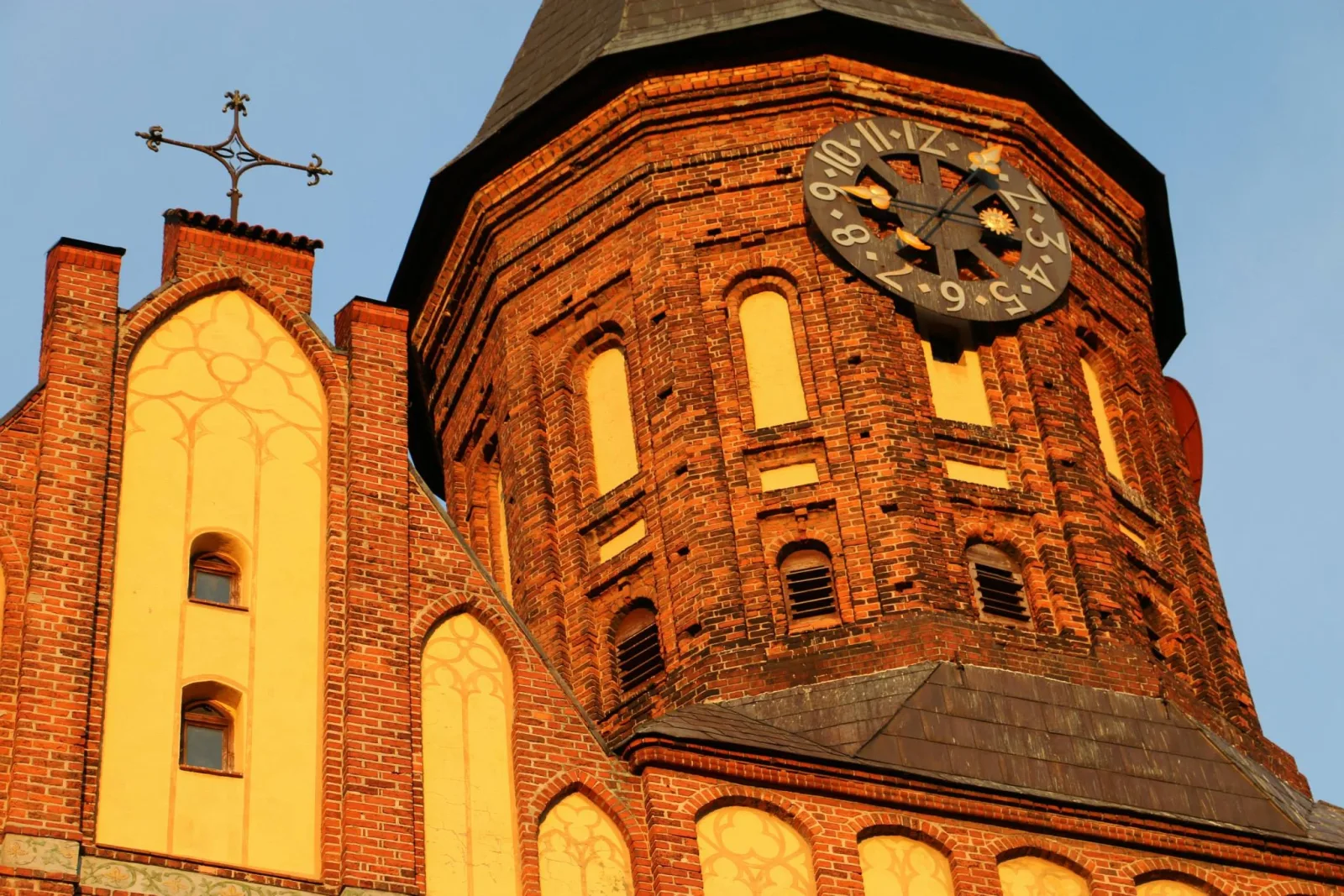
The Cathedral

The city's principal architectural monument

The Löbenicht Church (St. Barbara)

The church of the local weavers, brewers and newspapermen, whose home ground was the Löbenicht
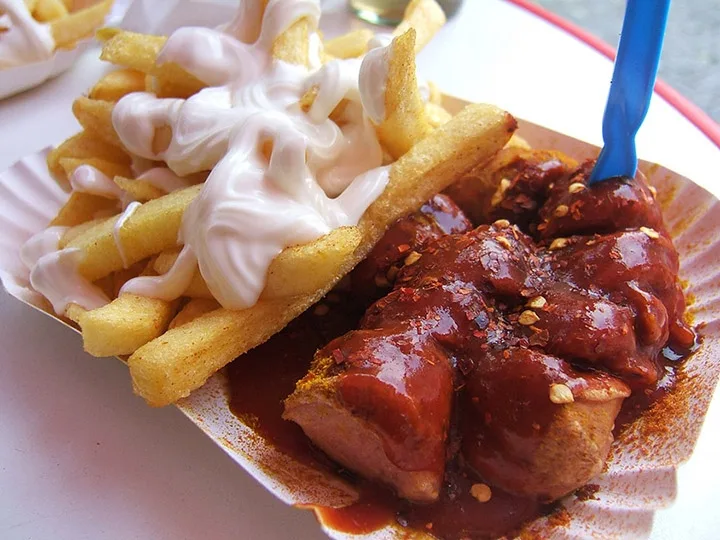
The Königsberg Roots of Herta Heuwer's Berlin Currywurst

The genealogy of a famous Prussian-Brandenburg street food

Fairy Tales of East Prussia

An interview with Tatyana Kolivay, philologist, translator and author of the blog “Fairy Tales of Germany”.

Bärenfang! Strong, Honeyed, East Prussian

The name of this traditional local liqueur translates as “Bear Hunt”

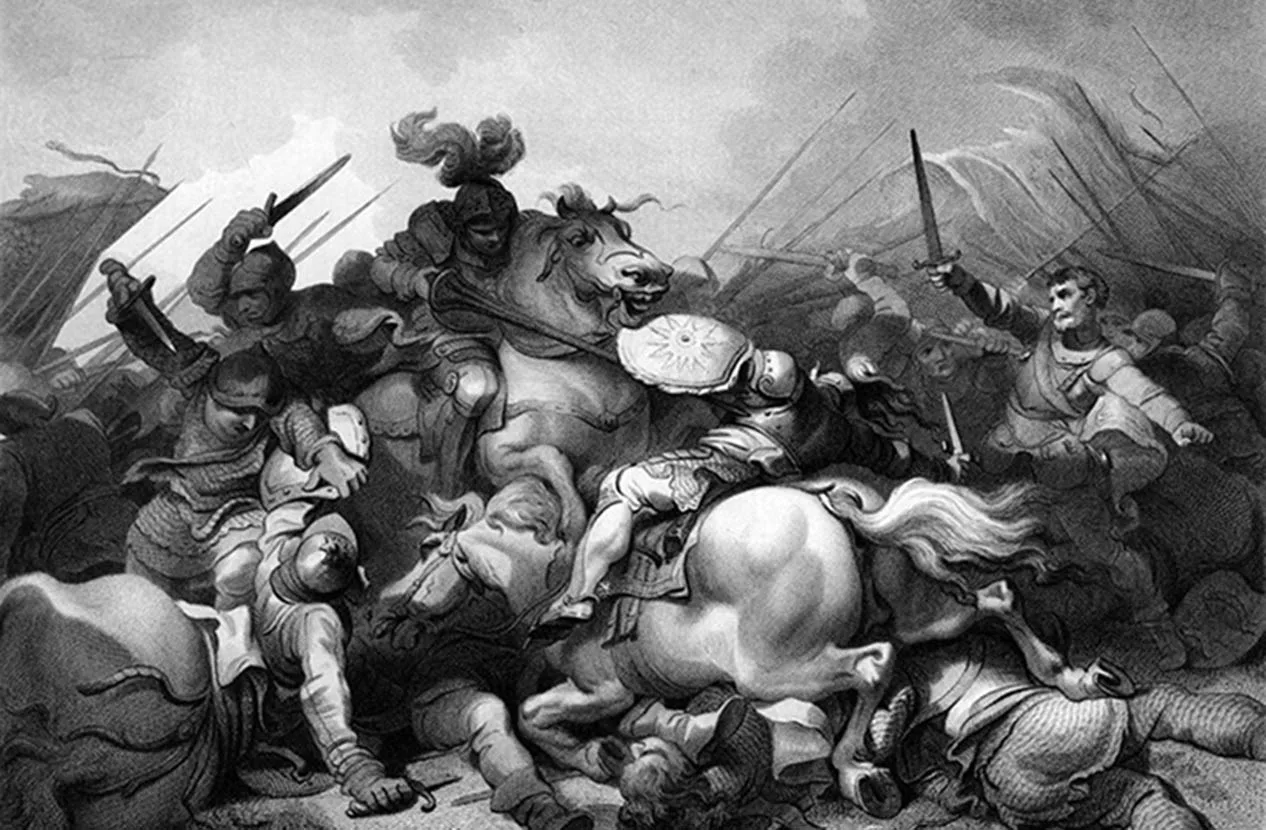
Forever in the Ranks: A Martyrology of the Battle of Grunwald

The Battle of Grunwald, fought on 15 July 1410, was the decisive engagement of the Great War of 1409–11.

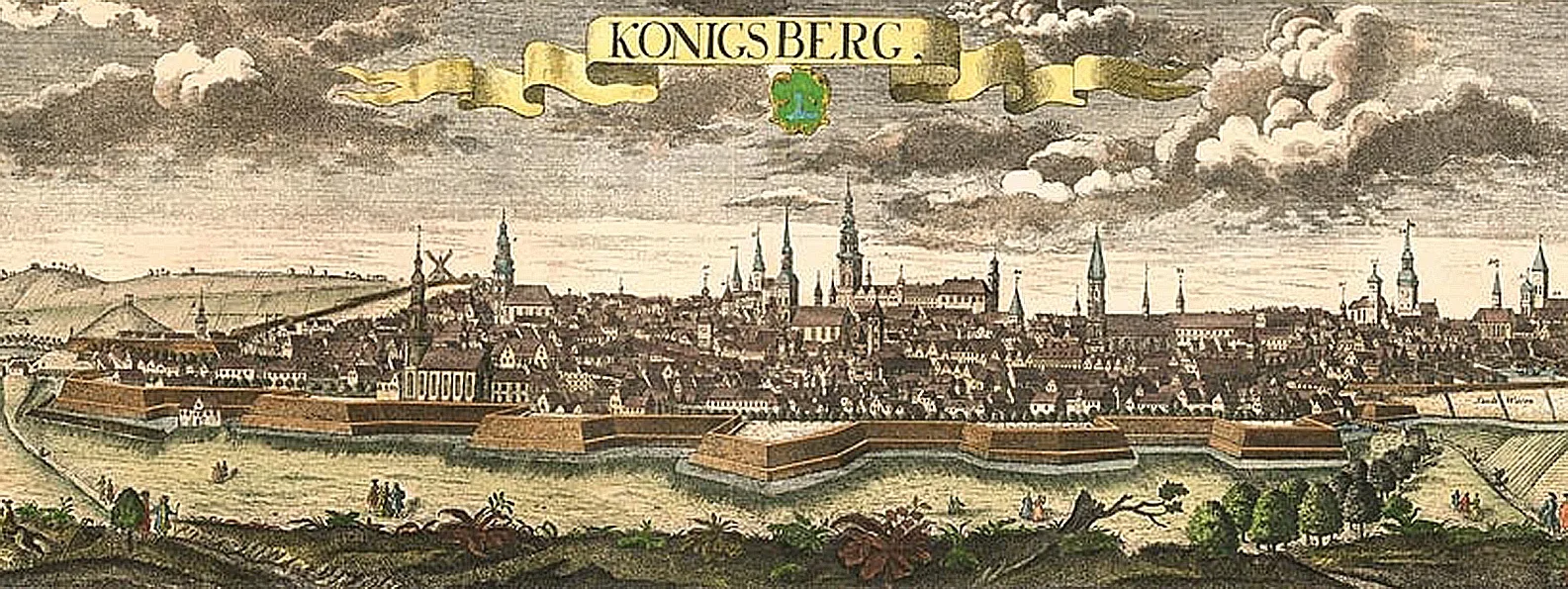
Seven Centuries of Königsberg

Twelve years of Nazism and five and a half years of war are a drop in the ocean compared with the path this city travelled, growing from a small vill…

The Tale of the Battle at Rudau Castle, Where a Marshal Laid Down His Life and a Shoemaker Became a Knight

The history of the Teutonic–Lithuanian conflicts began immediately after the Teutonic Order conquered the Prussian lands

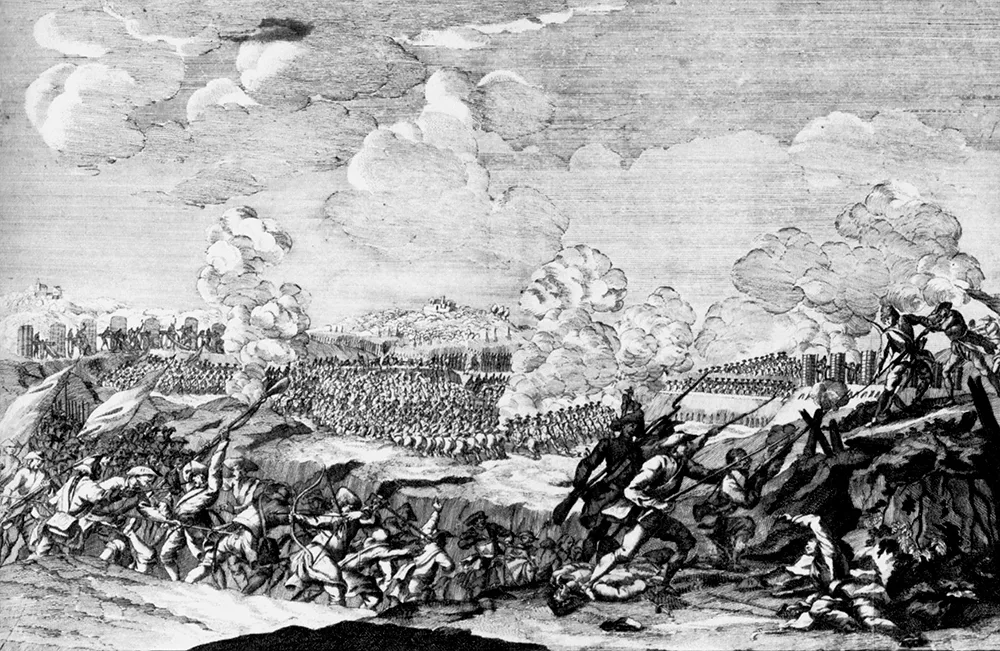
The Lesson of Gross-Jägersdorf: Lose Your Nerve, Lose Your Victory

The Russian army's victory at Gross-Jägersdorf could have been the first step towards routing the army defending East Prussia, but it was not...

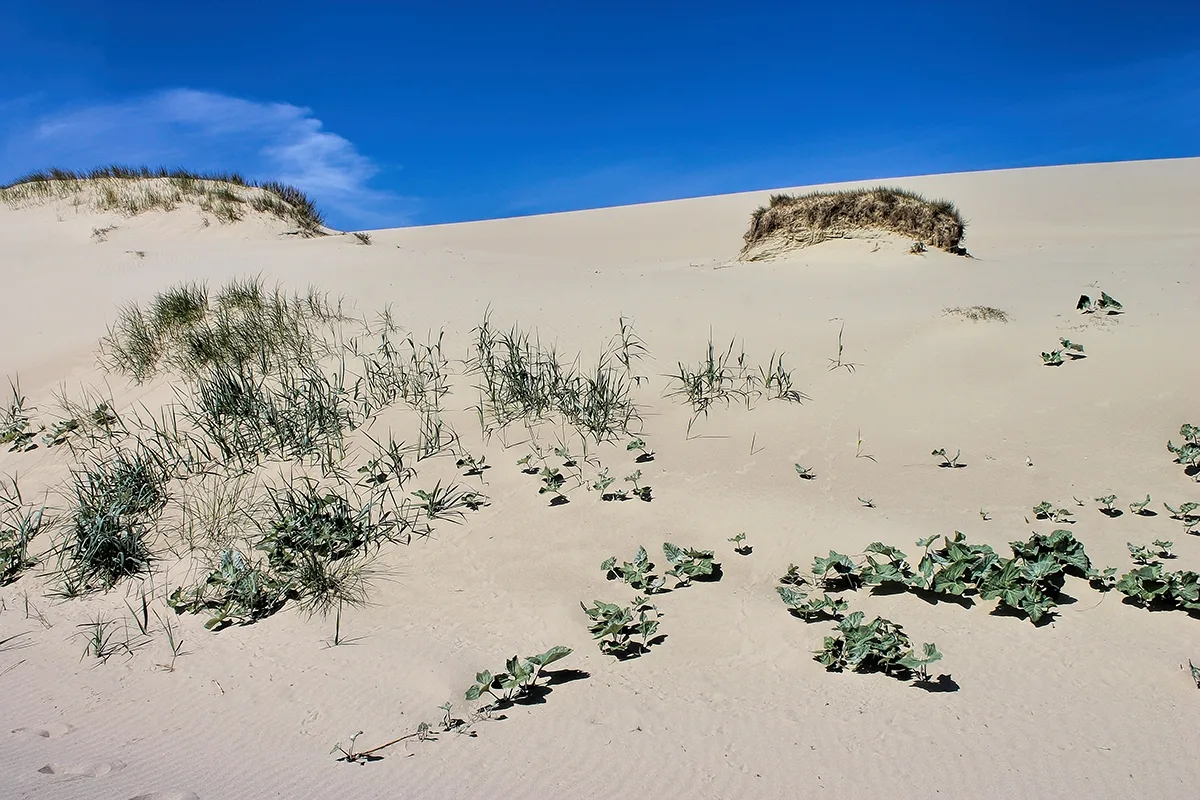
Flora of the Curonian Spit: They Stopped the Sands

The flora of the Curonian Spit was shaped by people in the course of their struggle against shifting sands

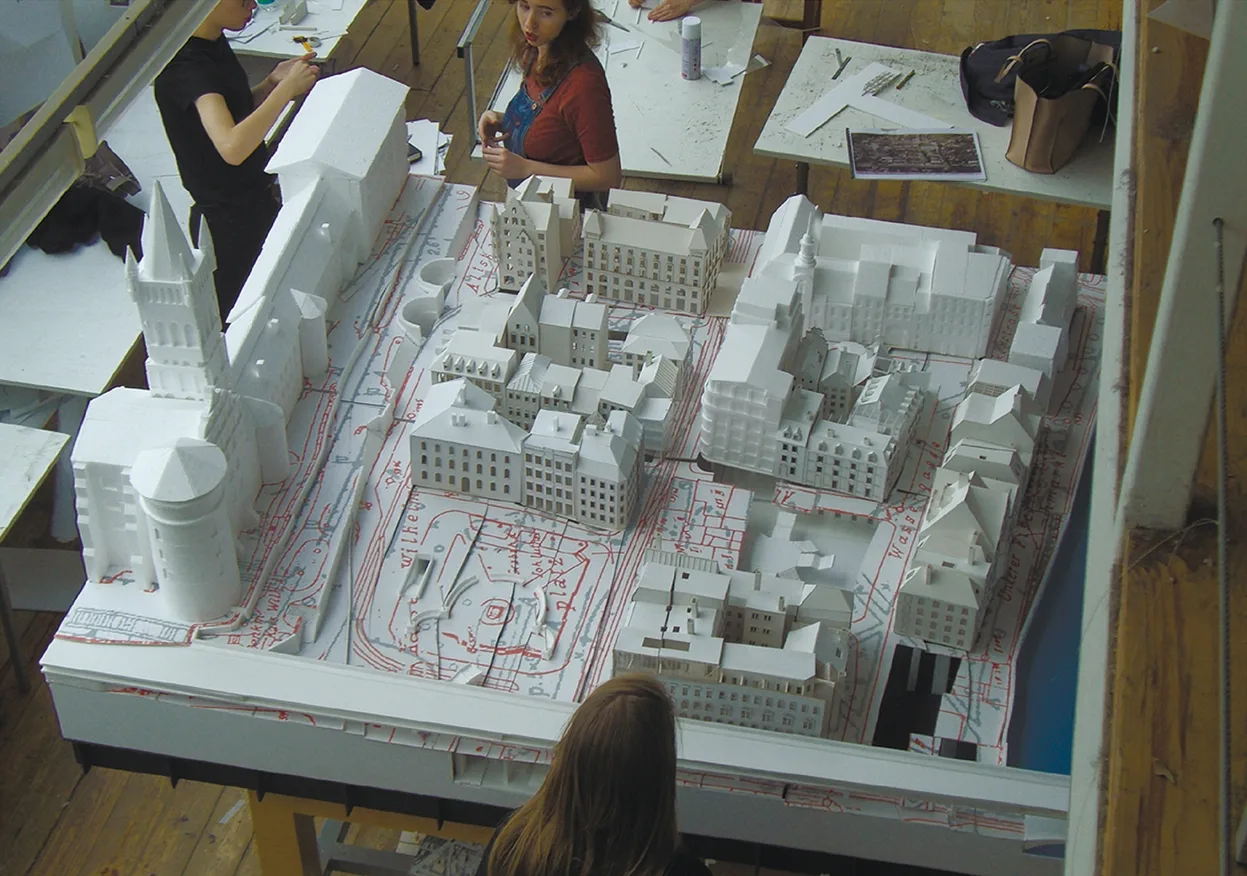
"Eight Blocks of the Altstadt"

Presentation of the MARKHI initiative project "Eight Blocks of the Altstadt" (2017)

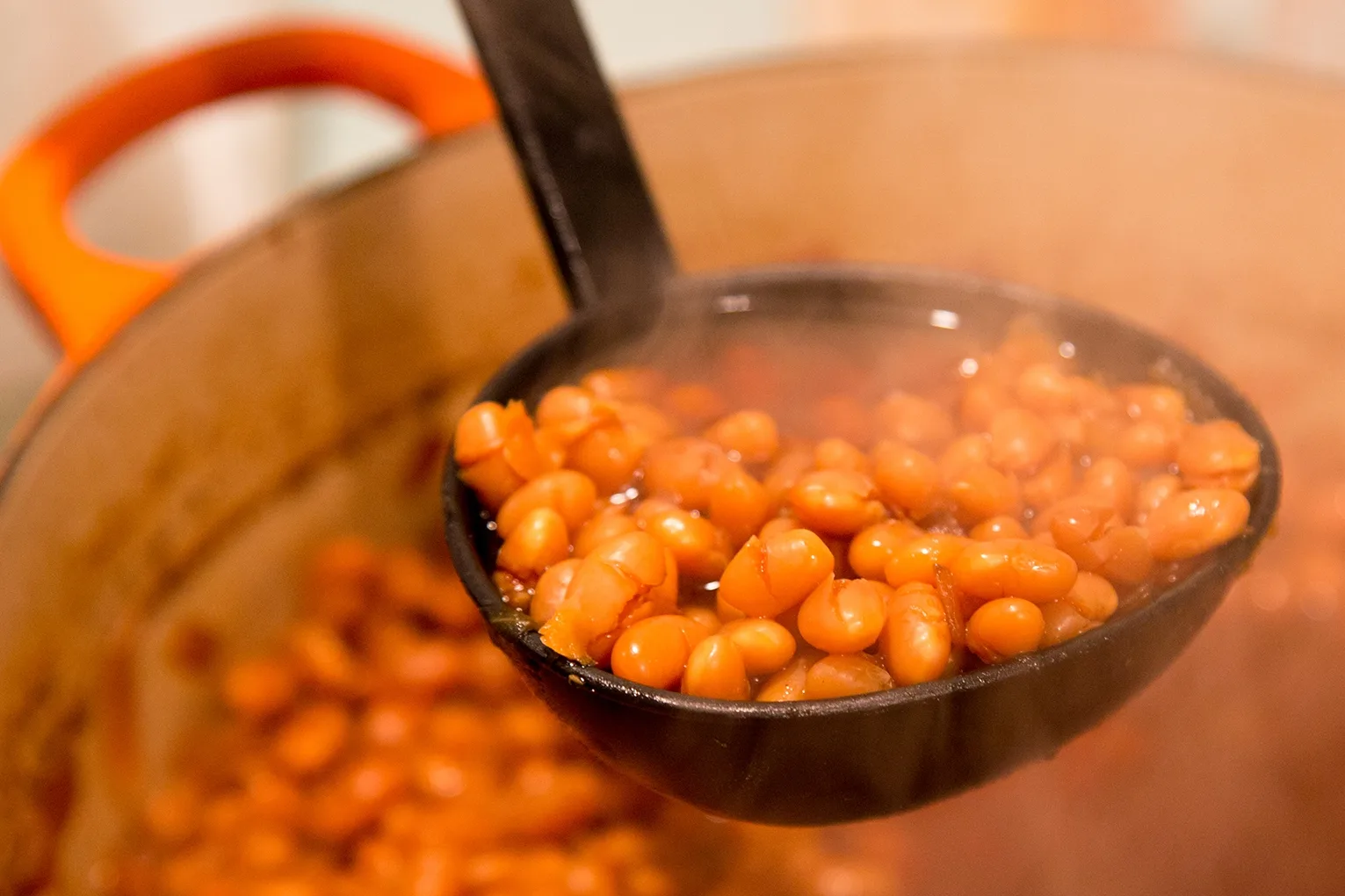
Beans, Peas and Lentils in East Prussian Cuisine

They were used to make everything from soups to patties and salads

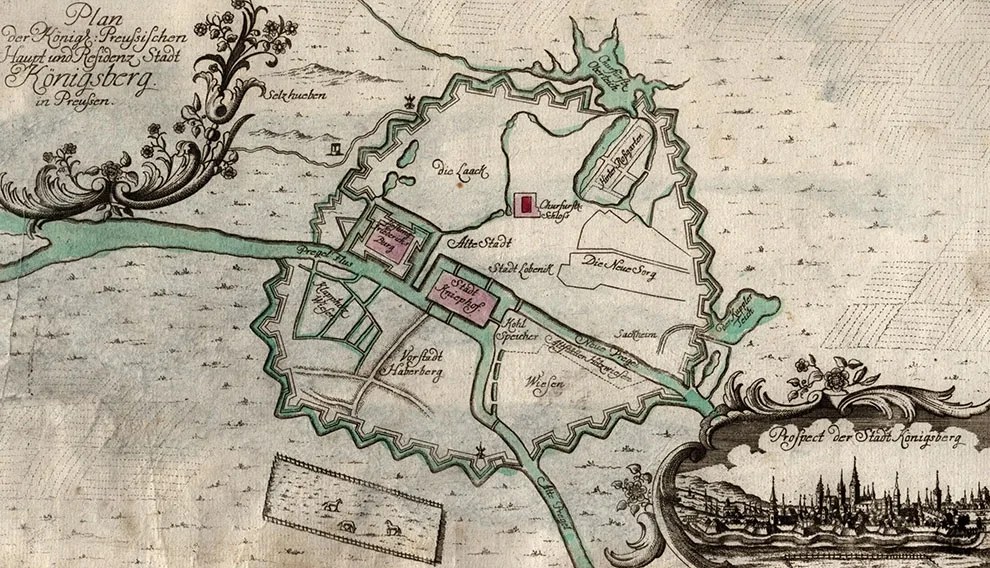
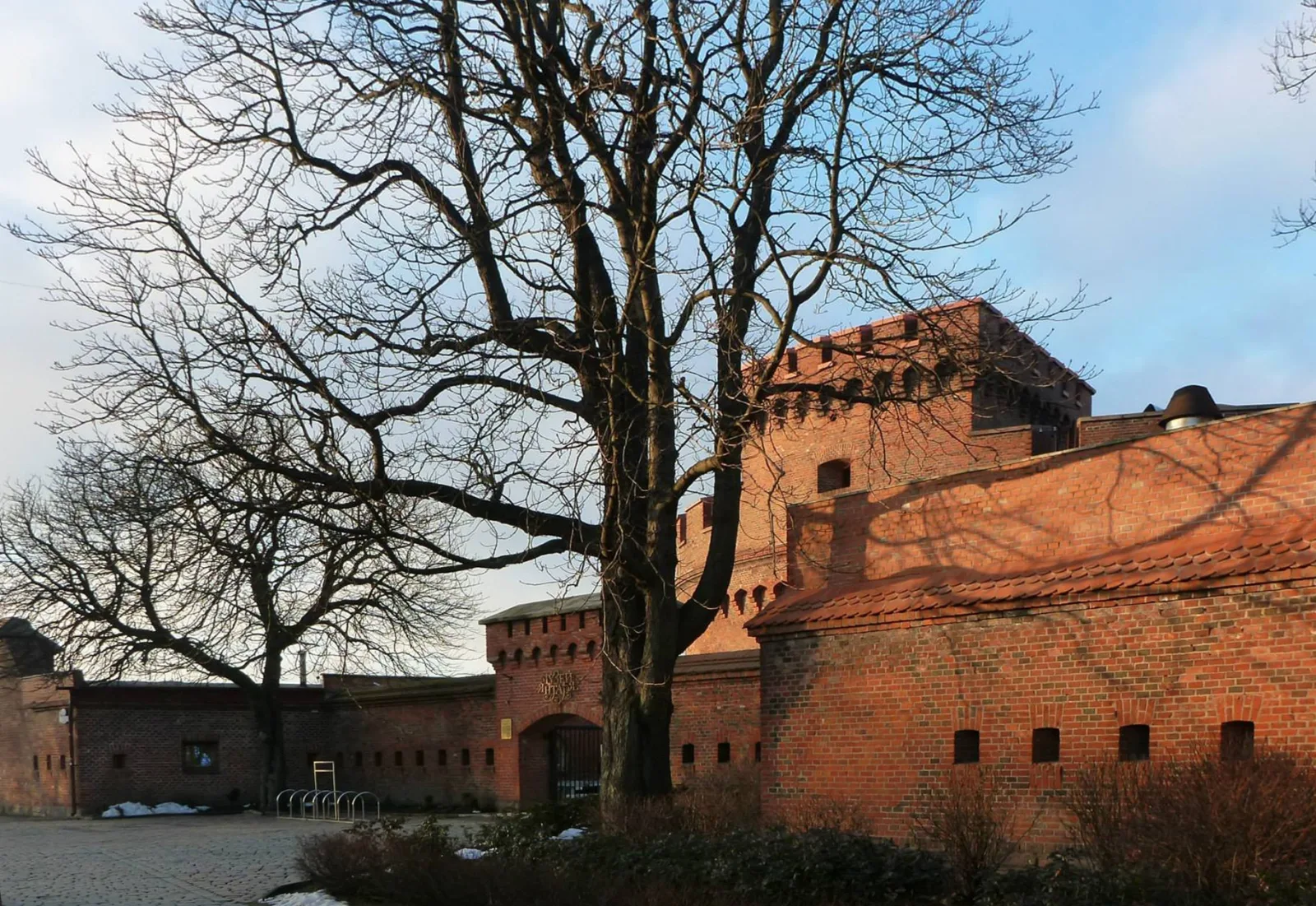
Whence Came the Gates, Bastions, Ravelins, Caponiers, Towers and Moats
The history of the construction of Königsberg's second ring of ramparts.

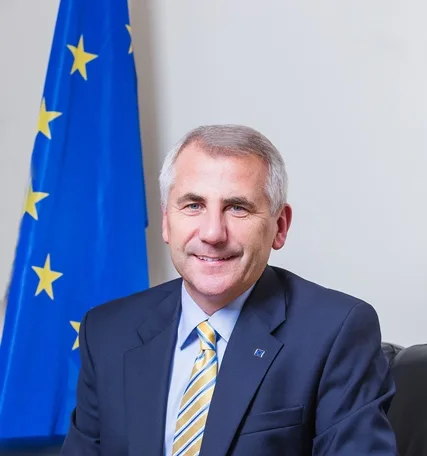
Vygaudas Ušackas: “I will go down in history as the ‘crisis ambassador’”

An interview with the head of the European Union Delegation to Russia.

The Bastions of Königsberg's First Rampart Ring

Napoleon rode into the city through their gates, Kant strolled along their ramparts, and the young Peter I studied their design.

The City's Ecological Framework

A balanced ecosystem built up over centuries cannot withstand the onslaught of new-Russian pseudo-developers
Königsberg Castle: From “Citadel” to “Heart of the City”

The history of East Prussia’s foremost castle from the Middle Ages to the present day
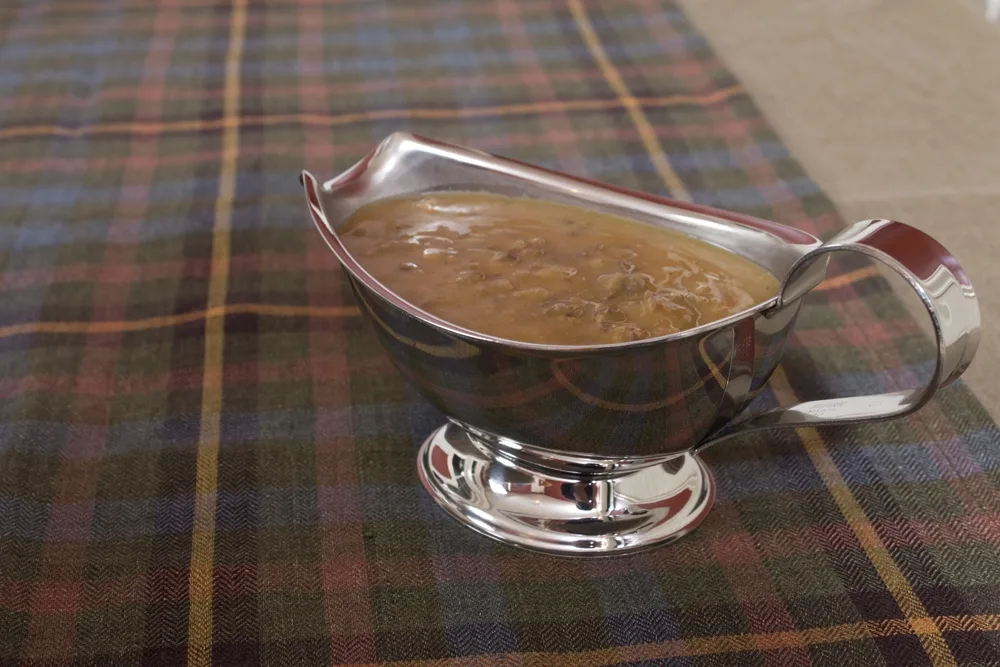
Königsberg Sauces and Mayonnaises

Over the centuries, Prussian housewives mastered all kinds of seasonings and spices, sometimes blending them together

"Kaliningrad must preserve the memory of Königsberg's great men and women"

An interview with Gerfried Horst, chairman of the Society of Friends of Kant and Königsberg.

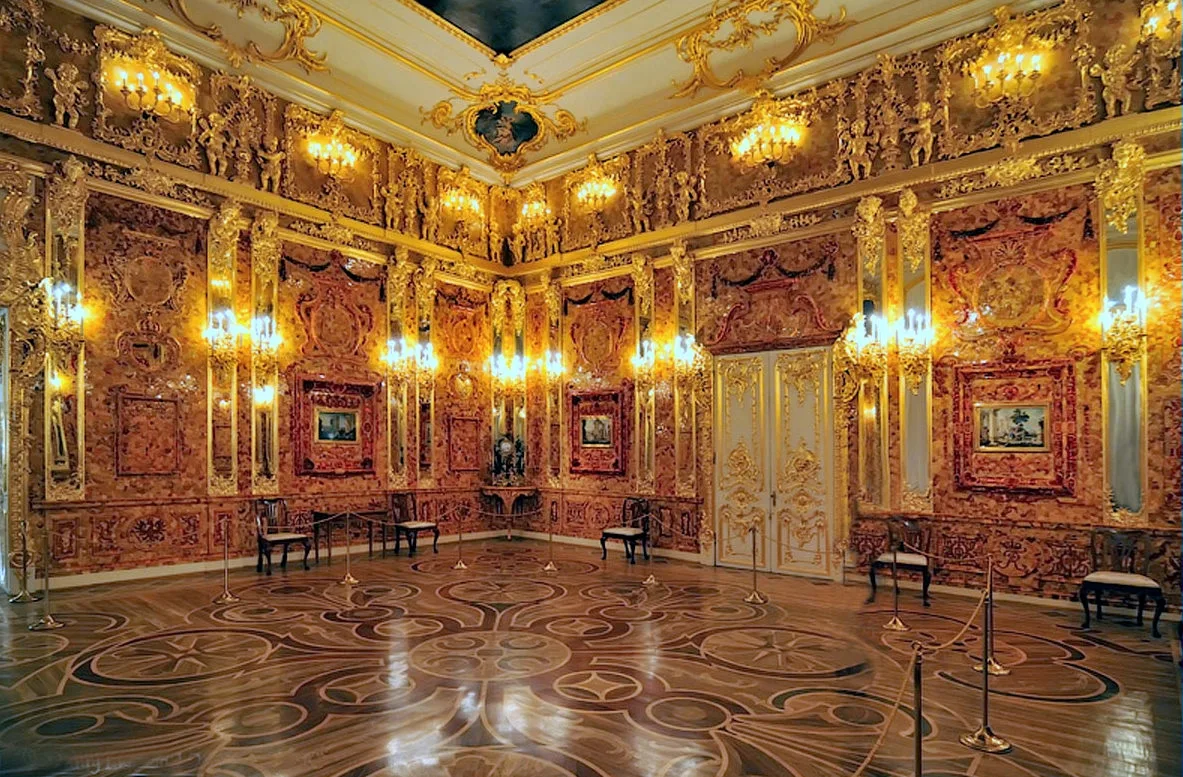
The Mystery of the Amber Room

The last eyewitness account placing its crates in Königsberg's Royal Castle dates from the fifth of April 1945.

The "Silesian Rembrandt" from Königsberg

Michael Willmann was a Baroque painter from Königsberg who worked in Silesia and won fame throughout Europe.

The Palpable Joy of Recognition: Mandelstam in Kaliningrad

Does Kaliningrad need a memorial plaque to the absent-minded and bewildered Osip Mandelstam, who got "stuck" in Königsberg in 1910?

The First University Botanical Garden of Königsberg

Also known as the Kaliningrad Regional Children's and Youth Centre for Ecology, Local History and Tourism

Railways in the Rominten Heath

Before the Second World War, a reliable freight and passenger transport network linked every settlement in the Heath.

Lamb and Mutton East Prussian Style

A selection of the most interesting and characteristic recipes developed over many centuries

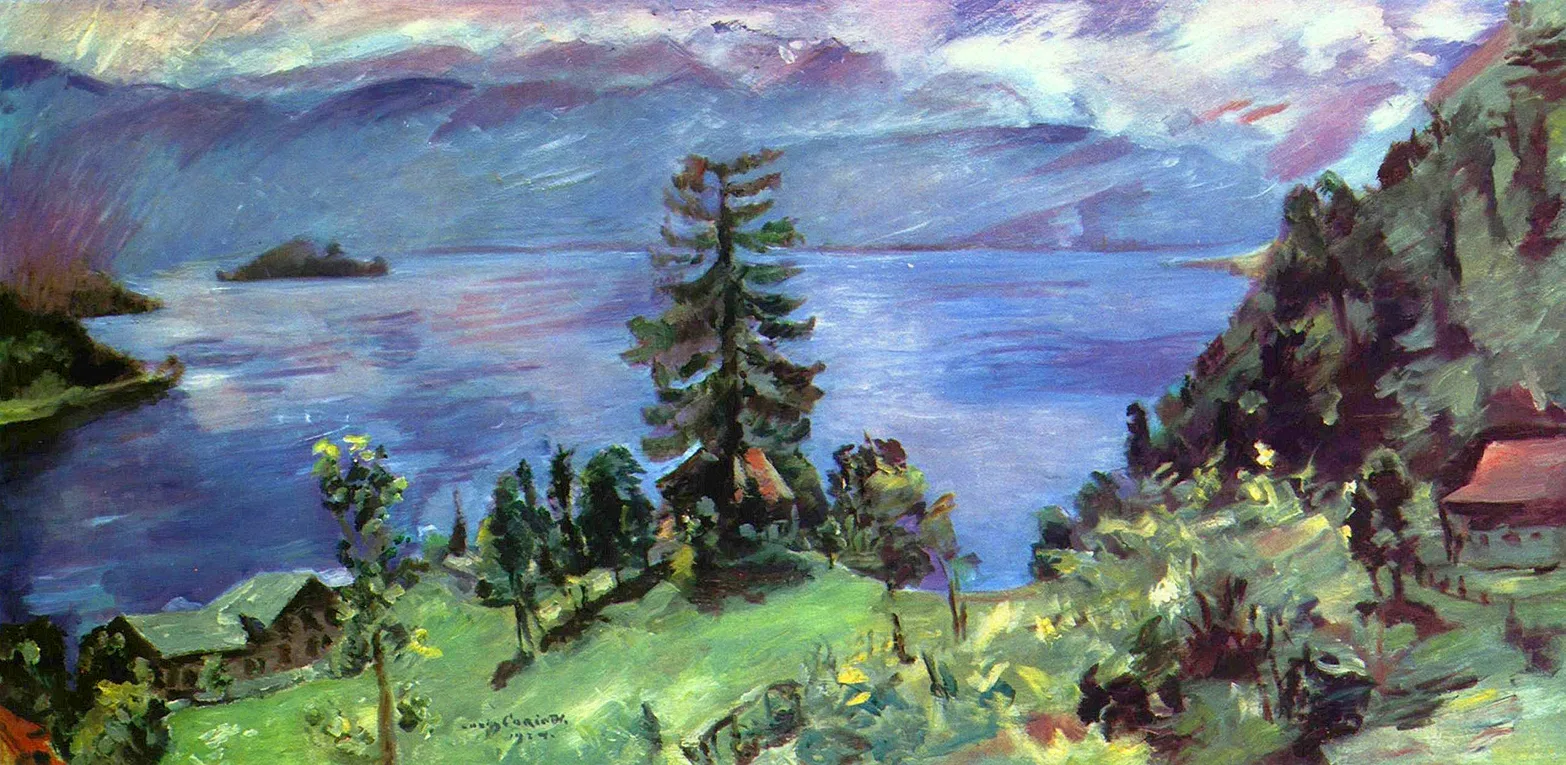
Lovis Corinth – an Impressionist from East Prussia

The biography of one of the most famous German painters, who was born in Tapiau (Gvardeysk), studied in Königsberg (Kaliningrad) and went on to achie…

What Lies on "Königsberg's Ground Floor"?

Is there a grain of truth in the myths and legends about underground Königsberg?

The Germans Who Remained in East Prussia After the War Were Simply Forgotten

An interview with the Hungarian sociologist Pál Tamás, honorary doctor of the Institute of Sociology of the Russian Academy of Sciences.

Forest Management and Natural Monuments of the Rominten Heath

The roads and rides dividing the forest sections had names, and signposts were put up to help people find their way

The practice of the self: three questions about identity

One of them is about Kaliningrad identity.

Gennady Kretinin: "The Red Army won a strategic victory here"

The East Prussian Operation from the standpoint of military science.

Close Stranger*, or What You Can Learn about Kaliningrad in Poland

A review of Polish press coverage of the Russian exclave on the Baltic.

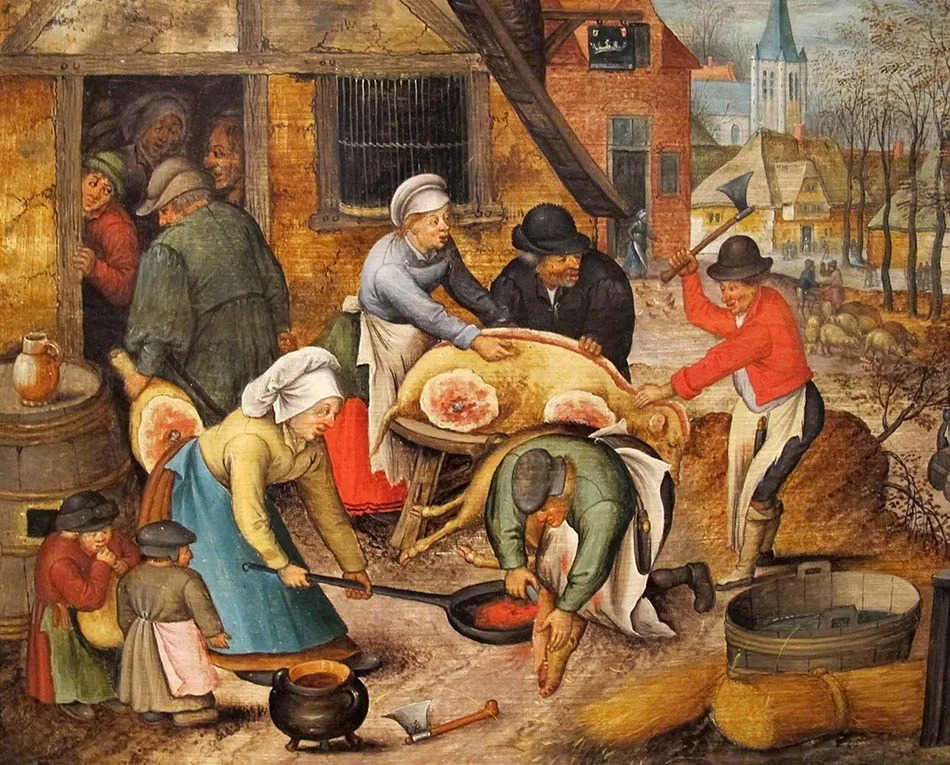
East Prussian Pork Dishes

How pork dishes were prepared in East Prussia

East Prussian Poultry Dishes

Traditional recipes for the festive table and the everyday dinner

The Most Beautiful Plants of the Kaliningrad Region: a Spring Top List

A calendar of blossoming and contemplation

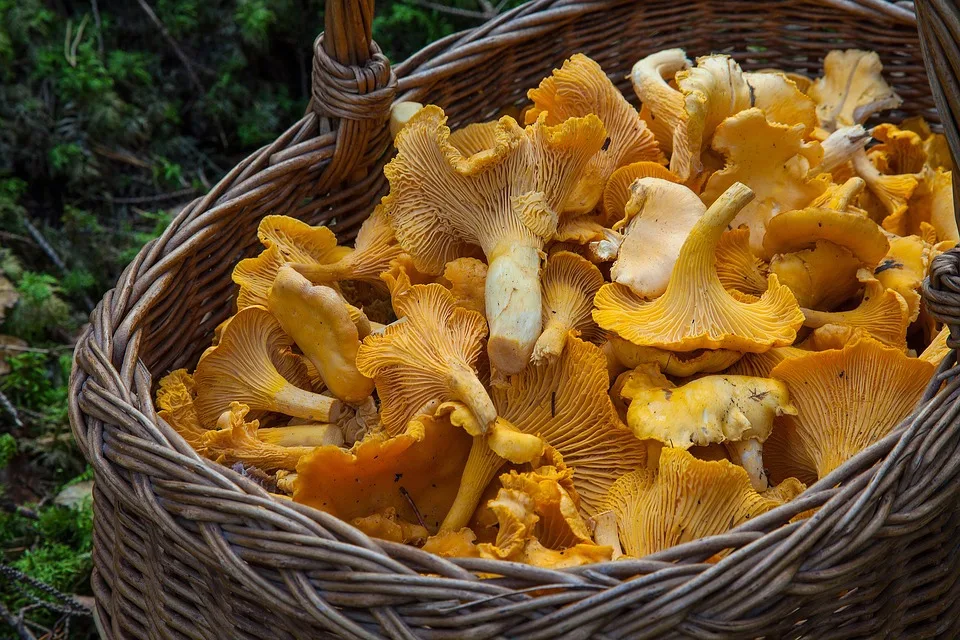
How Mushrooms Were Cooked in East Prussia

Time-tested local recipes for mushroom dishes and dishes with mushrooms. Fortunately, there have always been plenty of them here!

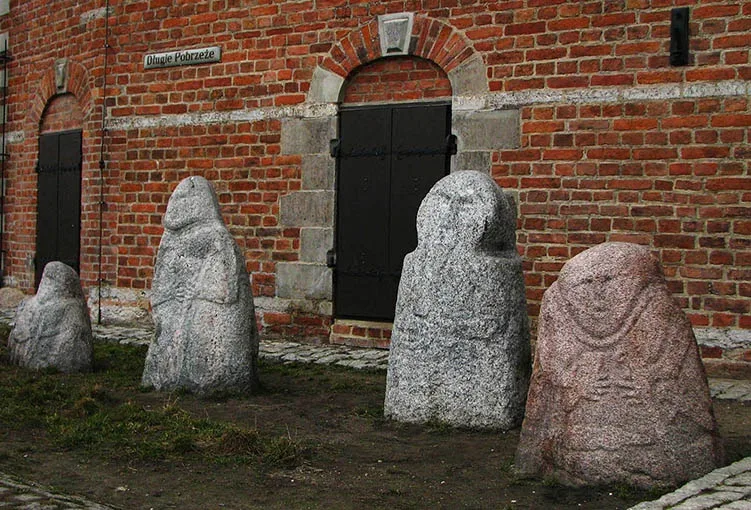
The Nasty Girl of Skirwieten, the Sabbath-Breaker, the Frenchman and the Monk

Legends and tales of the stone “babas”

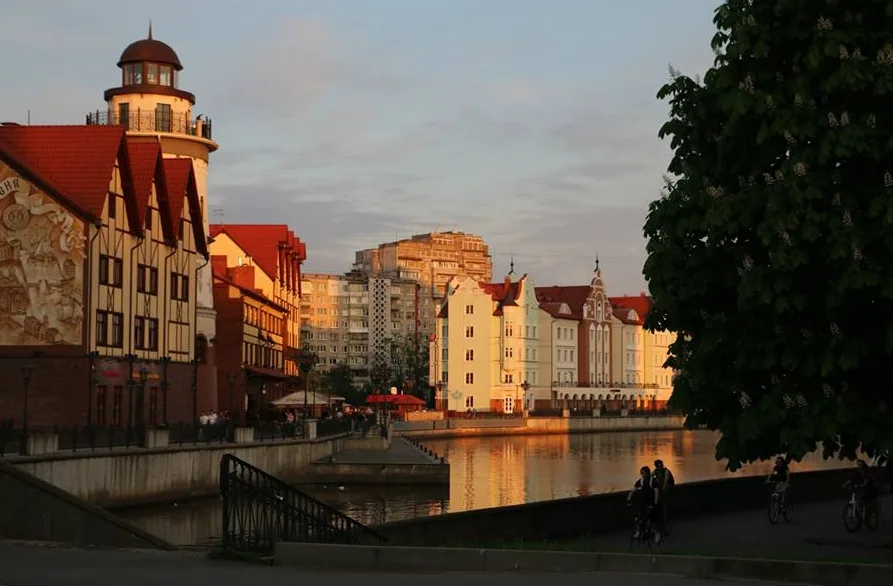
The Fish Village: pride or shame?

Soon two new complexes will appear on the banks of the Pregolya, with modern façades reminiscent of German warehouses and the old Fish Village.

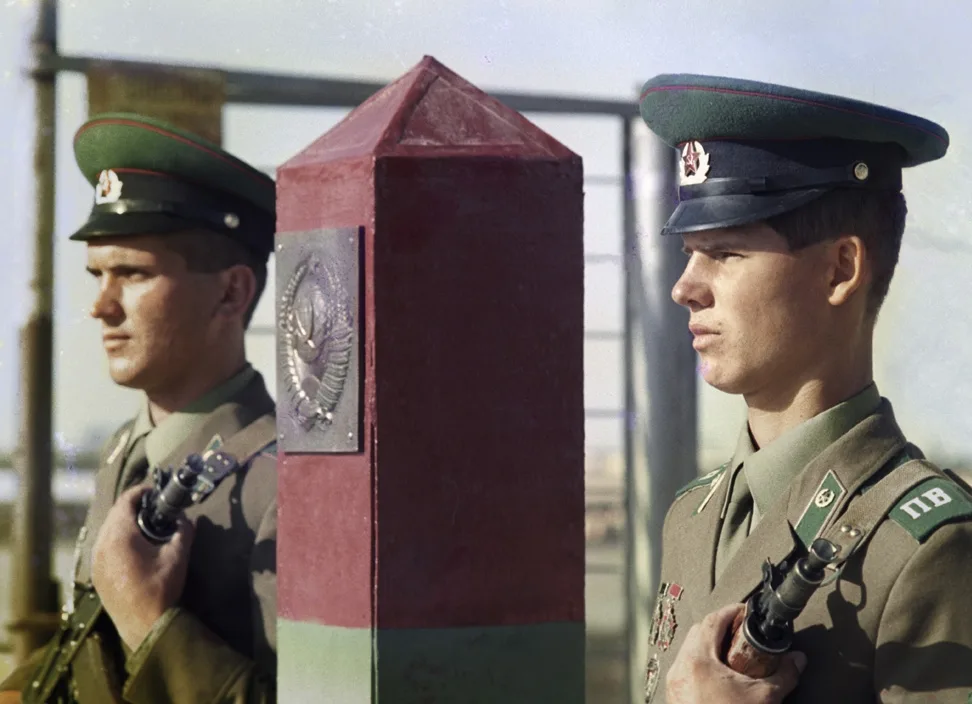
A Polish Period Behind the "Iron Curtain"

Nostalgic notes on the days when the border was under lock and key.

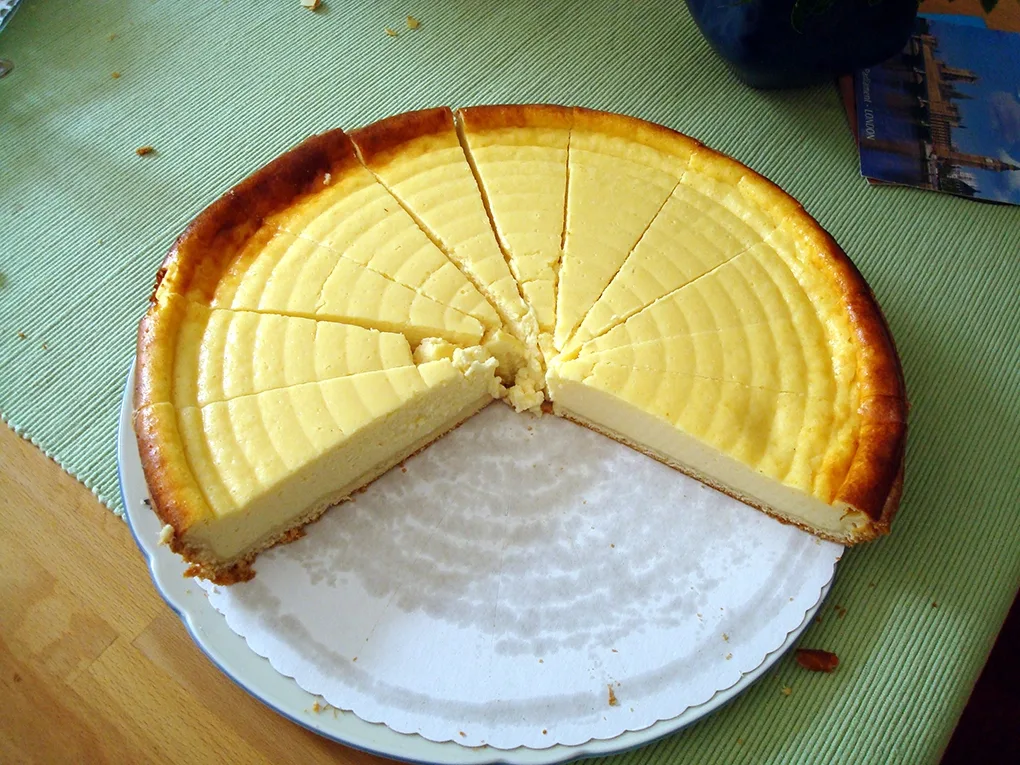
Traditional Local Quark Dishes

The quark dishes popular in East Prussia are astonishing in their variety

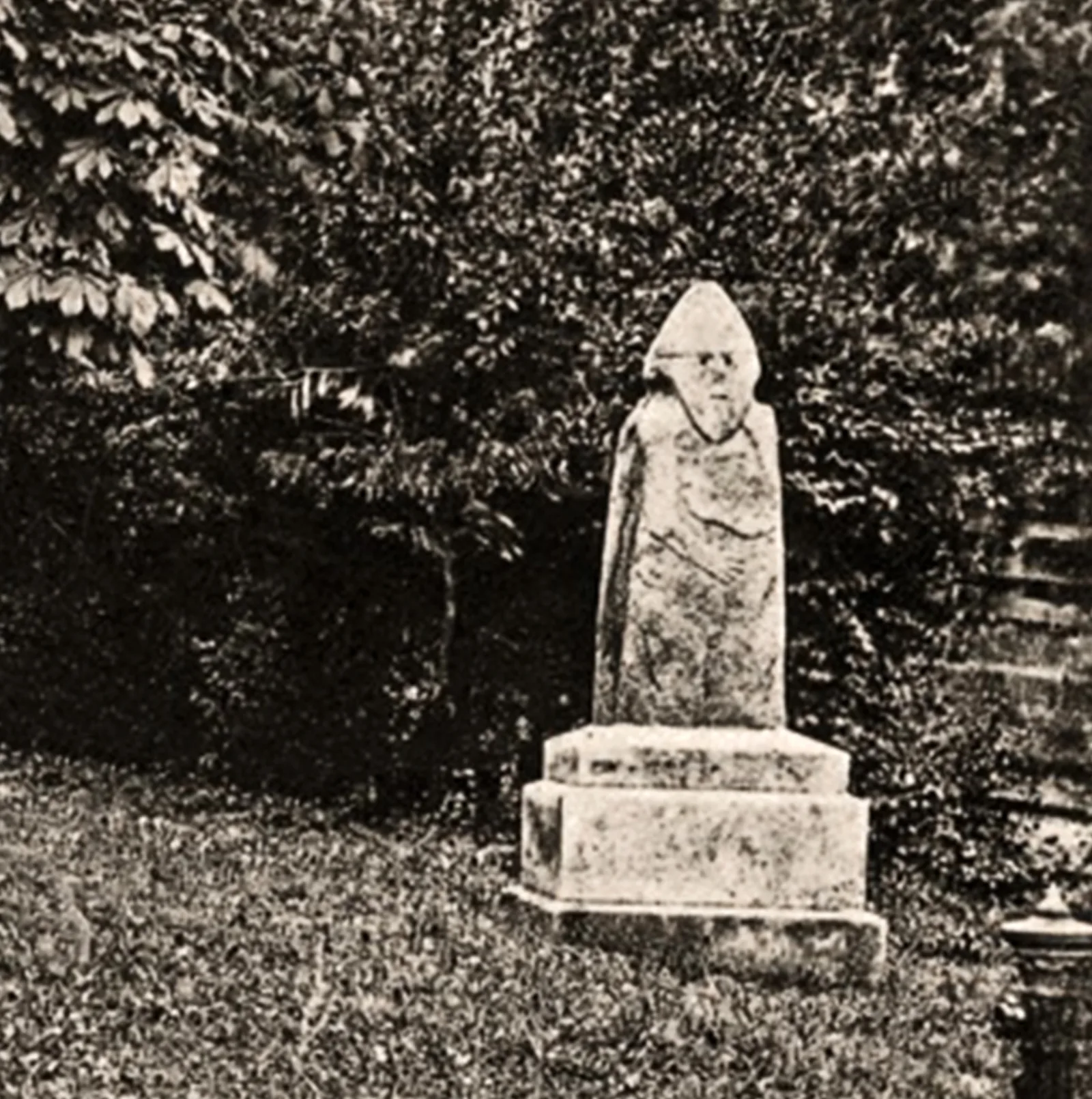
The Stone "Babas" of the Prussians

The meaning of the anthropomorphic stone sculptures on the southern borders of the Prussian lands remains a mystery

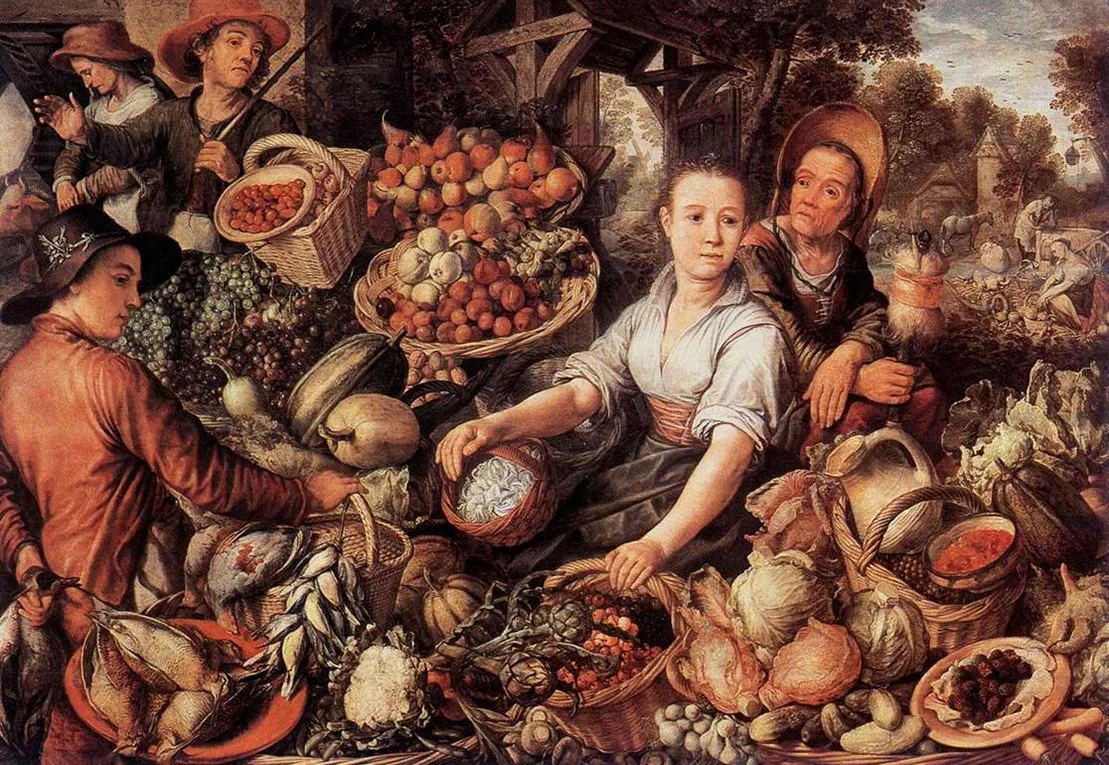
East Prussian Vegetable Dishes

In East Prussia people joked that the best vegetable is meat, yet no table was complete without vegetable dishes

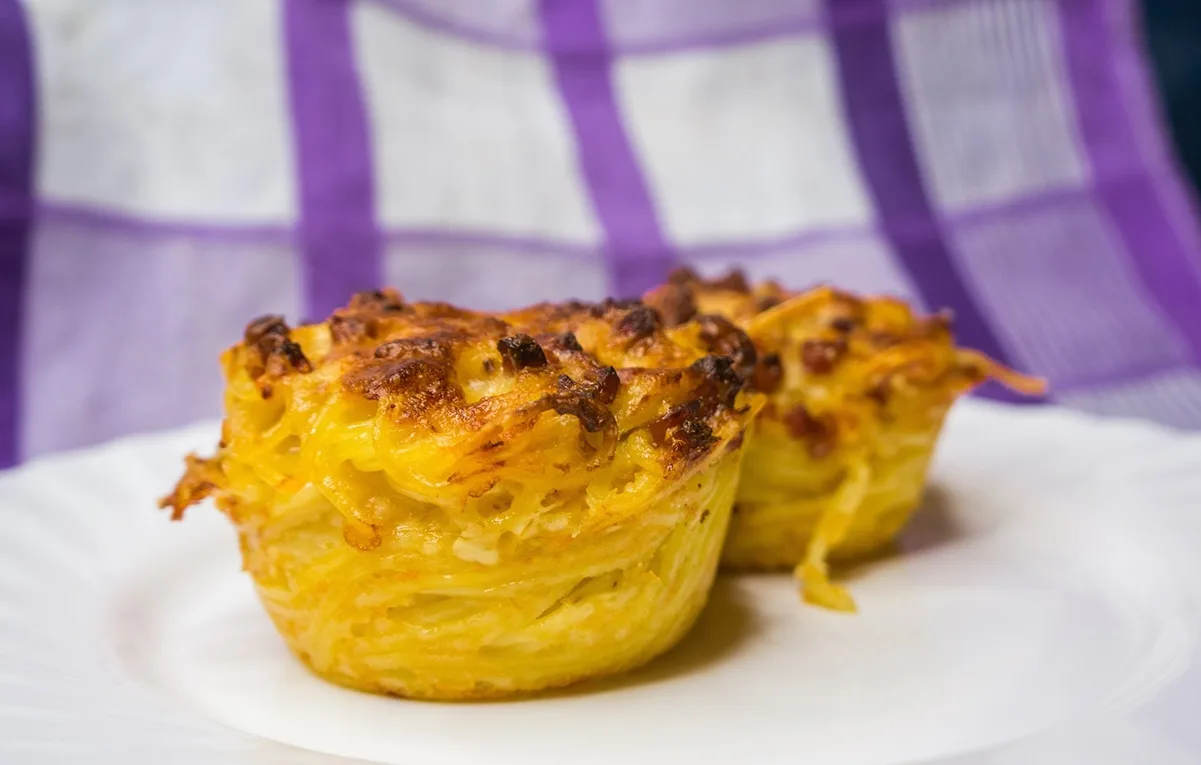
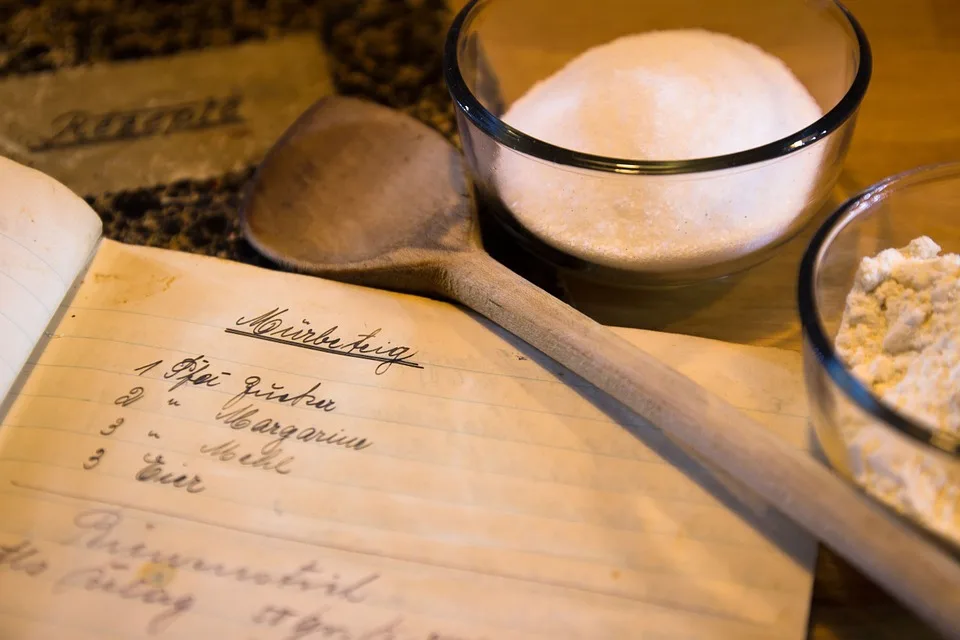
Unusual East Prussian Bakes

Original traditional recipes that have stood the test of time

A Vanishing Legacy, or a Brief History of the Bismarck Towers

Once a popular place for an outing, the Bismarck towers still have tourist potential today. All that is needed is to preserve the little that remains…

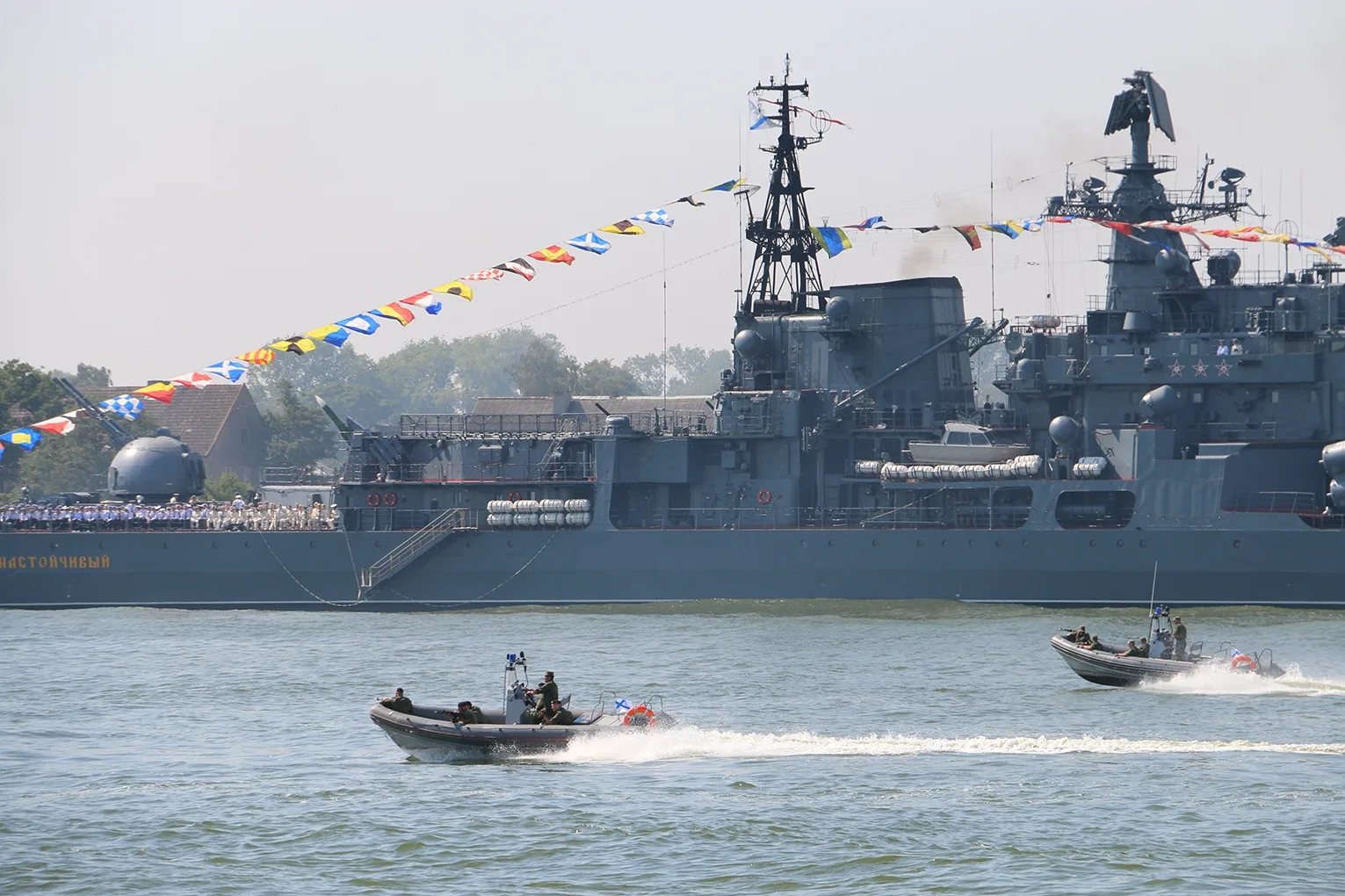
The Baltic Fleet. The Present Day

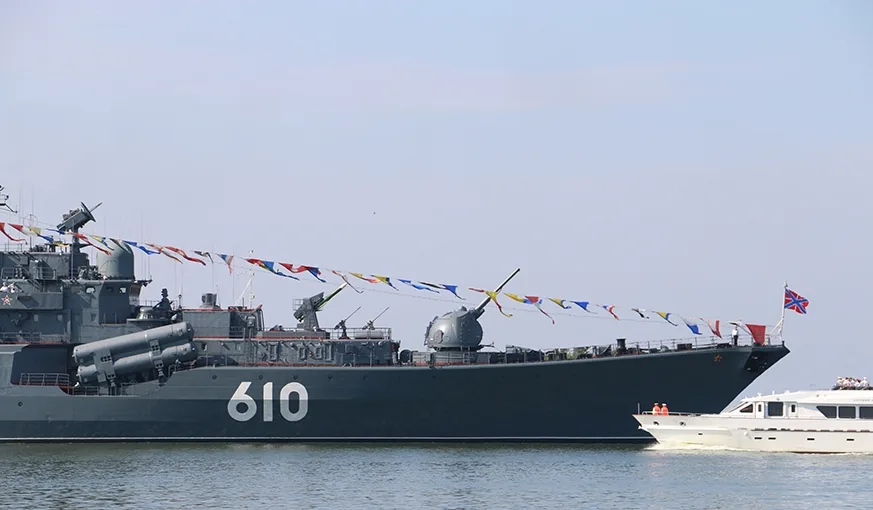
Today the Baltic Fleet is the best-off of Russia's fleets.

Trees Die in Silence… Who Needs This?

"Schneider's Green Belt", which shaped Kaliningrad's ecological environment for almost a hundred years, is vanishing before our eyes

Once Again on Why People Move to Kaliningrad

What is our city's main advantage if we leave aside the EU being "within walking distance"?

East Prussian Baking and Königsberg Cakes

Streusel, Kringel and Pfefferkuchen

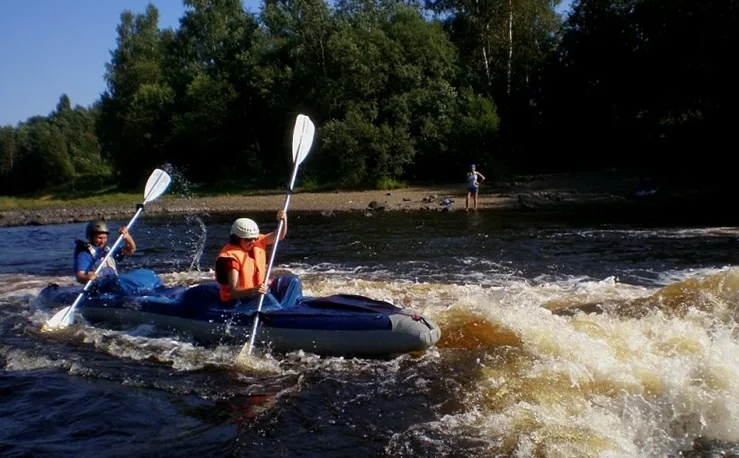
"Kayak trips here haven't turned into a mainstream thing yet"

An interview about water tourism in the Kaliningrad Region with Aleksey Anokhin, a seasoned kayaker

"With an Open Umbrella Beneath Niagara"

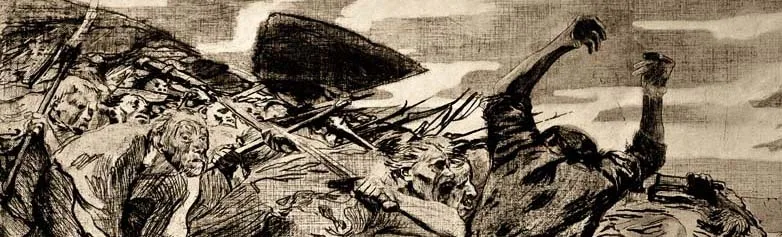
The life story of the famous Königsberg artist and sculptor Käthe Kollwitz

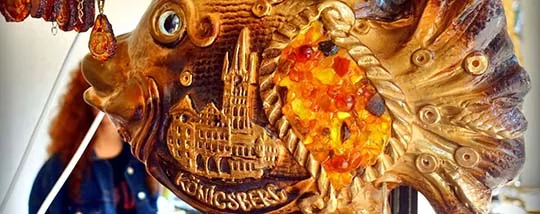
Amber! I Hate You

In the Kaliningrad region, this fossilised antediluvian resin will get to anyone...

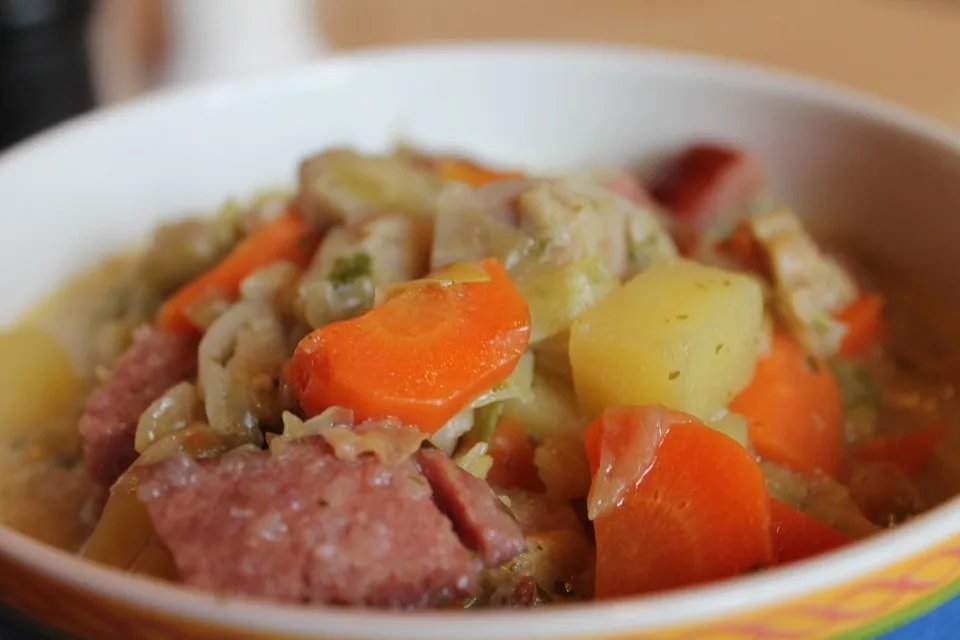
Hearty East Prussian Eintopf: Soup and Main Course in One Pot

For a long time this simple but delicious soup was the region's gastronomic symbol

A Difficult Happiness

An insider's view of Kaliningrad

Once Upon a Time in America

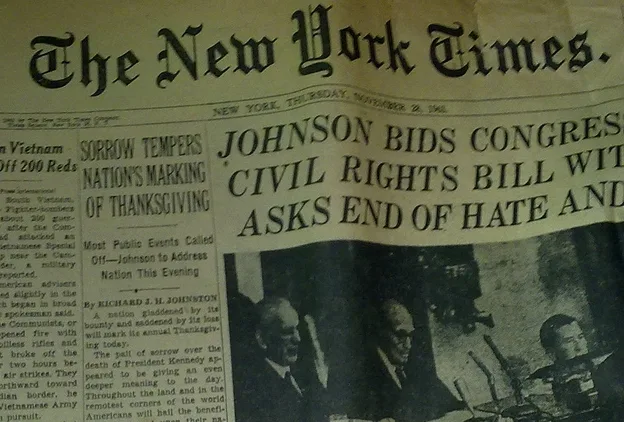
Most New York Times articles that mention Kaliningrad are military news.

New Year, Kaliningrad Style

How Kaliningraders see in the New Year

Original East Prussian Salads

Quick, bring me white cabbage, quick, bring me red cabbage, bring me cauliflower and a little swede!

A Russian Soldier Taken Prisoner at Tannenberg Who Made It Back to Moscow

Yekaterina Semyonovna Zhivopistseva tells the story of her father, a soldier taken prisoner by the Germans at Tannenberg in 1914 who escaped in 1919.

A Fresh Look: Kaliningrad after Irkutsk

The story of a family who moved to Kaliningrad just a year ago but have already come to love their new home.

Kristijonas Donelaitis’s Birthday

1 January is the birthday of Kristijonas Donelaitis, the classic of Lithuanian poetry, who spent his whole life in Tollmingkemen (Chistye Prudy).

10 Useful Tips, or a Guide for Visitors to the Kaliningrad Region

Many tourists who come to Kaliningrad do the same stock things.

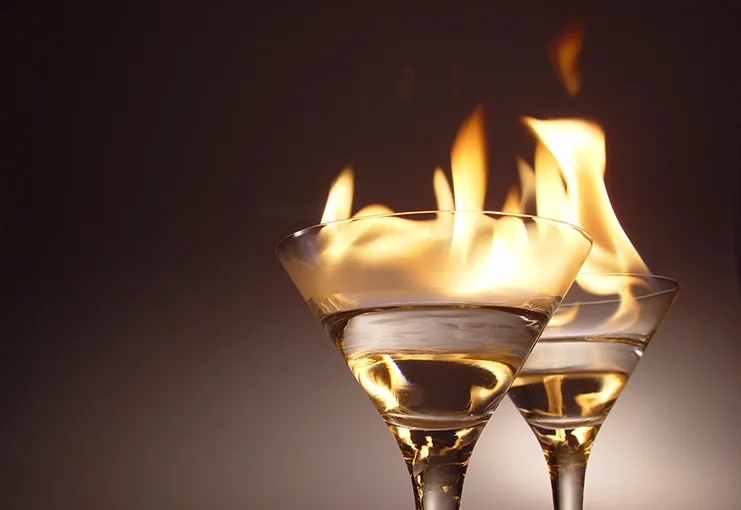
Original Spirited Drinks from Königsberg

Getting ready for the holidays: recipes for local cocktails, plus a look at their history

Aleksandr Khokhlov: “Preserving the Castle Ruins Does Not Contradict the Idea of Rebuilding It”

Интервью с титулованным археологом

The East Prussian Operation and the Capture of Königsberg

The East Prussian Operation was aimed at crushing a large pocket of resistance; however, its strategic significance should not be overestimated

Being Determines Consciousness

The fragments of the material culture of past eras that have survived in the Kaliningrad region exert a strong, and sometimes decisive, influence on …

Local Border Dislike

A view of Polish-Russian cooperation in the local border traffic zone from Switzerland and Portugal.

What Can Kaliningrad's Monuments Tell Us?

The Kaliningrad region (formerly East Prussia) invites you on an unforgettable journey.

The Sound Police

A city’s palette of sounds is no less important than its visual one. Sometimes sounds can tell you more than pictures.

A Tourist Mecca in the East of the Kaliningrad Region

The Rominten Heath combines natural beauty, cultural heritage and excellent opportunities for tourism

What Should the City's Architectural Symbol Be?

A City You Want to Come Back To

Once you are back home from Kaliningrad, you will remember it. Remember it so vividly that you will want to come back.

"Atlantis" at the Crossroads of Cultures

Successful intercultural projects with our neighbours, Poland and Lithuania, give hope for further cooperation.

Flora of the Kaliningrad Region: the Zehlau Bog, the Curonian and Vistula Spits

The continuation of Natalya Antonova's overview article on the flora of the Kaliningrad Region

The Fish Menu of a Land of Fishermen

Rich catches had a beneficial effect on both the quality and the number of recipes

What Is My City to You?

How do people who have never been here imagine Kaliningrad? We asked residents of other cities and countries to let their imagination run free on the…

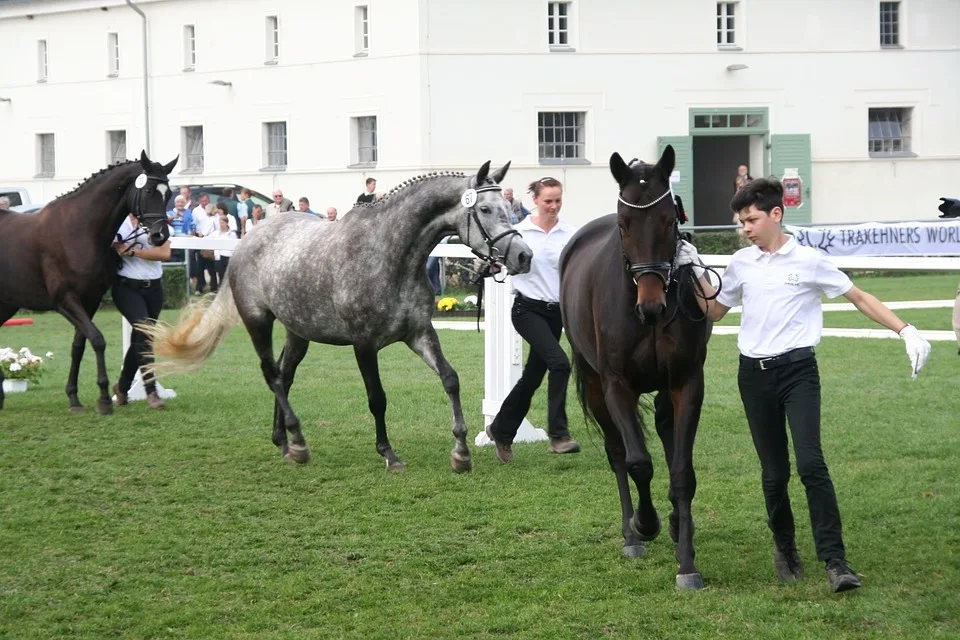
Hailing from East Prussia — The Trakehner Horse Breed

The centuries-old history of the Trakehner horse breed

Singin’ in the Rain. The Kaliningrad Version

It turns out that loving the rain and loving your city are two sides of the same coin.

The Kaliningrad Region's 20 Top Annual Events

A round-up of events held in the Kaliningrad Region that you need not be ashamed to invite guests from Russia and Europe to.

"Moscow Doesn't Love You": Kaliningrad Music

How Kaliningrad music lost its "fabulous 90s"

Two Cities in One: Many Plans, but No Progress

A report in a Swiss newspaper looks at the face of modern Kaliningrad, which in places coexists with Königsberg.

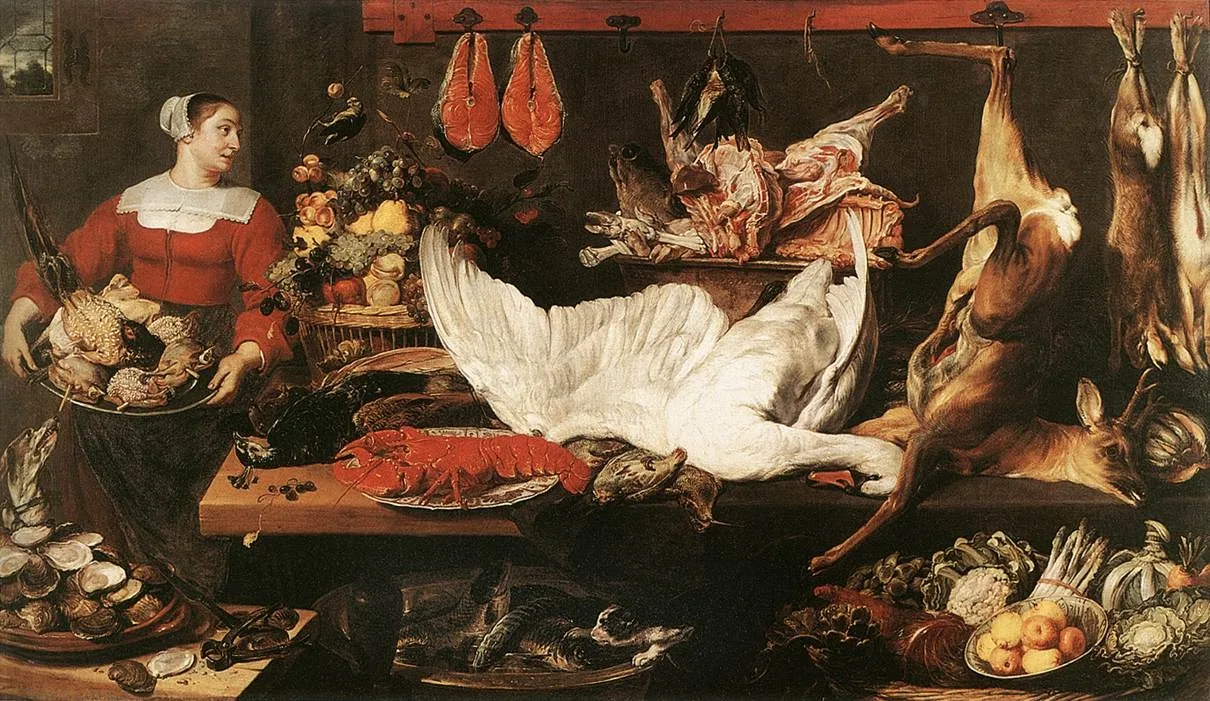
East Prussian Game Dishes

Game was one of the pillars of traditional East Prussian cuisine

Flora of the Kaliningrad Region: Introduced Species, Exotics and the Red Book

The mild climate creates favourable conditions for the diversity of the region's plant life

Art and Discovery: The First Years in a New Land

It was in creative circles that the images of the region took shape, images that later spread widely.

The Ghost of a Garden City

We have to admit it — Kaliningrad as a garden city is no more

Kaliningrad – Russia's Secret Capital

Maxim Goryunov reflects on who lives well in Russia and where, and why the Kaliningrad Region is cool

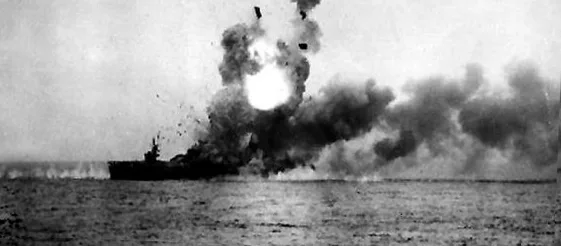
Heavy Losses for the Common Victory – the Baltic Fleet in the Second World War

The price the Baltic Fleet had to pay for victory at sea during the Second World War

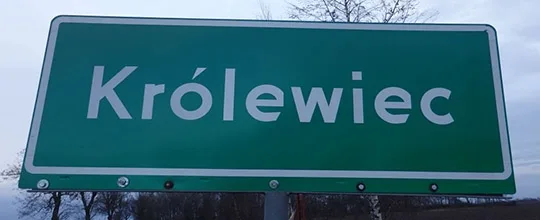
Królewiec: a city that does not exist

Many Polish diplomats call Kaliningrad Królewiec, avoiding any mention of M. I. Kalinin's name

The Potato on the King of Prussia's Menu

How the potato won its place on Prussian tables, plus recipes

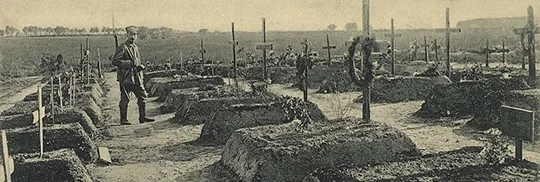
First World War Burials and Memorials (1914–1945)

All First World War burials and memorials in East Prussia were in excellent condition

Kaliningrad Votes for Königsberg Castle

A project to restore the Royal Castle in Kaliningrad has won an online vote

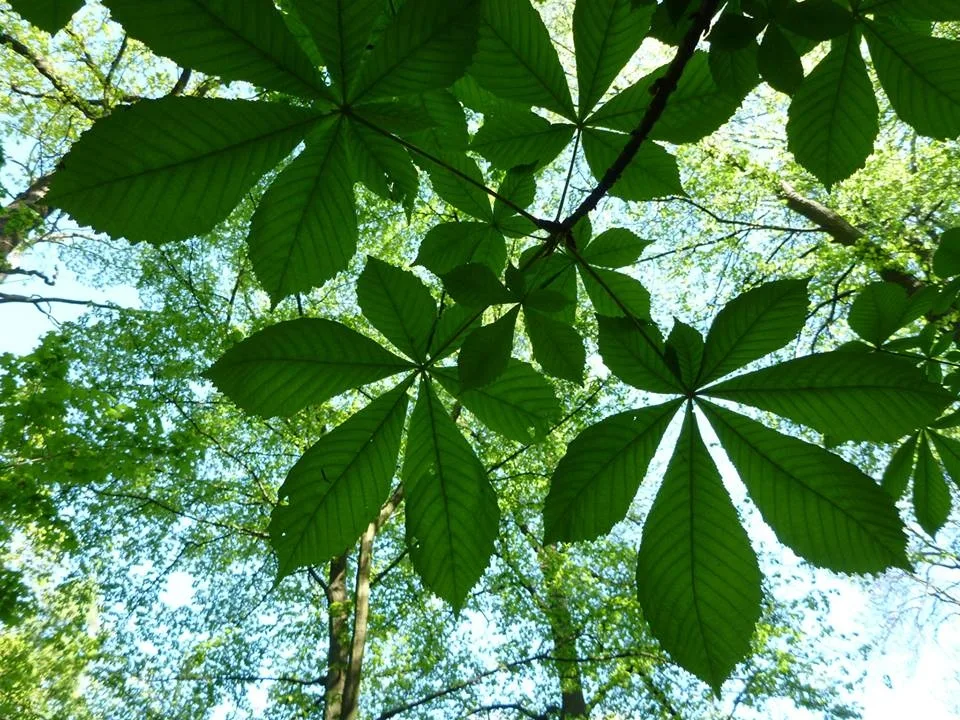
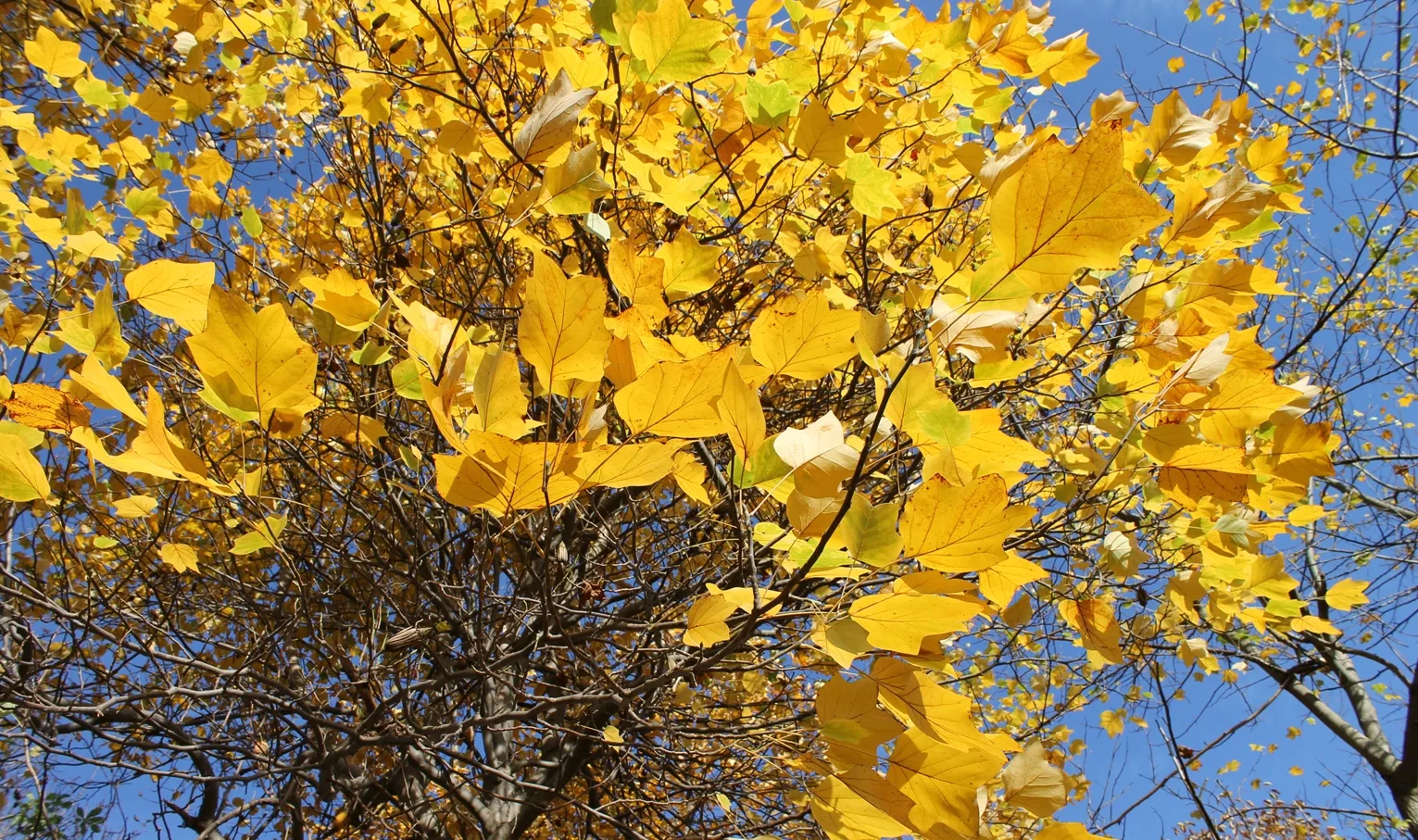
How to Save Chestnut Trees

Saving the chestnut trees of Kaliningrad is an important cause conceived and carried out by caring local residents

Moritz Becker Park in Yantarny

A remarkable park in the centre of Yantarny was created by the industrialist Moritz Becker

The First World War. How the Russians Saved Paris near Olsztyn

How Russia saved France in the First World War on the eve of its own ruin. The Battle of Tannenberg

Legends of the Prussian Hills: The Earthen Pyramids of Sambia

What did our predecessors see in the earthen “pyramids” left by the Prussians in shady forests?

The View from Poland: Kaliningrad — a Partner in Sociocultural Dialogue or Russia's Military Outpost?

An active presence of the Kaliningrad Region in Poland's information space is essential if our neighbours are to form a positive perception of our re…

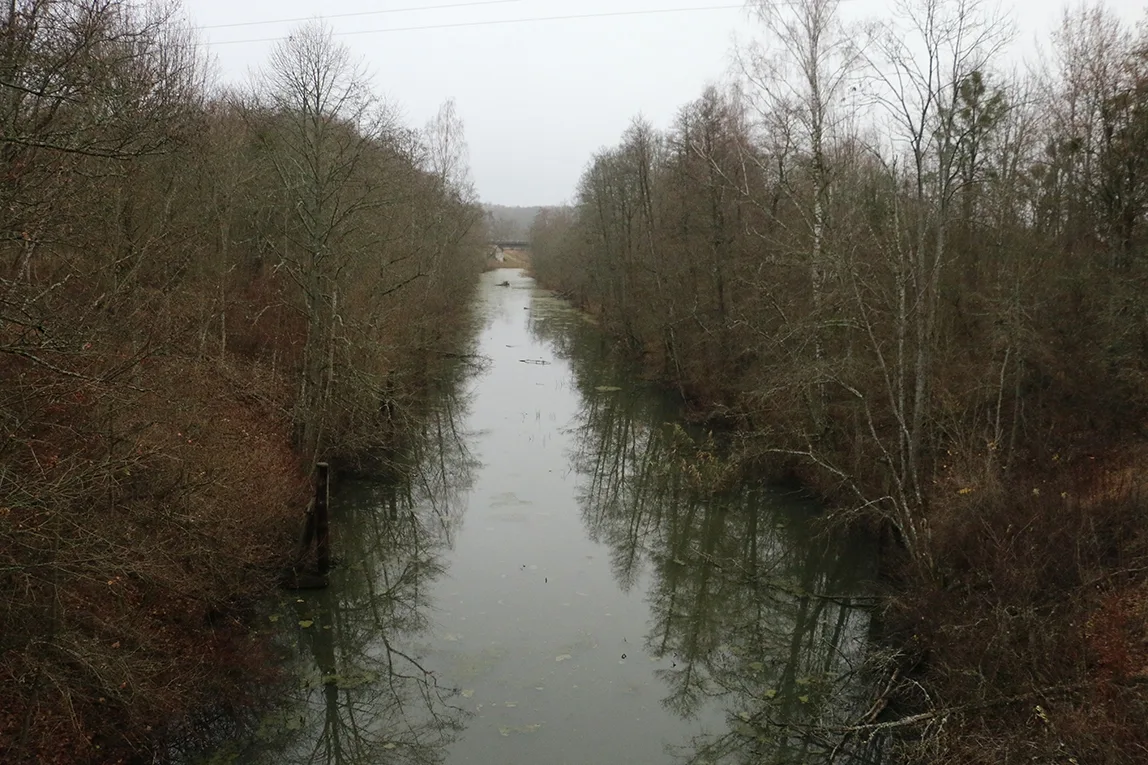
The Ghost Canal

A unique hydraulic structure in the Kaliningrad Region – the Masurian Canal

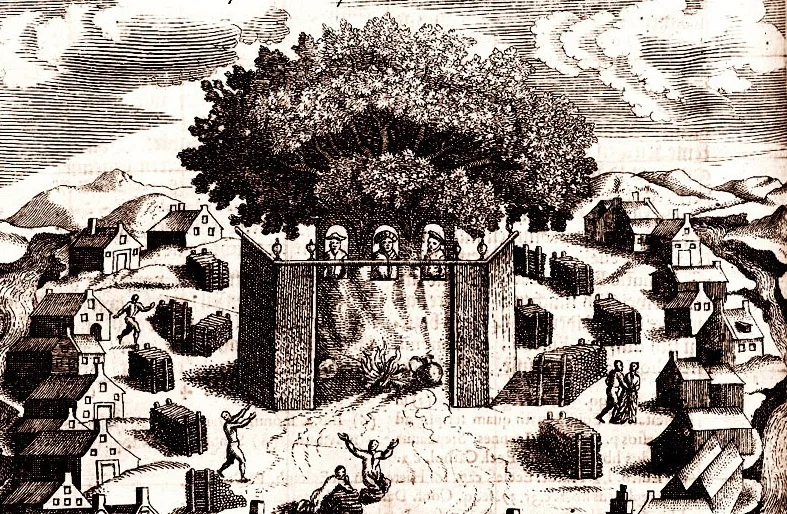
Ramawa — the Prussian Mecca

The mysterious Romowe — the main sanctuary of the Prussians — lies in what is now the Kaliningrad Region

Artyom Yurov: "People today are practically gods, they just don't realise it"

An interview with Artyom Yurov. The Universe is infinite

A Conversation About Ourselves

A society, just like an individual, needs to reflect on its own way of life, on its meanings and goals

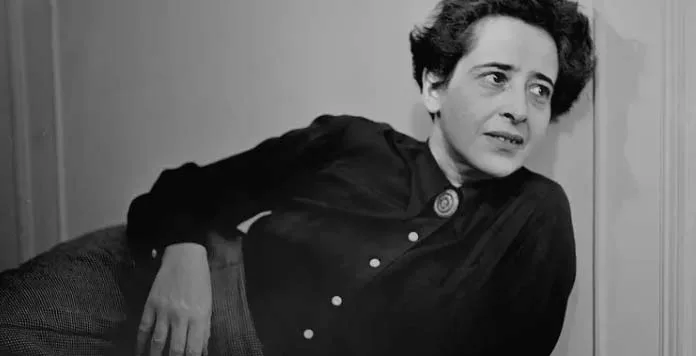
Hannah Arendt: Thinker, Citizen of the World and Königsberger

For the people of Kaliningrad she is interesting as someone who grew up in our city and absorbed its atmosphere

Kaliningrad: Foreign Yet Home

Stop for a moment, look at Kaliningrad through a stranger's eyes, and believe me, it will light up in bright new colours

Kaliningrad, a Beautiful City

But I have the sea every day, apples and pears straight from the tree, a warm winter and clean streets. It is very important to love the place you ha…

The Vistula Spit: A Military-Recreational Zone

The Vistula Spit has become a very precise metaphor for Russia as a whole

The Starry Trail of Friedrich Bessel

The great astronomer's achievements include calculating the orbital elements of Halley's Comet, determining the masses of several planets and develop…

A Sanctuary of Architectural Compromises

In a few years' time the Royal Hill in Kaliningrad may turn into another Victory Square.

The Story of Chef Schmid and His Signature Dish

In memory of the Curonian Spit, Karl came up with an original recipe that later graced the traditional local cuisine

Tatyana Yakovleva: "Every bit of the garden must be beautiful at any time of year"

An interview with the director of the IKBFU Botanical Garden

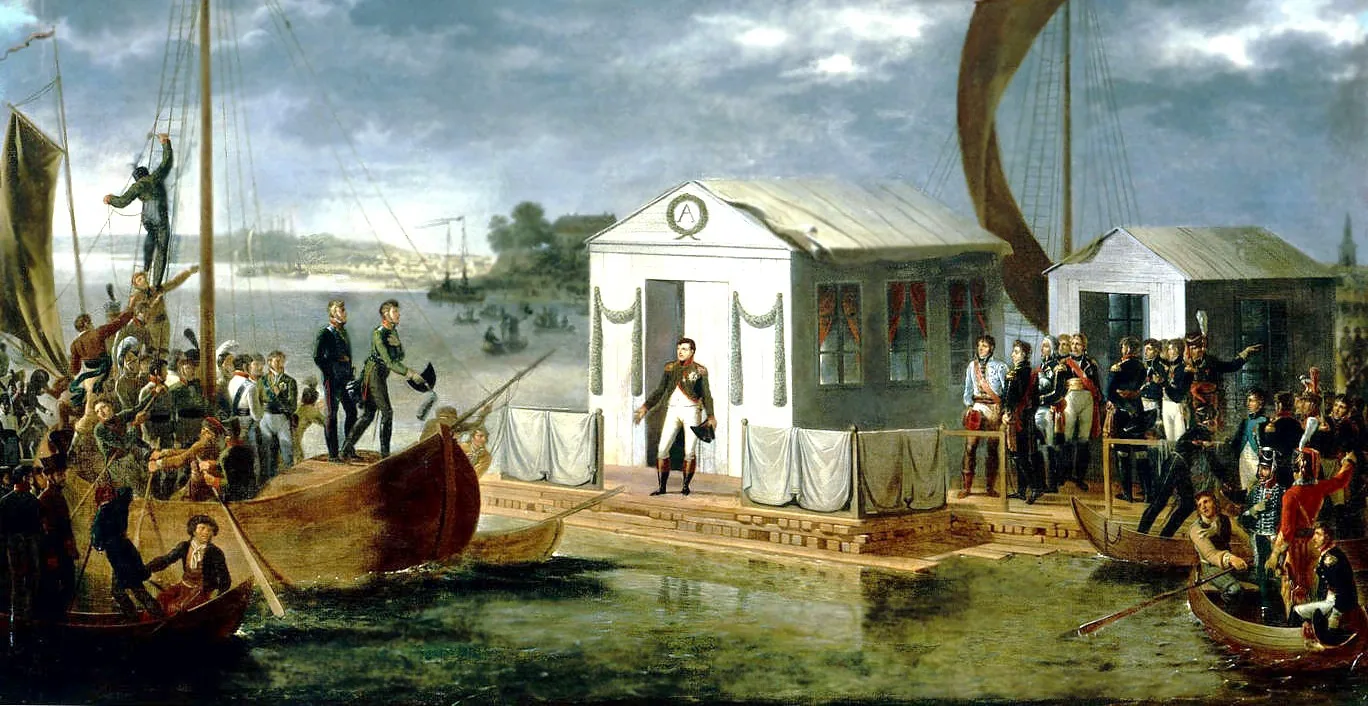
1806–07. Reconnaissance in Force before Borodino, or Napoleon on the Shores of the Baltic

In the East Prussian campaign of 1806–1807, Russia fought Napoleon himself on equal terms

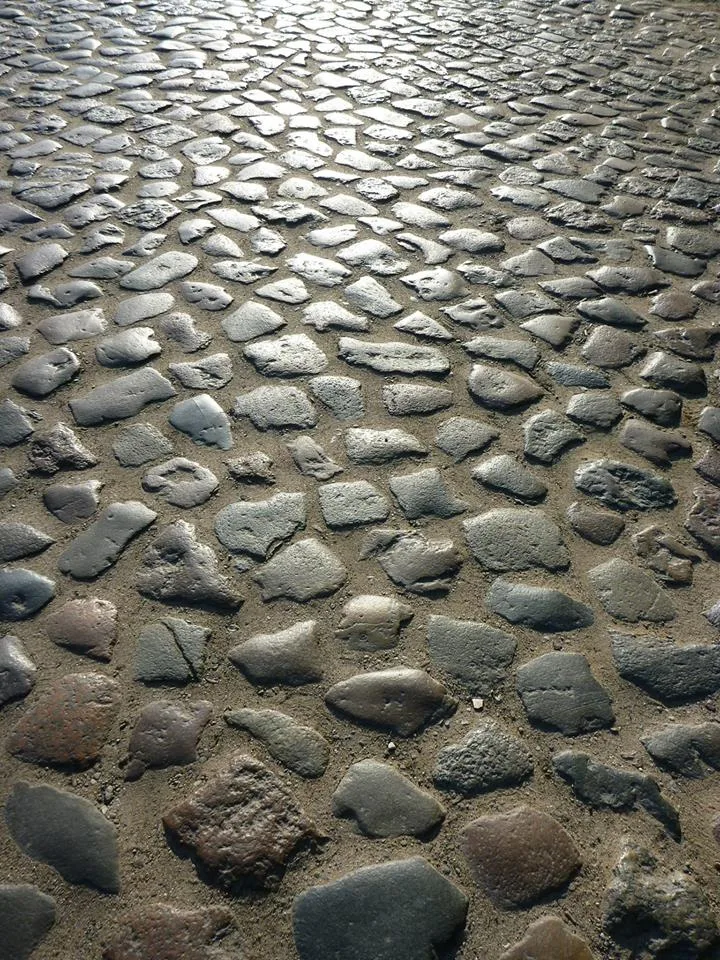
Cornerstones

The recipe for preserving the cobblestones is ridiculously simple. If residents and the authorities care, they will stay; if they don't, they will di…

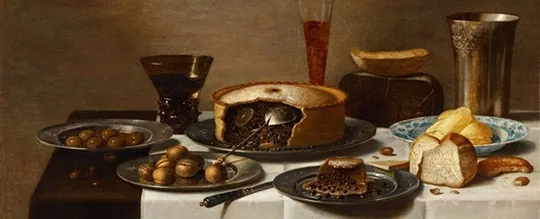
The Character of Traditional East Prussian Cuisine

One can only marvel at its variety, even though everyday food was very simple

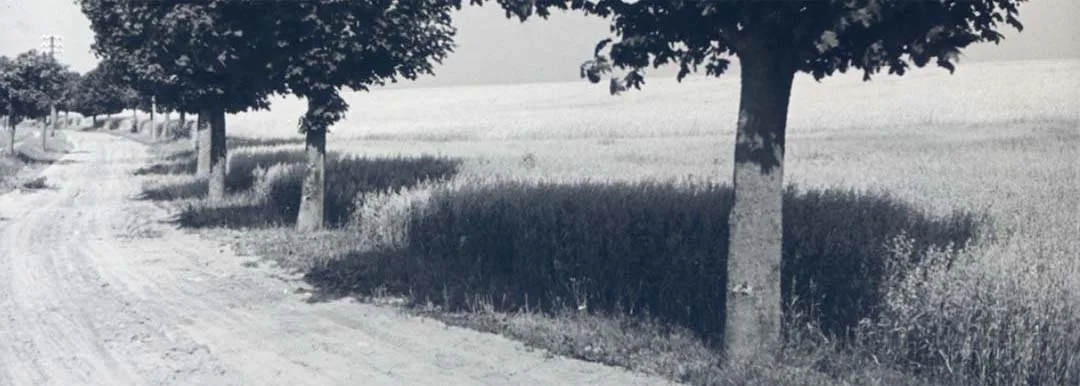
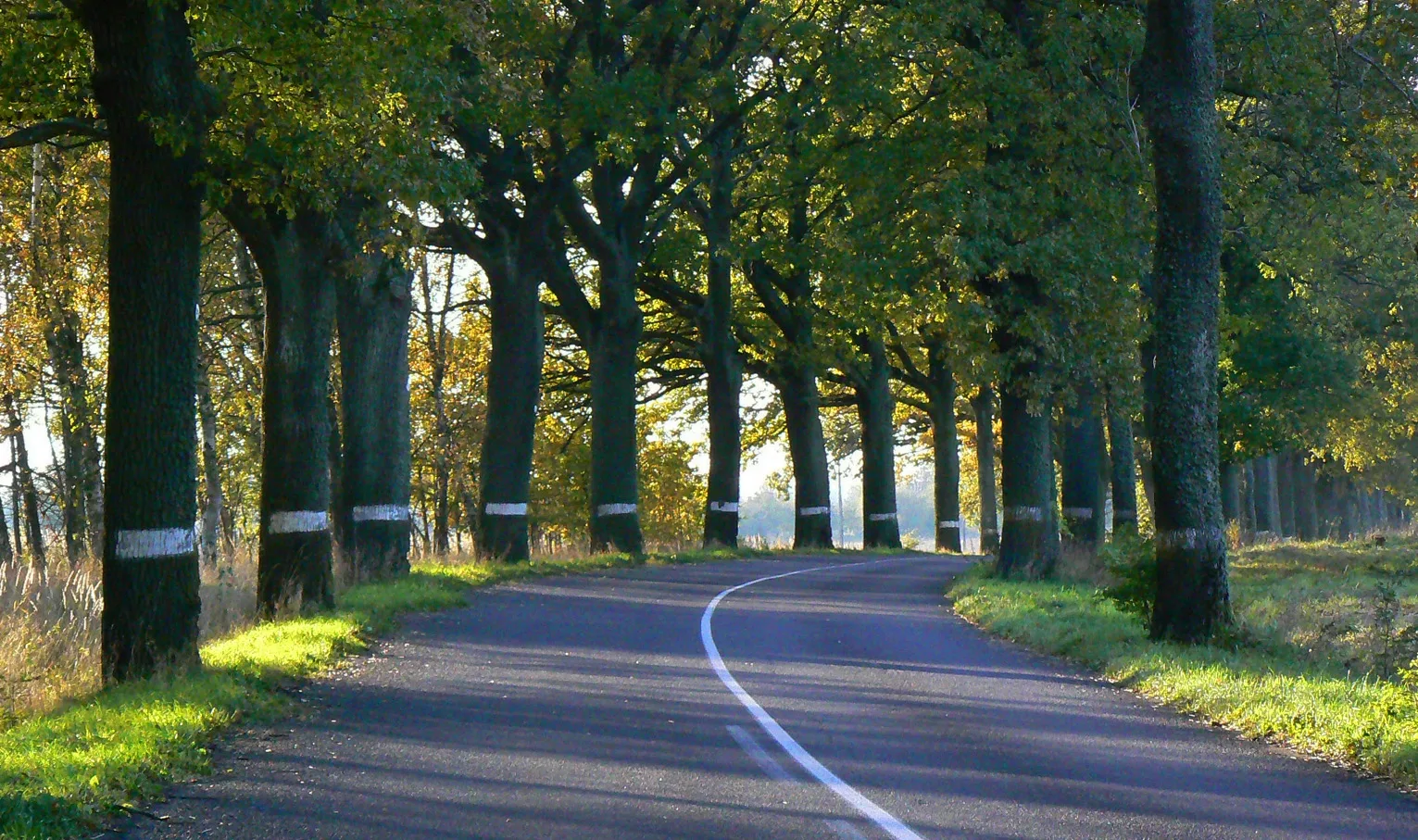
Along the "Green Corridors": Roadside Alleys of the Kaliningrad Region

The calling card of the Kaliningrad Region

The Rominta Forest: A Picturesque Corner with a Rich History

One of the most fascinating and beautiful places in the Kaliningrad Region

1756–1763. Kant Is Ours, or the Seven Years' War in East Prussia

The history of the Seven Years' War in East Prussia

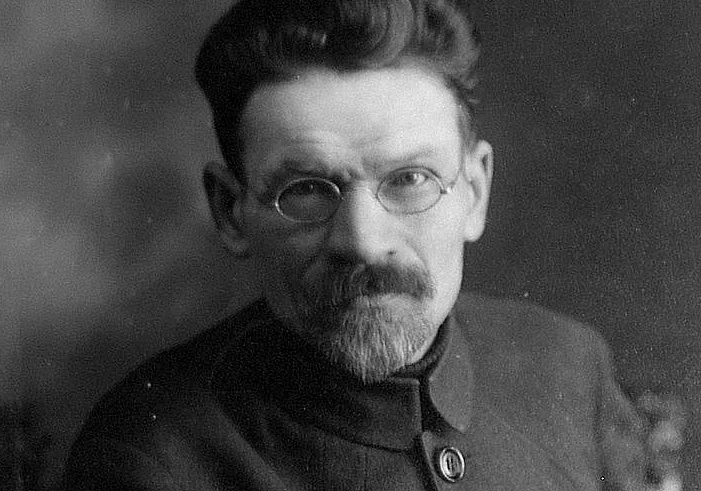
A Powerless President: The Mark Mikhail Ivanovich Kalinin Left on History

A peasant's son from the backwoods of Tver could hardly have imagined that Königsberg in Prussia would one day be renamed in his honour

It Did Not Come True: How Kaliningrad Failed to Become a Platform for Russia–EU Dialogue

Kaliningrad's dream of taking part in the foreign-policy "game" between Russia and the EU has not come true so far.