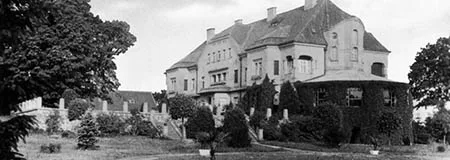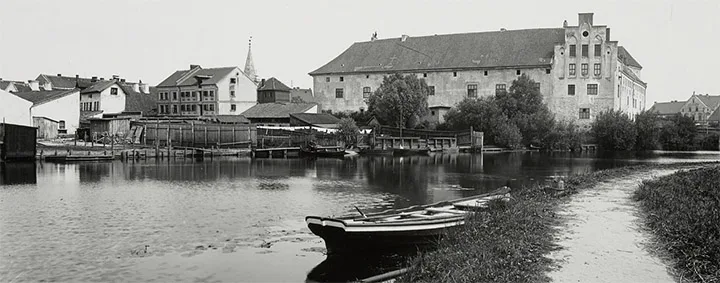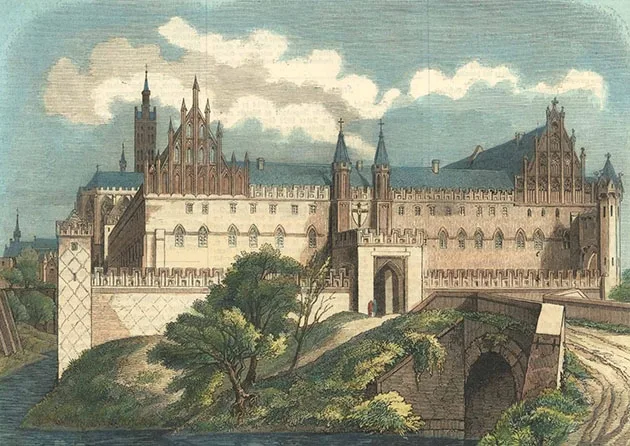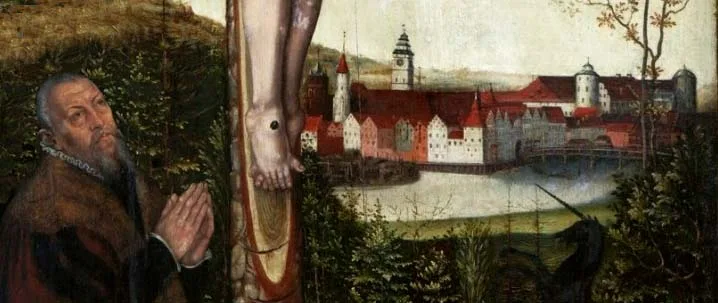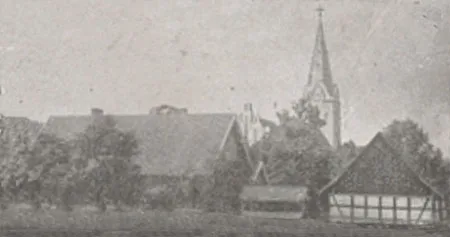
When the Prussian lands were first divided between the Teutonic Order and the bishop, the area known as Caym or Caymis remained with the Order. In 1261 the Prussian stronghold was rebuilt as an Order castle, and a settlement began to grow up at its walls at about the same time. In 1299 Kaymen was granted to a Prussian nobleman for his loyalty to the Teutonic Order. In 1308 the fortress was taken by the Lithuanians and burned. After this it was decided to rebuild Kaymen in stone, which was done between 1330 and 1352. Once completed, Kaymen Castle was probably a two-wing building with an extensive outer bailey (Vorburg). After the rebuilding, the castle withstood several Lithuanian raids, and each time the garrison succeeded in beating off the attackers and holding out against the siege. From 1424 Kaymen was the seat of a Kammeramt belonging to the Komturei of Königsberg. After the Thirteen Years' War (1454–1466), Kaymen Castle was handed over to a mercenary commander in settlement of a debt. On 3 September 1525 the castle was seized by rebellious peasants, who took the administrator of the Amt, Andreas Rippe, prisoner. Duke Albrecht threatened the rebels with harsh reprisals, after which the uprising died down. Rippe was removed from his post and the ringleaders were executed (such was the compromise that was reached). In 1668, on the orders of Elector Frederick William, the inner part of the castle was rebuilt.
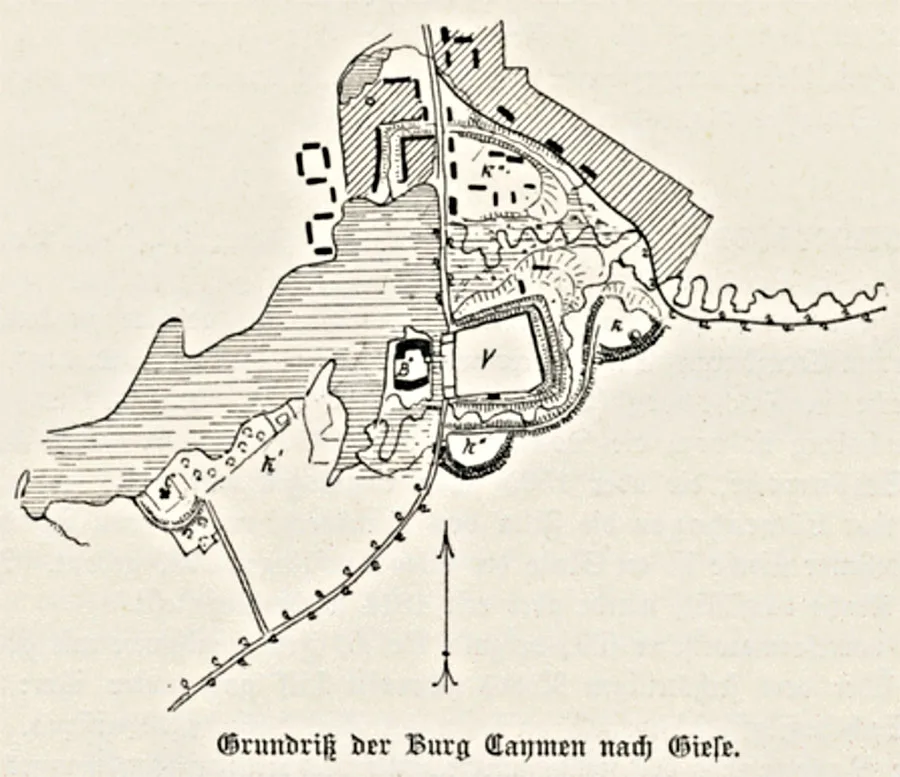
On 21 January 1758 the capitulation of East Prussia was signed at Kaymen, after which “the keys to the gates of Königsberg and Fort Friedrichsburg” were handed over to the Russian command.
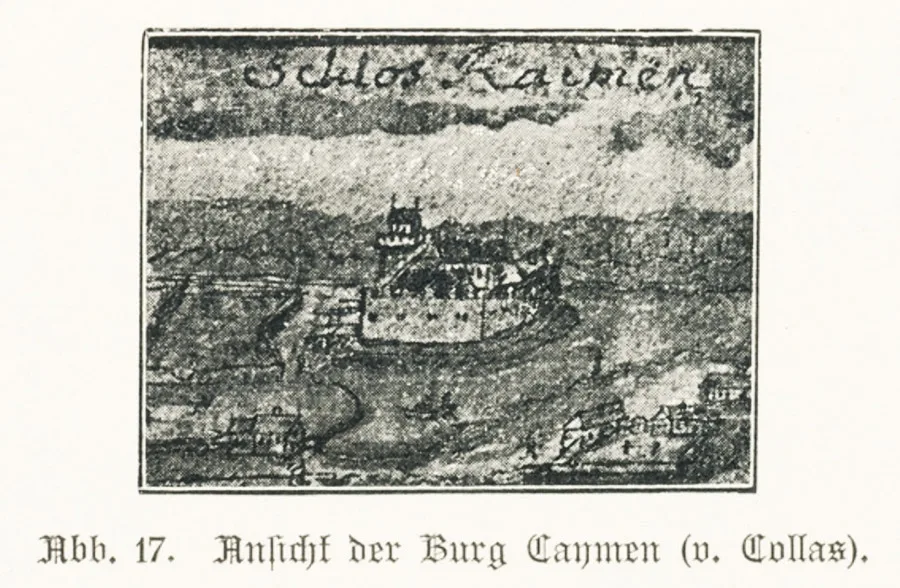
In 1782–1783 the castle was enlarged and remodelled by the architect Glasius Berwart. Some of the walls and towers were demolished, and the castle was adapted for administrative rather than military use. In the first half of the 20th century the castle was leased out.
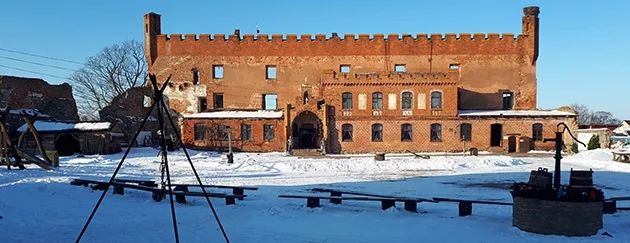
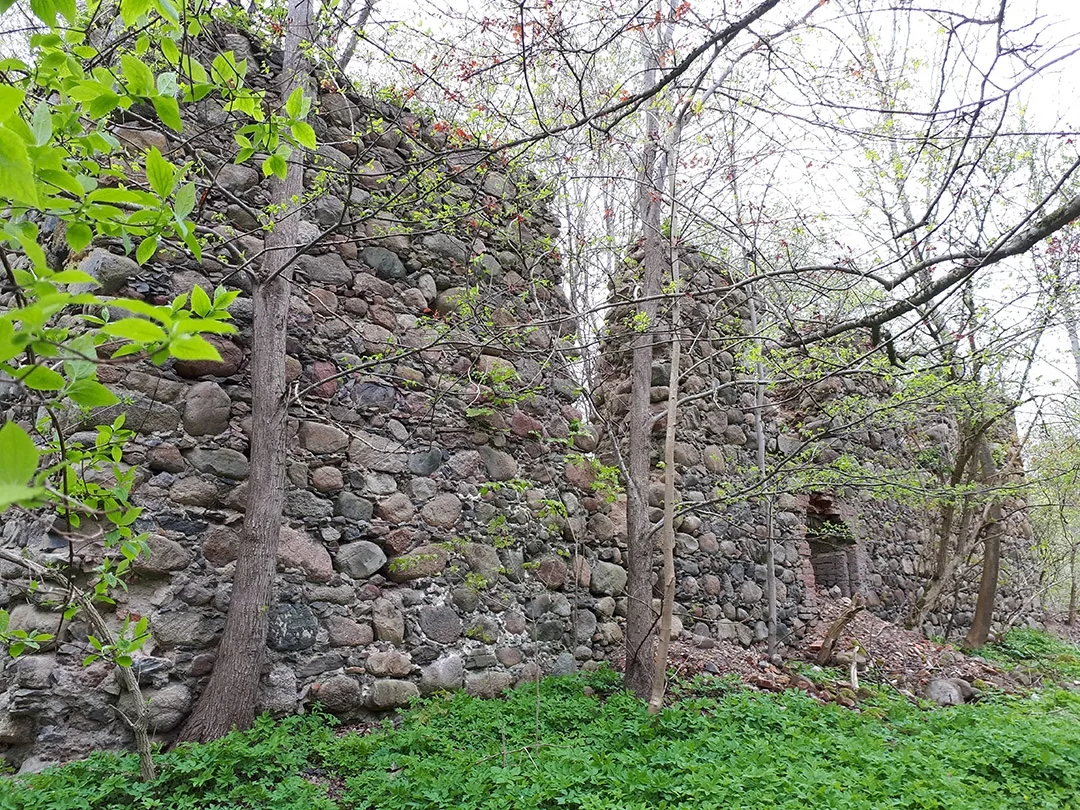
The Soviet settlers inherited the castle in tolerable condition, though it needed care and repair. The local collective farm, however, used it for purely practical purposes, as storehouses and a pigsty. The castle became popular when, in the 1990s, it somehow found its way into a guidebook to the region's sights; this did not, however, stop the local residents from turning it into a source of building material. As a result, by the turn of the millennium all that was left were fragments of walls overgrown with shrubs and half-buried cellars.
Photos on this page: Bildarchiv Ostpreußen, bildarchiv-ostpreussen.de, Mikhail Ogorodnikov (2021)
Translated from Russian with the help of AI (Claude, Anthropic), October 2026.