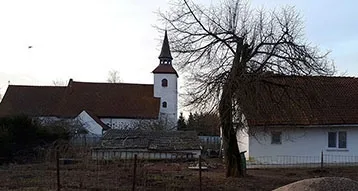
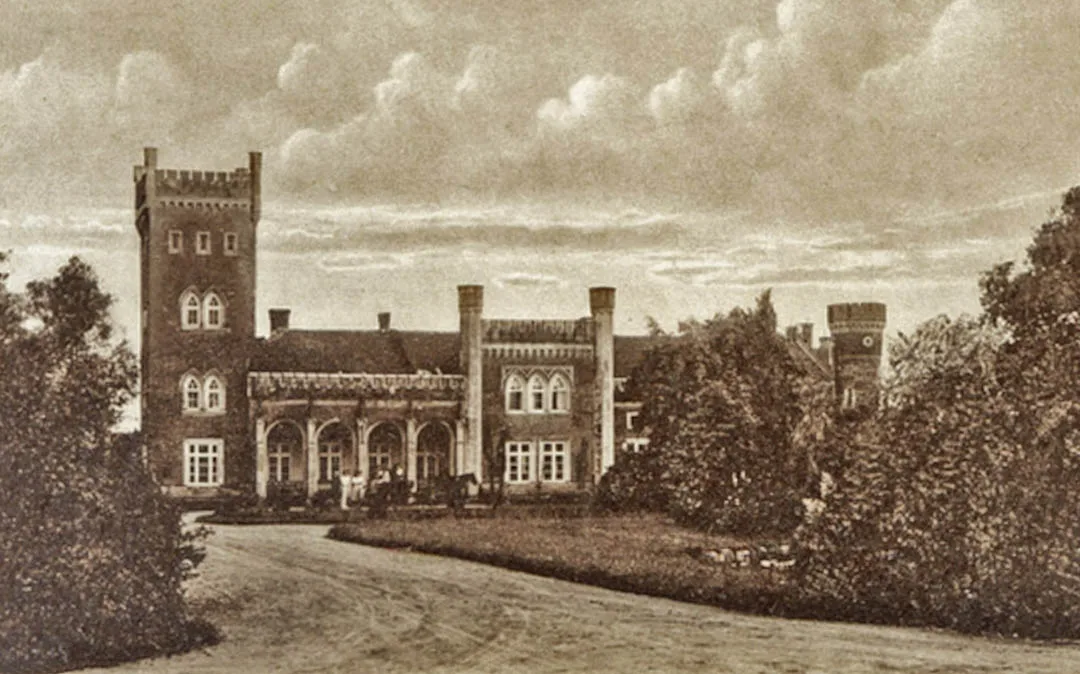
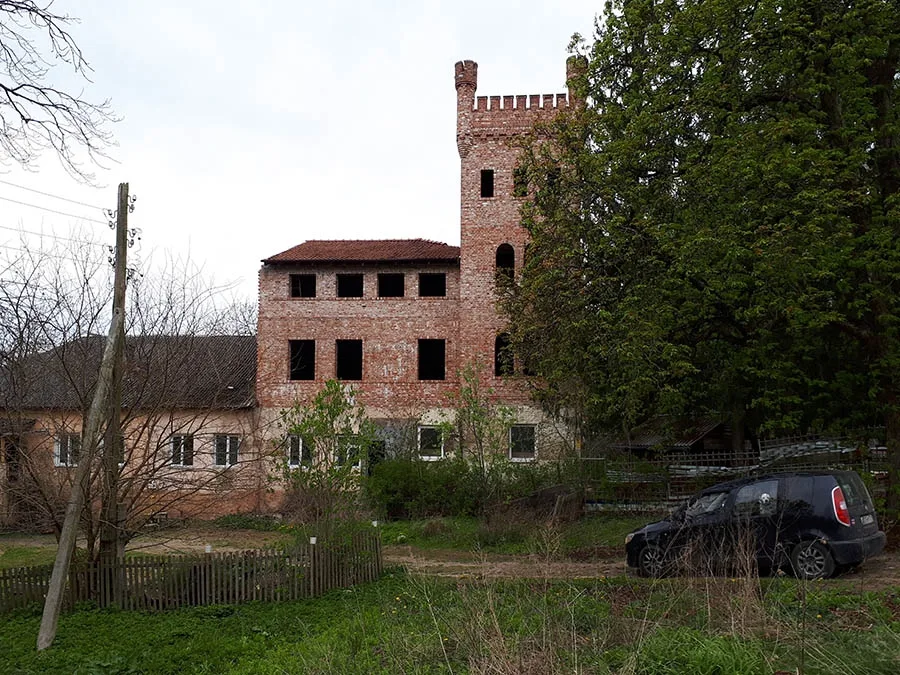
Langendorf is first mentioned in 1540 (as Adlig Langendorf), although a Prussian fortress stood on this site as early as the 13th century. The fortress, which served to shelter the population from Lithuanian raids, was held with the Order's knowledge by the Prussian chieftain Sclodo of Quednau (the Severnaya Gora settlement), who became the progenitor of the noble von Perbandt family. The Perbandt family owned Langendorf right up to the 19th century. In 1865 a residential palace in the Italian style, with towers and battlements, was built next to the castle. The family cemetery was located in the main part of the fortress.
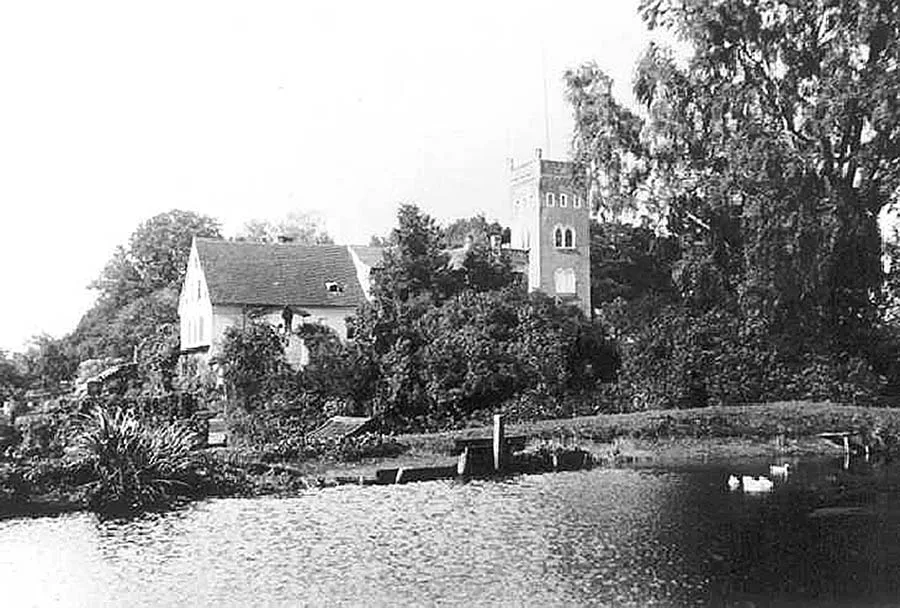
Until 1928 there were two administrative units in immediate proximity to each other: the village of Königlich Langendorf and the estate of Adlig Langendorf.
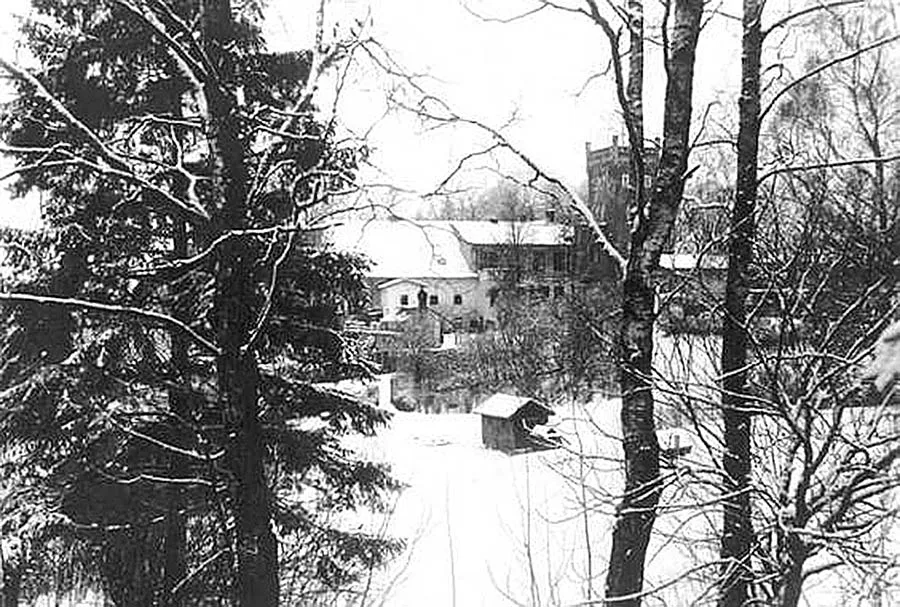
The village of Königlich Langendorf formed a rural community in the Landkreis Wehlau (Znamensk). The village belonged to the parish of Kremitten (Sosnovka, later Lozovoye). The community also included the Vorwerk Kleinhof Langendorf (Sokolniki). In 1874 the Königlich Langendorf community was included in the newly established Amtsbezirk Kremitten (Sosnovka, later Lozovoye).
In the 19th century Adlig Langendorf was a manorial estate (Rittergutsdorf) forming a Gutsbezirk in the Landkreis Wehlau (Znamensk). The estate belonged to the parish of Kremitten (Sosnovka, later Lozovoye). The Gutsbezirk also included the outlying Vorwerk Albrechtshof (54°43'40'' N 21°01'04'' E) and the locality of Glücklack (54°39'04'' N 20°58'43'' E). In 1874 the Gutsbezirk was included in the newly established Amtsbezirk Kremitten (Sosnovka, later Lozovoye).
The heads of the Amtsbezirk lived in Langendorf from its foundation in 1874 until 1900, in 1925–27 and from 1933. On 30 September 1928 the Gutsbezirk Adlig Langendorf (without its outlying forest holdings) and the southern part of the Gutsbezirk Podollen (Lozovoye) were merged into the new rural community of Langendorf. On 1 November 1928 the rural community of Königlich Langendorf became part of the rural community of Langendorf. The merged Langendorf community consisted of the following localities: the Adlig Langendorf estate (Sokolniki), the villages of Königlich Langendorf (Sokolniki) and Königlich Kremitten (Sosnovka), and the Vorwerke Kleinhof Langendorf (Sokolniki), Albrechtshof and Heydekrug (54°38'39'' N 20°58'51'' E).
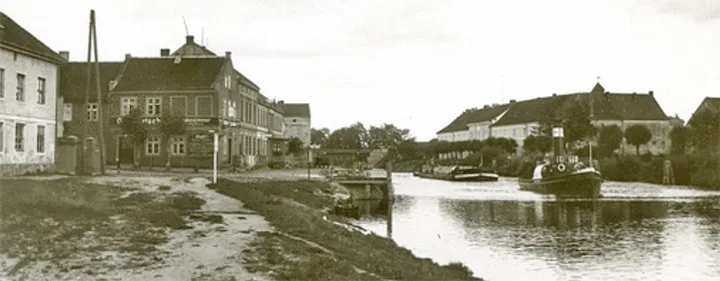
A ferry crossing over the Pregel operated near the Langendorf estate.
On 17 November 1947 Langendorf (comprising Adlig Langendorf, Königlich Langendorf and Kleinhof Langendorf) was renamed the settlement of Sokolniki. In 1955 the settlement had 14 houses. By 1963 the number of houses had risen to 27, and part of the territory of the former Vorwerk Kleinhof Langendorf had been flooded by the Pregolya.
Sight: the palace, now under restoration.
Population change: 1986 – 250, 2002 – 266 inhabitants.
Population change of the Adlig Langendorf Gutsbezirk: 1905 – 216, 1910 – 233 inhabitants.
Population change of the Königlich Langendorf community: 1905 – 69, 1910 – 30 inhabitants.
Population of the Vorwerk Kleinhof Langendorf: 1905 – 7 inhabitants
Population change of the merged rural community of Langendorf: 1933 – 399, 1939 – 321 inhabitants.
Population of the Vorwerk Albrechtshof: 1905 – 25 inhabitants.
Population of the Vorwerk Glücklack: 1905 – 2 inhabitants.
Population of the Vorwerk Heydekrug: 1905 – 23 inhabitants.
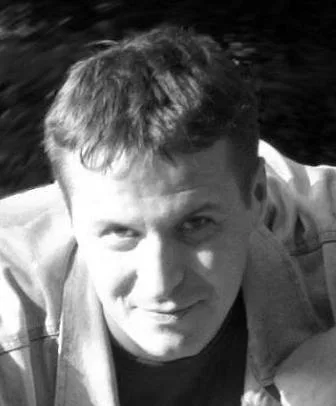
Modern photo by Mikhail Ogorodnikov.
Translated from Russian with the help of AI (Claude, Anthropic), October 2026.