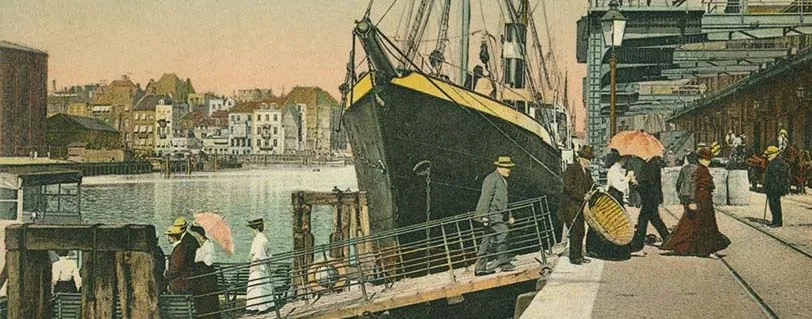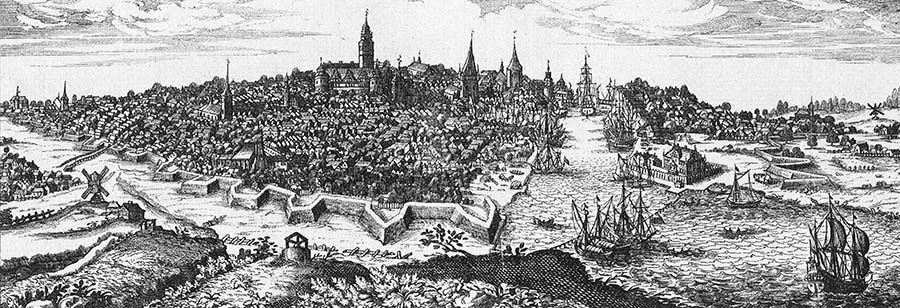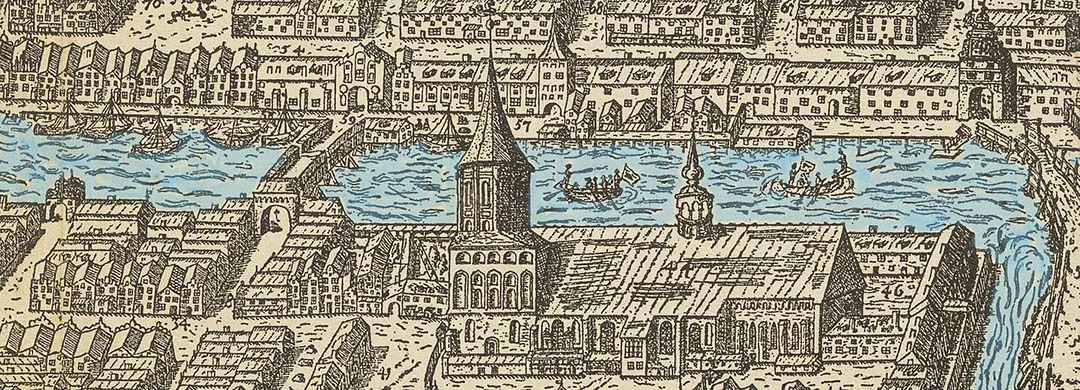
For the people of Königsberg, summer leisure is inseparable from sea bathing and walks across the hills of Samland with their shady forests, where hares, deer, wild boar and elk can still be met. Full of memories of beach holidays in Rauschen and Cranz, of walks to the Borstenstein and the Gausup ravine, the Königsbergers prepare for the long winter.
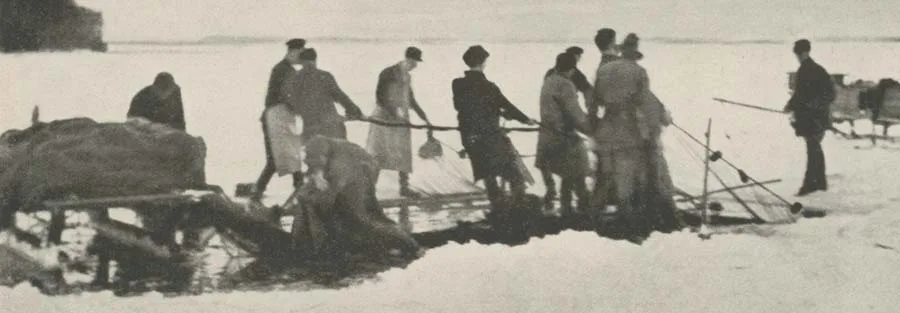
If the winter turns out to be a good, real one — not a constant slush of wet snow, when frost keeps giving way to thaw and snow to rain, a grey fog hangs over the ground and the sky is overcast — then a great pleasure awaits the people of Königsberg. The Pregel freezes over, the sun shines brightly and joyfully, the smoke from the chimneys rises in straight columns against the blue sky, and underfoot the freshly fallen snow, sparkling and reaching up to the ankles, crunches. The crows caw merrily, and one's heart feels festive and glad.
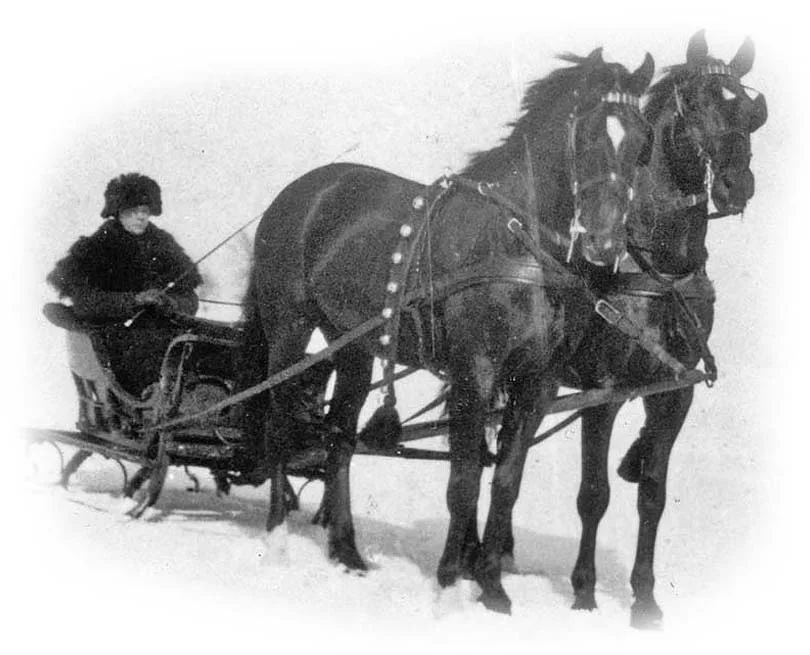
Sometimes this clear winter weather lasts eight or nine weeks, only rarely interrupted by gloomy snowy days. During these weeks sleigh rides on the Pregel, along with skating, become the townspeople's chief amusement.
Just look: down on the embankment, where the ferry usually departs in summer, hundreds of horse-drawn sleighs are standing. From here people usually drive to Holstein for a cup of coffee. The frozen river rings with the jingling of bells, the cracking and whistling of whips, the clatter of the hooves of horses racing one another.
Alongside the riders, crowds of townspeople stroll back and forth on the ice of the Pregel, making a pilgrimage to Kosse or still further — to the coffee house on the dam leading to Holstein. The sight of the many sleighs hurrying in all directions and of the brisk pedestrians, standing out picturesquely in their dark coats and furs against the white snowy background of the river, is most picturesque. Add to this the big loaded wagons constantly arriving in and leaving Königsberg in every direction, for clear frosty days favour such haulage. And Königsberg often complains of the periods when blizzards and snowstorms rage, bringing a mixture of snow, rain and wind. They mean that the roads will sink into impassable mud and new food supplies will have to wait. That is why a frost of 8–10 degrees is for us in Königsberg the most pleasant winter weather.
Source
Karl Friedrich Rosenkranz
«Königsberger Skizzen»
Danzig. Verlag und Druck von Fr. Gerhard. 1842.
Photos
Bildarchiv Ostpreußen bildarchiv-ostpreussen.de.
LEGENDS OF PRUSSIA in the blog of Tatyana Kolivay.
Translated from Russian with the help of AI (Claude, Anthropic), October 2026.