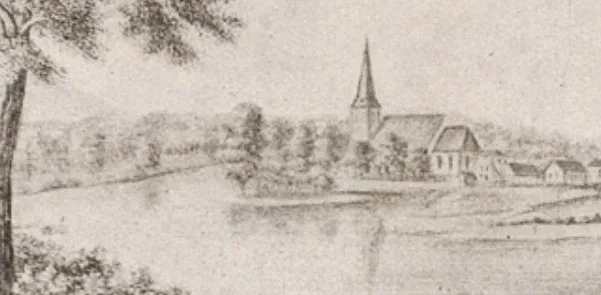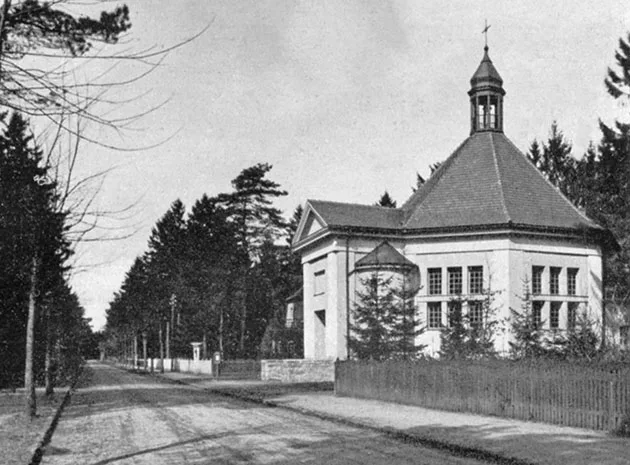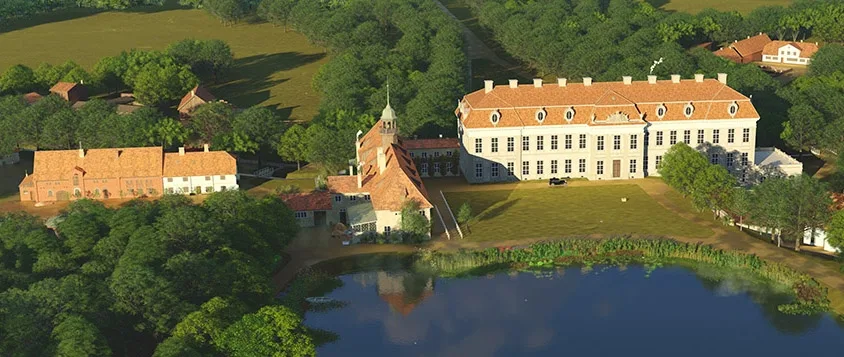
On the site of the Preil hillfort, the Order founded a castle that guarded the approaches to the capital from the direction of Samland. At first a small single-wing building measuring 25 x 13 m was built, with a rectangular courtyard and a fortified gatehouse. Then, in the 14th century, after numerous Lithuanian raids, the first and fairly spacious outer bailey (Vorburg), 140 x 80 m, was constructed to serve as a refuge for the local population. The fortress was strengthened with a deep moat. The church built within the outer bailey also had a defensive role. At the same time, work began in the Wargen area on the Landgraben canal, which would later supply the East Prussian capital with water.
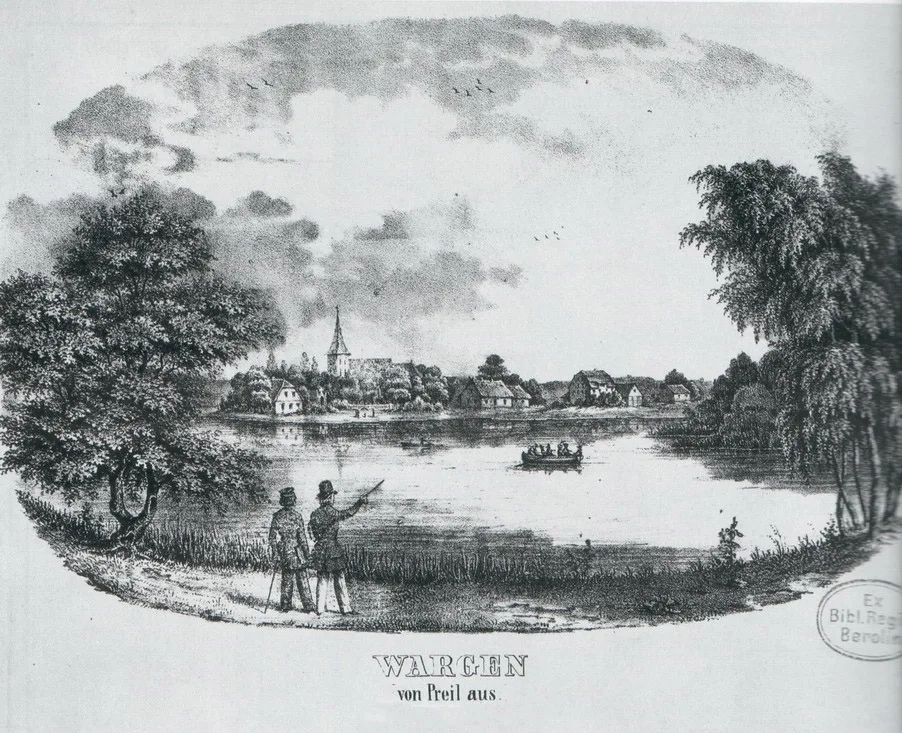
By the early 15th century the fortress had lost its defensive importance.
In 1436 the castle was converted into a prison, and a hundred years later, no longer of use to anyone, it was handed over in 1539 to Jörgen von Kapitz. Under the terms of the agreement, the count was not only to keep the castle in good repair and have chambers ready for the duke and other high-ranking guests, but also to maintain the prisoners still held there: to feed them, give them drink and guard them. In 1561 the castle passed to Wilhelm Tiesel von Taltitz. His son, however, sold it in 1593 for 50 Prussian marks to Christoph von Kanitz, a member of an ancient noble family whose Prussian line had been founded at the end of the 15th century; he in turn donated the castle to the church in 1611. A small village soon grew up beside the castle walls, and the fortifications were gradually dismantled for building material. In documents of 1780 the castle was already listed as half-ruined. By 1826 nothing of it remained. On the foundations of the castle wing a house was built for the clergy who held services in the church, which was still standing.
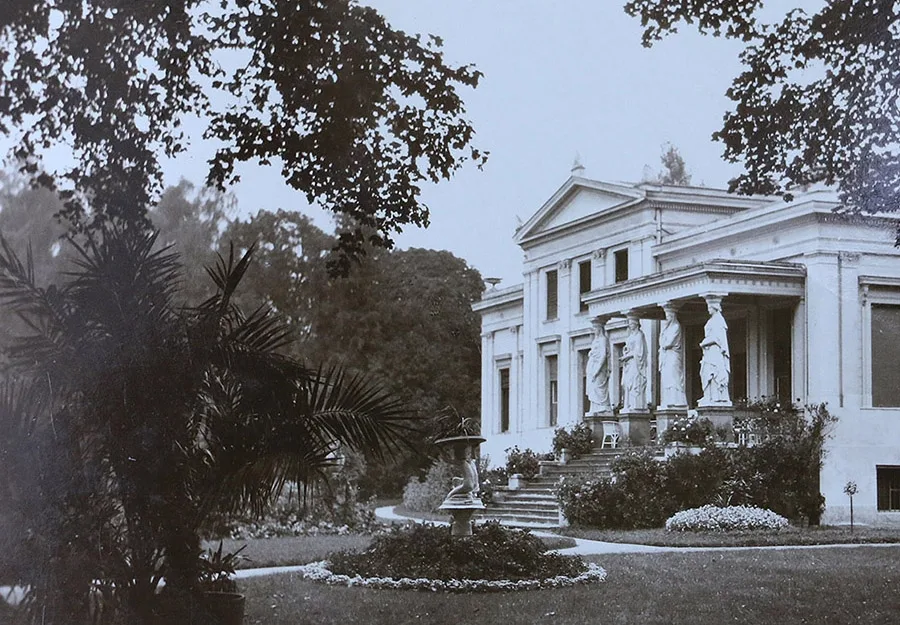
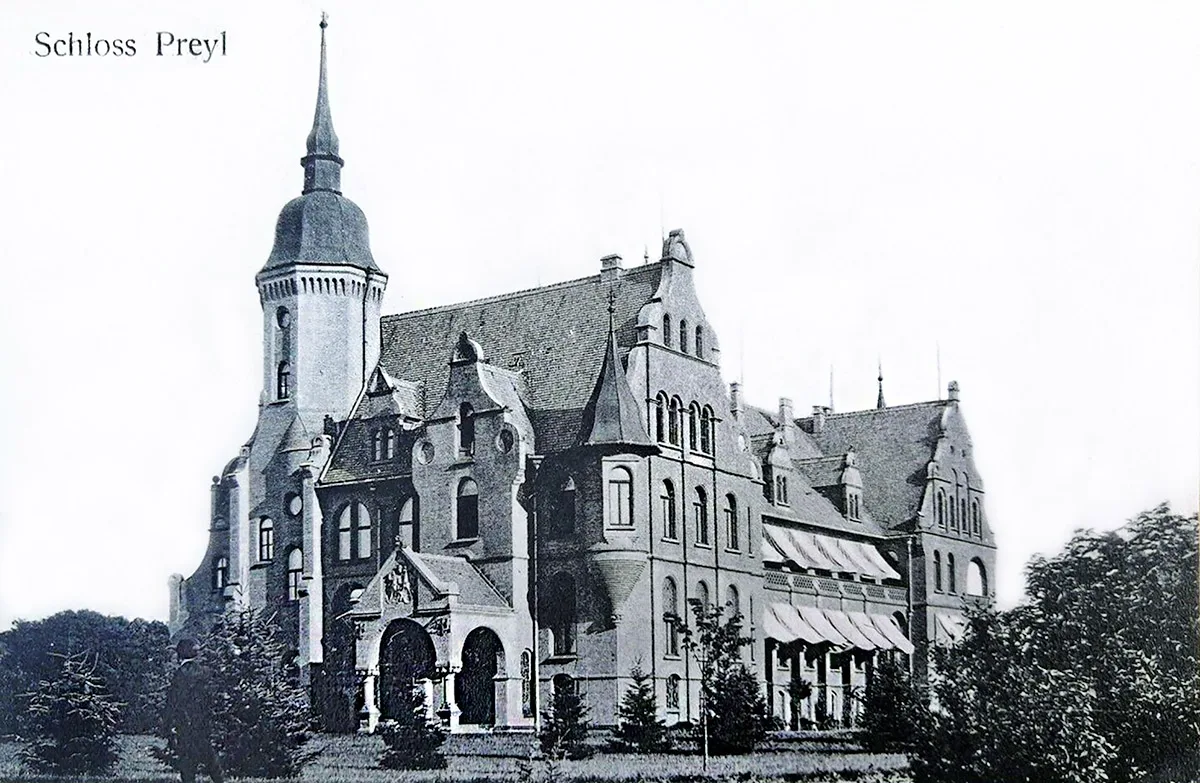
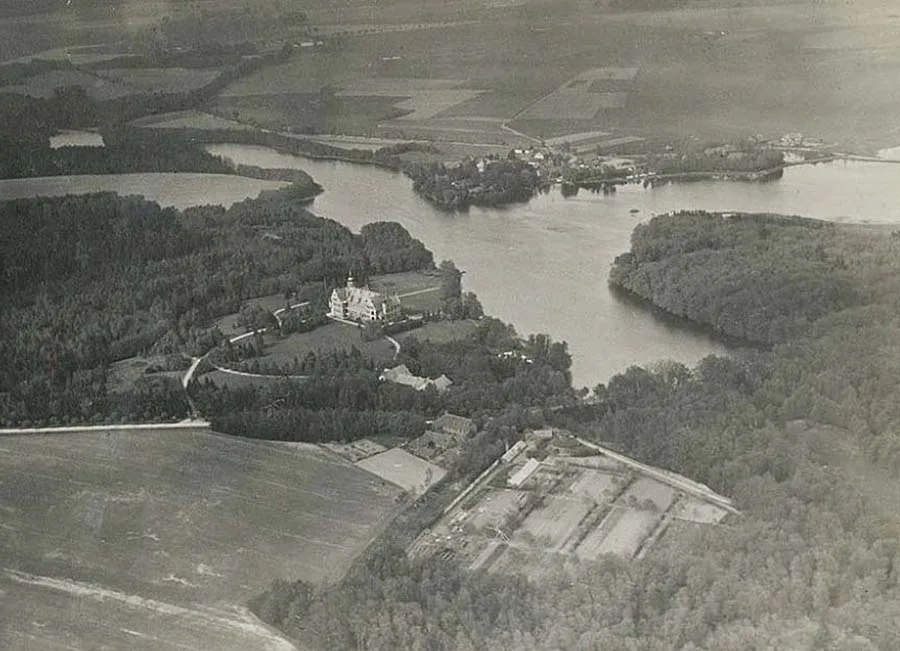
In 1890, on the shore of the Wargen Church Pond, construction began on Preil Palace, a symbol of the influence of its new owner, a member of one of the oldest noble families in East Prussia: Heinrich Ahasverus Emil August von Lehndorff, a major landowner and horse breeder, Oberburggraf of Prussia, General of Cavalry and aide-de-camp to Kaiser Wilhelm I. The building, of which, alas, only photographs have survived to our day, took four years to complete (1890–1894).
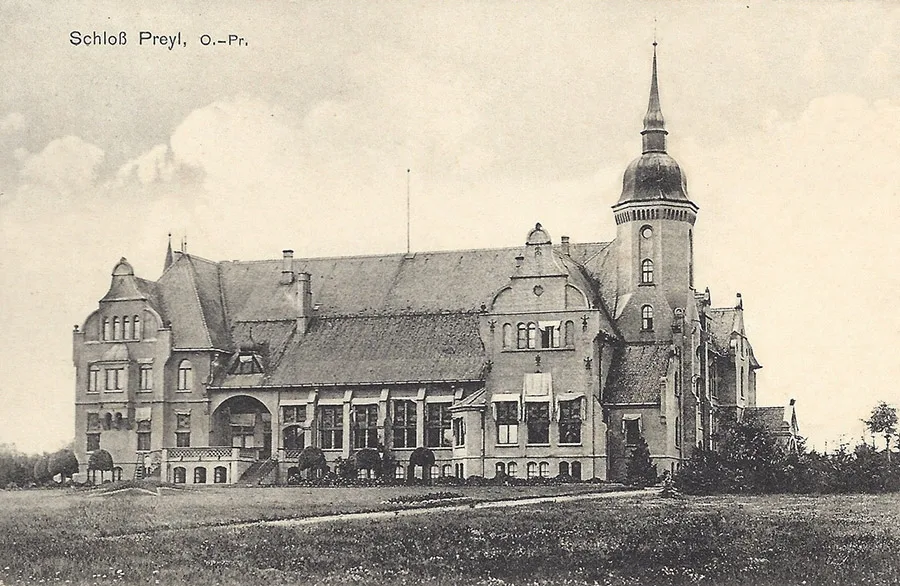
The count spared no expense on luxury and used the most advanced construction technologies of the day. Built in the historicist style, the palace was equipped with the latest amenities: modern stoves and bathrooms, and a functional kitchen in the basement leading to a tiled ice cellar.
Even the Kaiser himself was once a guest at Preil. In memory of one of his visits, a stone was set up not far from the estate bearing a cast-iron plaque with the inscription: "His Majesty the German Kaiser Wilhelm, with his son, His Royal Highness the Crown Prince, and his grandson, His Royal Highness Prince Wilhelm, mounted their horses here and graciously accepted the stirrup cup from the hands of Count Heinrich Lehndorff, General à la suite of His Majesty the Emperor and King. 8 September 1879" (Before putting one's foot in the stirrup, it was customary to drink a parting glass known as the "stirrup cup". To stay in the saddle, one drank the "saddle cup", and so on).
The last owner of Preil was Karin (Sissi) von Lehndorff, wife of Count Dietrich von Dönhoff, brother of the "Red Countess" Marion Dönhoff. Wargen-Preil, which had existed as a settlement since the days of the Teutonic Order, was one of the Lehndorffs' principal estates (along with Steinort). It also included the adjoining properties of Landkeim, Lehndorf and Regitten with Greibau. Their total area came to about 1,200 hectares, with beautiful scenery, parks, leisure areas, a boathouse and viewing points. There is no doubt that Countess Vera von Lehndorff, who in the second half of the 20th century enjoyed a dazzling career as a fashion model, also spent time at Preil.
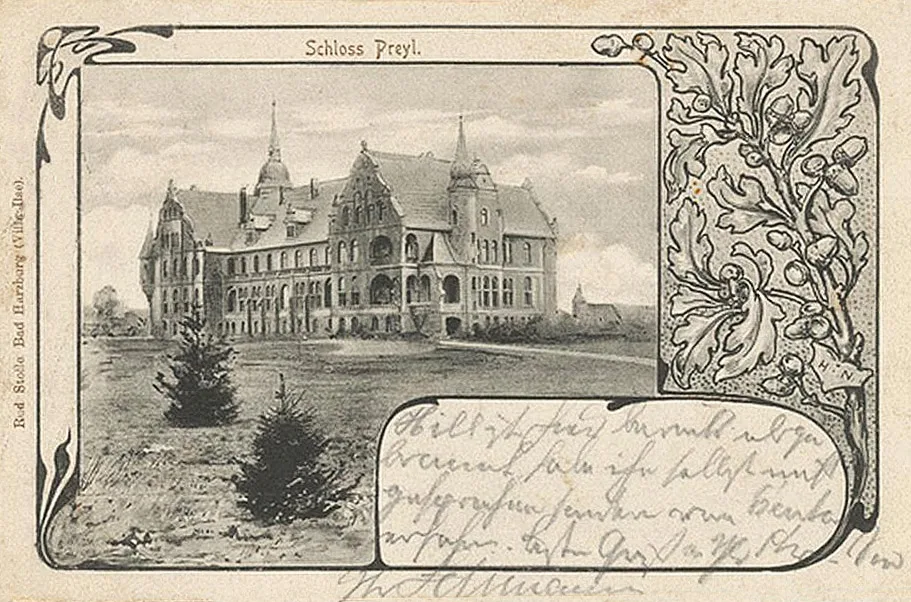
The Lehndorff palace stood for only 50 years, until January 1945.
During the storming of Königsberg, the Red Army's main thrust came from the direction of Samland, and Wargen found itself at the heart of the fighting. The palace was badly damaged and later dismantled for building material. The old Wargen church met the same fate. By 2021 the site where Preil once stood had become overgrown with forest; it is private property and fenced off. On the shore of the School Pond the owners built themselves a well-appointed access to the water, but judging by the lush vegetation, no one has used it for a long time.
Translated from Russian with the help of AI (Claude, Anthropic), October 2026.