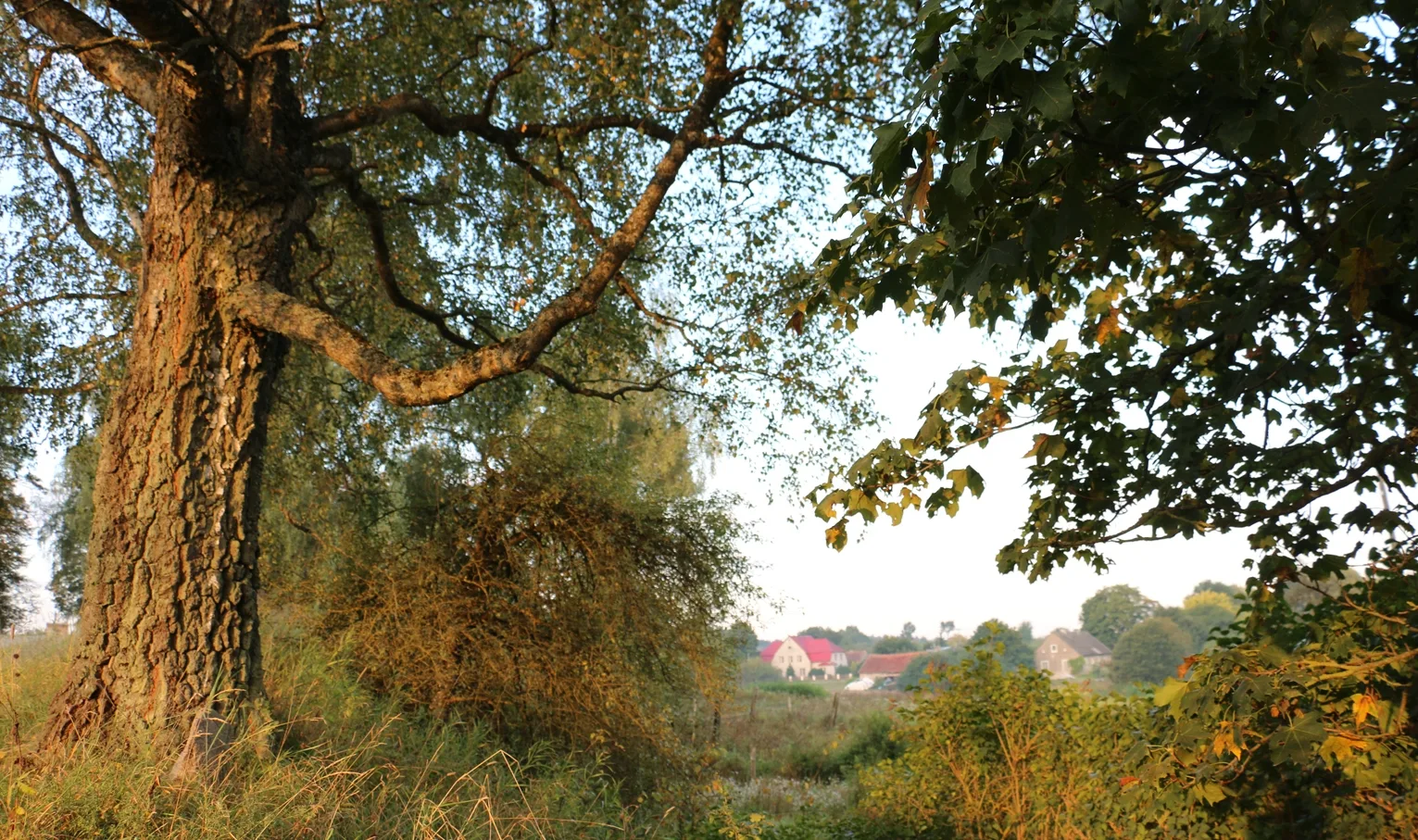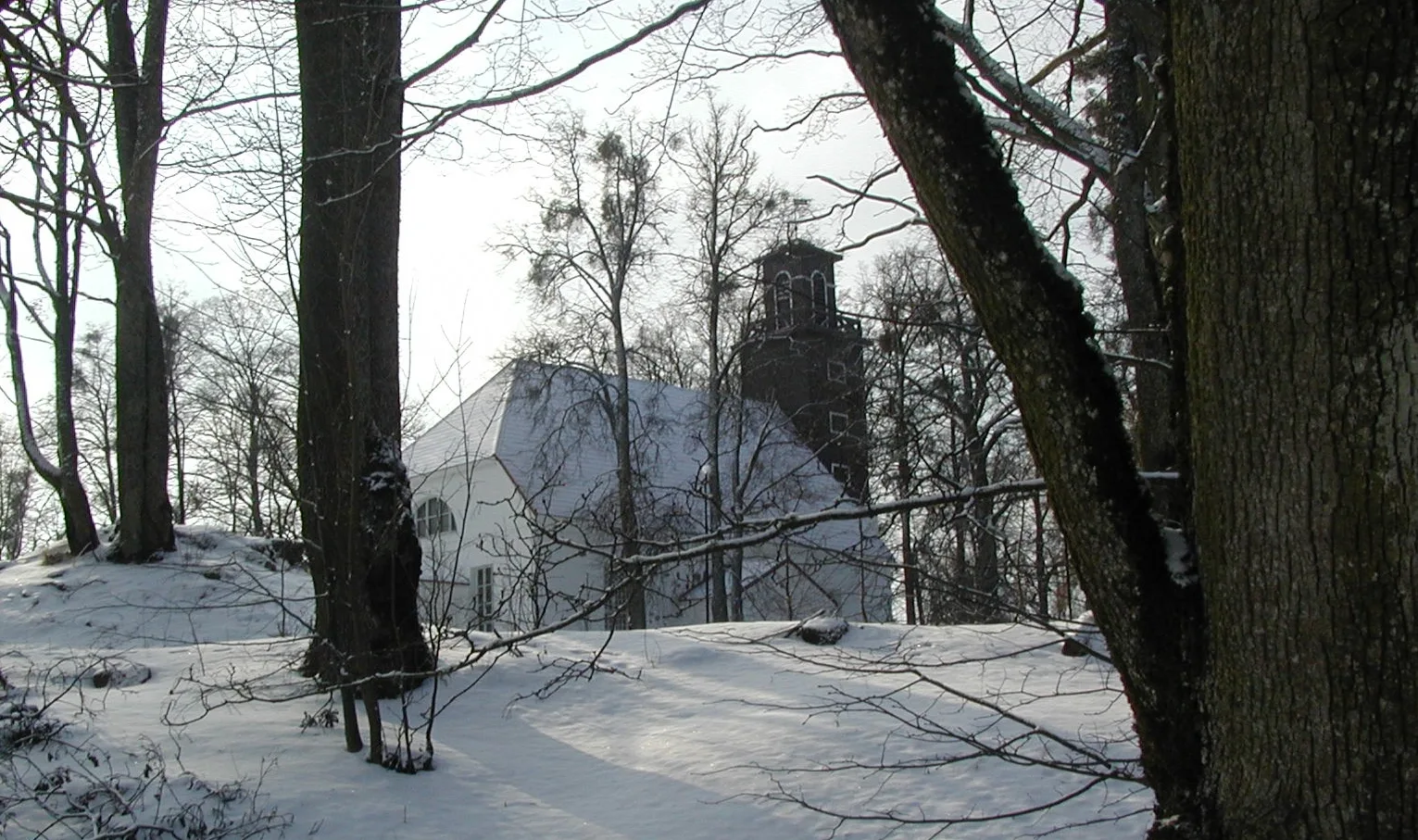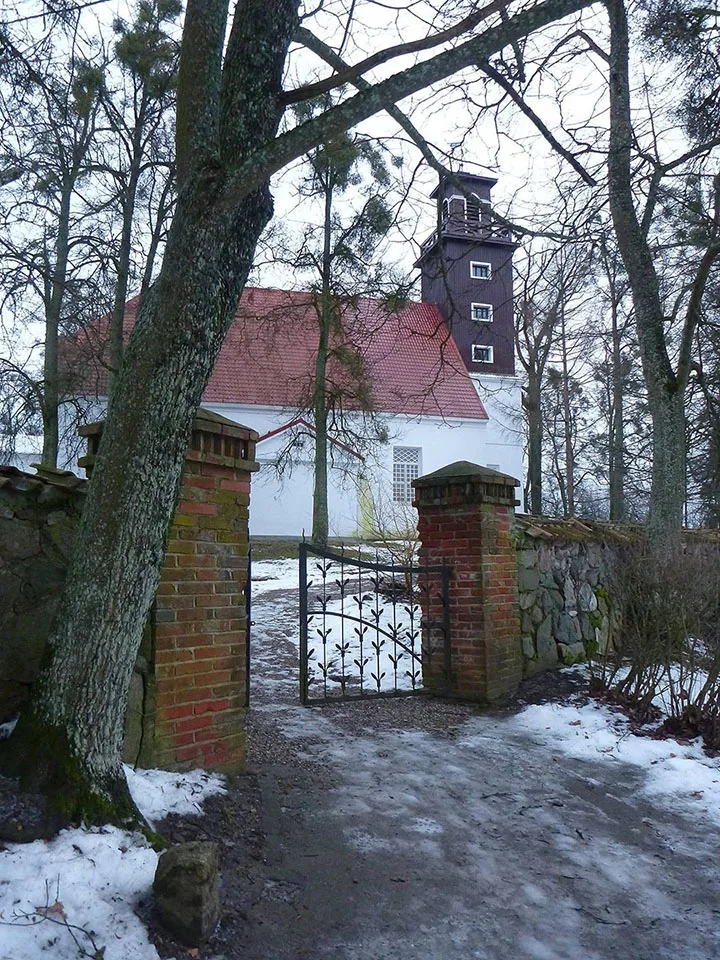
The village is considered to have been founded in 1589, when the parish of Tollmingkehmen was formed. In 1756 a church was built here. From 1743 to 1780 the founder of Lithuanian literature, Kristijonas Donelaitis, served as pastor of the Tollmingkehmen parish. By 1785 Tollmingkehmen was already divided into the village of Tollmingkehmen and the Vorwerk (from 1818 the estate) of Tollmingkehmen.
In 1818, in the Landkreis Stallupönen (from 1938 Ebenrode, Nesterov), the rural community of Tollmingkehmen, which comprised the village, and the Gutsbezirk Tollmingkehmen, formed around the estate, were created. From 1843 the community and the Gutsbezirk belonged to the Landkreis Goldap. In 1901 the Stallupönen (Nesterov) – Goldap railway was built.
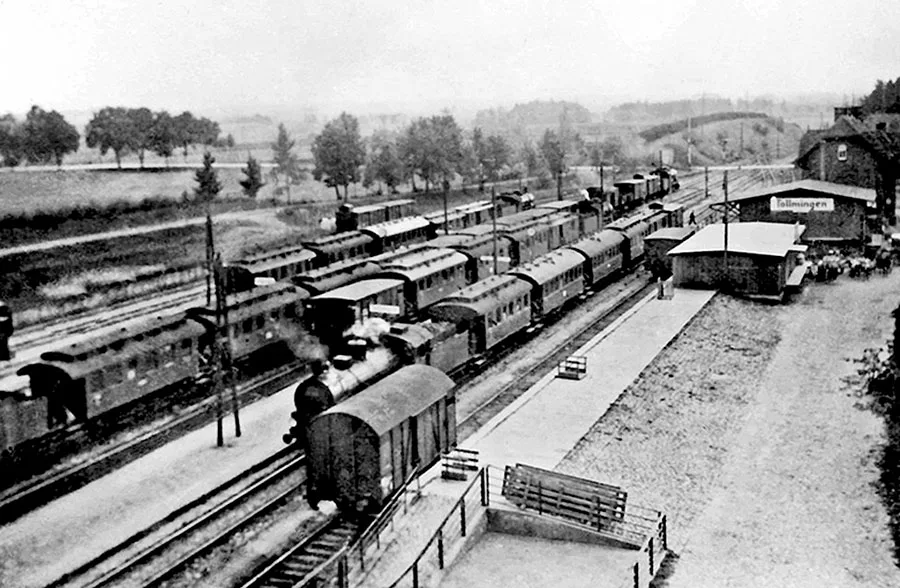 Tollmingkehmen railway station.
A station was opened on it in the village of Tollmingkehmen; the station had the status of a locality belonging to the Tollmingkehmen community.
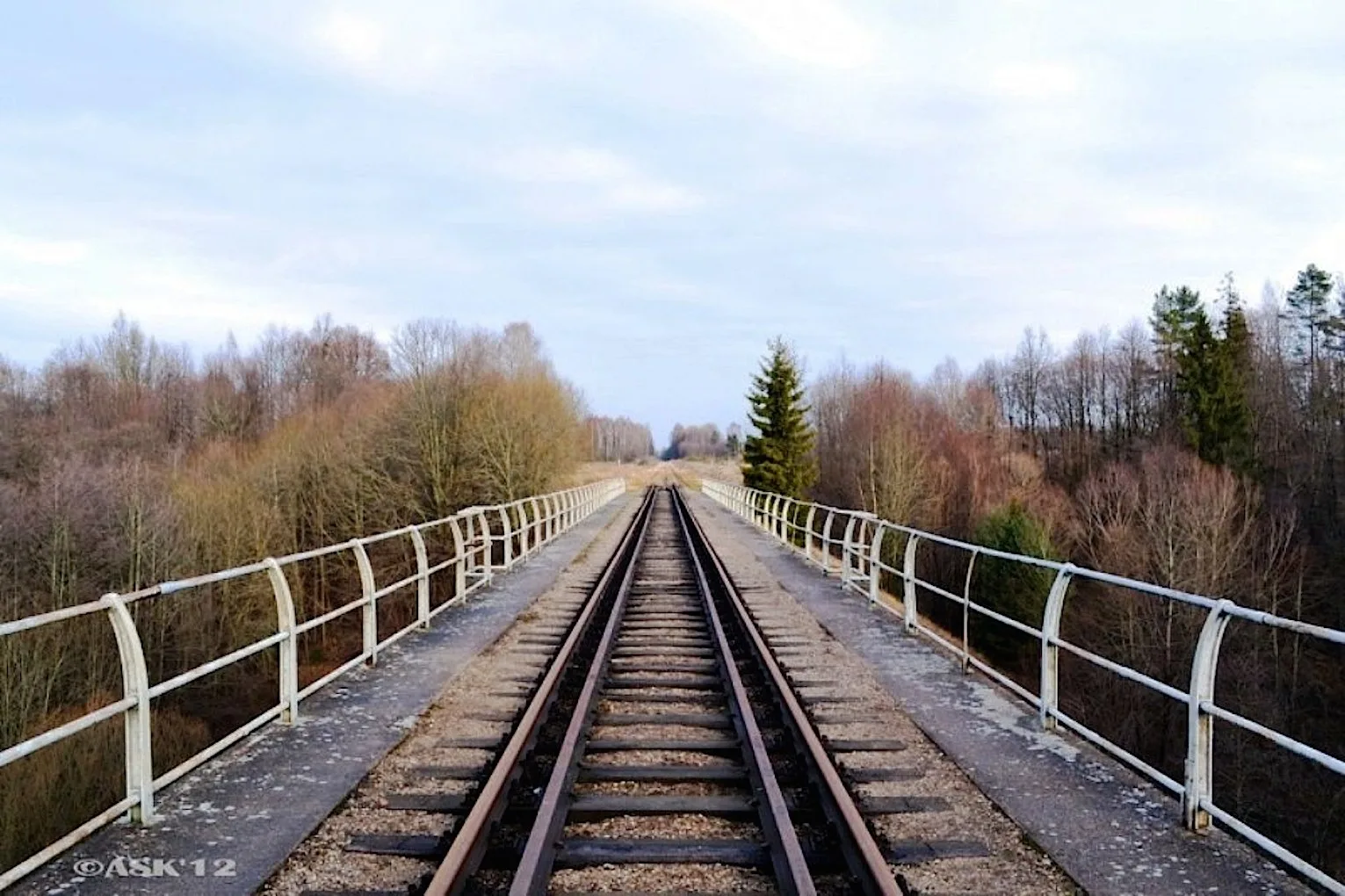
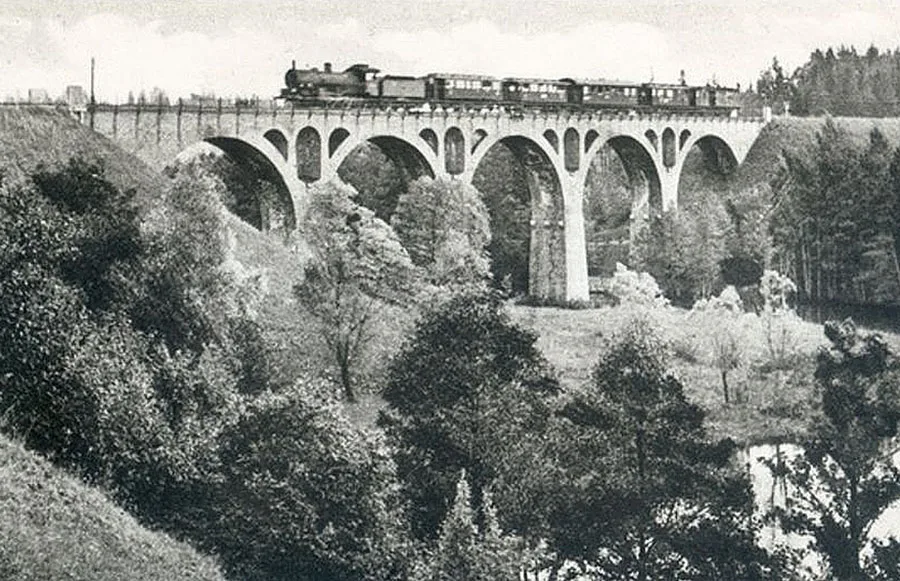 The bridge at Makunischken (Tokarevka), near Tollmingkehmen (Chistye Prudy), on the Stallupönen (Nesterov, Russia) – Goldap (Poland) railway. The bridge has survived and is one of the main local sights.
On 30 September 1928 a new rural community of Tollmingkehmen was created, which included the village of Tollmingkehmen, the station, and the Gutsbezirke of Tollmingkehmen and Sammonienen (Dokuchayevo) with the Vorwerk Skambrack (from 1938 Roßfelde, 54°28'21'' N 22°25'18'' E).
On 30 September 1928 the rural community of Tollmingkehmen and the Gutsbezirke of Tollmingkehmen and Sammonienen (Dokuchayevo) were merged into the new rural community of Tollmingkehmen. In addition, the Gutsbezirk Ballupönen (Dubovaya Roshcha) and the Martischken community were merged into the new rural community of Ballupönen, and the Gutsbezirk Kublischken was incorporated into the rural community of Kiaunen (Vetryak). As a result the Amtsbezirk Tollmingkehmen came to consist of ten rural communities: Deeden, Jessatschen, Kaszeleken, Kiaunen (Vetryak), Kubillen, Motzkuhnen, Oszeningken (Karpinskoye), Tollmingkehmen (Chistye Prudy) and Werxnen, and its composition did not change again.
On 21 October 1944 Tollmingkehmen was taken after fighting by soldiers of the 84th Guards Rifle Division under the command of Major General I.K. Shcherbina, supported by the 18th Guards Rifle Division (Major General G.P. Isakov) and units of the 2nd Tatsinskaya Tank Corps and the 31st Guards Rifle Division.
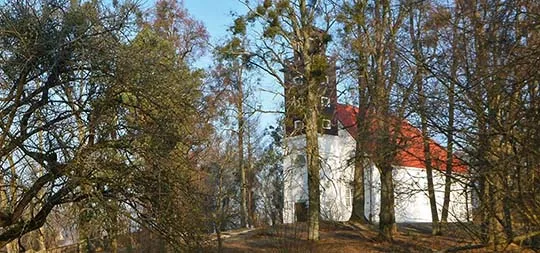
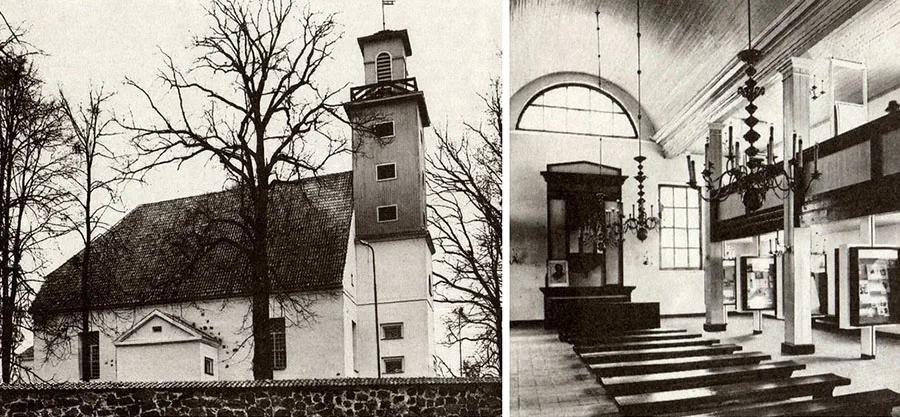 The church of Tollmingkehmen.
On 25 June 1947 Tollmingkehmen was renamed the settlement of Chistye Prudy.
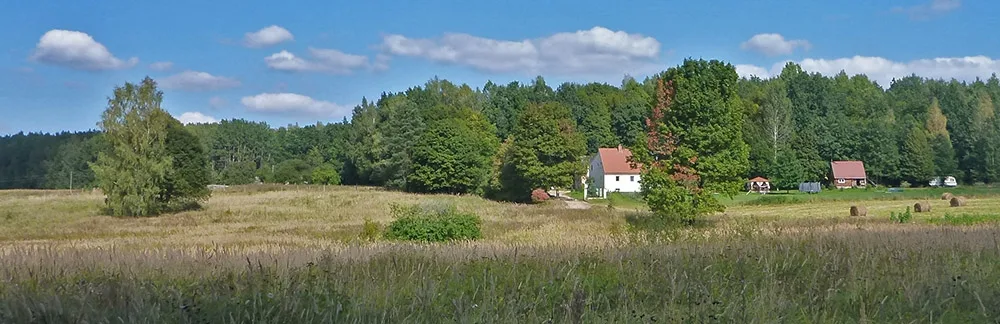
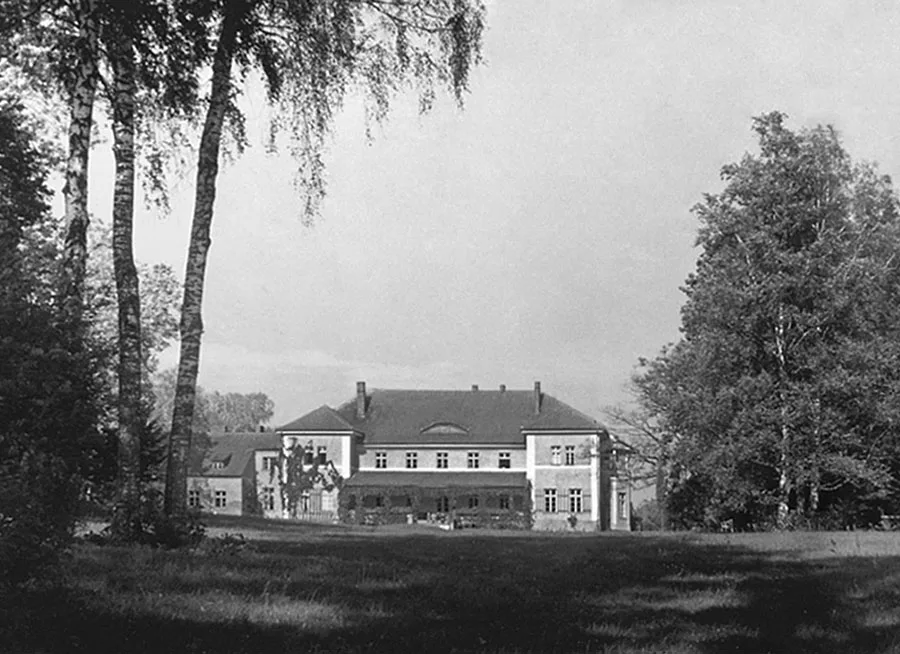 The guest house of Tollmingkehmen.
The Chistye Prudy Village Council was created at the same time. It was originally intended that the centre of the village council would be in the settlement of Nassawen (Lesistoye), which was to bear the name Chistye Prudy. In 1954 the settlements of the disbanded Krasnolesye Village Council became part of the Chistye Prudy Village Council. In 1979 the Kristijonas Donelaitis Museum opened in the church building.
The Amtsbezirk Tollmingkehmen
In 1874 Amtsbezirk No. 26 Tollmingkehmen was formed in the Landkreis Goldap, comprising ten rural communities: Deeden, Jessatschen (from 1938 Grimbach), Kaszeleken (from 1938 Neumagdeburg), Kiaunen (from 1938 Rodenheim, Vetryak), Kubillen (from 1938 Nordenfeld), Martischken, Motzkuhnen (from 1938 Motzken), Oszeningken (from 1938 Pfalzrode, Karpinskoye), Tollmingkehmen (Chistye Prudy) and Werxnen (from 1938 Grünhügel), and four Gutsbezirke: Ballupönen (from 1938 Wittigshöfen, Dubovaya Roshcha), Kublischken, Sammonienen (from 1938 Reiterhof, Dokuchayevo) and Tollmingkehmen (Chistye Prudy). The first head of the Amtsbezirk was Käswurm, the owner of the Tollmingkehmen estate. In 1920–1933 the Amtsbezirk was also headed by a resident of Tollmingkehmen, the merchant Mallee.

Sights: the church (1764), a memorial stone in the grounds of the Kristijonas Donelaitis Museum, the railway station (1901), the railway water tower (1917), a mass grave of Soviet soldiers (1,600 people, monument 1955).
Population change: 1910 – 548, 2002 – 543 inhabitants.
Population change of the Tollmingkehmen community: 1910 – 318, 1933 – 437, 1939 – 395 inhabitants.
Population of the Tollmingkehmen estate: 1910 – 230 inhabitants.
Photos on this page: Bildarchiv Ostpreußen, bildarchiv-ostpreussen.de, Mikhail Ogorodnikov (at the very top).
Translated from Russian with the help of AI (Claude, Anthropic), October 2026.